Why Tragedy Can Create the Most Memorable Game Stories
28 July 2026
Let’s be real — some of the most unforgettable gaming moments aren’t the victories. They’re the gut-punches, the heartbreaks, and the times you had to pause the game just to collect yourself. Why is it that tragedy leaves such a lasting impact in games?
The answer lies in the power of storytelling and how closely games can mimic real life — not just the wins, but the losses too. In this article, we’re diving deep into the emotional trenches to unpack why tragic narratives often shape the most memorable game stories. So grab your favorite controller and maybe a box of tissues — we’re going in.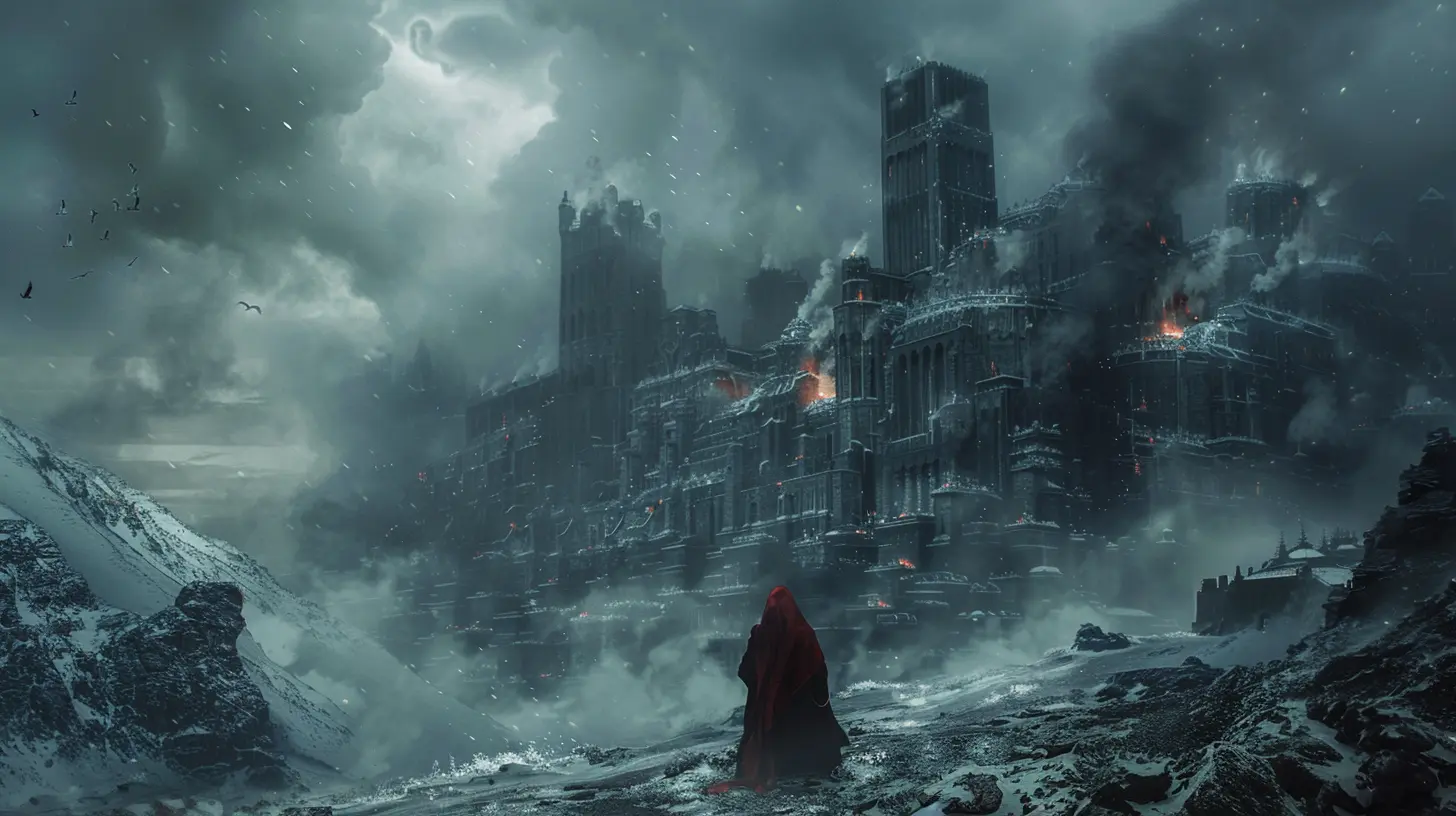
The Emotional Edge: Why Sad Hits Harder Than Happy
Alright, think back to a time a game made you smile. It was nice, right? Now think back to a time a game made you cry. That’s on a whole different level, isn’t it?Tragedy taps into our emotions in a way few other narrative devices can. It elevates a game from just fun to something that sticks with us long after the credits roll.
Why? Because sadness carries emotional weight. When characters suffer, when choices have consequences, when all doesn’t end well… that pain becomes personal. Sad stories feel real because, well, life isn’t always a happy ending either. Games that embrace this truth resonate deeply with players.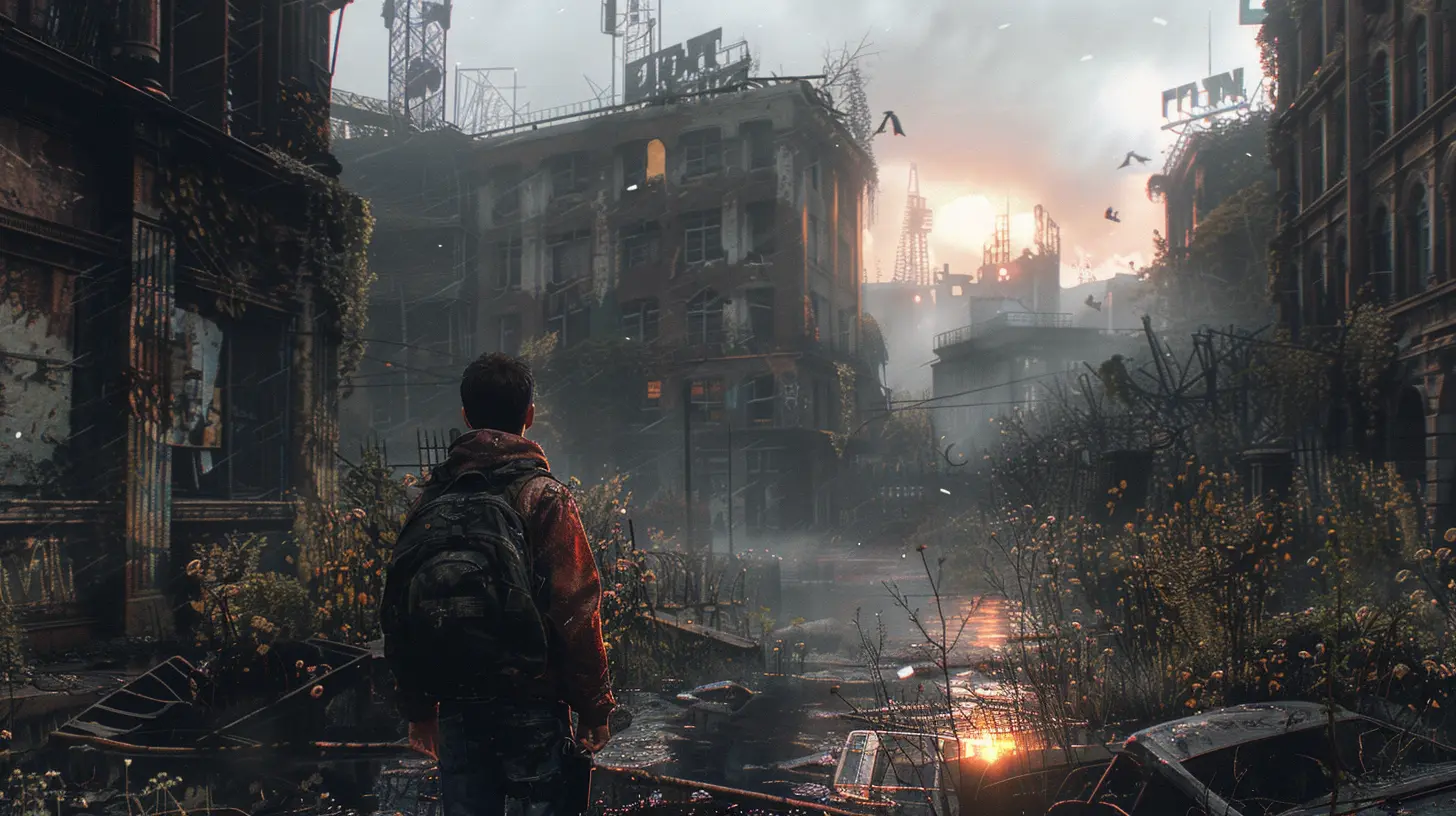
Characters Feel More Real When They're Flawed
Perfect characters are boring. Nobody likes Mary Sues or Gary Stus — you know, the characters who always win, never fail, and sparkle their way through every level. That’s not relatable.But give us a flawed hero — someone who messes up, loses people they love, or makes the wrong call? Suddenly, we’re hooked. We see ourselves in them.
Take Joel from The Last of Us. He’s not your traditional hero. He’s weathered, morally grey, and driven by grief. His tragic backstory shapes his every action, and because of that, we care. We understand him, even when we don’t agree with him.
That relatability is what draws players in. Tragedy adds depth and dimension, turning game characters into people we remember.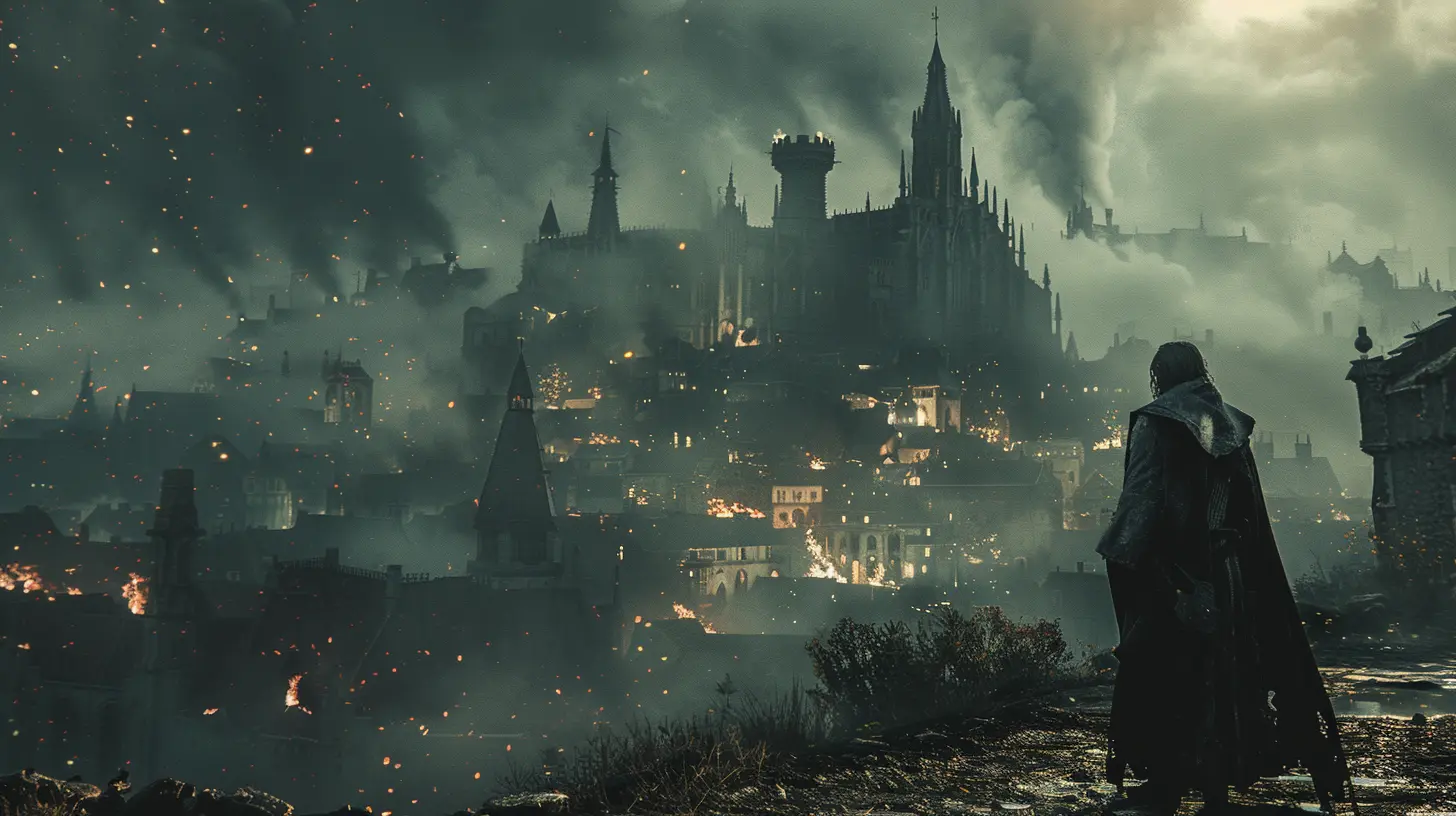
It Raises the Stakes — And The Tension
Think about this: if nothing bad can happen in a game, where’s the thrill?Tragedy introduces consequences. When you're playing a game where loss is real and things can go wrong in a big way, every decision suddenly matters more. Your palms sweat a bit more. You sit at the edge of your seat a little longer.
Games like Red Dead Redemption 2 are masterclasses in this. You know things probably aren’t going to end with rainbows and sunshine — and that looming sense of doom? It makes every moment count.
Tragedy raises the narrative stakes, which in turn amps up engagement. You become more invested, more cautious, more attentive — because there’s something to lose.
Tragedy Creates Contrast — And Makes Joy More Powerful
Here’s a little storytelling paradox: sadness actually makes happiness feel more intense.Think of it like this — if a game is all fun, all the time, the fun starts to feel stale. But if a game mixes in moments of pain, then joy becomes a payoff. It’s the light at the end of the tunnel. It feels earned.
Games like Shadow of the Colossus are drenched in emotional somberness, but when you get even the smallest win, it feels massive. The contrast is what makes those moments pop.
It’s the same reason movies, books, and even life itself feel more meaningful when there’s a blend of highs and lows. Tragedy doesn’t just add heartbreak — it adds depth.
It Encourages Reflection and Growth
Ever finish a game and just… sit in silence afterward?That’s often the result of a tragic ending. It forces you to reflect — not just on the game, but on yourself. What did that story mean? What choices would you have made? Could things have ended differently?
A game like Life is Strange puts this front and center. The narrative is built around personal choice, but no matter what you choose, there’s heartbreak. And that’s the point. The story lingers because it mirrors real-life dilemmas and imperfect outcomes.
Tragic stories don’t just entertain — they challenge us. They prompt introspection, and sometimes even personal growth.
Breaking the Mold: Not Every Game Needs a Happy Ending
Let’s be honest — the “hero saves the day” trope can get pretty predictable. That’s where tragedy shines. It breaks the mold.We’re conditioned for games to reward us. Beat the boss, save the world, roll credits. But when a game throws a wrench into that formula and ends on a note of loss or ambiguity? That’s bold — and often brilliant.
Games like Spec Ops: The Line do this incredibly well. What starts as a standard military shooter quickly devolves into a descent into psychological trauma, leaving players questioning everything, including their own choices.
It’s not about “winning” in the traditional sense. It’s about understanding that not all stories are meant to leave you smiling — some are meant to leave you thinking.
Tragedy Builds Lore and Mythology
Let’s get nerdy for a second. In long-running game series or open-world RPGs, tragedy often becomes the foundation of rich lore.Why was this kingdom destroyed? Why does the villain hate the world? Who sacrificed everything to save nothing?
Big, tragic backstories give games their mythological heft. Think Dark Souls — the entire world is bathed in sorrow and decay. Every boss you encounter has a tragic tale. And because of that, learning about them becomes more than just unlocking achievements. It becomes diving into a narrative tapestry woven with heartbreak.
Tragic lore makes a game's world feel lived-in, bruised, and real.
When Players Have Skin in the Game: Interactive Tragedy Hits Different
One of the most unique things about games is that we’re not just observers. We’re participants. We make choices, move the characters, control the narrative to a degree.That agency makes tragedy hit way harder.
Remember Telltale’s The Walking Dead? That game asked you to make awful decisions. Save one friend — doom another. And then live with it.
When you’re the one pulling the strings, the story becomes personal. And when it ends in loss? That feeling sticks with you in a way a book or movie never could.
Tragedy in interactive media hits on another level — because it’s your tragedy too.
Famous Tragic Game Stories That Prove the Point
Let’s look at some real examples:1. The Last of Us
From the opening scene, this game pulls no emotional punches. The loss of Joel’s daughter sets the tone for a gritty, emotionally intense journey about grief, survival, and love pushed to its limits.2. Red Dead Redemption 2
Arthur Morgan’s tale is drenched in tragedy as he battles illness, betrayal, and the slow crumbling of the life he knew. His redemption arc is one of gaming’s most powerful.3. Final Fantasy VII
Aerith’s death is legendary. Even decades later, players remember it vividly. It wasn’t just a shock — it was a moment that defined a generation of gamers.4. Shadow of the Colossus
Every victory in this game feels laced with sorrow. You’re defeating majestic beings for a cause that, it turns out, might have been misguided all along.These aren’t just good games — they’re iconic. And a big reason is the tragedy that lies at the heart of their stories.
We Remember How Games Made Us Feel
At the end of the day, we remember stories not because of how clever or cool they were, but because of how they made us feel.Tragedy, when done right, leaves an emotional mark. It stays with us. Even when we forget the mechanics, the loot, or the level design, we remember those emotionally charged moments — the ones that tore our hearts out.
And in a sea of games where the objective is always to “win,” the ones that dare to let us lose — even just a little — often end up being the ones we never forget.
Final Thoughts: It’s Not Just Sad—It’s Powerful
Tragedy in video games isn’t about being edgy or depressing for shock value. It’s about sincerity. It’s about telling stories that matter, that resonate, and that reflect life’s imperfections.When a game dares to go there — to pull on those heartstrings and explore the tough stuff — it doesn’t just entertain. It elevates. It connects.
So yeah, maybe tragedy isn’t always fun. But it is unforgettable. And that’s what great storytelling is all about.
all images in this post were generated using AI tools
Category:
Game StorylinesAuthor:

Tayla Warner
Discussion
rate this article
1 comments
Francesca Franklin
This article offers a compelling perspective on how tragedy deepens emotional engagement in games. The examples provided highlight the power of storytelling, reminding us that even in loss, there can be profound connection and meaning.
July 28, 2026 at 2:51 AM