How Romance Is Evolving in Game Narratives
11 January 2026
So, let’s talk about the love lives of our favorite pixel-powered protagonists, shall we?
Romance in video games has come a long way. From damsels in distress to awkward polygonal flirting, we’ve finally reached a stage where game narratives don't just throw in love for the heck of it. These days, romance has depth, purpose, choices (oh, the glorious choices!), and honestly—some of it is better than what Hollywood’s coughing up. So how did we get here? Buckle up, buttercup. We’re taking a whirlwind romantic tour through gaming history, one awkward love confession at a time.
The "Press X to Kiss" Era: Where It All Began
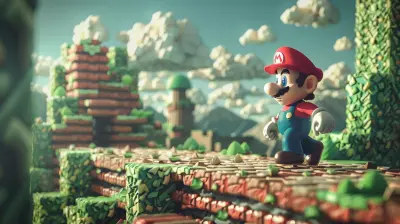
Remember the old days? When love in video games meant rescuing Princess Peach for the hundredth time? That was basically Nintendo’s idea of a long-term relationship. Save the girl, get a kiss, repeat.Early romance in gaming was…well, pretty basic.
Games like Super Mario and Legend of Zelda used love as a generic motivation. The hero saves the girl. The girl says thanks. Roll credits. It wasn’t romance—it was more like relationship cosplay. The emotional depth of a cardboard cutout.
Then came the awkward teenage years of gaming. Polygonal characters trying to hold hands with jagged fingers in Final Fantasy VII. You remember Cloud, right? Brooding, spiky-haired, and emotionally unavailable. Perfect rom-com material. Tifa and Aerith both had a thing for him, and you, the player, had absolutely no idea how to handle it. It was like being thrust into a love triangle without a survival guide.
Romance was there, sure, but it was rigid, built into the story whether you wanted it or not. More like a cutscene than a connection.
The Choice Revolution: Dating Sims and BioWare Brooding
Fast forward to the early 2000s and BAM—romance gets options.Suddenly, you weren’t just watching love happen—you were calling the shots! Games like Mass Effect, Dragon Age, and The Sims started handing players the romantic steering wheel. Want to flirt with the space bounty hunter? Go for it. Prefer the brooding elf mage with commitment issues? Live your truth.
These games introduced a beautiful concept: player agency. Relationships in games started feeling like actual relationships. You had to talk to people, make them laugh, give them gifts, maybe accidentally insult their culture—real dating stuff.
BioWare, especially, became the Netflix of in-game romance. Their characters had chemistry, drama, personal baggage—a full romantic resume! And if you wanted to woo them, you had to earn it. This wasn’t “press X to smooch.” This was “learn their backstory and respect their boundaries.”
Even better: these games started offering LGBTQ+ options. Finally, everyone could feel seen (and hit on) in the virtual world.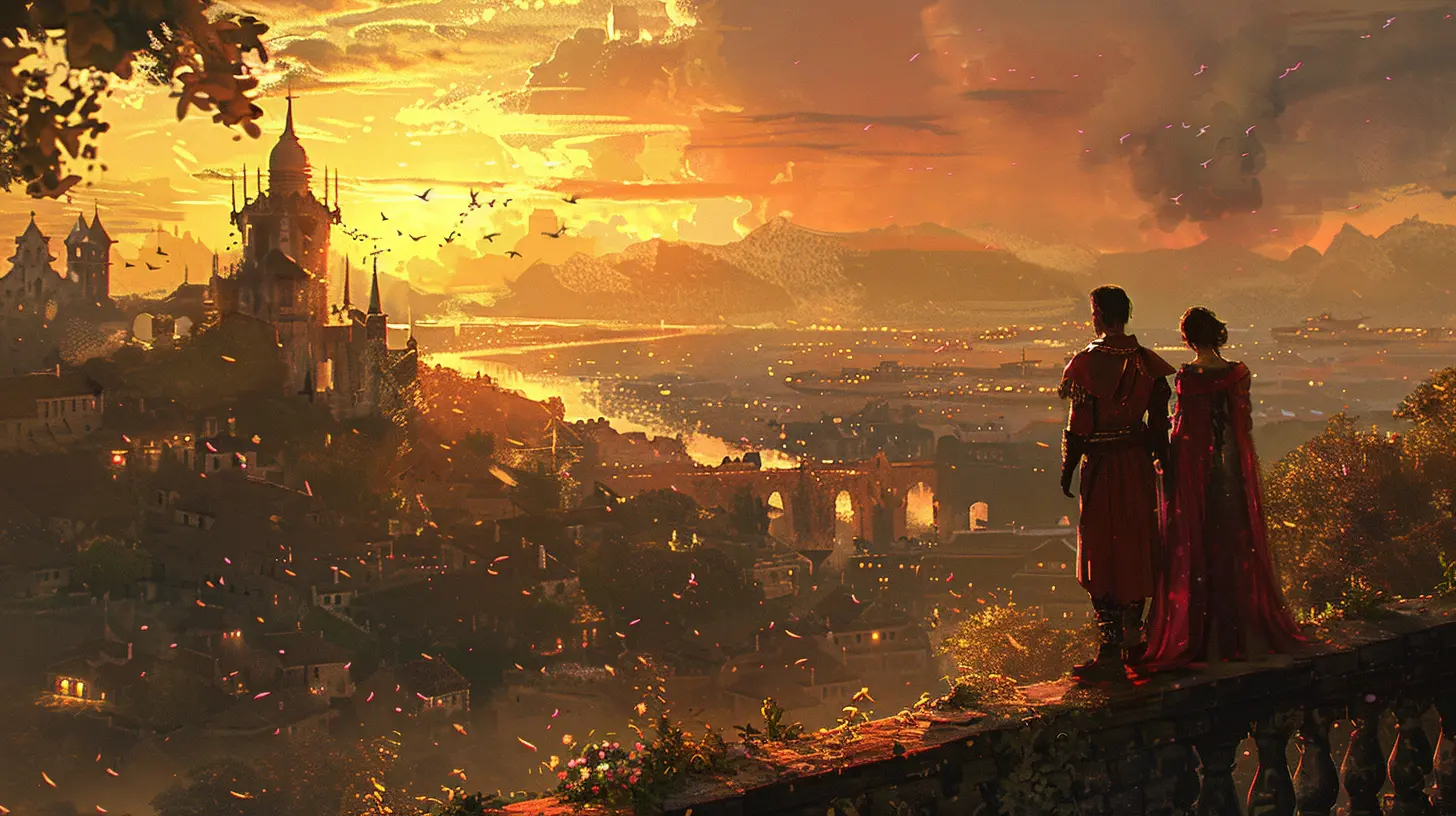
Heartbeats Beyond Binary: Inclusivity in Modern Gaming Romance
Let’s take a moment to appreciate how inclusive romance in gaming has become. Back in the day, if your in-game love interest wasn’t a helpless princess or a tough guy with a tragic past, you were breaking new ground.Nowadays? The romantic playground is wide open.
Games like The Sims 4, Dream Daddy, Life is Strange, and Boyfriend Dungeon said, “Labels? Norms? Nah, we’re good.” These games embrace a spectrum of identities. Love, attraction, and gender identity aren’t just allowed—they’re celebrated.
Even AAA titles are catching up. Cyberpunk 2077 gives multiple romance paths depending on gender and preferences. Horizon Forbidden West doesn’t shoehorn Aloy into a romance at all—because you know what? You don’t need to fall in love to save the world (but it’s nice if you do).
We’re moving from "romance exists because plot" to "romance exists because people connect." That’s huge.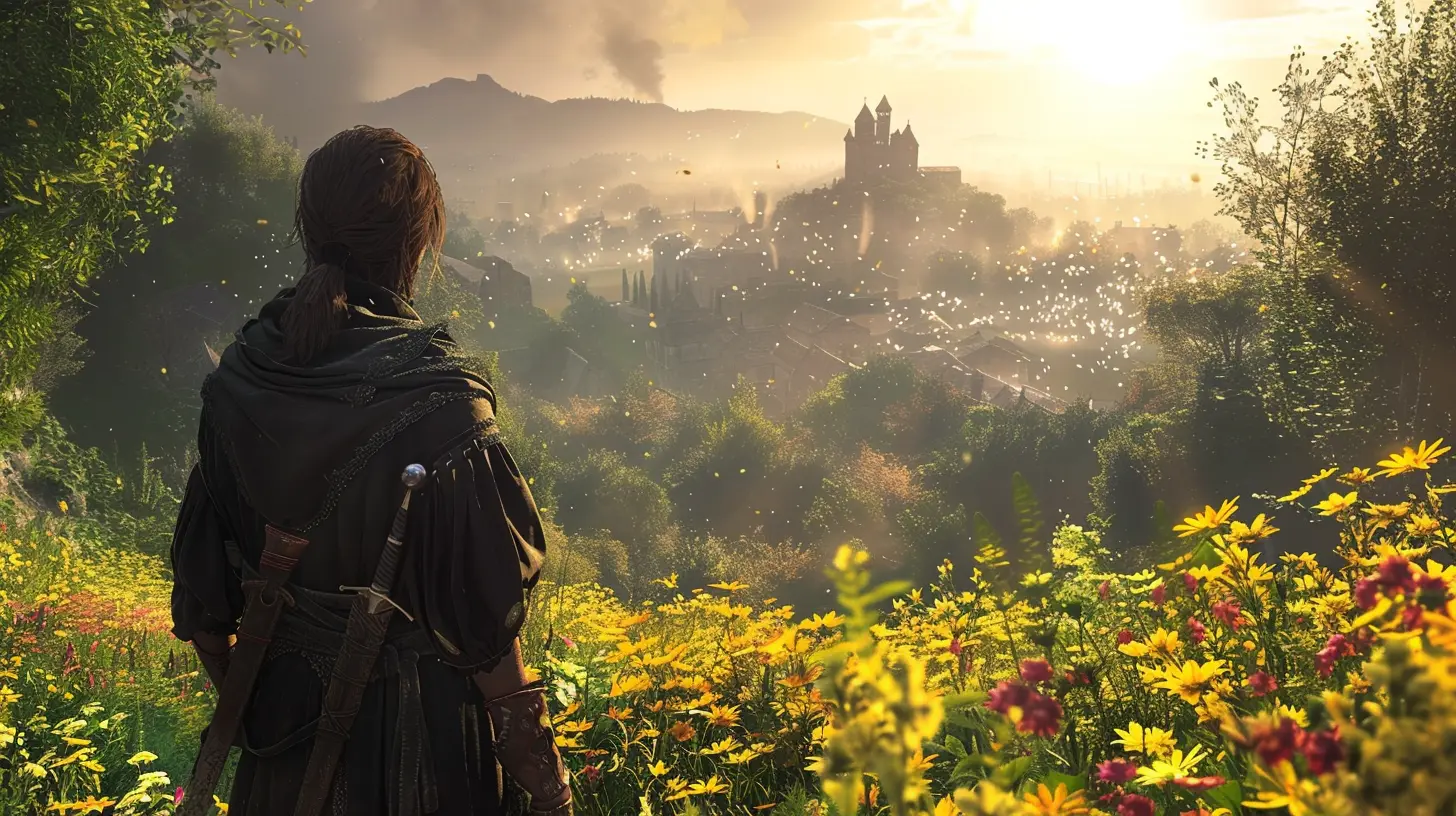
When Romance is Optional (And That's a Power Move)
Here's a spicy take: not every protagonist needs a plus-one. And it's amazing when games realize that.Some games give you the choice to pursue love—or just hang with your crew and ride solo. Take Geralt from The Witcher 3. You can romance Yennefer, Triss, or neither. (Though let's be real, messing with both is a terrible idea. Heed the bathtub-witcher’s warning.)
Optional romance feels more real. Why? Because in life, not everyone's story is a rom-com. Sometimes it's a solo adventure, and that’s okay. Games have started to respect that, offering romance not as a required checkbox, but as a narrative bonus.
You know what's even cooler? The romance can impact the story meaningfully—or not at all. In Fire Emblem: Three Houses, who you shack up with can influence endings and character development. In Skyrim, it’s like, “Cool, you’re married now. Here’s some soup.”
Both are valid.
Romance Mini-Games: From Cringe to Crafty
Alright, let’s talk about those weird little moments when games make you work for romance. Remember those mini-games where you’d have to time your button presses just right to impress your crush? Nothing kills the mood faster than a clunky gameplay mechanic wedged into your date night.But hey, they’re evolving too!
Instead of terrible rhythm games or gift-spamming until your crush likes you "enough," modern romance side quests are becoming clever, narrative-driven, and meaningful. Think less “hit the right button combo to kiss” and more “complete this quest that shows you understand your love interest's motivations.”
Take Persona 5, for example. You build relationships gradually, through dialogue choices and meaningful interactions. It's not just about winning affection—it's about growing with another character.
Character complexity? We like that.
Rom-Coms Get Dark: Romance Isn’t Always Cute (And That's Okay)
Let’s be honest, not all love stories are sunshine and rose petals. Sometimes, it’s messy. Sometimes, it ends in heartbreak. And yep—games are finally okay with that.Take The Last of Us Part II. The romance between Ellie and Dina is tender, but it's wrapped in trauma and survival. Their moments of intimacy feel raw and honest. It’s not a fairy tale—it’s real.
Or Life is Strange, where your choices can literally affect the outcome of your relationships—and your entire world. These aren’t just romances; they’re emotional gut punches.
Romance in modern gaming can be sweet, sad, complicated, tense, joyful—all the flavors of actual human love. And honestly? That makes the characters stick with us way after the credits roll.
AI, Virtual Love, and the Future of In-Game Romance
Okay, now we’re getting into the juicy stuff: the future.Games are already experimenting with procedurally generated love stories (Boyfriend Dungeon, anyone?) and AI-driven characters who remember how you treat them. Imagine a future where your love interest adapts to your personality, not a script. Creepy? Maybe. Cool? Definitely.
We’re not too far off from virtual relationships that genuinely feel organic. Games may soon tailor romance arcs not just based on your dialogue choices, but your playstyle, your empathy, and how often you stop to pick flowers instead of chasing headshots.
It’s romance-meets-Black-Mirror, and we’re here for it. (Well, cautiously here for it.)
TL;DR: Your Fave RPG Is a Dating Sim Now (and That’s Awesome)
So, what’s the big picture here?Romance in gaming has bloomed from a background plot device into a multi-branched, emotionally rich part of storytelling. It reflects us—our diversity, our complexity, our choices. Whether you’re roleplaying a suave space captain or a socially awkward farmer (Stardew Valley, we see you), romance is no longer just the icing on the cake. Sometimes, it is the cake.
As games continue to evolve, so will the ways we connect, grow, and love within them. And honestly? We're lucky to live in the age of digital crushes, steamy side quests, and real emotional stakes.
Now if only real-life dating came with save points, right?
all images in this post were generated using AI tools
Category:
Game StorylinesAuthor:

Tayla Warner
Discussion
rate this article
2 comments
Olympia Wilkins
Romance in games: from pixelated crushes to heartfelt AI love stories—who knew joystick romance could spark virtual butterflies? 🎮❤️
January 18, 2026 at 4:21 PM
Tayla Warner
Absolutely! It's amazing to see how game narratives have transformed, bringing deeper emotional connections and real feelings to the virtual world. Joystick romance has come a long way!
Owen Lynch
Great insights! It's exciting to see how romance in games is becoming more nuanced and inclusive, reflecting diverse experiences. This evolution enriches storytelling and enhances our emotional connections with characters.
January 15, 2026 at 4:04 AM
Tayla Warner
Thank you! I'm glad you appreciated the insights—it's amazing to see how inclusive romance can deepen our emotional engagement with game narratives.