First-Time Exploration: Is the World Big Enough to Get Lost In?
21 January 2026
Have you ever booted up a new open-world game, pressed play, and felt the world just... stretch out endlessly in front of you? That moment when the game drops you into its universe and says, “Here you go—figure it out”? Yeah, that’s the magic. We’ve all been there—eyes wide, heart pounding, wondering where to go first. And the question that echoes in your mind is simple yet powerful:
Is this world big enough to get lost in?
That’s what we’re talking about today. Not just about game size or map dimensions, but the feeling of that first-time exploration. The sense of scale, wonder, and freedom. Let’s dive into it, shall we?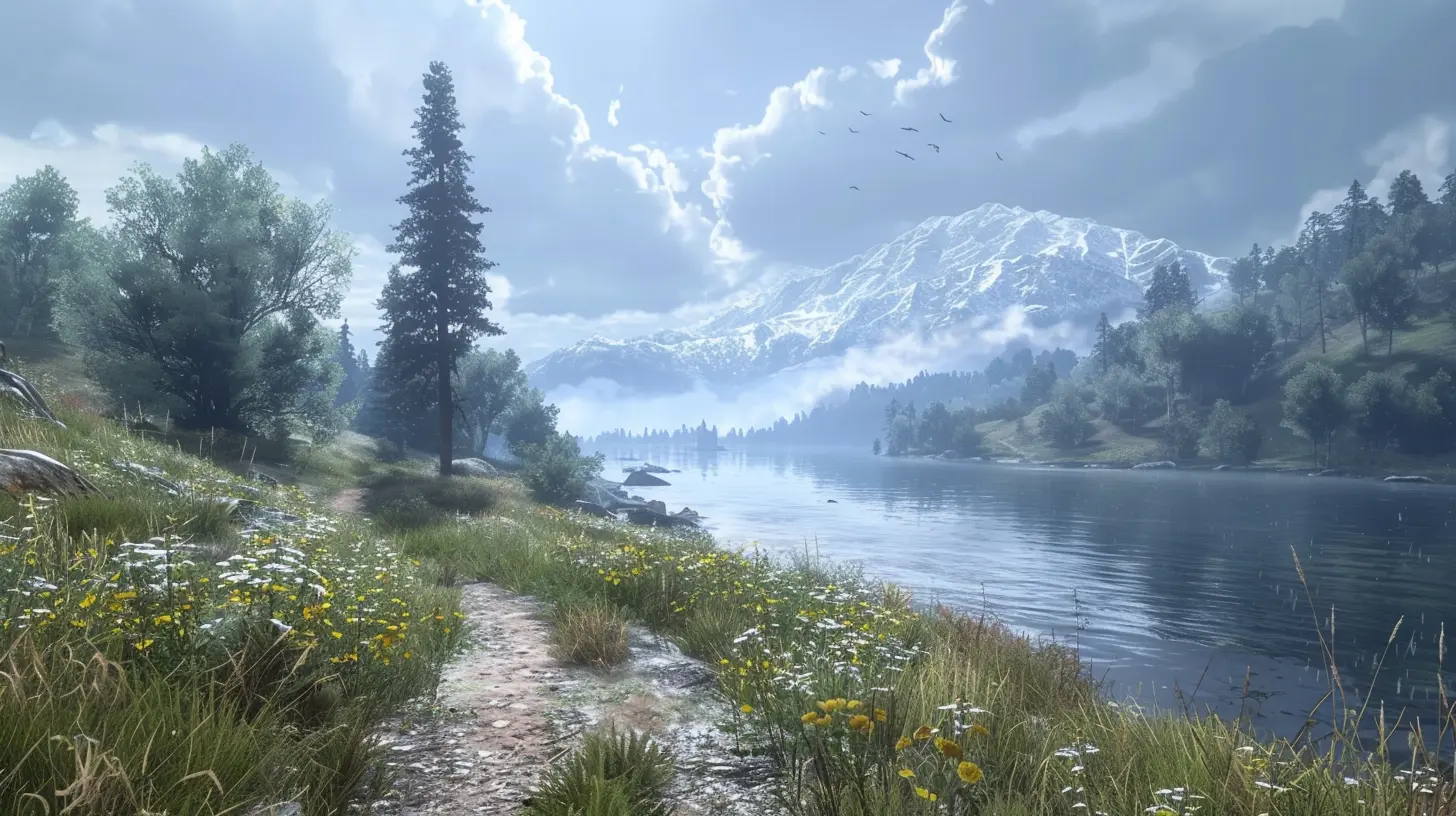
The Thrill of the Unknown
You know that feeling when you step into a brand new place, real or virtual, and you have no idea what’s waiting around the corner? That’s the spark that fuels every great gaming adventure. Whether it’s your first trek across Hyrule, your maiden voyage into No Man’s Sky, or your initial steps out of Vault 101, there’s something unforgettable about the beginning.The beauty of first-time exploration isn’t just about geography—it’s about discovery. It’s not only “Where can I go?” but also “What can happen?” That’s what makes a game world feel massive, even if it's not technically the biggest map out there.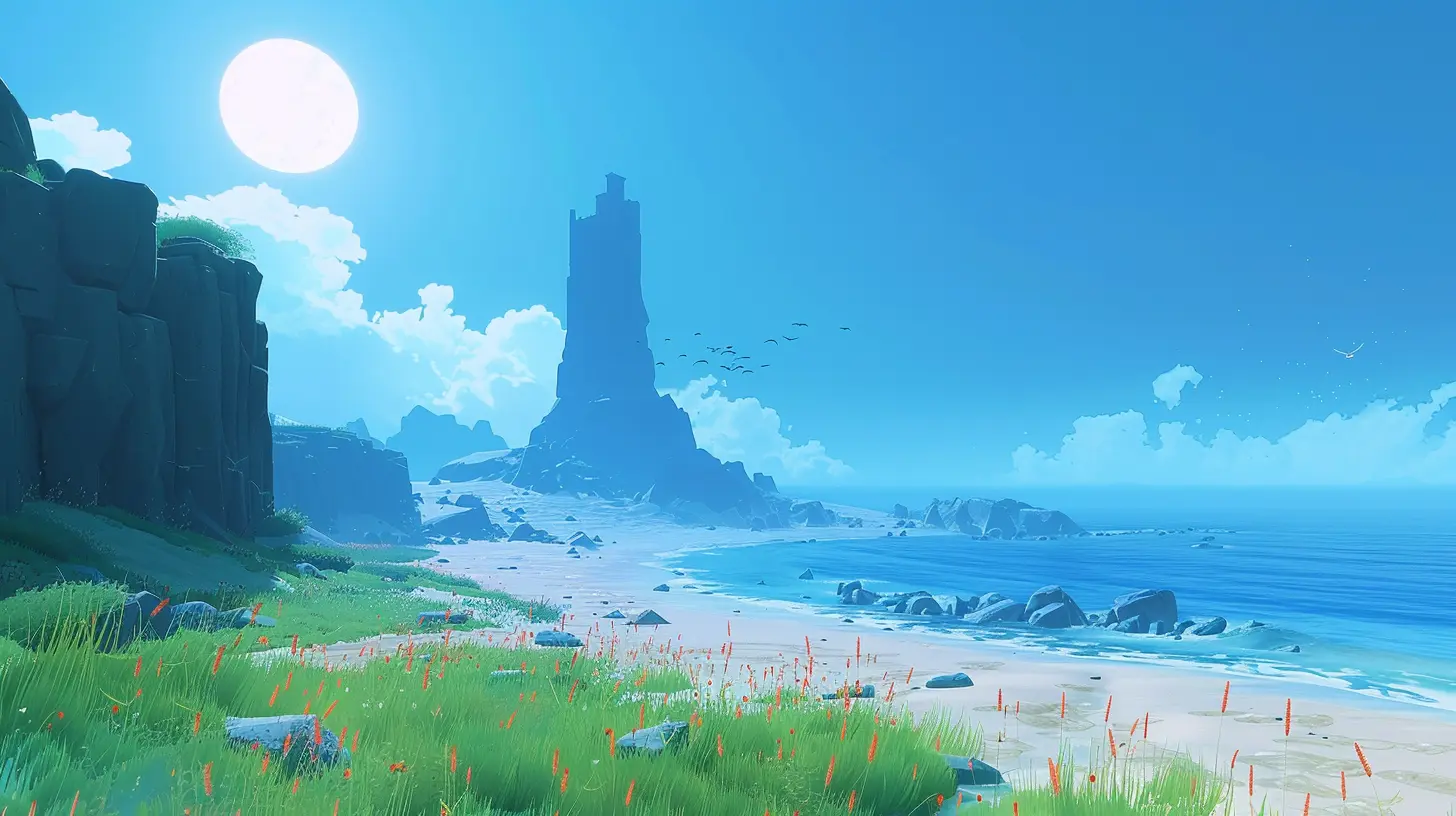
What Makes a Game World Feel "Big"?
Let’s clear something up right away: Big doesn’t always mean better. We've all played games where the map is the size of Montana but feels emptier than your fridge on a Sunday night. So what gives? What actually makes a game world feel immersive, expansive, and capable of truly getting lost in?1. Density Over Distance
A sprawling map is cool, but if it’s all repetitive terrain and cookie-cutter towns, it's just... a long walk. The best games fill their world with stuff. Unique landmarks, dynamic events, hidden stories—these make the world feel alive.Remember Red Dead Redemption 2? Sure, it's huge. But it's the random encounters, the realistic wildlife, the weather changes, and overheard conversations that make every inch worth exploring.
2. Freedom to Roam
Nothing kills the vibe faster than invisible walls and locked doors. A game world feels bigger when it gives you the freedom to go anywhere and do anything, even if you’re not “supposed” to go there yet. Skyrim, anyone? Jumping over mountains you shouldn’t climb just to see what’s on the other side. That freedom is gold.3. Surprise Elements
When a world surprises you—whether it’s a cave tucked behind a waterfall or a side quest that changes your moral compass—it earns your attention. Games like Elden Ring or The Witcher 3 hide stories in every nook and cranny. It’s those “Whoa, what is this place?” moments that truly make you feel lost... in the best way possible.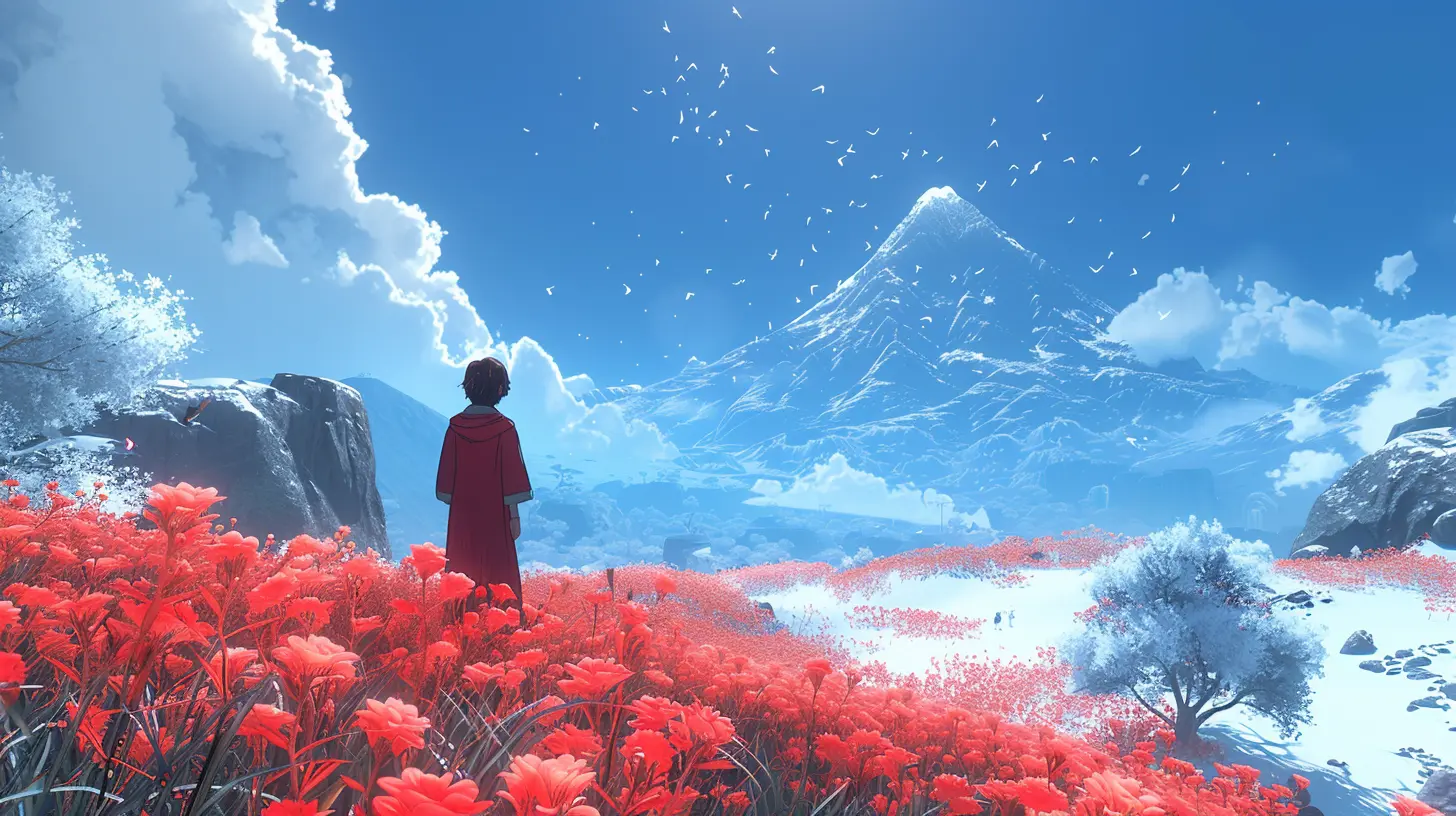
First-Time Exploration: A Personal Journey
Let me take you back to a moment. My first time playing Breath of the Wild. I stood on the edge of the starting plateau, looking out at the vast green landscape below. No waypoints. No instructions. Just a whisper of adventure and a burning curiosity.I didn’t sprint to the main quest. I wandered. I found a strange rock formation, chased butterflies, climbed something just to see if I could. And you know what? I got lost. Not because I didn’t know where I was—but because I didn’t care where I was going.
That’s what a great game world does. It makes the journey more important than the destination.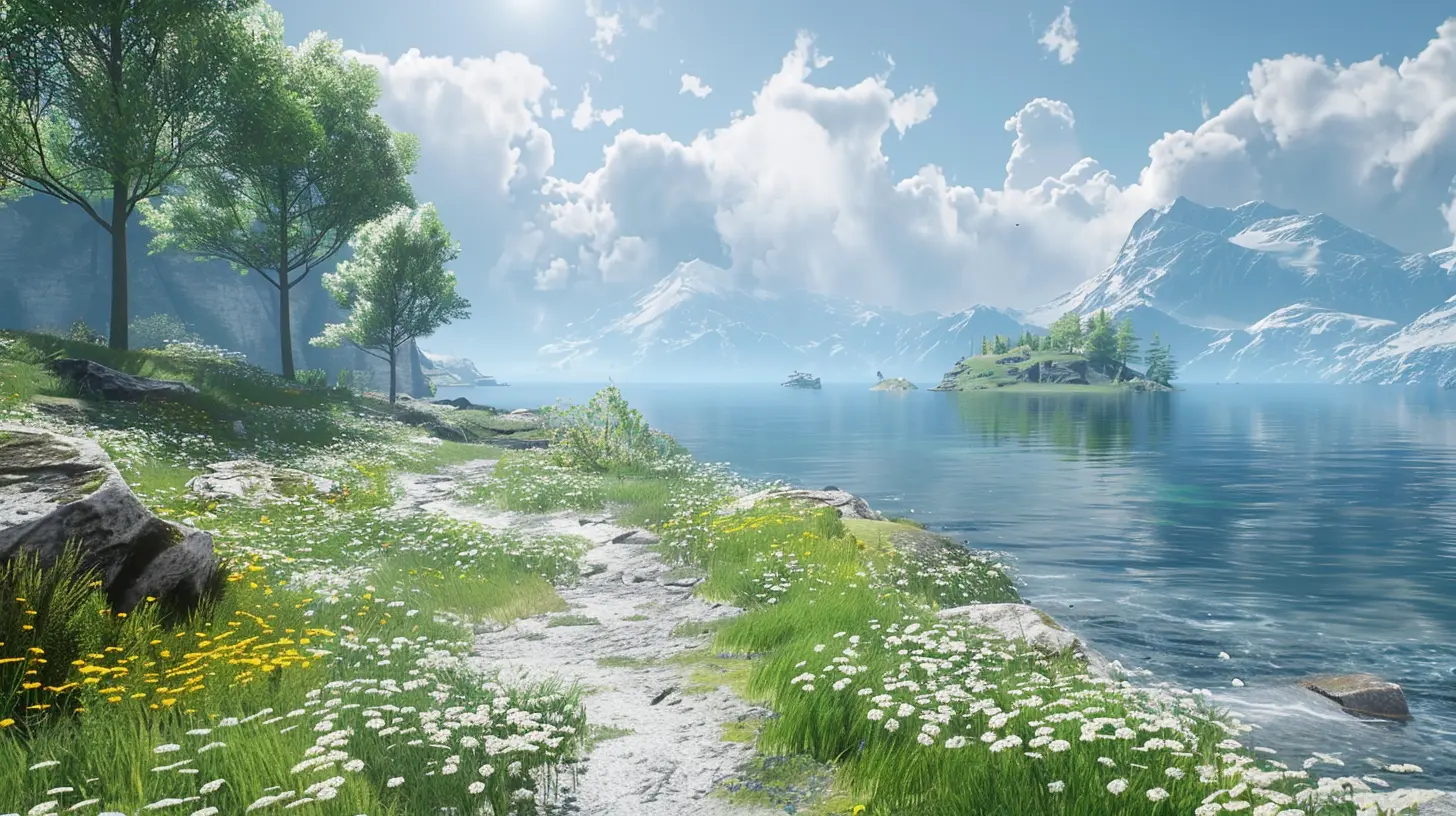
Getting Lost Isn't About Location—It's About Emotion
When we ask if a game world is big enough to get lost in, we’re not just talking about square footage. We’re talking about emotional space. Can it pull you in? Make you forget time? Can it overwhelm you in the best way, the way real life sometimes does when you travel to a new city or hike through a thick forest?Games are powerful like that. They create places where time bends and curiosity reigns. You don’t just play them—you live in them.
Think About This:
- Have you ever paused to just… look at the sky in-game?- Have you followed a trail just because it looked interesting?
- Have you stumbled into a quest you didn’t even know existed?
If yes, then you’ve been lost—in the glorious, immersive sense of the word.
The Impact of Next-Gen Worlds
With advancements in technology, the idea of exploration has reached wild new heights. Games are not just bigger, but smarter. AI-driven NPCs, reactive environments, seamless loading—it’s all designed to keep you engaged and curious.Take Starfield, for example. A literal galaxy awaits, but it's not just about hopping from planet to planet. It’s about finding meaning in the details. Even in a vacuum of space, the sense of scale and opportunity can make you feel small in a way that’s oddly satisfying.
But Here's the Catch…
Bigger worlds require more careful design. Without thoughtful storytelling and meaningful encounters, even the largest universe can feel empty. Developers have caught on. They’re now mixing smart storytelling with massive scope, crafting worlds that not only look good but feel good.You Don't Need a Compass—You Need a Heartbeat
The best explorations aren’t scripted. They’re felt. They happen in the quiet moments, when the music fades, and you decide which way to walk. Maybe it leads to treasure. Maybe it leads to danger. Or maybe it just leads to a beautiful sunset over pixelated mountains.And that’s enough.
Worlds that let you create your own story, wander at your own pace, and stumble into your own adventures... those are the ones you remember years later.
So, is the world big enough to get lost in?
Absolutely. If it makes you curious, if it rewards your wandering spirit, if it keeps you coming back just to see what’s behind the next hill—then yes. It doesn’t matter how big the map is. What matters is how big your experience feels inside it.
Final Thoughts: Let Yourself Get Lost
The magic of gaming isn’t about ticking off objectives or racing to the end. It’s about living in a space—if only for a little while. It’s about finding meaning in the meaningless corners, joy in the detours, and wonder in the unknown.So next time you download that open-world title and start fresh, don’t worry about fast traveling or guidebooks.
Just walk. Just look. Just lose yourself.
And who knows? You might find something unforgettable.
Bonus: Games That Nail First-Time Exploration
If you’re craving that “first time” feel again, here are a few gems that absolutely deliver:- The Legend of Zelda: Breath of the Wild – A masterclass in organic exploration.
- Elden Ring – Brutal, beautiful, and breathtakingly mysterious.
- The Witcher 3: Wild Hunt – Deep lore, rich storytelling, endless side quests.
- Skyrim – The iconic sandbox for adventurers.
- Subnautica – Explore the ocean with curiosity and caution.
- Minecraft (Survival Mode) – Build, explore, and survive on your terms.
- Outer Wilds – Time-loop storytelling like you’ve never seen.
- Red Dead Redemption 2 – The wild west has never felt so alive.
Each of these offers something special. Each has the power to make you lose track of time, space, and sometimes, yourself.
all images in this post were generated using AI tools
Category:
First ImpressionsAuthor:

Tayla Warner
Discussion
rate this article
2 comments
Tyler Duke
Exploration in gaming mirrors life—vast worlds invite us to lose ourselves, yet true discovery arises from within, not just geographical expanse.
January 25, 2026 at 5:37 AM
Tayla Warner
You've captured the essence perfectly. The journey inward often reveals the most profound discoveries, whether in games or in life.
Kade Strickland
Exploring vast virtual worlds can be a thrilling adventure! Embrace the journey of discovery, where every twist and turn offers new surprises. Remember, getting lost can lead to the most memorable experiences. Dive in and enjoy the exploration!
January 23, 2026 at 3:45 AM
Tayla Warner
Thank you! I'm glad you resonate with the thrill of exploration. Indeed, getting lost can lead to unforgettable discoveries!