Replay Value in Old Games vs. Modern Titles
22 March 2026
Let’s be real: how many times have you booted up a classic game from the '90s and lost track of time? Now, think about that flashy modern AAA title you just spent $70 on—how long did it really keep your attention? This is where things get interesting. We're comparing replay value in old games vs. modern titles, and trust me, it's not as cut-and-dried as you might expect.
So, buckle up as we dive deep into what makes us keep pressing "New Game" over and over again—whether it's pixelated nostalgia or next-gen visuals.
What Is Replay Value, Anyway?
Before we start pointing fingers, let’s define the elephant in the room.Replay value (or replayability) is just a fancy way of asking: “Would I play this again?” It measures how much a game can keep pulling you back in even after you’ve seen the credits roll. Maybe it’s the story, the gameplay mechanics, or secret endings. Heck, sometimes we just want another go because it was that much fun.
But the big question is: Why do older games often seem to have more replay value than modern ones?
Grab your controller—this is where it gets good.
The Golden Age: Why Old Games Still Stick
Let’s take a trip back to the NES, SNES, PlayStation 1 era—where cartridges reigned supreme, memory cards were a luxury, and cheat codes were your best friends.1. Simple Mechanics, Deep Gameplay
Back then, technology was limited. No massive open worlds or endless cutscenes. Developers had to get creative—and boy, did they deliver.Look at games like:
- Super Mario Bros.
- The Legend of Zelda: A Link to the Past
- Castlevania: Symphony of the Night
These games were simple to pick up, but they took hours (or even days) to truly master.
Why does this matter? Because when gameplay is king, you’re more likely to jump in “just one more time.” These titles were built to be played over and over again, not just watched once and shelved.
2. Challenge Was the Point
Let’s be honest: old games were hard. Like, rage-quit and throw-your-controller-at-the-wall hard.But here’s the catch—that difficulty was part of the fun. You kept playing to get better, to beat that boss, to finally make it to level 8-4.
The reward wasn’t flashy cinematics; it was mastery.
3. Unlockables and Secrets Were Earned, Not Bought
Another gem from the past—unlocking content wasn’t tied to microtransactions or season passes.Remember hunting for every gem in Crash Bandicoot? Or unlocking alternate endings in Chrono Trigger?
Replay value was baked into the game design. You had to actually play to find all the goodies.
4. Local Multiplayer Was a Game-Changer
Couch co-op and split-screen battles made old games something you could enjoy endlessly with friends. No internet? No problem.Think: GoldenEye 007 or Mario Kart 64. Those experiences were unique and often impossible to replicate.
The Modern Age: Are New Games Just One and Done?
Fast forward to today’s gaming landscape. Graphics have reached near-photorealism. Stories are deeper. Worlds are bigger. And yet, somehow… we often don’t finish what we start.So what’s the deal?
1. Cinematic Games That Feel Like Movies
Don't get me wrong—I love a good story. But a lot of modern games feel more like you're watching than playing. While titles like The Last of Us or Red Dead Redemption 2 are breathtaking, once the narrative is done, so is your motivation to come back.It's like watching a great movie. Would you watch it again next week? Maybe. But would you watch it 10 times like you played Street Fighter II? Probably not.
2. Too Many Open Worlds, Not Enough Substance
Open-world fatigue is real. Yes, it's cool that your character can climb every mountain and pet every dog, but if the world feels empty or repetitive, the magic wears off quickly.Big doesn’t always mean better. Sometimes it just means… boring.
3. Microtransactions & Battle Passes: The Replay Killers?
Modern games often use monetization models like battle passes and grindy unlock systems. They extend playtime—but not always in a fun way.You're not replaying because you want to. You're replaying because the game demands it.
That’s not replay value. That’s a second job.
4. Too Much Choice, Not Enough Time
With hundreds of new games launching every month (thank you, digital stores), players often bounce from title to title without sticking around.Remember when you got one game for your birthday, and you played it a hundred times because it was your only game? Now, our libraries are overflowing, and it's hard for any single game to keep our attention for long.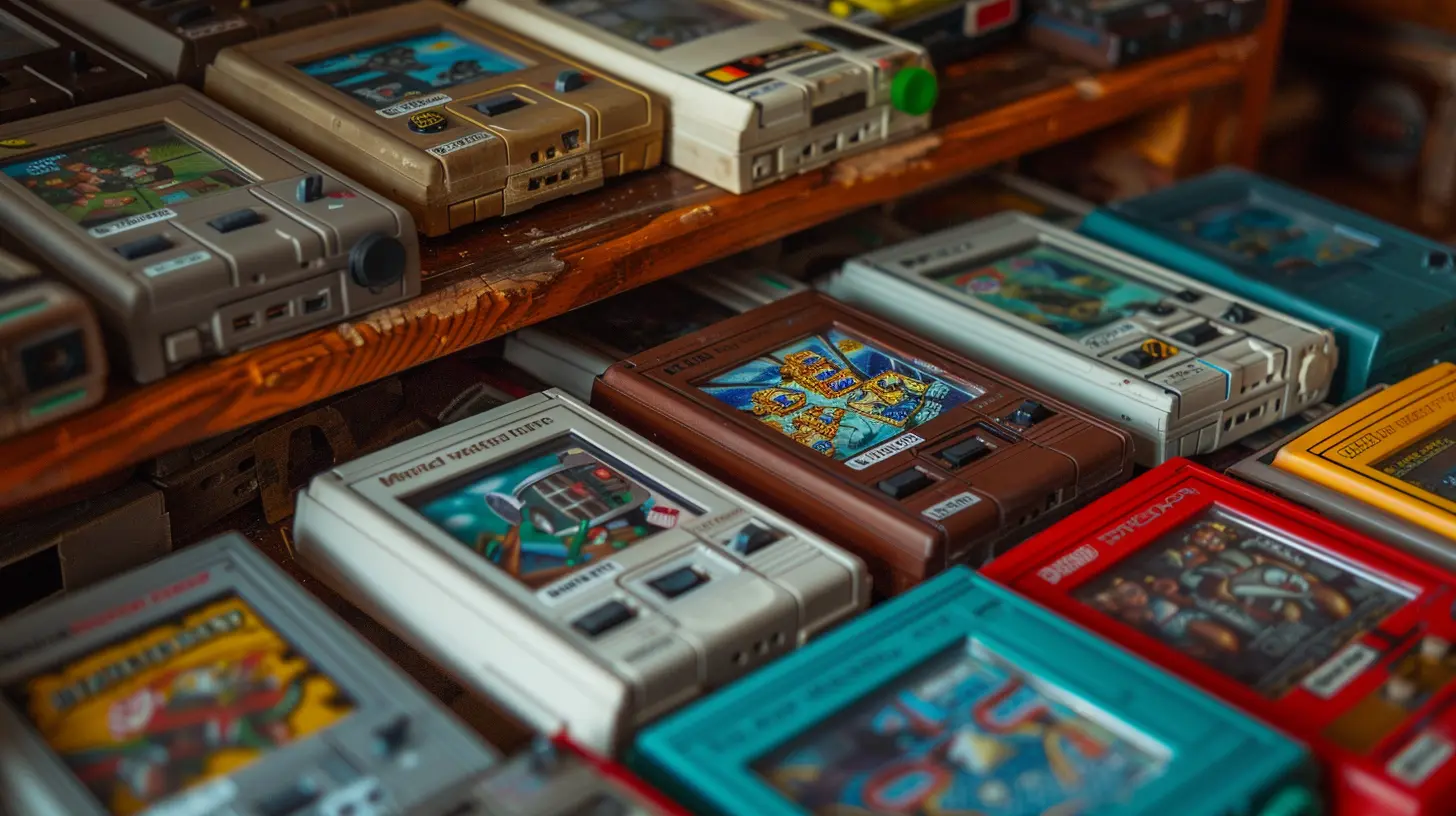
Where Modern Games Shine (Yes, They Have Their Moments)
We’re not here to hate on modern titles. Plenty of them smash replay value out of the park.1. Roguelikes and Procedural Generation
Games like Hades, Dead Cells, and Returnal show that modern titles can offer endless replayability. Every run feels fresh, and you’re always chasing that perfect playthrough.2. Modding Communities Rock
Skyrim, anyone?Mod support can stretch a game’s life far beyond what the original developers imagined. Players creating new quests, textures, tools, and characters keeps things spicy long after release.
3. Live Service Done Right
Hear me out—some live-service games like Fortnite or Destiny 2 keep players coming back with seasonal content, events, and updates. When managed properly, this model can absolutely add replay value.(But again, "when managed properly" is doing a lot of heavy lifting here.)
Old-School Charm vs. Modern Marvels: Which Is Better?
It comes down to this:Old games made you want to replay. Modern games often make you feel like you have to.
That’s the key difference.
The replay value of retro titles often stemmed from pure fun, challenge, and curiosity. Modern titles, while beautiful and deep, sometimes forget that great gameplay is what keeps players coming back—not just a trophy list or loot grind.
But hey, maybe that’s the beauty of it. Old and new each have their strengths:
- Want a short, punchy gameplay loop that’ll suck you in for hours? Hit up the classics.
- Looking for a rich, immersive experience with jaw-dropping visuals and storytelling? Fire up that next-gen masterpiece.
Tips to Boost Replay Value in Any Game
Whether it’s an old cartridge or a new digital download, here are some ways to squeeze more fun out of your games:- Self-imposed challenges: Beat the game with just a basic weapon. No upgrades. No healing.
- Try speedrunning: Even casually. It changes how you view levels.
- Multiplayer modes: Even games with average campaigns can shine when played with friends.
- Mods and community content: Extend the life of your favorite titles.
- Roleplay different characters: Make choices you wouldn’t usually make.
Sometimes, the fun isn’t in what the developers created—it’s in how you play it.
Final Thoughts: The Replay Value Verdict
Let’s not sugarcoat it—replay value isn’t what it used to be. Modern titles have all the bells and whistles but sometimes lack the soul of older games that just clicked gameplay-wise.That said, both eras bring something to the table. The best approach? Don’t choose one over the other. Dive into both. Revisit those classics and explore today’s gems. Because at the end of the day, replay value lives where the fun is—and fun is timeless.
So, what’s one game you could play over and over without getting bored?
Think about it. Then go play it. Again.
all images in this post were generated using AI tools
Category:
Gaming NostalgiaAuthor:

Tayla Warner
Discussion
rate this article
2 comments
Henry McLanahan
Replay value is rooted in timeless gameplay mechanics and engaging narratives, whether in classic titles or modern games. While nostalgia fuels old games, innovative designs and evolving technology in new releases often enhance replayability. Ultimately, it's the player's connection to the experience that determines lasting appeal, transcending time and trends.
April 1, 2026 at 3:47 AM
Tayla Warner
Absolutely! The essence of replay value lies in both timeless gameplay and compelling narratives, whether from nostalgic classics or innovative modern titles. Player connection truly defines lasting appeal.
Quade Kline
Great read! It’s fascinating to explore how replay value has evolved in gaming. Old classics and modern titles each offer unique experiences worth cherishing!
March 29, 2026 at 2:30 PM
Tayla Warner
Thank you! I'm glad you enjoyed it. The evolution of replay value truly highlights the richness of gaming across eras!