Why Not All Screen Time is Created Equal
21 August 2026
Let’s be real for a second—screens are everywhere. Phones, computers, tablets, TVs, even that smart fridge in the kitchen. In today’s digital world, we spend hours glued to screens. Whether we're gaming, binge-watching a show, or scrolling through socials, screen time is a massive part of our daily routine.
And sure, screen time gets a bad rap, especially when it comes to kids, teens, and even us full-grown adults. But here’s the twist: Not all screen time is bad, and more importantly, not all screen time is created equal.
Let’s dive into what makes screen time “good” or “bad,” and why playing your favorite video game might actually be doing more good for your brain than mindlessly watching videos of cats pushing things off shelves (as therapeutic as that might be sometimes).

Wait, Isn't Screen Time Just... Screen Time?
Nope, not even close.Imagine this: You sit at your desk watching back-to-back reality TV shows for four hours. Compare that to someone else spending the same amount of time designing a game level in Minecraft or solving brain-busting puzzles in Portal 2. Both involve screens, but those experiences? Worlds apart.
Just like food—where a salad and a double cheeseburger are technically both “meals”—not all screen time fuels your mind the same way. Context, purpose, and interaction level matter a whole lot.
Breaking Down the Types of Screen Time
Let’s split screen time into a few key categories to better understand the difference:1. Passive Screen Time
This is the couch-potato version. You just sit, stare, and consume. Think:- Watching TV or YouTube videos
- Scrolling through Instagram mindlessly
- Bingeing a show for 10 straight hours (no judgment, just observation)
This type of screen time doesn’t require much from you except your eyeballs.
2. Active Screen Time
This one’s got your brain working. Active screen time can include:- Playing video games that involve strategy, problem-solving, or cooperation
- Creating digital art or composing music
- Learning a skill through an interactive app
Here, you’re not just watching—you’re doing something. Your brain’s in gear, fingers are flying, and you’re actually learning or creating.
3. Educational or Purpose-Driven Screen Time
This is screen time with a mission. It’s the good stuff when you’re:- Learning how to code using apps or online classes
- Exploring the universe with a science simulator
- Playing educational games that sharpen math, logic, or language skills
It’s the smoothie of screen time: nutritious, brainy, and still kinda fun if flavored right.

Gaming: The Underdog Hero of Smart Screen Time
Now let’s talk about video games—because let’s be honest, they often get unfairly tossed into the “bad screen time” pile. But here's what most people miss: gaming can be one of the most active, engaging, and even educational forms of screen use out there.Playing Isn’t Just Playing—It’s Problem Solving
Many games demand critical thinking, lightning-fast decision-making, and creativity. Ever tried to beat a boss in Dark Souls? That’s like running a mental marathon with a sword. Games like Portal and The Witness turn your brain into a logic factory.Even fast-paced games like Overwatch or Apex Legends develop hand-eye coordination, strategic thinking, and cooperation. You’re making tactical decisions on the fly, communicating with teammates, and adapting to fast-changing situations.
Games Teach Real-World Skills (No, Seriously)
You might not be swinging a pickaxe in real life like in Minecraft, but games can teach legit life skills:- Teamwork – Multiplayer games often involve communication, collaboration, and leadership
- Time Management – Managing quests, skill trees, and resources? That’s strategic planning, baby
- Perseverance – Failing a mission and trying again builds resilience
Some schools even use games like Minecraft Education Edition to teach history, science, and engineering. Yep—there’s actual learning happening on those pixelated blocks.
Social Connection in a Digital Playground
One of the biggest misconceptions about gamers is that they’re isolated. But in truth, gaming can be one of the most social digital experiences.From co-op games with friends to Discord chats, online games can help build friendships and keep people connected, especially when face-to-face isn’t doable. During the pandemic, for many people, gaming was a lifeline of connection.

Screen Time Myths That Need To Log Off
Let’s bust a few myths that still hang around like lag in a bad Wi-Fi connection:Myth #1: All Screen Time is Addictive and Harmful
Yes, excessive use can be a problem—but moderation and intention are key. It’s not about the screen itself but what you do with it. You don’t blame books if someone reads all day without sleeping, right?Myth #2: Games Make People Violent
This old argument has been debunked more times than a bad Reddit theory. Most research shows no direct link between video games and violent behavior. In fact, many games promote empathy, storytelling, and cooperation.Myth #3: Only Kids Need to Worry About Screen Time
Adults, we’re not off the hook. We spend hours on work emails, social media, and YouTube “just for one video” rabbit holes. Being mindful about how we interact with screens matters for everyone.How to Use Screen Time Wisely (Without Sucking the Fun Out of It)
Alright, so we know screen time isn’t automatically evil. But how do you strike the right balance?1. Purpose Over Passivity
Ask yourself: "Am I learning something? Creating something? Engaging with someone?" If yes, you’re likely getting the good kind of screen time.2. Mix It Up
Switch between different types of screen activities. Go from gaming to learning a new skill or watching a documentary. Keep your brain engaged in different ways.3. Know When to Hit Pause
Even the best types of screen time need breaks. Take time to stretch, go for a walk, touch some grass—literally. Your eyes and brain need rest, too.4. Make It Social
Use screen time to connect. Play co-op games, join online communities, or hop in a call. Digital world doesn’t have to mean isolated world.
Parents, This One’s For You
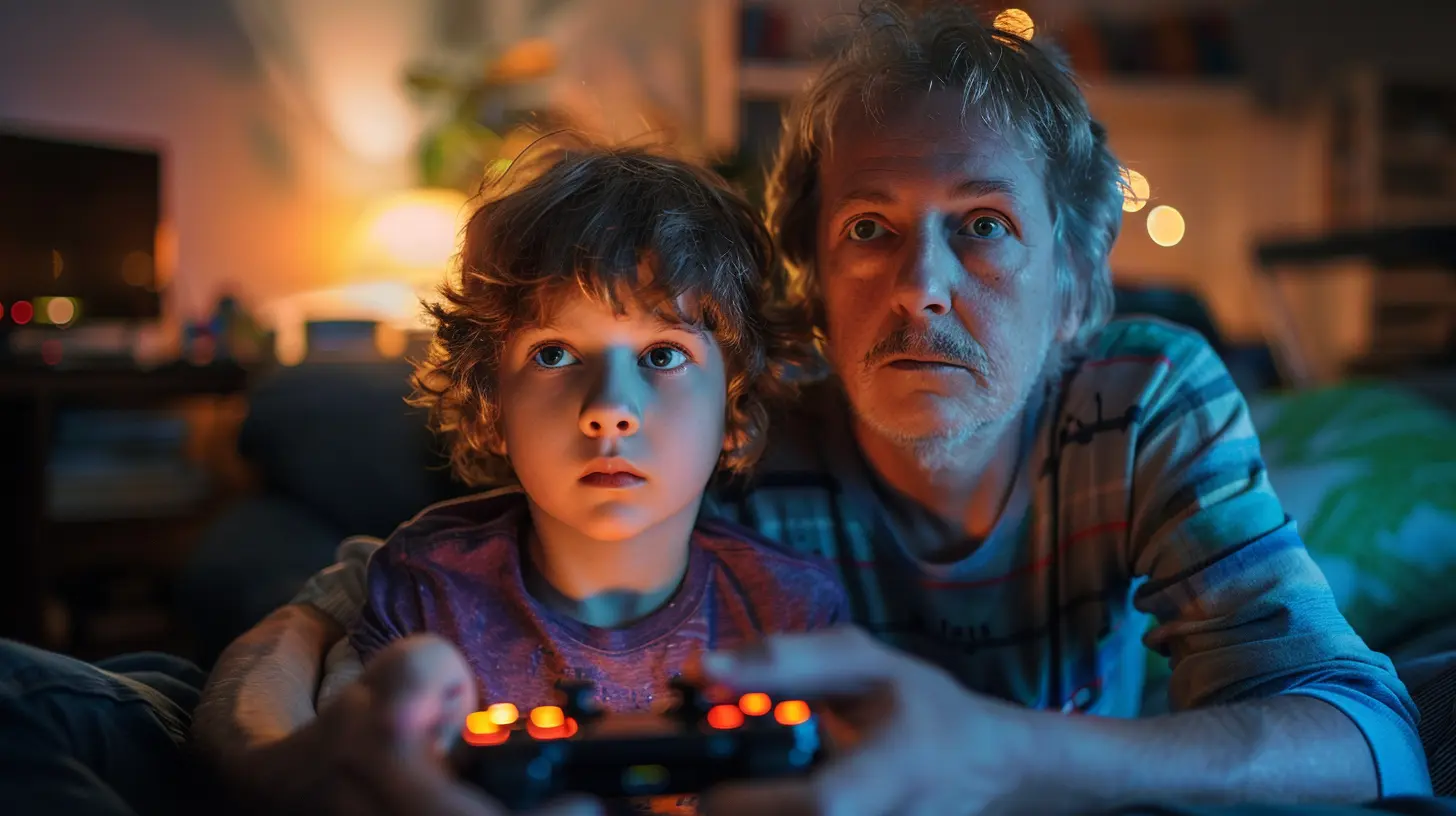
Worried about your kid’s screen time? Totally valid. But instead of banning screens completely, get curious about what they’re actually doing.Are they being creative? Are they socializing? Are they thinking critically? Watch them play. Ask them about their favorite games. Heck, join them for a co-op session.
Setting healthy boundaries matters—but so does understanding the value of what they’re doing online.
Screen Time Is a Tool, Not a Villain
Bottom line? Screen time isn't the enemy. It’s a tool—a ridiculously powerful one. What matters most is how we use it.We wouldn’t say that reading is bad just because someone reads trashy tabloids all day. Same with screens! If you’re using them to connect, learn, create, and build skills—then you’re doing just fine. And sometimes yes, zoning out with a silly video or epic RPG session is exactly what the brain needs.
So, the next time someone comes at you with the “screen time is evil” speech, you’ve got the facts—and the game controller—to prove otherwise.
TL;DR? (Too Long; Didn't Respawn)
Not all screen time is created equal. There’s a world of difference between passive scrolling and gaming that challenges your brain, teaches real skills, or helps you connect with others. Video games, in particular, can be some of the smartest, most interactive screen time out there. The key? Be intentional, mix it up, and don’t forget to take the occasional break from pixels.So, game on—smartly.
all images in this post were generated using AI tools
Category:
Parental Guide To GamesAuthor:

Tayla Warner