Games That Tackle Mental Health Through Powerful Stories
23 June 2026
Let’s face it—mental health is tough to talk about. It’s personal, emotional, and, sadly, often misunderstood. But here’s the twist: some video games are doing what textbooks and self-help blogs sometimes can’t. Yep, I'm talking about games that tackle mental health through powerful stories—ones that hit you right in the feels, make you reflect, and maybe even help you heal just a tiny bit.
You may not think of a game controller as a tool for emotional growth, but more and more developers are using interactive storytelling to dive deep into anxiety, depression, trauma, and other mental struggles. These aren’t just digital pastimes—they’re emotional journeys, and honestly, they might give you a whole new perspective on mental health.
So grab your favorite drink, get comfy, and let’s dive into some of the most compelling games out there that are turning pixels into powerful conversations.
Why Video Games Are a Surprisingly Perfect Medium for Mental Health
Okay, stay with me here. I know some people think of video games as just “shoot-em-ups” or “time-wasters.” But picture this: you're not just watching a story unfold—you’re in it. You control the character, make decisions, and feel the weight of their world. It’s like therapy with a joystick.Unlike movies or books, video games are immersive. They demand your attention. And that’s exactly why they’re so good at tackling mental health themes in a raw, honest, and often even therapeutic way.
1. Hellblade: Senua's Sacrifice – A Journey Through Psychosis
Let’s kick things off with a game that doesn’t pull punches—Hellblade: Senua’s Sacrifice.In this game, you step into the mind of Senua, a Celtic warrior dealing with psychosis. Yup, actual visual and auditory hallucinations, paranoia, and overwhelming trauma. And it’s all represented not as a horror trope, but with empathy and care.
The developers at Ninja Theory even worked with neuroscientists and people who experience psychosis to make it as accurate as possible. You’ll constantly hear voices whispering around you. You’ll question what’s real. Sounds intense, right? That’s kind of the point.
Hellblade doesn’t just “include” mental illness—it puts you right in the middle of it.
Key Takeaways:
- Realistic portrayal of psychosis- Immersive audio that puts you in Senua’s head
- Emotional storytelling that focuses on healing and strength
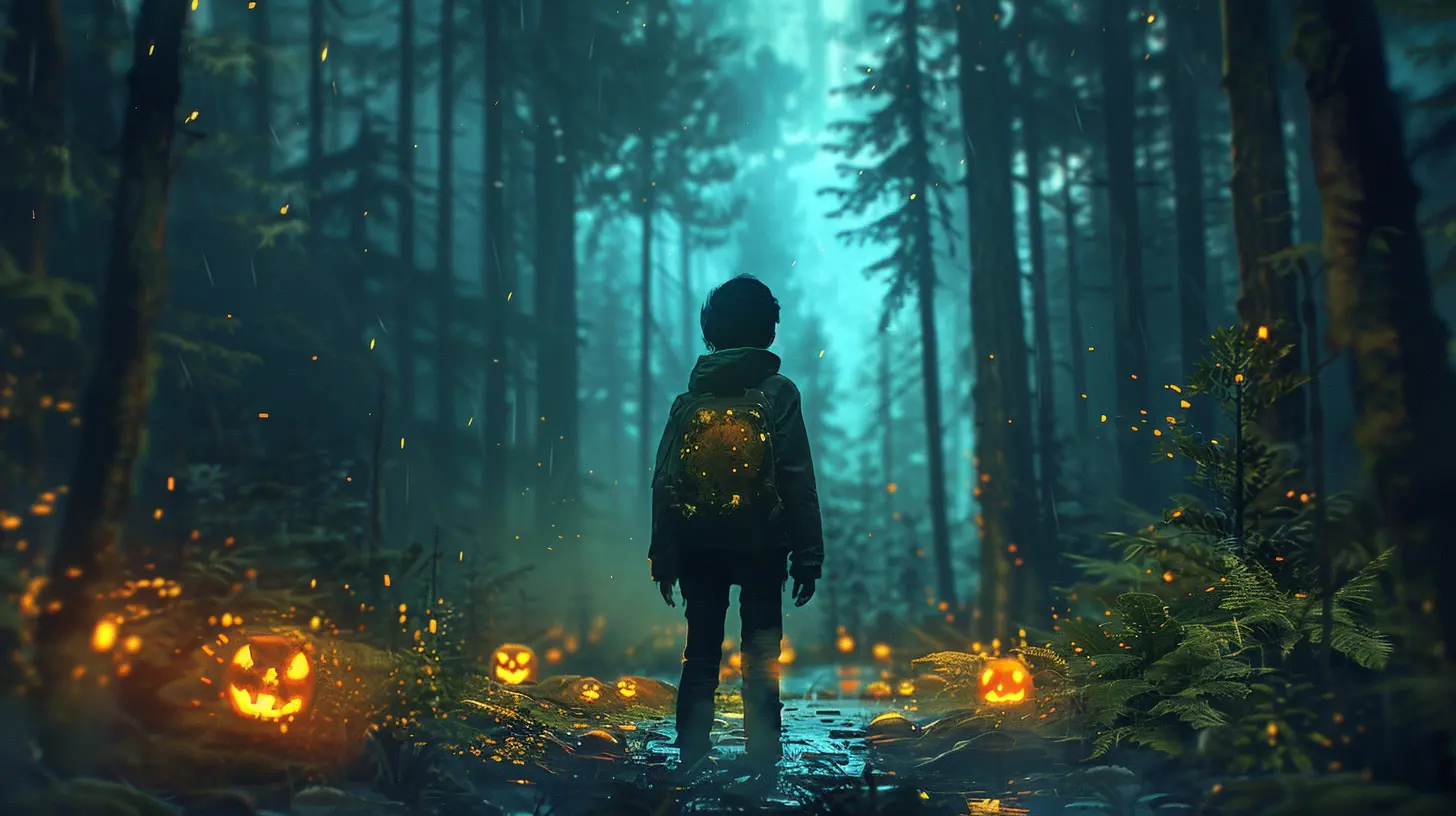
2. Celeste – Climbing Mountains, Inner and Outer
At first glance, Celeste looks like your average pixel-style platformer. But don’t be fooled—this game goes deep.You play as Madeline, a young woman climbing a mystical mountain. But the climb is more than just a physical challenge—it’s a metaphor for her battle with anxiety and depression.
Throughout the game, Madeline literally confronts a dark version of herself. Think of it like battling your inner demons—only this time, you’re using jumps, dashes, and some seriously precise timing.
What makes Celeste so brilliant is how it wraps deep emotional themes into tight gameplay mechanics. Every fall, every retry, echoes what it feels like to face mental obstacles in the real world—messy, frustrating, and absolutely worth it.
Key Takeaways:
- Reflects the struggle of anxiety and self-doubt- Encourages resilience through gameplay
- Features compassionate storytelling and character development
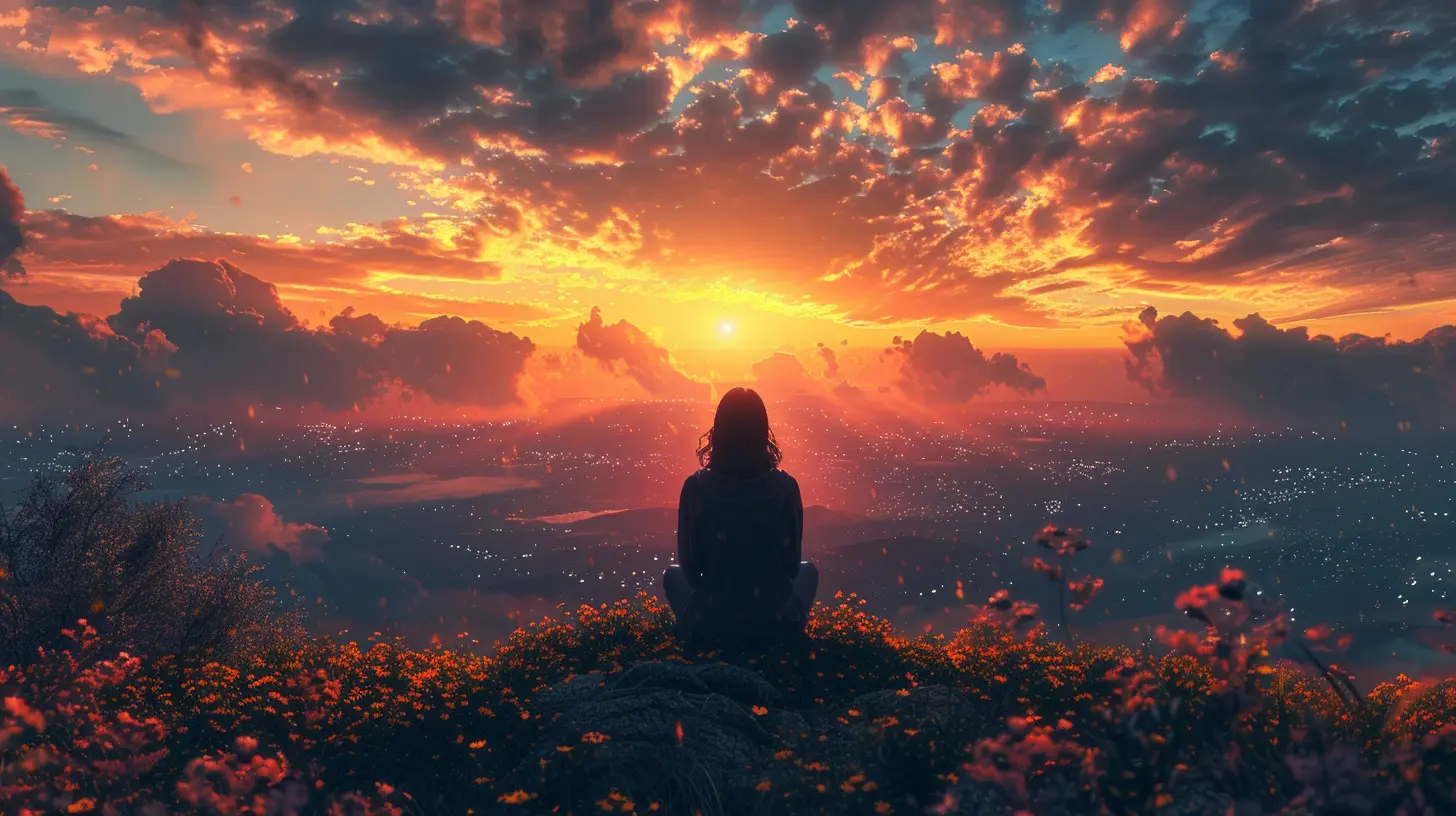
3. Life is Strange – Choices, Consequences, and Emotional Healing
When Life is Strange dropped, it didn’t just make waves—it made us cry. Like, full-on ugly cry.This episodic adventure game follows Max Caulfield, a teenage girl who discovers she can rewind time. But don’t let the sci-fi twist fool you—the real story is about friendship, trauma, and navigating the emotional minefield of growing up.
Throughout the game, you deal with serious topics: bullying, suicide, grief, and mental health breakdowns. But here’s the kicker—you decide what happens. Your choices influence how the story unfolds, which means you’re not a passive observer. You're in it. And those decisions? They stay with you.
This one’s a gut-punch in the best way.
Key Takeaways:
- Tackles complex emotional themes with nuance- Interactive storytelling that lets you shape the outcome
- Promotes empathy and understanding of teenage mental health
4. Night in the Woods – Adulthood, Depression, and Talking Foxes
Don’t let the cute cartoon animals fool you—Night in the Woods is one of the most emotionally honest games out there.You play as Mae, a college dropout returning to her small hometown after a mental health crisis. The game explores depression, depersonalization, existential dread—you know, light stuff like that.
But it’s also hilarious. And heartwarming. And real.
Conversations feel authentic, characters are layered, and the writing? Chef’s kiss. You’ll find yourself laughing one second and staring blankly at the screen the next, wondering why a raccoon character just made you question your life choices.
Key Takeaways:
- Explores depression and personal identity- Deep narrative with witty, relatable dialogue
- Balances humor with emotional depth
5. GRIS – A Wordless Journey Through Grief
Imagine a game that speaks volumes... without ever saying a word. That’s GRIS.This visually stunning platformer follows a young girl navigating a world of color—and grief. Each level represents a stage of mourning, building toward healing in subtle, symbolic ways.
There’s no dialogue. No enemies. Just exploration, beauty, and emotion. It’s the kind of game you feel in your chest. You know how sometimes you can’t explain your sadness, but you just feel it? GRIS captures that.
It’s art. Like, frame-it-on-your-wall kind of art.
Key Takeaways:
- Emotionally charged without using any text or speech- Symbolic representation of grief and recovery
- Visual storytelling that leaves a lasting impact
6. Sea of Solitude – When Loneliness Becomes a Monster
In Sea of Solitude, loneliness literally turns people into monsters. That’s not just clever design—it’s a powerful metaphor.You play as Kay, a girl navigating a flooded city while battling creatures that represent her emotional struggles, like fear, isolation, and jealousy. It might look like an action-adventure on the surface, but every monster you face is part of Kay’s inner turmoil.
As the journey unfolds, you dig deeper into her psyche and come face-to-face with the raw pain of feeling completely alone. It's haunting, in the most heartfelt way.
Key Takeaways:
- Personifies mental health struggles as monsters- Artistic visuals paired with deep emotional resonance
- Highlights the effects of isolation and self-doubt
7. Spiritfarer – Saying Goodbye Without Letting Go
If you've ever lost someone, Spiritfarer will hit you like a ton of emotional bricks.You play as Stella, a “Spiritfarer” who helps guide souls into the afterlife. It’s part management sim, part platformer, and 100% tear-jerker.
Each soul has a story. And saying goodbye to them? It’s never easy. But it’s beautiful. The game gently explores grief, closure, and what it means to love and let go.
It’s not just about death—it’s about life, too. And how we connect with people, even when it’s time to say goodbye.
Key Takeaways:
- Explores themes of grief and letting go- Encourages emotional reflection through gameplay
- Warm visuals and music that soothe the soul
Mental Health Representation Matters—A Lot
So, why do these games matter? Because they show we’re not alone. They normalize conversations about mental illness. They offer comfort, insight, and connection—all through a controller or keyboard.Mental health isn’t something you conquer like a boss fight. It's messy. It’s ongoing. And it’s deeply human.
These games don’t glamorize pain. They don’t offer easy solutions. Instead, they offer understanding—and that’s something we all need a little more of.
Final Thoughts: More Than Just Games
If you’ve ever felt anxious, depressed, lost, or just plain overwhelmed, these games might resonate with you on a deeper level. And if you haven’t? They’re still worth playing for the empathy, the story, and the perspective.Gaming isn't just about high scores or fancy graphics anymore. It’s evolving—and it’s reaching hearts. So next time someone brushes off video games as childish? Just mention how some of them quietly help save lives.
Because sometimes, hitting “Start” is the first step to healing.
all images in this post were generated using AI tools
Category:
Game StorylinesAuthor:

Tayla Warner
Discussion
rate this article
1 comments
Rayna McMaster
This article shines a light on the importance of storytelling in games. It's inspiring to see how these narratives can encourage conversations about mental health and foster understanding. Great read!
July 13, 2026 at 2:49 PM