The Evolution of Narrative in Open World Games
18 July 2026
Let’s be honest—open world games have come a long, long way since we first had the joy of running around a pixelated map with little to guide us but a compass and a dream. Today, they don’t just let us roam massive landscapes; they tell stories that make us care, laugh, cry, and sometimes question our life choices (looking at you, Red Dead Redemption 2). The evolution of narrative in open world games isn’t just a technical feat—it’s a storytelling revolution.
So buckle up, grab your digital backpack, and let’s go on a journey through how open worlds went from sandbox playgrounds to immersive narrative masterpieces.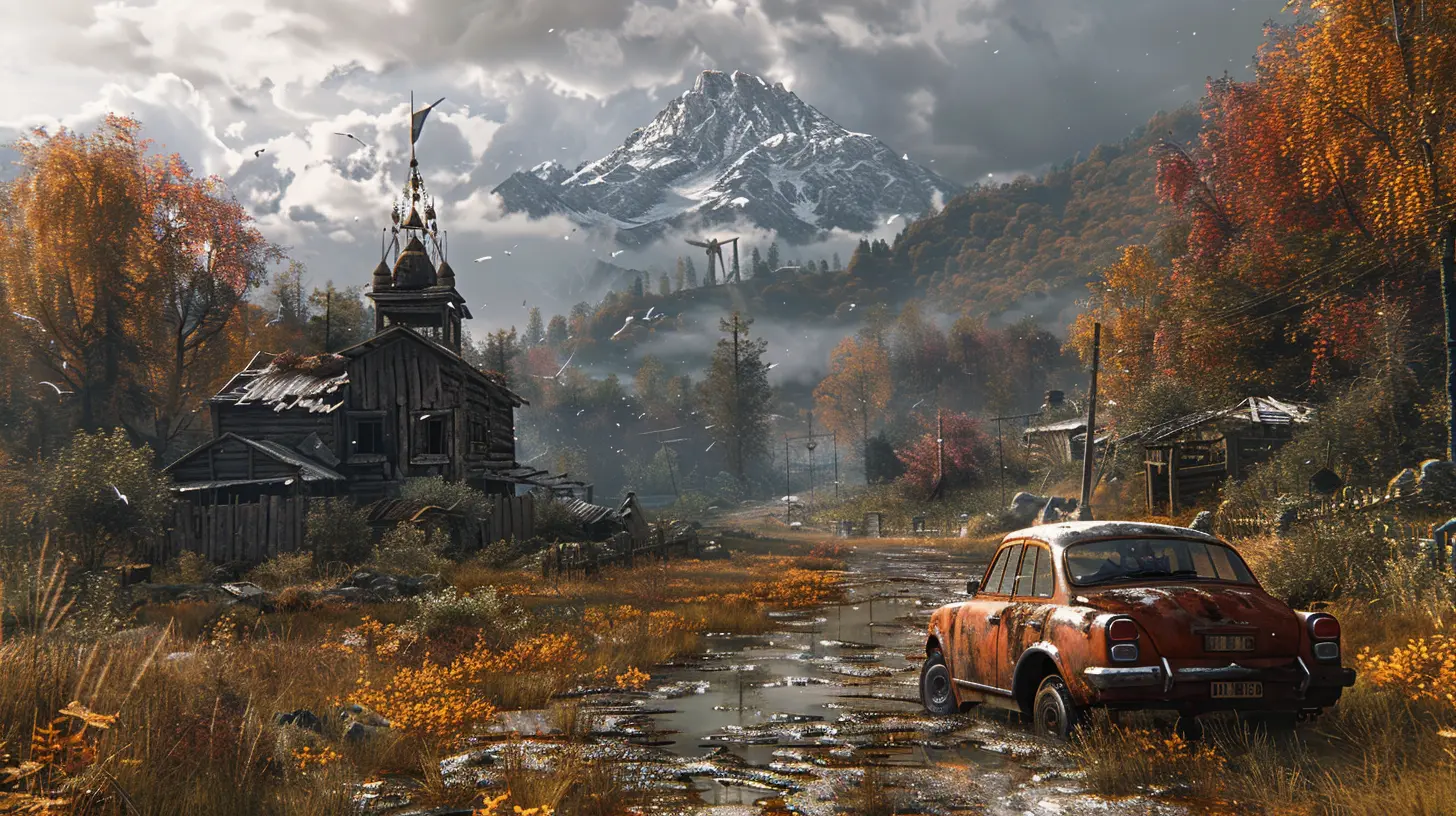
From Pixels to Plotlines: The Early Days of Open World Storytelling
Back in the day, when games like the original Legend of Zelda or Ultima were all the rage, the concept of an "open world" was pretty raw. These games had large maps and gave players a lot of freedom, sure—but the story was often thin or optional at best.Freedom Over Story
Old-school open world games focused more on exploration and mechanics than deep story arcs. You had objectives, sure, but narrative was more of a backdrop than a central focus. Think of it this way: the world was big, but the story was small. Dialogue was minimal, voice acting was non-existent, and you often had to read thick chunks of text just to get a sense of what was happening.For the most part, you were the storyteller. The game gave you a setting, a sword, and a vague mission—and then left you to it.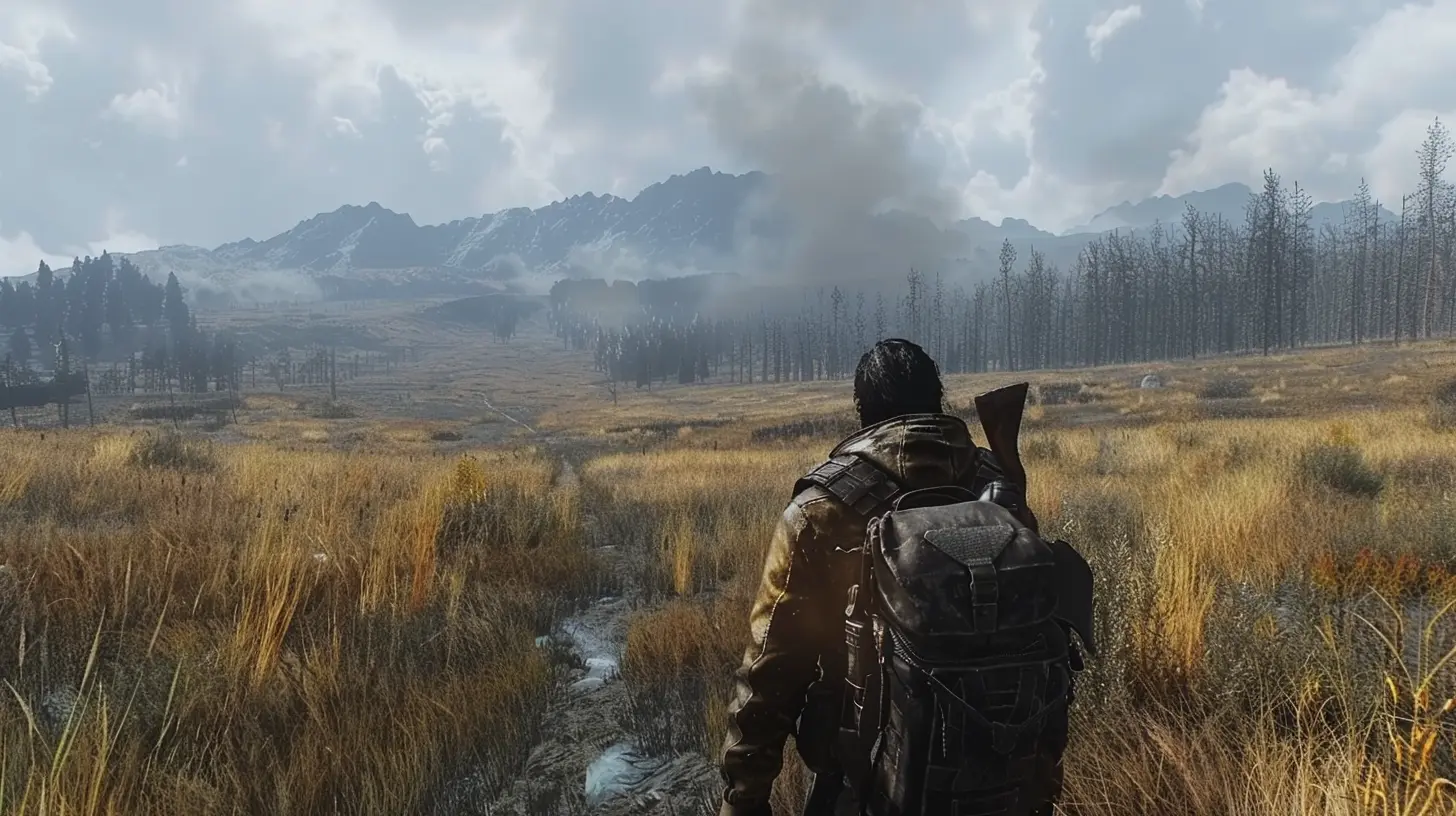
The Turning Point: When Plot Started to Matter
Then came the late '90s and early 2000s. This is when things started to shift. Grand Theft Auto III flipped the script in 2001 by giving us a sprawling world filled with quirky characters and missions tied together with an actual plot. It wasn’t just about chaos anymore—it was about context. And we loved it.Enter Voice Acting and Cinematics
Suddenly, games started to look and feel like movies. The characters talked. The cutscenes had drama. The missions built on each other to form a cohesive story. Open worlds hadn’t just grown in size—they’d grown a heart.This was a game-changer (pun absolutely intended). Developers realized that players didn't just want to wander; they wanted a reason to keep exploring. And that's when narrative depth really began to sparkle.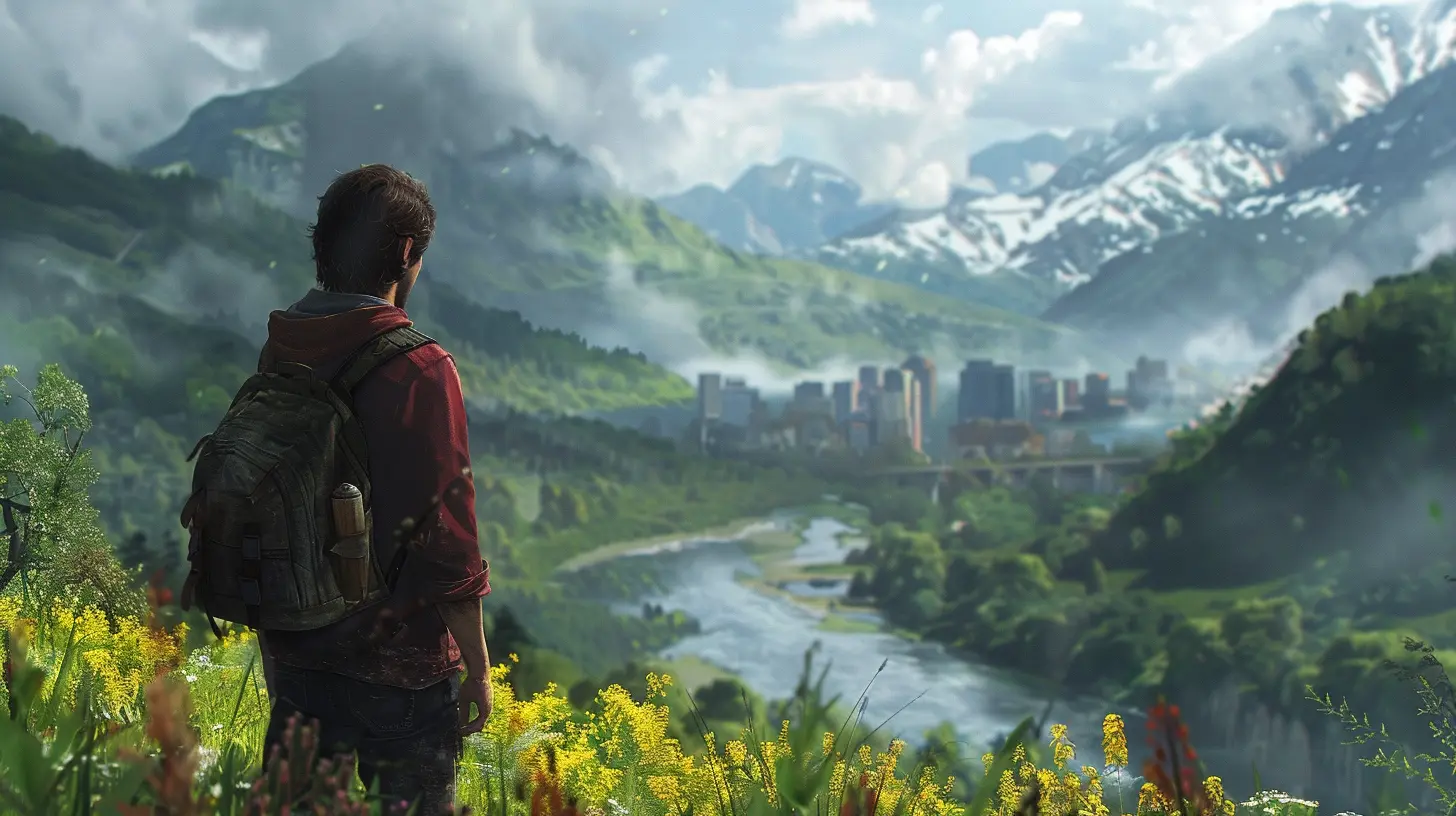
Branching Paths and Moral Choices: Narrative Meets Player Agency
Once game devs figured out how to weave a meaningful story into an open world, the next big leap was giving players the power to shape that story.Your Choices, Your Story
Games like The Witcher 3, Mass Effect, and Skyrim introduced branching narratives where the decisions you made actually mattered. Say the wrong thing to a character, and you might lose a companion or start a war. Help someone in a side quest, and it might actually alter the world later in the game.These were the moments that made us pause and think. They offered layers of narrative that reacted to us, making each playthrough unique.
Moral Gray Areas
And let's not forget the rise of moral ambiguity. Gone were the days of obvious good guys and bad guys. Now, the story nudged you to make tough calls—ones without a clear right or wrong. That emotional investment? It skyrocketed.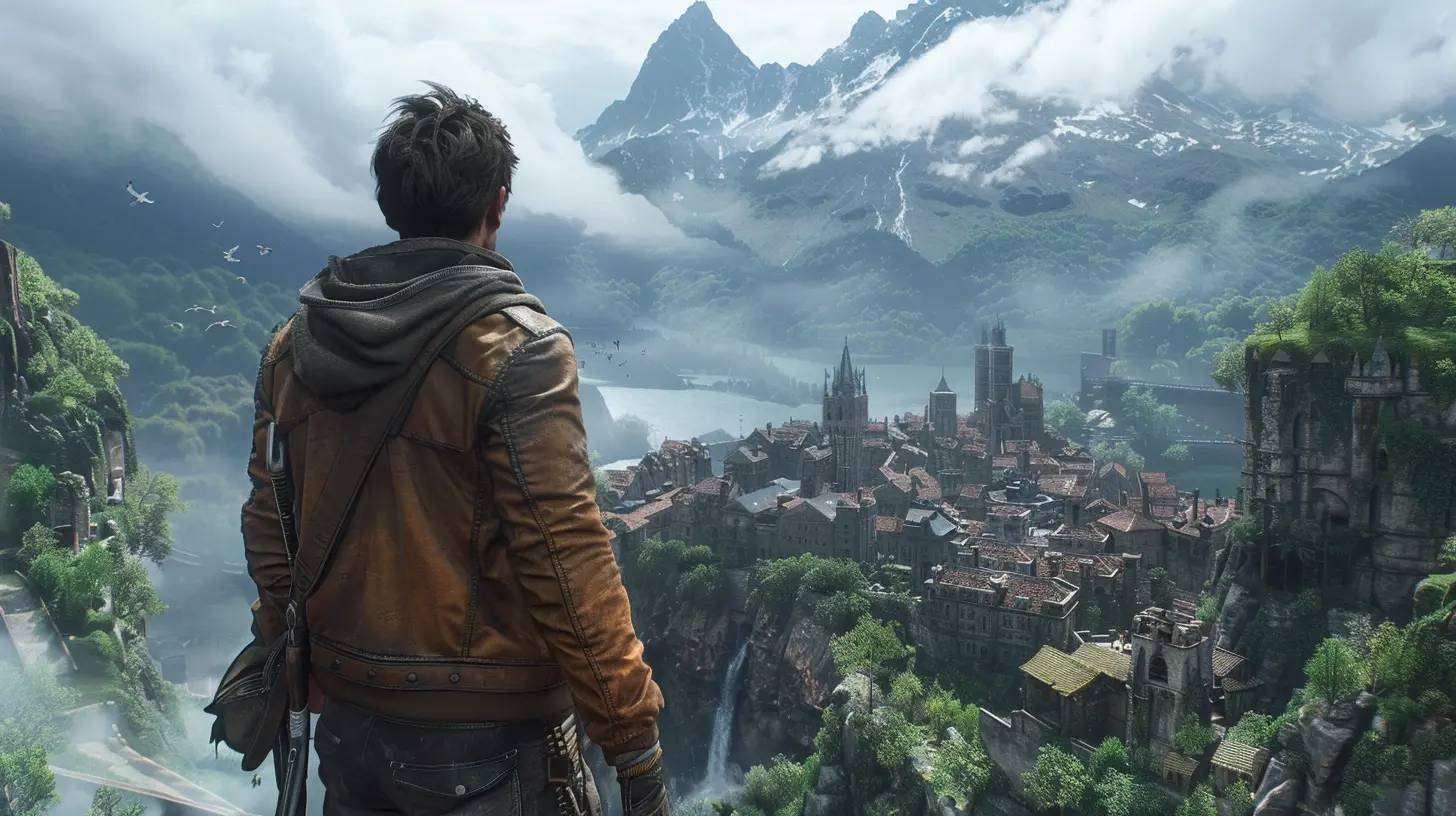
Environmental Storytelling: When the World Talks Back
You ever stumble upon a random cabin in the woods in Red Dead Redemption 2 or Fallout and find a torn-up letter or skeleton that tells a whole mini-story without a single word spoken? That’s environmental storytelling—and it’s one of the coolest evolutions in open world narratives.Every Detail Has Meaning
Game designers started using the world itself as a narrator. The environment, the weather, the abandoned objects—they all tell their own tales. It’s this kind of subtle storytelling that adds texture to open world games and makes them feel lived-in.You don’t have to be told what happened. You feel it. And that’s powerful.
The Rise of Dynamic Narratives: Storytelling in Real Time
As technology has gotten better, so has the ability to create dynamic, real-time narratives. Games now have systems that adapt the story based on your actions—not just dialogue choices.Emergent Storytelling
In a game like Shadow of Mordor, there’s the Nemesis system, where enemies remember you and adapt based on your previous encounters. That creates a personal narrative thread that’s unique to you. It’s not scripted—it’s born out of gameplay.These kinds of mechanics blur the line between gameplay and story, which is pretty mind-blowing when you think about it.
Open World + Live Service = Endless Stories?
Let’s talk about the elephant in the room: live service games. Titles like Destiny 2, Genshin Impact, and Fortnite aren’t just games anymore—they’re platforms. And they’re changing how narratives in open world games are delivered.Story as a Service
Instead of one big story that ends when the credits roll, these games evolve over time. Developers drop new content, quests, and plot developments regularly—making the story more like a TV series than a movie.This ongoing evolution keeps players hooked, but it also raises an important question: Can a constantly evolving story ever be as satisfying as a well-crafted, complete one?
Character-Driven Narratives: Your Squad, Your Heart
Let’s get a bit emotional here—because one of the most noticeable narrative shifts in open world games is the focus on character relationships.You’re Not Just the Hero—You’re a Friend
Whether it’s Arthur Morgan and the Van der Linde gang or Aloy and her ragtag allies, modern open world games invest heavily in character development. These aren’t just quest givers; they’re people you care about.By building relationships over time, the game pulls you deeper into its world. You’re not just finishing objectives—you’re fighting for people you love (or, let’s be real, occasionally betray).
The Power of Player-Driven Stories
Then there's the ultimate evolution: when the game provides a world and tools, and you create your own narrative. Think Minecraft, No Man’s Sky, Valheim, or The Legend of Zelda: Tears of the Kingdom.Sandbox Freedom with Emotional Resonance
These games often have minimal scripted storytelling. Instead, they give you a sandbox and let you do the rest. And somehow, those self-made stories—your base built on a mountain, your narrow escape from a deadly biome—end up being the most memorable.There’s a certain magic in that. It’s like writing your own novel where every page is shaped by your actions.
What's Next? The Future of Narrative in Open World Games
Okay, so where do we go from here? If we’ve already got moral complexity, branching paths, living environments, and personal storytelling—what’s next in the evolution?AI and Procedural Narratives
With advancements in AI and machine learning, the next evolution might be fully dynamic, procedurally generated narratives that adapt in real-time, not just to what you do, but how you do it. Imagine a game that not only remembers your choices but adjusts its emotional tone based on your behavior.Wild, right?
Deeper Immersion with VR and AR
And let’s not forget VR and AR. As those technologies grow, the line between game and reality will blur. You’ll not only play the story—you’ll step into it.Final Thoughts: Storytelling Isn’t Just Growing—It’s Evolving
So there you have it. The evolution of narrative in open world games isn’t just a technical feat—it’s an emotional and artistic one. From pixelated heroes and simple quests to dynamic narratives and complex characters that feel like our friends, storytelling in games is more powerful than ever.And you know what? It’s only going to get better from here.
Whether you're the type who reads every lore entry or just zips through the main quests, narrative has become a pillar in open world design. One that connects our actions to the world in ways that feel deeply personal. It’s not just about freedom anymore—it’s about meaning.
So next time you boot up your favorite open world game, take a moment to appreciate how far we’ve come.
Who knew that getting lost in a game world could lead us to such amazing stories?
all images in this post were generated using AI tools
Category:
Game StorylinesAuthor:

Tayla Warner