The Subtle Genius of Environmental Storytelling
31 December 2025
Let’s be honest—nothing beats getting lost in a video game world so rich, so carefully crafted, that every corner, shadow, and sound tells a story. I'm talking about more than just dialogue or flashy cutscenes. I mean real storytelling—silent, immersive, and pure. That’s the subtle genius of environmental storytelling.
It’s what makes you pause at a ruined statue in a forgotten temple or study the blood-smeared walls of an abandoned space station, piecing together what happened just from the way things are laid out. It’s storytelling without words—and when done right, it hits hard.
Whether you’re a diehard gamer, a game dev, or just someone who appreciates a good story, buckle up. We’re diving deep into the beautiful, often-overlooked magic of environmental storytelling.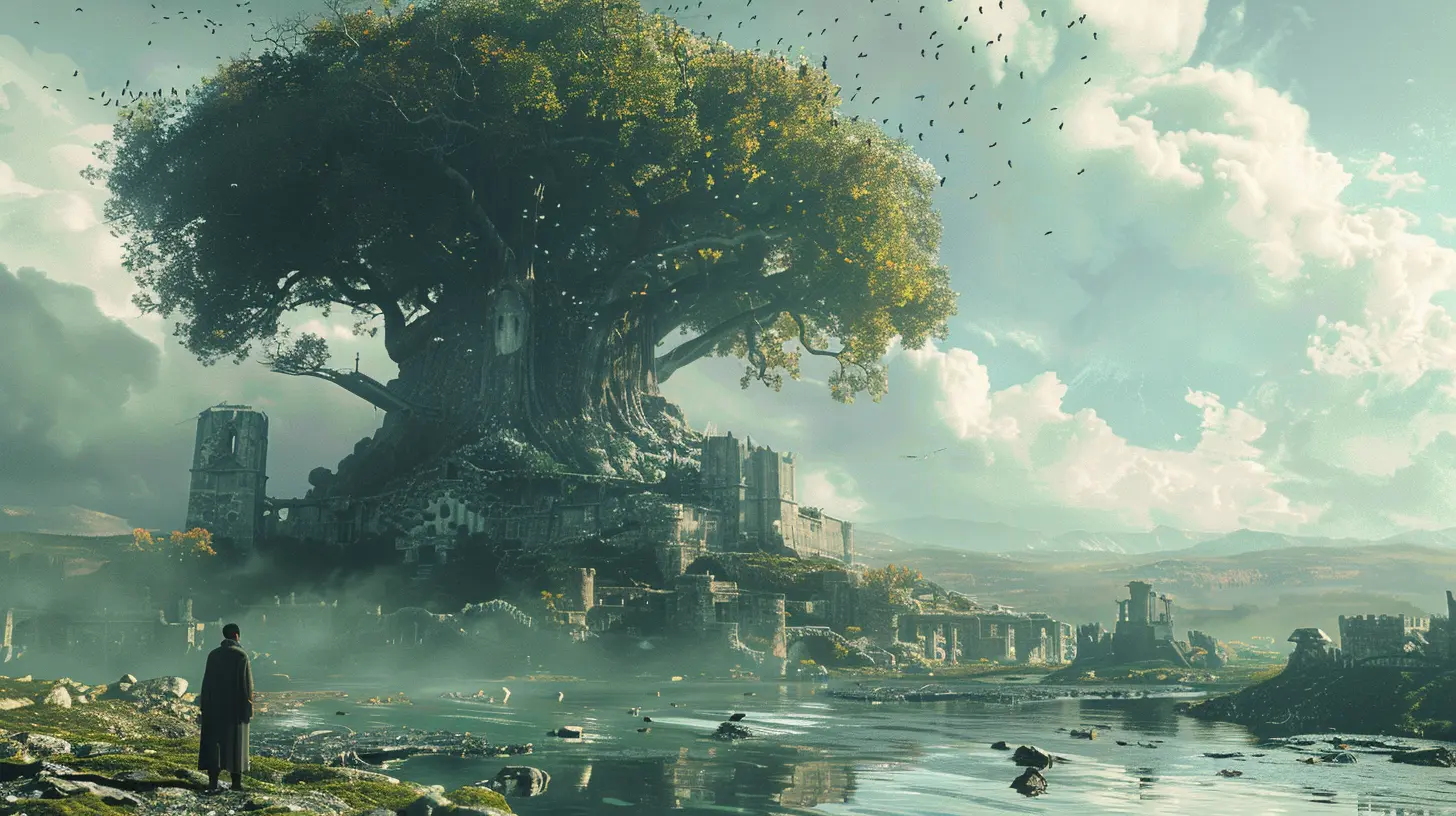
What Exactly Is Environmental Storytelling?
Let’s clear the air first—this isn’t some fancy new game genre. Environmental storytelling is the art of using a game’s setting—its world, architecture, background noise, lighting, objects, you name it—to tell a story without a single word of dialogue or text.You’ve seen it before, I guarantee it. Think of the lonely, wrecked town in The Last of Us, where every boarded-up window screams of lost hope. Or the way Dark Souls tells you more with a crumbling castle than 10 minutes of lore ever could.
Instead of spoon-feeding you the narrative, environmental storytelling lets you discover it. It’s more subtle, more personal—and that’s what makes it genius.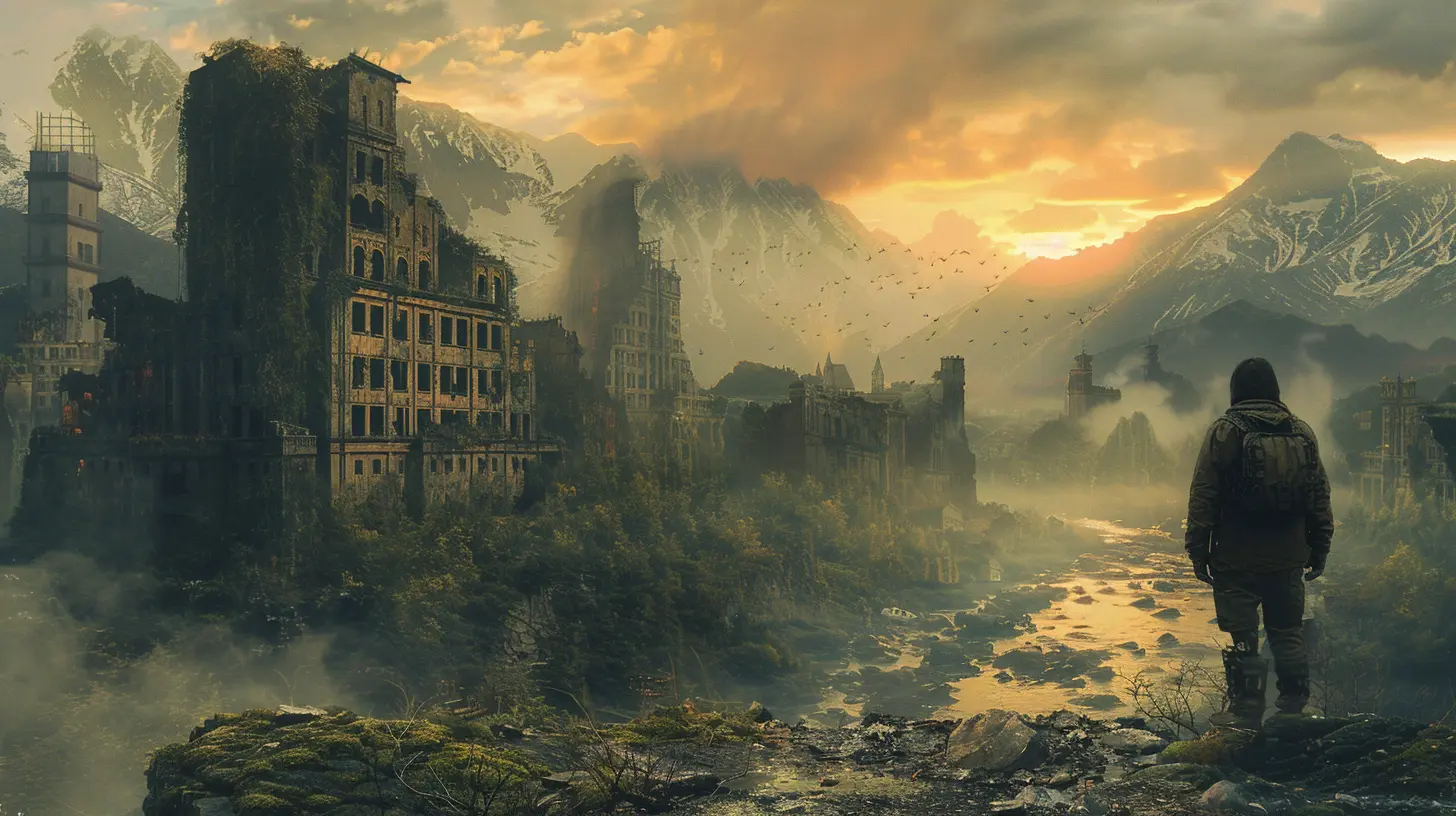
Why It Matters More Than You Think
So, why does this even matter? Can’t we just get the story from cutscenes and be done with it?Well, sure. But here’s the kicker: environmental storytelling gives you the power. It respects your intelligence. It doesn’t tell you what happened—it shows you, and lets you figure it out.
This kind of storytelling makes the world feel alive. Like, really alive.
Remember stumbling into a room in Bioshock, where a child's drawing on the wall and a recording nearby told a harrowing tale without much explanation? You felt that, right? That emotional punch didn’t need flashy visuals or dramatic voice-overs. It simply needed authenticity and detail.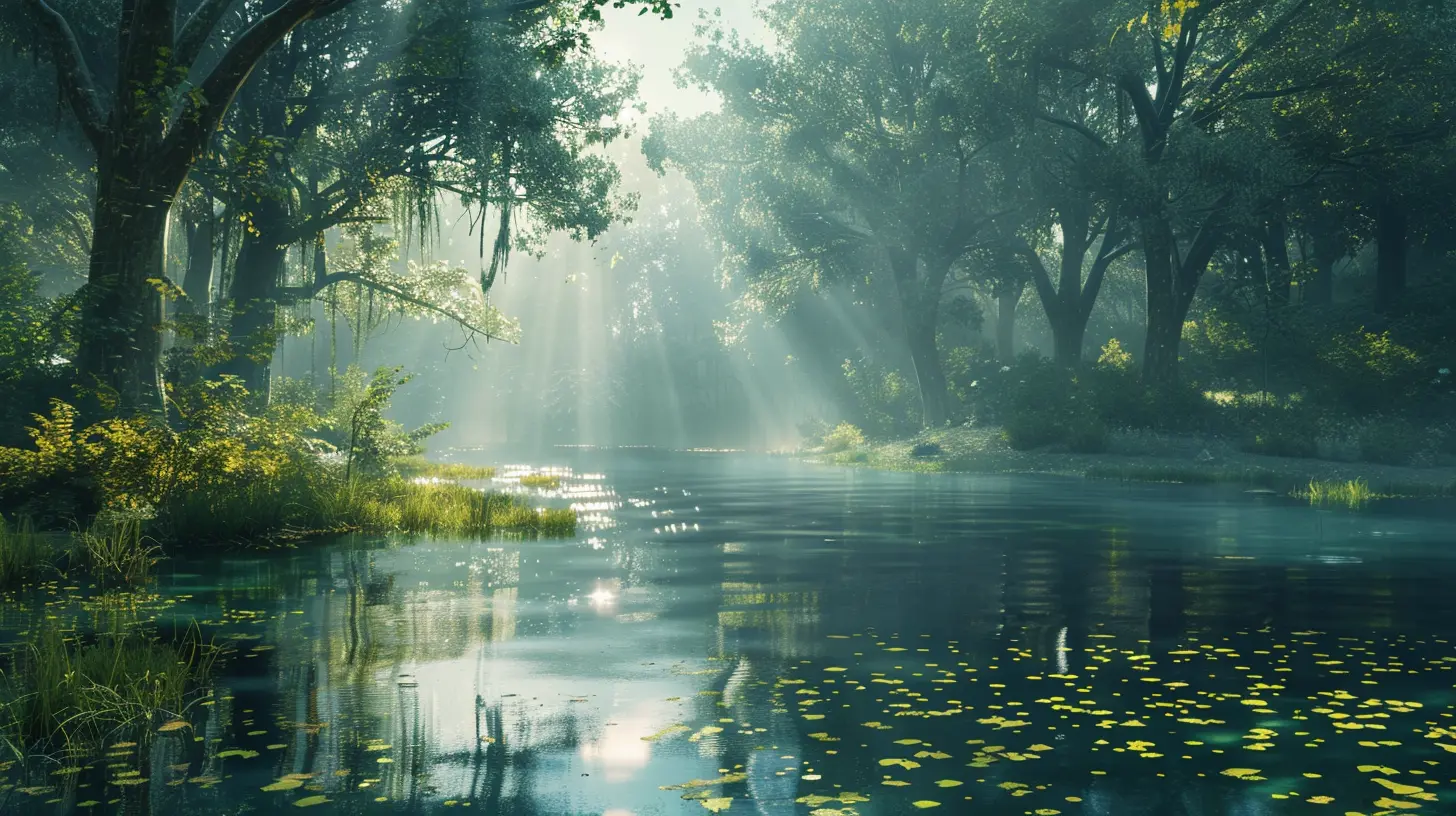
The Quiet Power of Details
Let’s get into examples, because honestly, talking about this stuff without them is like trying to describe a painting using just math.1. The Last of Us: A Masterclass in Environmental Emotion
If you’ve played The Last of Us, then you already know. The game doesn’t just hit you in the feels with dialogue—it crushes your soul with cluttered kitchens, photographs collecting dust, and children’s toys lying forgotten in backyards.One particularly haunting moment? Stumbling across a child’s room in an underground shelter, full of colorful drawings and bunk beds. Everyone’s gone. Silence hangs heavy. No dialogue. No narration. Just… stillness—and your imagination filling in the rest.
That’s environmental storytelling doing its thing.
2. Elden Ring & Dark Souls: Lore in the Landscape
FromSoftware games are notoriously tough, but their worlds are even tougher—brutally honest about decay, despair, and forgotten glory.You’re not just running through ruined cities—you’re deciphering the history of an entire civilization based on broken statues, weathered armor, and chants echoing through empty halls. There’s lore hidden in item descriptions, yes, but the world tells it too.
And the cool part? You probably missed half of it, and that’s okay. That’s the beauty—it’s there for those who look.
3. Gone Home: Solving a Family Mystery Through Objects
Gone Home doesn’t have enemies or puzzles. Just a house. And yet, it’s one of the most emotionally charged games I’ve played.You explore a family’s home and piece together what’s been happening through notes, cassette tapes, and everyday objects. The lighting, room arrangement, and even music choices play a role. It's intimate, raw, and deeply real—all without a single enemy encounter.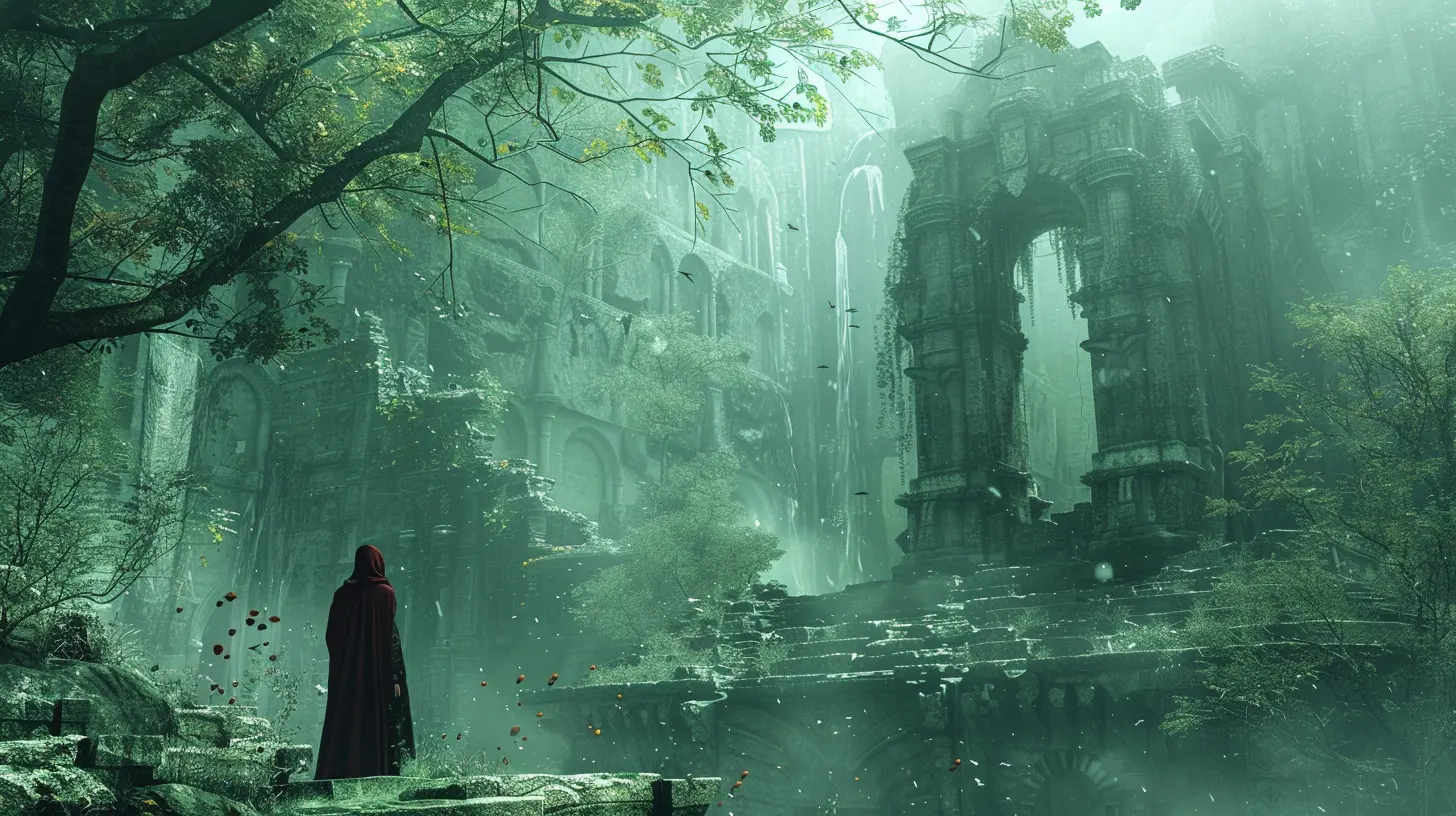
The Mechanics Behind the Magic
Alright, we’ve gushed about the what and the why—but how do developers actually pull this off?A. Level Design That Tells a Story
Environments aren’t just about looking pretty. Smart level design guides the player subtly—like how light peeking from under a door might suggest something important lies ahead. Or how cluttered spaces can convey chaos compared to sparse, minimalist areas that might suggest loss or abandonment.Designers think intentionally about everything, from the placement of items to the choice of textures. It’s like interior design meets storytelling.
B. Color, Lighting, and Composition
Color isn’t just aesthetic—it conveys emotion. A warm, golden hue might make you feel safe, while flickering blue or red lights can raise anxiety.Lighting can direct your eye, hide secrets, or evoke a specific mood. Shadows and silhouettes are often used to hint at dangers or past events.
Composition—where things are placed in relation to each other—also quietly guides your attention and interpretation. It’s visual storytelling 101.
C. Sound and Ambient Audio
Ever walked into a room in a horror game and just felt something was off, even before seeing anything? That’s ambient sound at work.Creaking floorboards, distant whispers, dripping water—it all adds up. Audio tells you when to relax and when to brace yourself. Combined with visual cues, it deepens the narrative without being overwhelming.
Why Players Love Environmental Storytelling (Even If They Don’t Realize It)
You might not consciously notice every little detail, but your brain does. It’s like reading between the lines in a conversation. That’s why people feel so emotionally connected to games with strong environmental storytelling.It gives the feeling of discovery. You’re not being told a story—you’re finding it. And that makes it hit harder.
Games like What Remains of Edith Finch or Firewatch don’t just show you a story—they make you feel like part of it. That’s powerful.
It's a Two-Way Street: The Player’s Role
Here’s the cool part—environmental storytelling is a dialogue. Developers craft the world, but you interpret it. Your own experiences, emotions, and attention to detail shape how you understand the story.Two people might walk through the same dilapidated hallway and come away with completely different interpretations. That ambiguity? That's not a flaw. It’s a feature.
It builds replay value too—on your second playthrough, you might catch something you totally missed the first time. And suddenly, the story feels even deeper.
Indie Games Are Crushing It
Let’s give a shoutout to indie devs here, because boy, do they know how to do environmental storytelling on a budget.Games like Inside, Limbo, and Oxenfree use minimal dialogue but rich environments to deliver gut-wrenching emotion. These games often rely more heavily on visual and audio storytelling because they don’t have the budget for big-name voice actors or AAA-level CGI. But that limitation becomes their strength.
Minimalism forces clarity. Constraints ignite creativity.
The Evolution of Environmental Storytelling
Let’s be real—this isn’t a brand-new concept. Even early games like Metroid or Half-Life did this in clever ways. But as technology advanced, so did the tools to make it more immersive.Now, with ray tracing, 3D audio, and insane levels of detail, developers can weave even more complex narratives into their worlds. The line between storytelling and gameplay is blurring—and it's thrilling to watch.
Can Environmental Storytelling Stand On Its Own?
Short answer? Yes.There are entire games built around it—walking sims, puzzle games, even horror titles. These experiences ditch traditional storytelling and go all in on the environment.
But the best games? They use both. They combine environmental clues with strong voice acting, writing, and gameplay. That’s when the magic really happens.
Final Thoughts: The Silent Storyteller
Environmental storytelling is like that quiet kid in class who doesn’t say much—but when they do, it blows your mind. It's the silent storyteller that doesn't need center stage to steal the show.It’s not loud or flashy—but it’s unforgettable. It lets players connect with the world on their terms. It turns gamers into detectives, archaeologists, and emotional sponges.
So the next time you’re playing, take a second to slow down. Look around. What’s the environment trying to tell you?
Chances are, it’s saying more than you realize.
all images in this post were generated using AI tools
Category:
Game StorylinesAuthor:

Tayla Warner
Discussion
rate this article
3 comments
Coral Forbes
Environmental storytelling is a powerful tool in gaming that enriches player experience by immersing them in richly crafted worlds. Subtle details, from background elements to environmental cues, convey narratives that enhance emotional engagement, making exploration feel meaningful and immersive.
April 25, 2026 at 3:24 AM
Tayla Warner
I completely agree. Environmental storytelling adds depth and invites players to connect with the world on a personal level. It's amazing how small details can create such a rich narrative experience.
Blaze McConkey
This article beautifully highlights how environmental storytelling enriches our gaming experiences. It’s a reminder of the powerful narratives hidden in our surroundings. Thank you for sharing!
January 10, 2026 at 5:30 AM
Tayla Warner
Thank you for your thoughtful comment! I'm glad you enjoyed the article and appreciate the importance of environmental storytelling in gaming.
Juliana Mason
This article brilliantly highlights environmental storytelling's power to immerse players in a game's world. By intricately weaving narrative through settings, developers evoke emotions and provoke thought, transforming mere gameplay into profound experiences that linger beyond the screen. A must-read!
January 9, 2026 at 5:57 PM
Tayla Warner
Thank you for your thoughtful comment! I'm glad you found the article insightful and that it resonated with you. Environmental storytelling truly is a powerful tool in game design.