The Best Educational Games That Kids Actually Enjoy
7 July 2026
If you’ve ever tried to sneak a little learning into your child’s playtime, you probably know what a delicate balancing act it can be. On one hand, you want your kids to sharpen their minds. On the other hand, you don’t want to hear, “This is boooring,” five minutes in. The good news? Educational games don’t have to feel like schoolwork in disguise. In fact, some of them are so fun that kids don’t even realize they’re learning.
Let’s dig into a big list of the best educational games that kids actually enjoy. We’re not just talking about alphabet puzzles or flashcards here — we’re diving into games that genuinely make your kiddos want to play again and again.
Why Educational Games Matter (And Why They Work)
Before we dive into the fun stuff, let’s quickly answer this: Why are educational games such a big deal?Because kids learn by doing. When they interact with information, instead of just reading or listening to it, they absorb it deeper. Games trigger multiple parts of their brains — critical thinking, memory, problem-solving, and even emotional intelligence. Pretty powerful stuff, huh?
Plus, in the age of screen time overload, choosing quality screen time wins major parenting points. It’s like swapping junk food for a delicious smoothie that still tastes like dessert.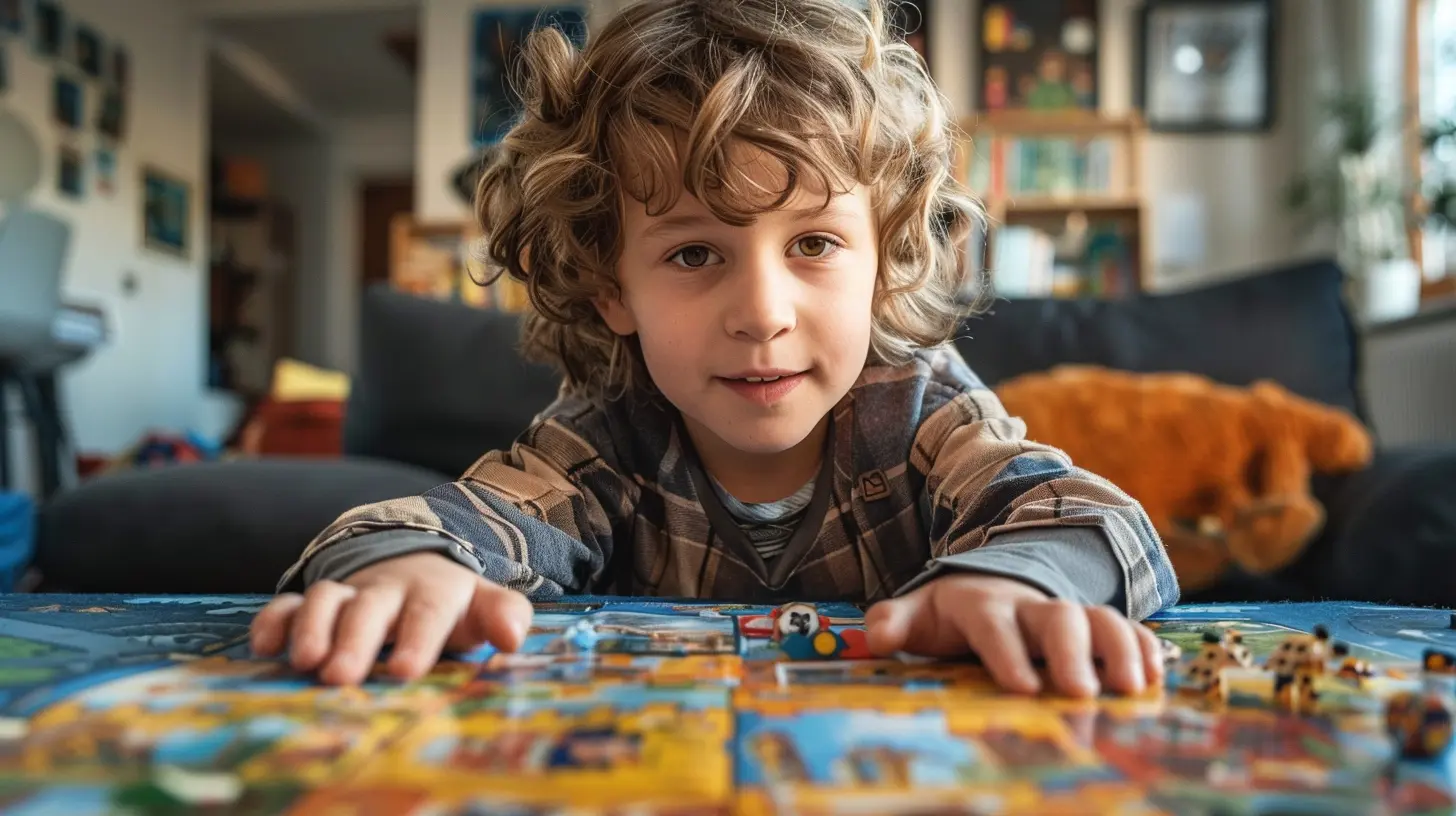
What Makes a Game "Educational"?
Not every game with numbers or letters is educational. A real educational game:- Targets specific skills (math, reading, logic, critical thinking, etc.)
- Adjusts to the child’s age and ability level
- Provides feedback and encourages learning from mistakes
- Is fun enough that kids want to keep playing
Alright, let’s get to the fun part.
1. ? BrainPOP Jr.
Best For: Ages 5–9Skills Covered: Science, math, reading, arts, social studies
Ever wish you could bottle your favorite elementary school teacher's fun lessons and play them whenever you wanted? BrainPOP Jr. kind of does that. It combines animation, quizzes, and games all wrapped into easy-to-understand topics.
Kids love it because it’s visual, interactive, and bite-sized. Parents love it because it aligns with school curriculums.
Is it a game? Not in the traditional sense—but it’s got game-like features that make learning massively more enjoyable.
2. ? Osmo - Genius Starter Kit
Best For: Ages 6–10Skills Covered: Math, spelling, problem-solving, drawing
This one’s a bit of a hybrid between digital and real-world play. Osmo uses a tablet plus physical pieces to create a hands-on learning experience. It’s like stepping into the future of education, and trust me—it’s pretty cool.
Kids don’t just tap or swipe. They solve problems, spell words with physical tiles, and even draw pictures that come to life on screen. It’s STEM magic with a side of wow.
3. ? ABCmouse
Best For: Ages 2–8Skills Covered: Reading, math, science, art, music
ABCmouse is like an all-you-can-eat buffet for young learners. There are hundreds (seriously, hundreds) of games and activities that encourage kids to explore at their own pace.
It’s colorful, organized by subject and level, and rewards kids with tickets they can use to "buy" virtual pets and items. Sneaky motivation, right?
If your little one is just starting out, this is a solid way to build early foundational skills while having a blast.
4. ? Prodigy Math Game
Best For: Ages 6–12Skills Covered: Math (aligned to school standards)
Okay, math time doesn’t usually earn cheers—unless you’re playing Prodigy.
This one's like a fantasy game where kids go on quests, battle creatures, and win rewards… all by solving math problems. It's basically Pokémon for math. And we’re here for it.
What’s really awesome is that Prodigy adapts to the child’s level. As they answer questions, it gets easier or harder depending on their skill. No pressure, just progress.
5. ? Toca Life World
Best For: Ages 4–10Skills Covered: Creativity, storytelling, emotional intelligence
Not all learning is academic. Toca Life teaches kids about the world by letting them create their own.
There’s no right or wrong—just a sandbox of characters, locations, and props. Kids can act out stories, make silly scenes, and express themselves in a safe virtual world.
Think of it like a digital dollhouse crossed with The Sims. It encourages imagination, communication, and emotional exploration.
6. ? DragonBox Series
Best For: Ages 4–12Skills Covered: Math, algebra, geometry
Now we’re getting serious… but still fun. DragonBox games sneak math into play in such a clever way, your kids won’t even notice they’re studying algebra.
For example, in DragonBox Algebra, what starts out as rearranging cards to match patterns slowly transforms into solving full algebra equations. Mind blown? Yup.
It’s especially perfect for kids who think they struggle with math. These games build confidence and quietly whisper, “You’ve got this.”
7. ✨ Minecraft: Education Edition
Best For: Ages 8+Skills Covered: Coding, teamwork, history, science, design
Unless you’ve been living under a pixelated rock, you’ve heard of Minecraft. But did you know there’s a special Education Edition?
This version turns the beloved block-building game into a mega learning tool. Kids can explore ancient civilizations, code their own mods, build sustainable cities, and even solve science puzzles.
And because it’s Minecraft, most kids don’t even realize they’re doing homework. It’s like tricking them into eating broccoli by turning it into pizza.
8. ? Thinkrolls Series
Best For: Ages 3–8Skills Covered: Logic, physics, problem-solving
Thinkrolls are adorable little characters in puzzle-based games that secretly teach basic physics concepts. The puzzles increase in difficulty as your child progresses, building critical thinking without overwhelming them.
It’s a great way to ease little minds into bigger ideas like gravity, inertia, and momentum—without ever cracking open a textbook.
9. ? Endless Alphabet, Reader & Numbers
Best For: Ages 3–7Skills Covered: Vocabulary, phonics, reading, numbers
Endless Alphabet (and its siblings Endless Reader and Endless Numbers) are kid favorites for a reason. The animations are equal parts hilarious and educational.
Words come alive, letters dance, and even definitions are explained in simple, funny ways. It’s the kind of game that makes kids giggle and gain reading skills. Win-win.
10. ? ScratchJr
Best For: Ages 5–7Skills Covered: Coding, sequencing, logic
Let’s talk about coding — the new literacy. ScratchJr makes learning to code feel like art time. Kids drag-and-drop blocks to create animations, tell stories, and control characters.
It’s perfect for young minds because it teaches computational thinking without using complicated words or syntax. Kids just play and create while learning how to think like a programmer.
Educational Board & Card Games Worth Mentioning
Not all educational games are digital! Some of the best learning happens away from screens.? Rush Hour
Helps with spatial reasoning and problem-solving. A traffic jam puzzle that’s actually fun to solve.? BrainQuest
Classic question-and-answer decks for kids of all ages. Quick, portable, and packed with learning.? Guess in 10
Pick a card — guess the animal, place, or thing by asking up to 10 questions. Builds critical thinking and deductive reasoning.How To Pick the Right Game for Your Child
Not every game fits every kid. Here’s how to choose a winner:- Match it with their interests. Love animals? Try a nature-themed game. Obsessed with building? Go for Minecraft or Osmo.
- Keep it age-appropriate. Too easy = boring. Too hard = frustrating.
- Check reviews (and try a demo!). You’ll quickly know if it clicks or flops.
- Don’t over-complicate it. Simple mechanics often keep kids coming back.
Also, mix it up! Rotating games keeps things fresh and avoids burnout.
Final Thoughts: Smart Fun Is the Best Kind of Fun
Let’s be honest—most kids would probably pick a non-educational game over a learning one if given the choice. But when you find the right educational game? One that excites their curiosity and challenges their brain just enough?Magic happens. Confidence builds. Skills sharpen. And—most importantly—kids start to believe that learning can actually be fun.
So give one of these a try. Whether it’s coding with ScratchJr, solving equations in Prodigy, or getting creative in Toca Life, there’s no shortage of games that teach and entertain.
Here’s to raising smart cookies—one fun game at a time.
all images in this post were generated using AI tools
Category:
Parental Guide To GamesAuthor:

Tayla Warner
Discussion
rate this article
1 comments
Maisie Marks
Educational games can be engaging and fun. Finding the right ones helps kids learn while enjoying their playtime.
July 11, 2026 at 4:03 AM
Tayla Warner
Absolutely! The right games can make learning feel like an adventure. It's all about the balance between fun and education.