Why We Still Love Side-Scrolling Brawlers
16 May 2026
Side-scrolling brawlers are like that old band shirt you just can't get rid of. Every time you pull it out, memories come flooding back — good times, addictive soundtracks, and epic boss fights that made your thumbs sore. But it's not just nostalgia keeping these games alive in our hearts and on our screens. There's something timeless about throwing punches in a 2D world, and frankly, we’re here for it.
Let’s break down exactly why we still love side-scrolling brawlers — and why they’re not going anywhere anytime soon.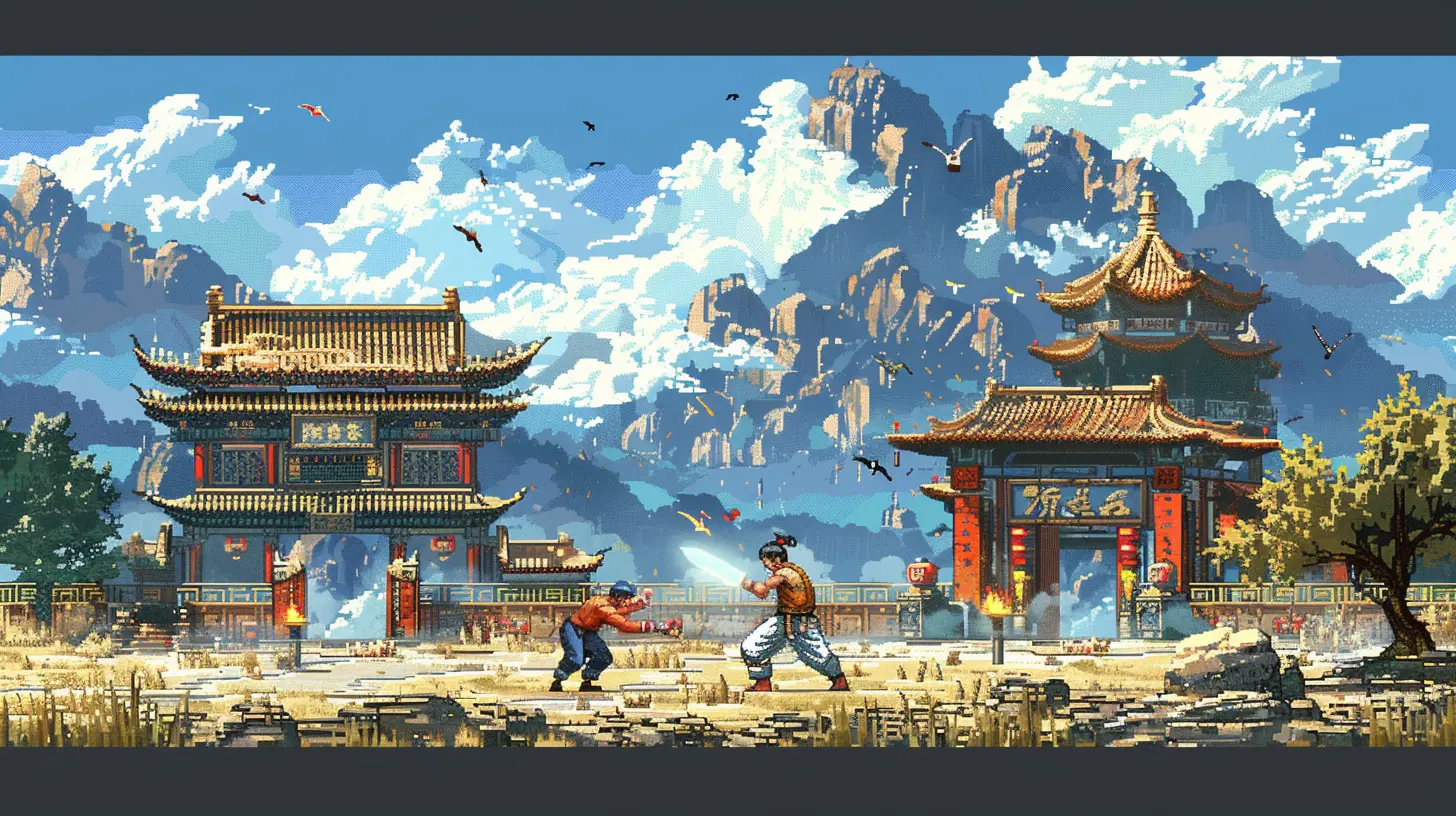
?️ A Trip Down Memory Lane
If you're a '90s kid or even slightly retro-curious, chances are you've spent hours bashing buttons on games like Streets of Rage, Final Fight, or Double Dragon. These games weren’t just entertaining — they were cultural landmarks in the gaming world.Back in the day, arcades were the social hubs. You didn’t just go there to play — you went to prove yourself. And side-scrolling brawlers were center stage. The simplicity of walking left to right, using a combo of punches, kicks, and special moves to clear stages, made them accessible. Whether you were a button-masher or a tactical combo god, there was room for you.
But here's the kicker: these games weren’t watered down. They were hard. Missing a precise dodge or botching a timing-based attack meant you were going down. And that challenge kept people pumping quarters into machines like it was a second job.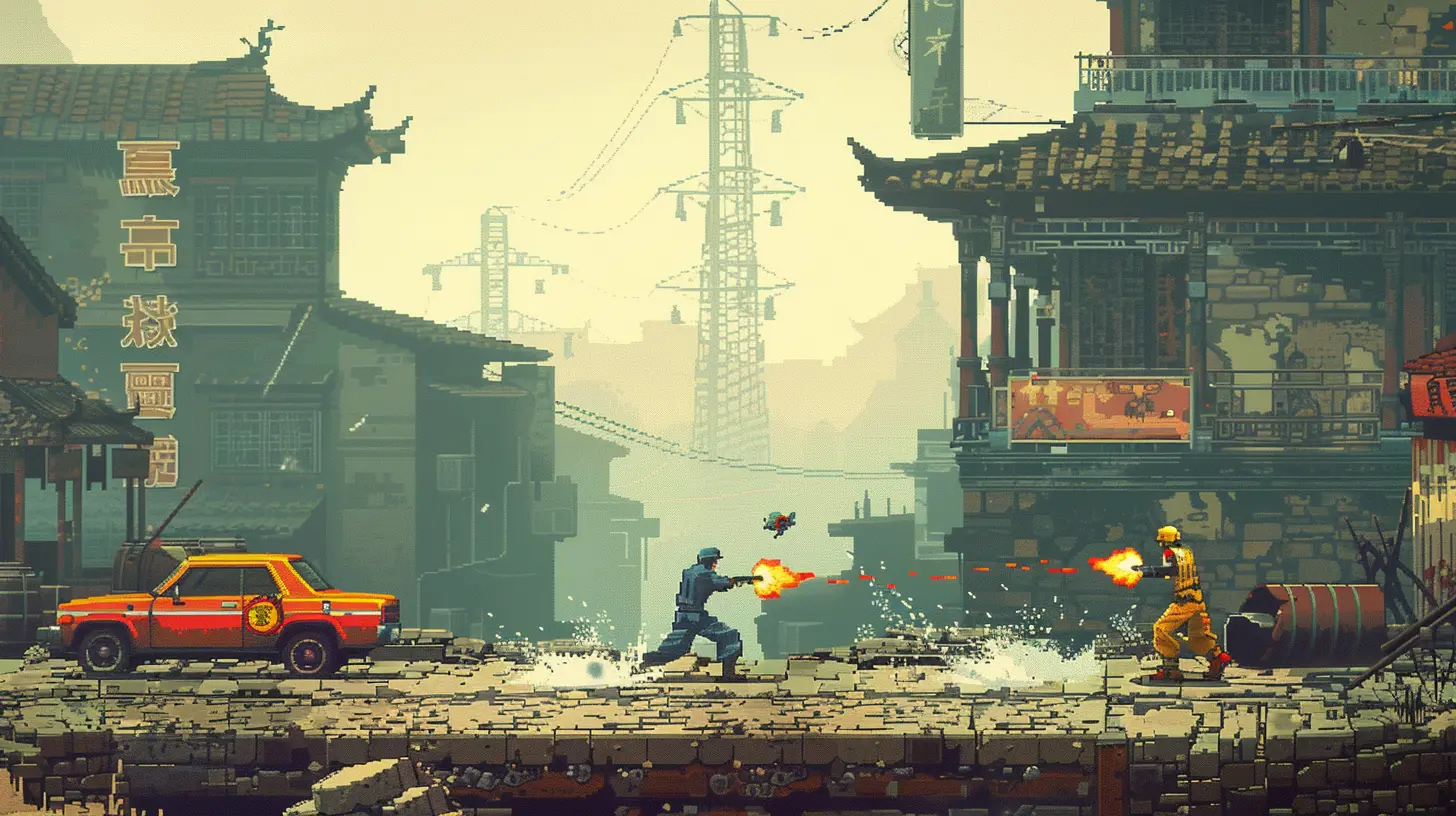
? Easy To Play, Hard To Master
The true magic of side-scrolling brawlers lies in their simplicity — and complexity. I know, that sounds contradictory, but hear me out.You don’t need a 200-page manual or a four-week tutorial to get started. Two buttons and a joystick, and you're in. That’s the beauty of it.
But hang around, and you’ll start peeling back layers. Learning enemy patterns, timing special moves, conserving health items, syncing up co-op tactics — suddenly you’re not just smashing buttons. You’re strategizing.
This "easy to learn, tough to master" vibe is gold. It’s what keeps people coming back, trying to beat that one level, master that one character, or win that final boss fight with a sliver of life left.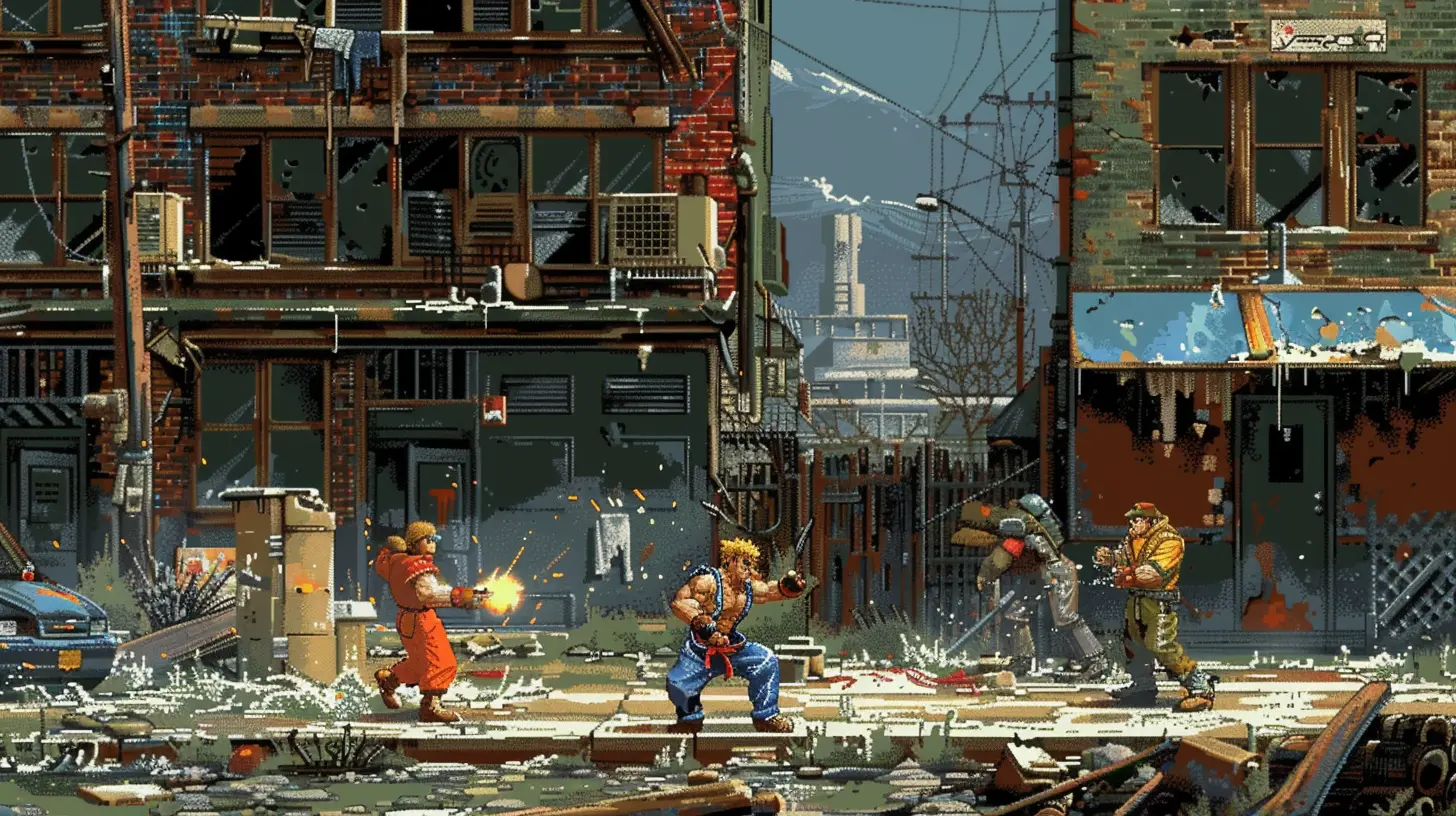
? Local Co-Op That Hits Different
In today’s world of online lobbies and headsets, local co-op gameplay feels like a lost art. But side-scrolling brawlers? Nope. They’ve kept it alive.There’s just something epic about sitting shoulder to shoulder with your buddy, sharing the same screen, shouting out attacks, and high-fiving after you wreck a boss. It’s raw, it’s immersive, and it creates unforgettable gaming memories.
No lag. No disconnections. Just you, your friend, a couple of controllers, and waves of street thugs standing between you and victory.
And let’s be honest — yelling “watch out!” as your pal gets clobbered never gets old.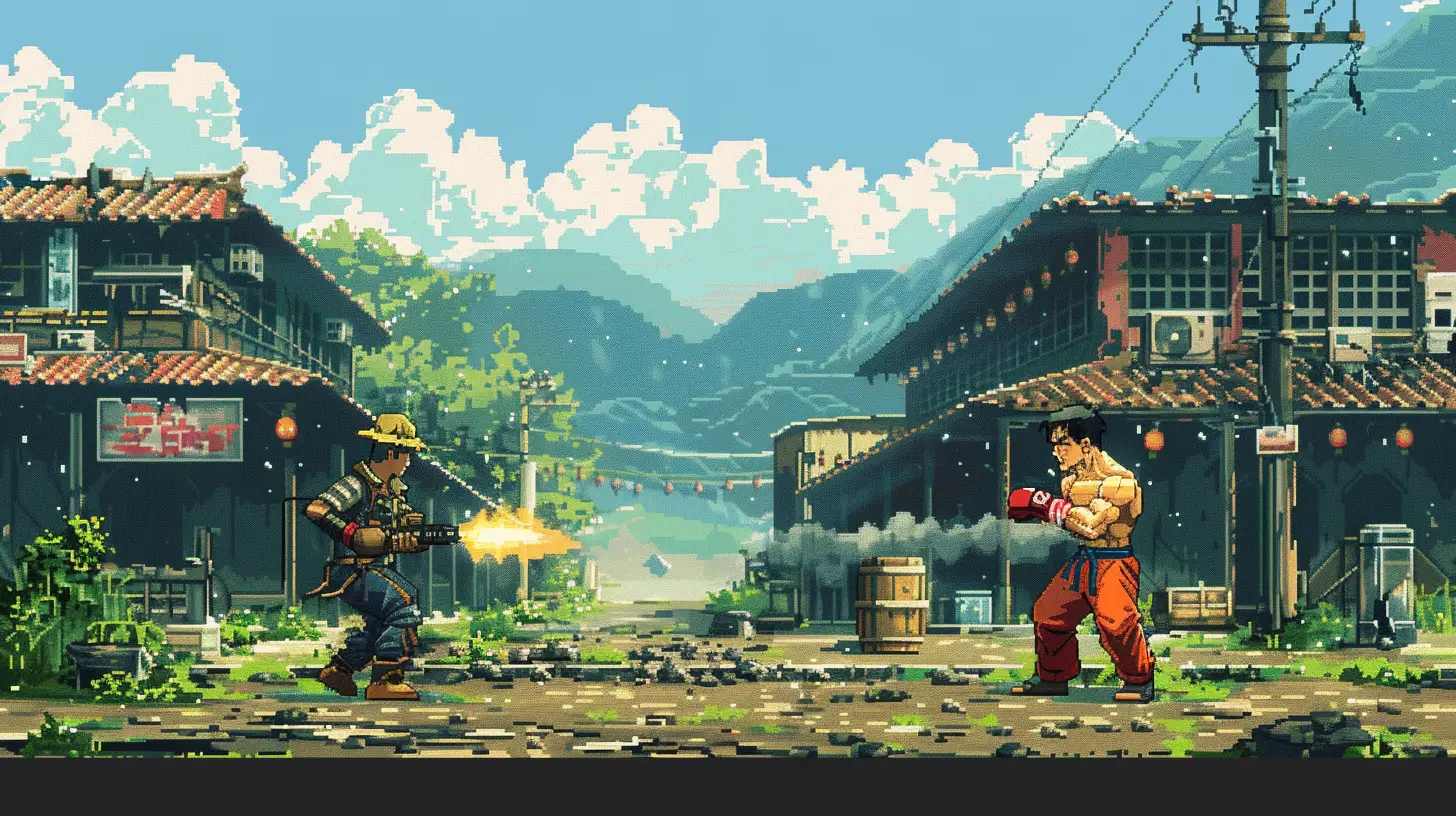
? The Soundtracks Slap
Let’s not overlook the music. The sound design in side-scrolling brawlers? Straight-up iconic.From the synth-heavy grooves of Streets of Rage 2 to the gritty urban beats of Fight'N Rage, these games don’t just look retro — they sound retro in the best way possible.
The music fuels the action. It grabs your attention, sets the tone, and becomes a character on its own. You hear that boss theme kick in and you immediately know — it’s go time.
? A Genre With Modern Firepower
Here’s the thing: side-scrolling brawlers never really went away — they just evolved.Modern hits like TMNT: Shredder’s Revenge, River City Girls, and Streets of Rage 4 have proven there’s still a massive appetite for beat-‘em-ups. And they’ve cranked it up a notch with crisp HD visuals, voice acting, new mechanics, and deep customization options.
These aren’t your grandma’s brawlers (okay, maybe she played a few rounds too). These are retro-styled with a modern edge — breathing new life into a classic genre.
And indie developers? They’re killing it. Studios like Dotemu and WayForward are crafting love letters to the golden era of gaming, wrapped up in slick modern polish.
? The Psychology Behind The Punches
Why do we keep coming back to side-scrolling brawlers? There’s a bit of psychology in play too.They deliver fast, satisfying feedback. Every punch connects with a crunchy sound. Every move has weight. You knock down an enemy, they stay down. That rush of dopamine? Completely real.
Plus, there’s a deep appeal in the clear, achievable goals. You’re not navigating massive open worlds or micromanaging resources. You’re moving forward, one screen at a time, cleaning up the bad guys. It’s cathartic. It’s primal. It just feels good.
? Replayability That Keeps You Hooked
Side-scrolling brawlers were built on repetition — but in the best way.You’ll play through the same stages over and over again, but each time you get a little better. You try a different character. You master a new combo. You team up with someone new.
Developers keep things spicy too. Whether it's alternate endings, secret characters, hidden paths, or unlockable modes, there’s always something new to discover — even if you’ve beaten the game a dozen times.
? Nostalgia, With A Genetic Twist
Let’s not kid ourselves — nostalgia does play a role. Replaying your favorite brawler is like rewatching your favorite movie or rereading your favorite book. There's comfort in familiarity.But the love for side-scrolling brawlers isn’t just generational. New players are picking them up too. Kids who never saw an arcade in their lives are falling for the pixel charm, the tight gameplay, and the co-op chaos.
It’s like passing down a family recipe. Each generation tweaks it, enhances it, but still keeps the core flavor alive.
? The Indie Scene Is Breathing Life Into The Genre
You can’t talk about modern side-scrolling brawlers without tipping your hat to indie devs.These small teams are doing some seriously brilliant work. Games like Scott Pilgrim vs The World: The Game, Fight’N Rage, and The TakeOver are excellent examples of what happens when passion meets pixels.
They’re bold, creative, and not afraid to experiment. And since indie devs don’t have to worry about shareholders or mass market trends, they can focus on what really matters — fun.
? It's About Heart. Not Just Hits.
In the end, it all boils down to this: side-scrolling brawlers have heart.They’re not trying to be cinematic masterpieces or open-world epics. They’re here to deliver pure, unfiltered fun. They welcome everyone — the casuals, the veterans, the newbies, the nostalgia junkies. You don’t need to be a pro to jump in, but there’s enough depth to keep you hooked for the long haul.
It’s a genre built on community, challenge, and charm. And that’s a pretty unbeatable combo.
? Final Thoughts: Why We Still Love Side-Scrolling Brawlers
Side-scrolling brawlers are more than just games. They’re a vibe. They’re the physical embodiment of "let’s do it together." They’ve survived decades, evolved with the times, and still manage to kick butt in a market flooded with complex systems and cinematic ambitions.They remind us that fun doesn’t need 4K graphics or photorealistic physics. Sometimes, all you need is a good punch, a catchy beat, and someone to share the screen with.
So, whether you're a returning legend or a first-time fighter, pick up that controller, hit that start button, and dive back into the genre that refuses to quit.
The streets still need saving — and we’re all still down to brawl.
all images in this post were generated using AI tools
Category:
Gaming NostalgiaAuthor:

Tayla Warner
Discussion
rate this article
2 comments
Desiree McGehee
Nostalgia and simple gameplay keep side-scrolling brawlers timeless fun.
July 4, 2026 at 4:35 PM
Finley Rivera
Nostalgia's dance: pixelated fights ignite joy.
June 1, 2026 at 5:12 PM
Tayla Warner
Absolutely! There's something magical about those pixelated worlds that brings back fond memories and a sense of joy. It's like stepping back in time.