The Rise and Fall of the Video Rental Game Era
1 May 2026
Remember the thrill of walking into your local video rental store as a kid? That unmistakable smell of plastic cases and slightly worn carpet, the dim fluorescent lighting, and those shelves upon shelves of video games just waiting to be chosen. Before digital downloads and instant streaming, this was paradise. But just like cassette tapes and floppy disks, the video rental game era lived fast and faded quickly.
Let’s take a trip down memory lane and dive into how this once-booming industry rose to greatness—only to crash in spectacular fashion.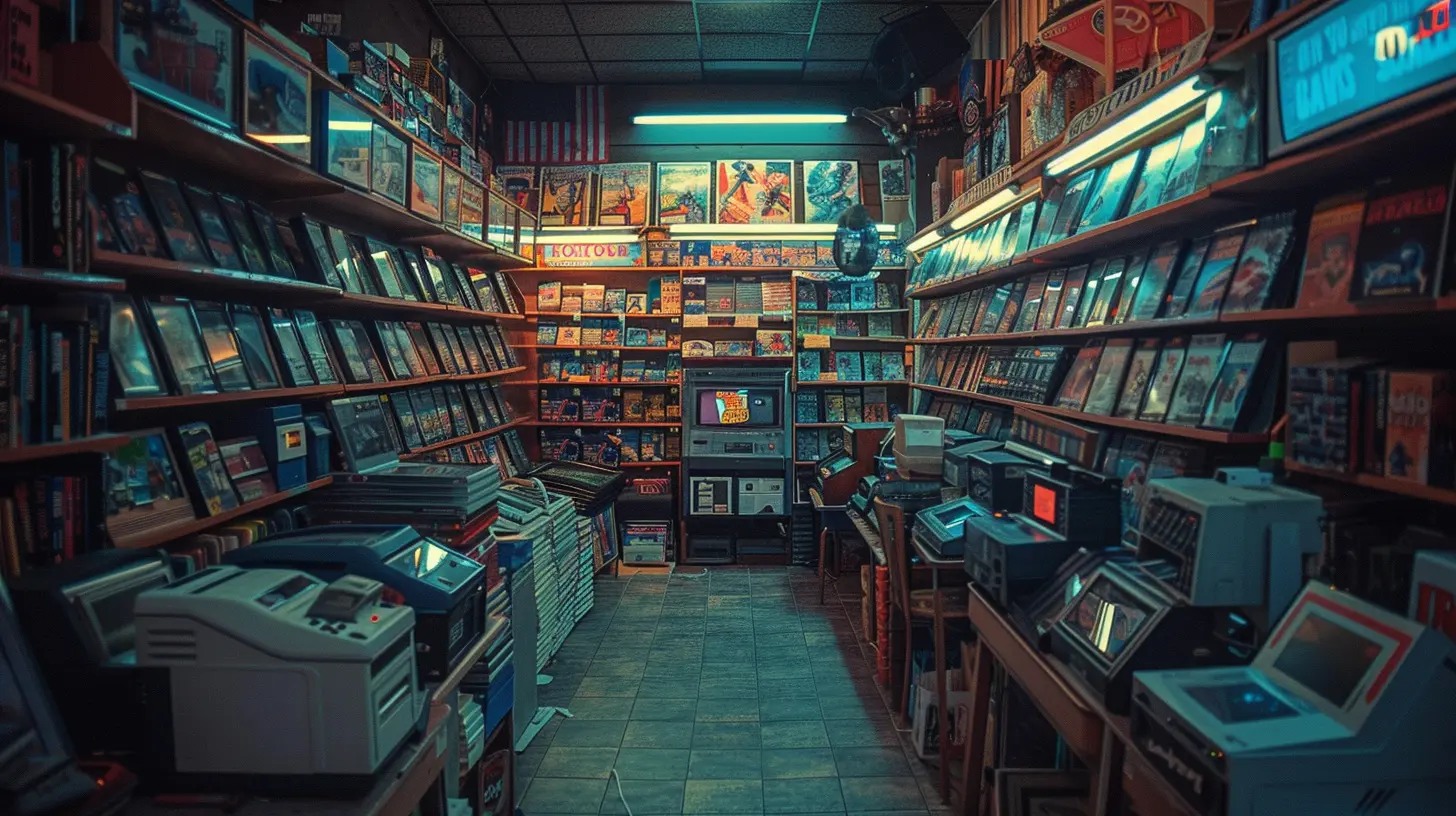
The Birth of the Video Game Rental Scene
The 1980s: A New Era of Entertainment
The idea of renting games really picked up steam in the late 1980s. Gaming was no longer just a passing fad—it was becoming a permanent fixture in households. But games were expensive. Back then, a new NES cartridge could set you back $50 or more, which was a big deal when you were 12 and living off allowance money.That’s where video rental stores came in. Just like you could rent a movie for a couple of nights, stores saw a golden opportunity—why not offer game rentals, too?
Blockbuster, Hollywood Video, and even mom-and-pop shops started dedicating whole sections to SNES, Sega Genesis, and eventually PlayStation and N64 titles. It was magical.
Renting Games Became a Weekend Ritual
For many of us, weekends meant grabbing a slice of pizza, heading to the nearest video rental store, and spending forever picking the perfect game to rent. You weren’t just choosing a game—you were setting the tone for your entire weekend. Would it be a fast-paced racing game? A spooky survival-horror? Or maybe another go at beating that one boss you just couldn’t get past last time.It was social, too. You’d bump into friends, chat with employees about the newest releases, and maybe—just maybe—snag the last copy of that hot new game everyone was talking about.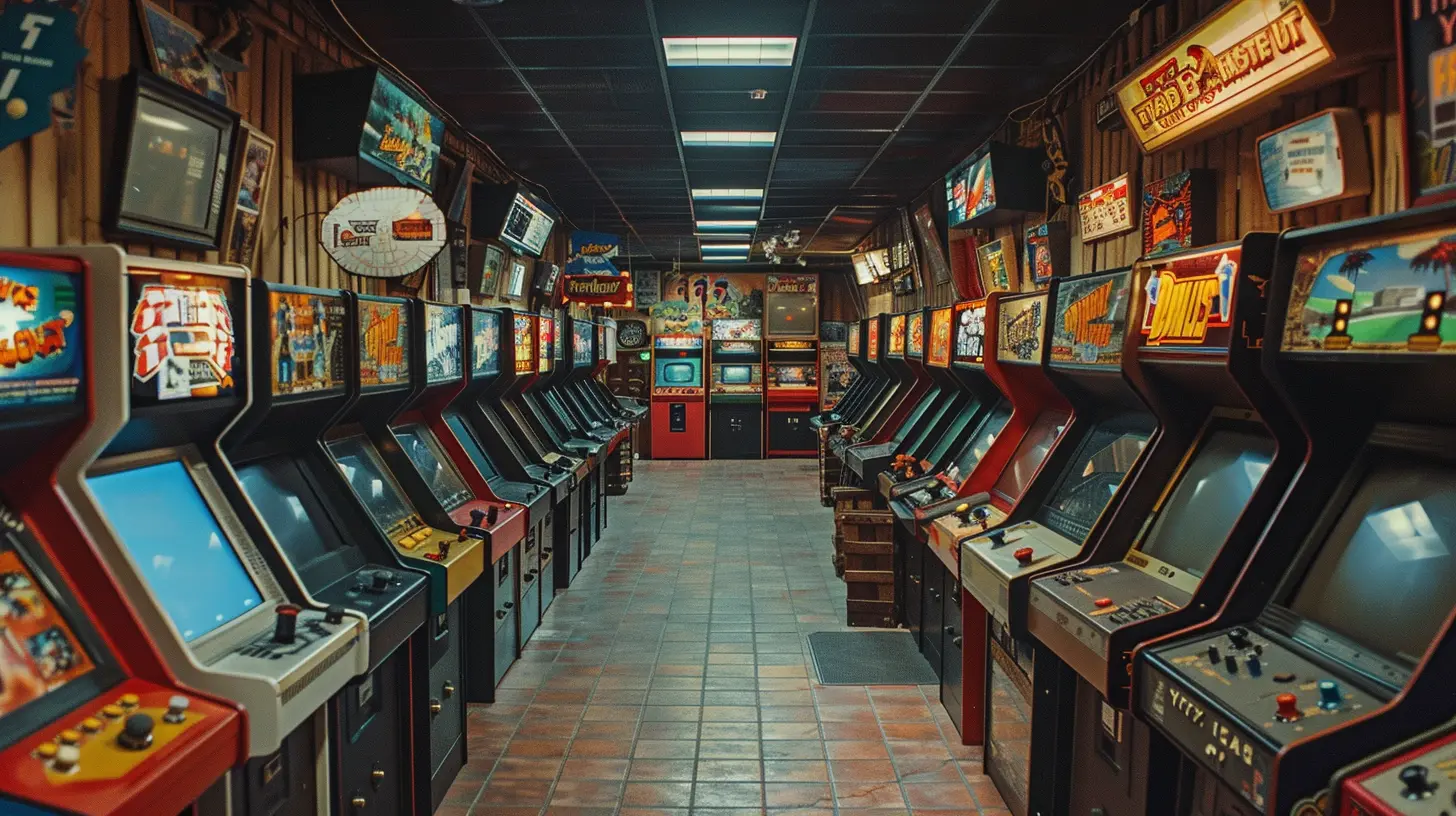
The Golden Age of Game Rentals
From Cartridges to Discs
As gaming evolved, so did rentals. By the late '90s and early 2000s, stores were stocked with games for the PlayStation 2, Xbox, and GameCube. CDs replaced cartridges, and the selection was bigger than ever.Game rentals were now a staple in nearly every rental store. Some even began offering specialized membership plans—rent three games a week for one flat fee, keep a game longer with no late fees, etc. It was a dream for gamers who wanted variety without breaking the bank.
Rise of GameFly and Mail-Based Rentals
When Netflix started mailing DVDs in those little red envelopes, the video game industry wasn’t far behind. Companies like GameFly emerged and gave gamers the option to rent titles by mail. No more rushing to the local store after school—your next adventure came straight to your mailbox.GameFly was a game-changer (pun intended). It expanded the rental market beyond local boundaries. Small-town gamers could now access a huge library of titles with just a few clicks. Plus, they often let you keep the game if you loved it, for a discounted price. Sweet deal, right?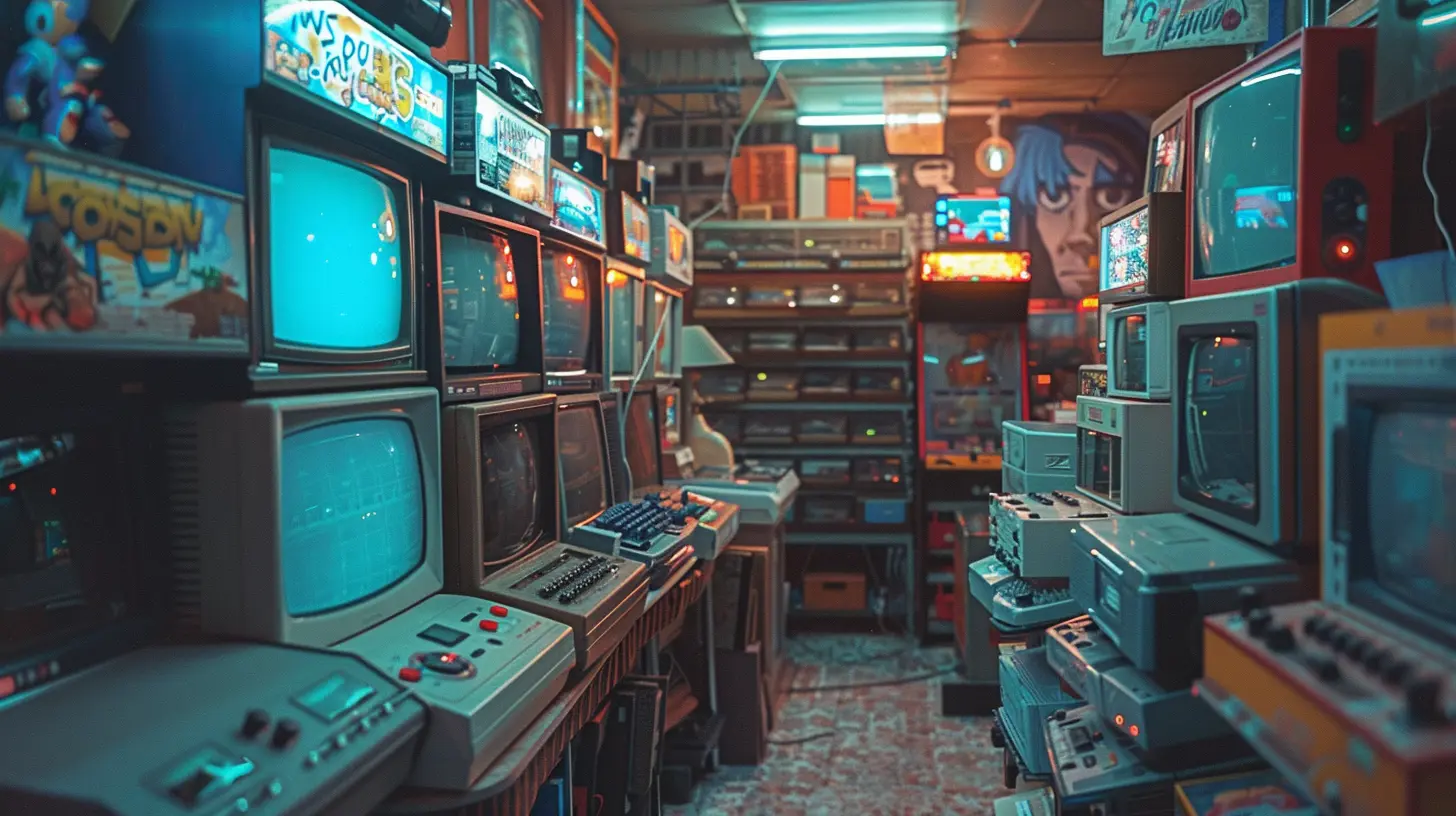
The Cracks Begin to Show
Late Fees and Limited Stock
Despite all the hype, the cracks in the rental model began to show. First off—late fees. If you’ve ever returned a game a day late and been hit with a charge bigger than your lunch money, you know the pain. These fees annoyed customers, and many started to feel the system was more about penalties than service.Then there was the issue of stock. Want to rent the latest Call of Duty or Madden the weekend it drops? Good luck. Chances are, every copy was already gone—snatched up faster than a grape-flavored Popsicle on a hot day.
Digital Beginnings
As internet speeds improved and digital marketplaces like Xbox Live and PlayStation Network matured, the writing was on the wall. Why rent a game when you could download it instantly at home? Even better—demos became more common, letting you try before you buy.Physical game rentals began to feel... outdated. Clunky. Like turning pages in a Yellow Pages book while everyone else just Googled.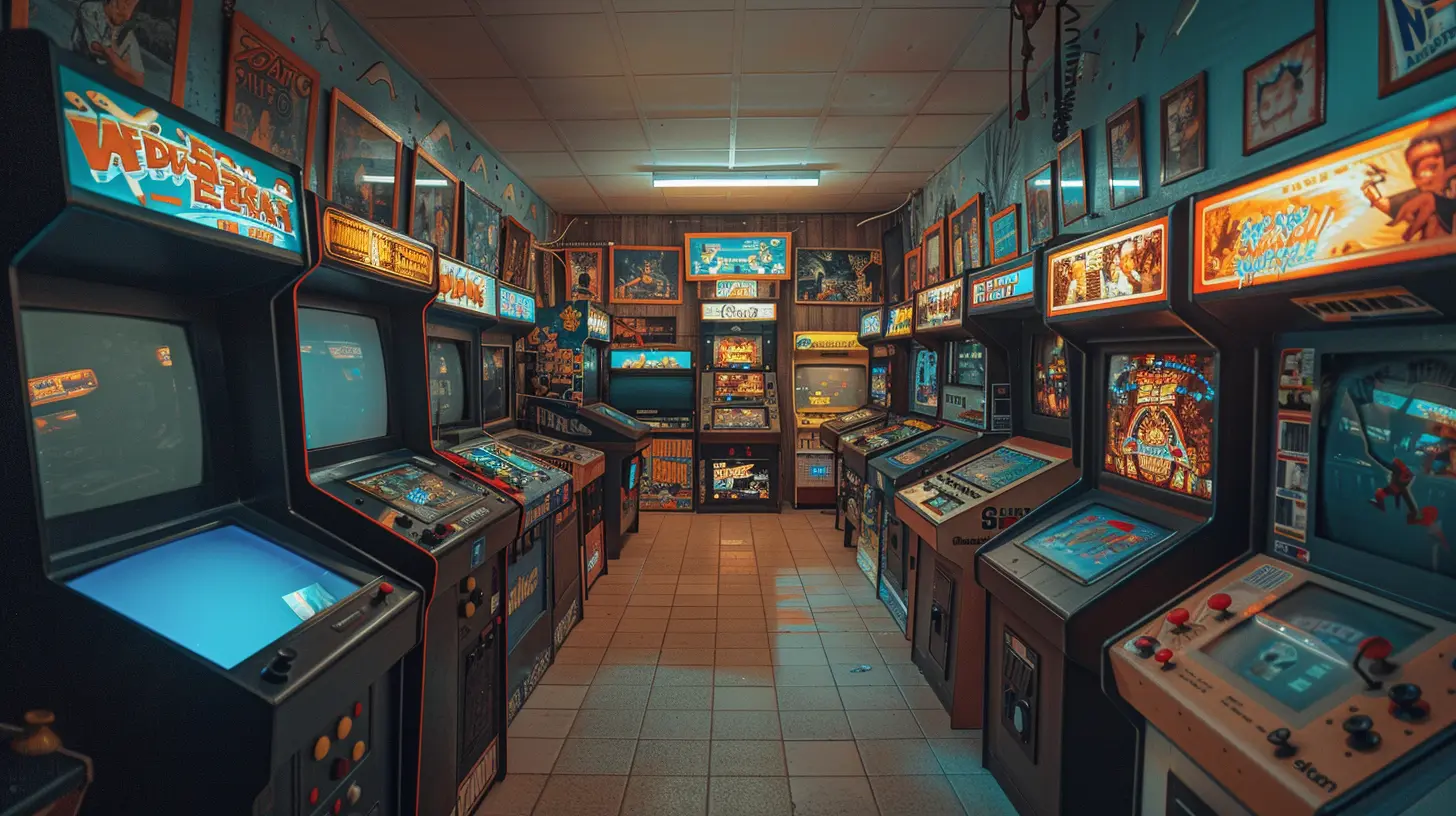
The Fall: What Killed the Video Game Rental Store?
Digital Distribution Takes Over
Let’s be honest—digital downloads were the final nail in the coffin. Steam on PC, Xbox Game Pass, PlayStation Plus, and even the Nintendo eShop made it ridiculously easy to buy, rent (sort of), or subscribe to a library of games. Without needing to leave your couch.Developers started offering early access, cloud saves, and downloadable content (DLC) that made physical copies feel like old news.
Redbox Gave It a Shot—Then Quit
For a while, Redbox made a valiant attempt to keep rentals alive. They included video games in their disc-popping kiosks. It was convenient and cheap, but short-lived. Redbox ultimately axed game rentals in 2020, citing low demand.The truth was clear: convenience had changed the game. We wanted it now, digitally, and preferably without standing in line behind someone returning seven movies at once.
The Irony: Rentals Are Making a Digital Comeback?
Here’s where it gets weird—while physical rentals vanished, the concept of “renting” games is alive and well… in digital form.Game Subscriptions: The New Rental King
Think about it. Xbox Game Pass, PlayStation Plus Premium, EA Play—they’re basically rental services wrapped in a subscription model. Pay a flat monthly fee and get access to hundreds of games. Sound familiar?Only now, there’s no worrying about stock, late fees, or scratched discs. Just pure gaming, on demand.
So in a way, the rental model didn't die—it just evolved. It put on a new digital skin and came back stronger, faster, and more convenient than ever before.
What We Miss About the Video Game Rental Era
The Nostalgia Factor
Sure, digital is convenient—but it’s hard not to miss the ritual. There was something so personal, so tactile about walking through aisles, reading the backs of game cases, and making that all-important pick.Kids now will never know the struggle of picking between two epic games knowing you can only choose one. Or the frustration when your rented disc had that ONE scratch and froze during the final boss.
Discovering Hidden Gems
One of the underrated beauties of game rentals? Stumbling upon absolute gems. Maybe that weird, colorful game with the odd name caught your eye and—bam—you’d found a new favorite. You probably never would’ve bought it, but a rental made the risk worth it.Today’s curated feeds and algorithms are smart, but they can’t replicate the randomness of pulling a dusty case off a shelf and being pleasantly surprised.
Lessons from the Rise and Fall
The video rental game era was a product of its time. It filled a need, brought people together, and let us try something new without commitment.As technology changed, so did our habits. We traded in physical cases for digital libraries, and late fees for monthly subs. But the spirit of trying before buying, of switching up your experience without diving in all the way—that still lives on.
Put simply? The rental vibe never really died. It just logged on.
Final Thoughts
For those of us who lived through it, the video rental game era holds a special place in our hearts. It was a time of discovery, connection, and pure gaming joy. Sure, it’s gone—but its legacy lives on in every game we download, every title we stream, and every time we tell a younger gamer, “Back in my day…”So next time you boot up Game Pass or grab your favorite cloud-saved title, maybe take a moment to remember the worn carpets, the handwritten “OUT” tags, and the joy of picking a winner off the shelf.
Long live the game rental era—even if it’s just in memory (and in Wi-Fi signals).
all images in this post were generated using AI tools
Category:
Gaming NostalgiaAuthor:

Tayla Warner
Discussion
rate this article
2 comments
Nolan Taylor
Video rental games shaped culture but quickly faded.
May 8, 2026 at 3:52 PM
Tayla Warner
Absolutely. Video rental games offered a unique experience, but changing technology and gaming habits led to their decline. They were a key part of gaming history, though.
Brick Good
Video rentals changed gaming but couldn't last long.
May 1, 2026 at 4:19 AM