Why Villains in Games Are Getting More Complicated
7 August 2026
Let’s be real—every good hero is defined by the villain they’re up against. Over the years, gaming villains have evolved from basic bad guys with evil laughs into complex, layered characters with motivations that make you stop and think, “Wait… do they actually have a point?”
So, what’s changed? Why are villains in games suddenly so much more complicated?
In this article, we’re diving deep into the growing complexity of villains in video games. From narrative shifts to players’ changing expectations, we’re breaking it all down in a way that’s easy to understand—and honestly, kind of fun to think about.
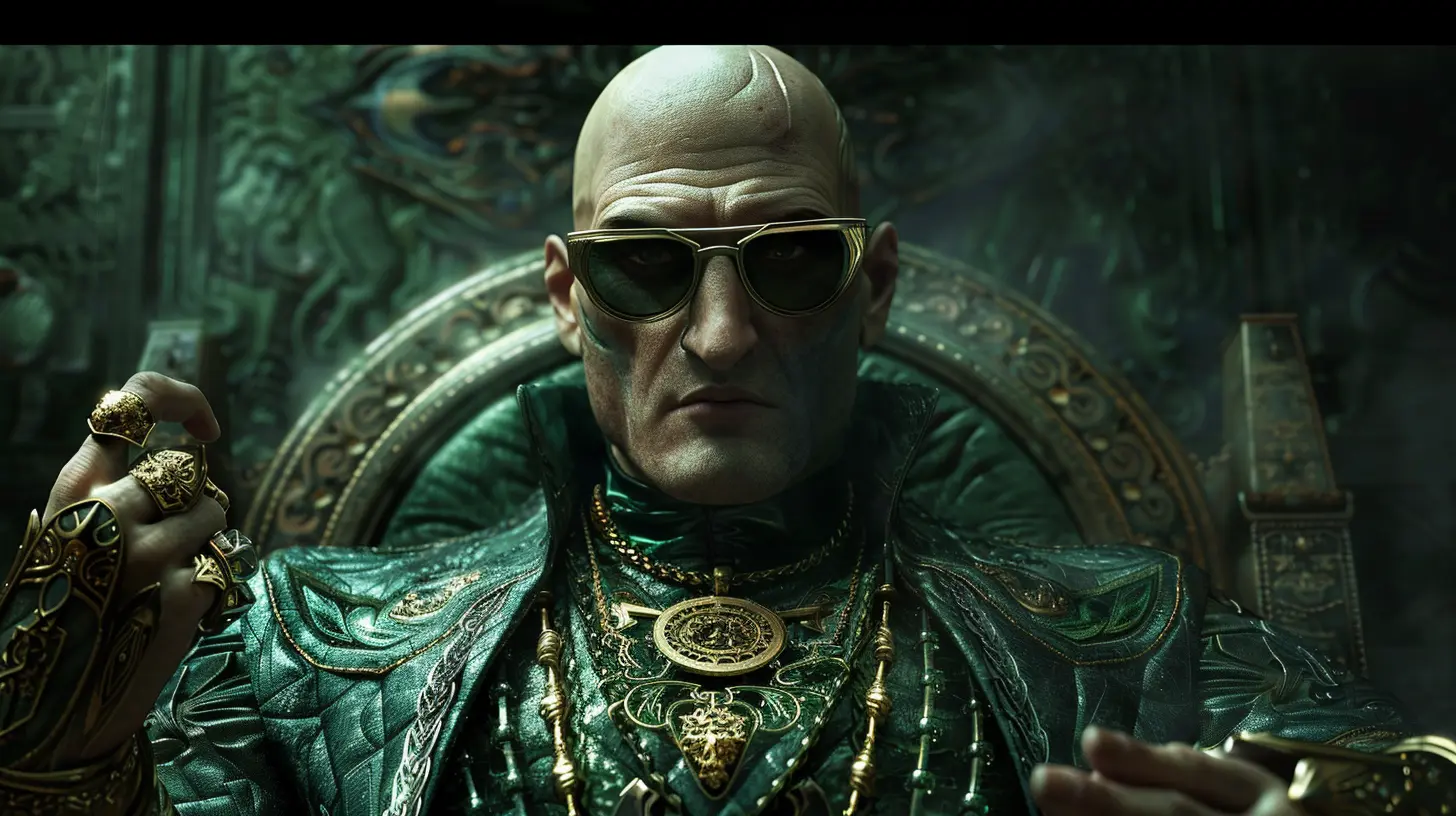
The Shift From “Evil for Evil’s Sake” to Moral Ambiguity
Back in the day, villains were simple. Think Bowser—he kidnaps a princess. Why? Because he’s bad. That’s it. There’s no emotional backstory, no justification, no gray area.But now? We’ve got characters like Vaas from Far Cry 3, Dutch van der Linde from Red Dead Redemption 2, and even Sephiroth from the Final Fantasy series evolving into something far more intricate.
So, Why the Shift?
Writers and developers have realized that flat, predictable villains don’t keep players invested. Let’s face it: pure evil is boring. But moral ambiguity? That’s juicy. That’s where the story gets interesting.Players love being forced to question themselves. It’s that internal conflict—should I really hate this guy? Or do I kind of understand where he’s coming from?
When games create villains with relatable motivations, suddenly the line between good and evil blurs—and that’s where storytelling thrives.
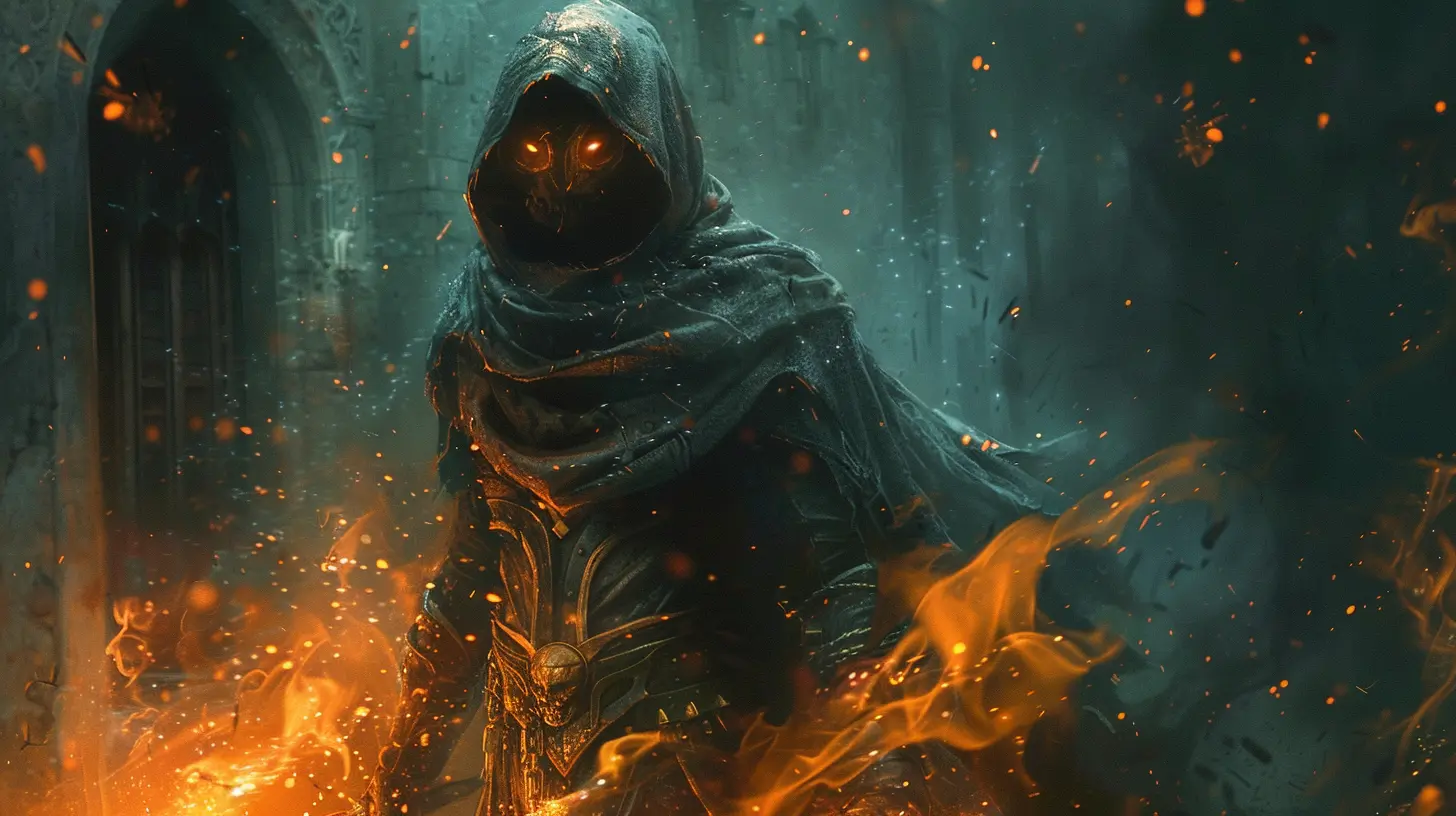
Players Are Smarter (And Pickier) Than Ever
Gamers today are more story-savvy. They’ve seen it all—plot twists, double-crosses, redemption arcs. So you can’t feed them the same one-note villains anymore and expect them to be impressed.Modern players want depth. They want to be emotionally challenged. If a game doesn’t make you at least consider the villain’s side, it’s not doing its job.
Think About It:
Would The Last of Us Part II be nearly as impactful if you didn’t sort of see where Abby was coming from?Exactly.
Game narratives are now designed to spark discussion. Reddit threads, YouTube breakdowns, Twitch debates—they all revolve around deeper, more meaningful character analysis. And complicated villains are a huge part of that.
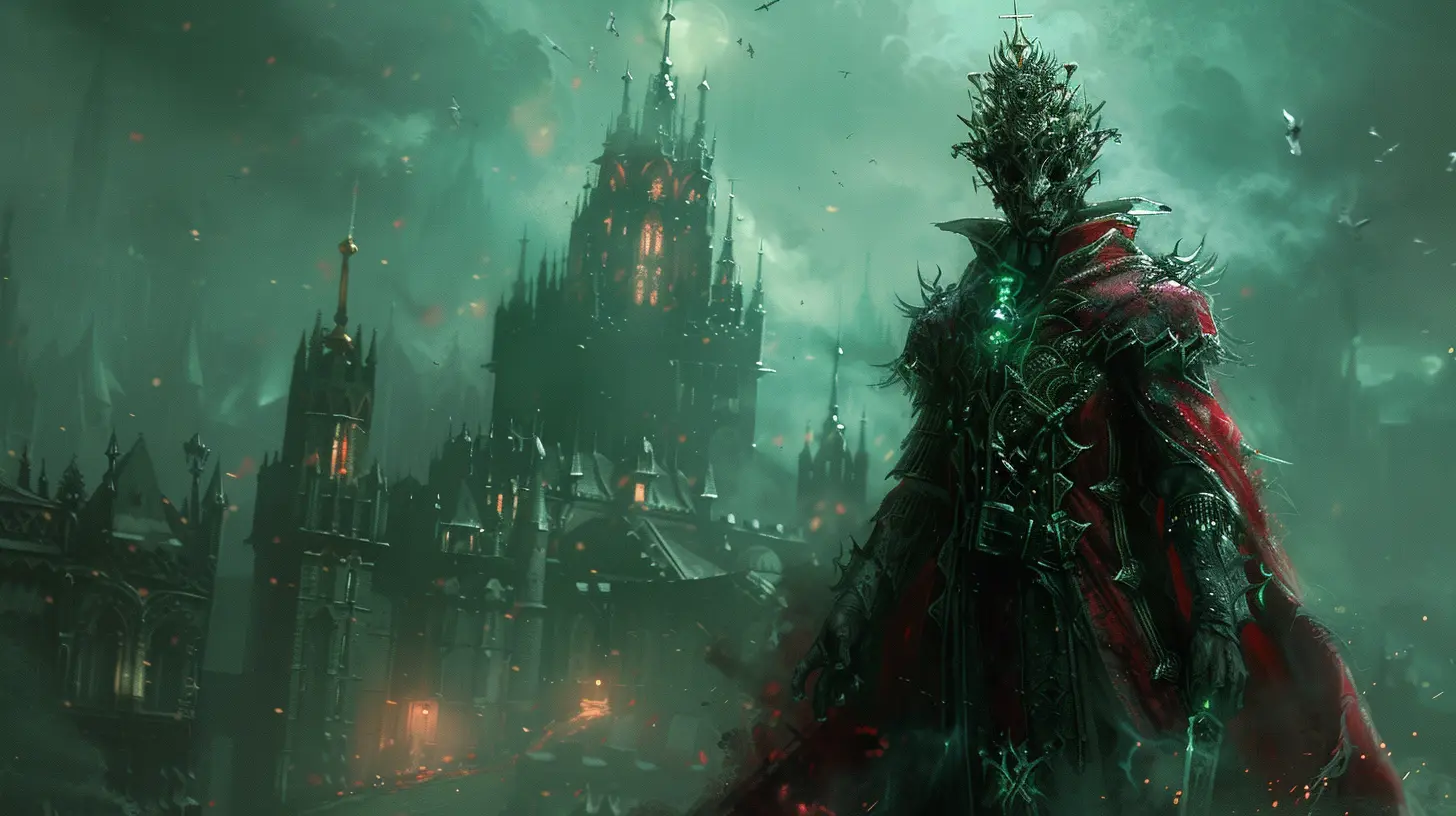
Storytelling in Games Has Leveled Up
We’ve come a long way from “beat the boss, save the world.” Gaming has grown into a serious storytelling medium, and that means richer plots, stronger character development, and more room for nuance.Writing Like a TV Show
Games now take inspiration from TV dramas and movies. You’re looking at 20- to 60-hour narratives that feel like binge-watchable shows. And with that kind of storytelling real estate, you can’t waste your villain on cliché tropes.A good villain now needs:
- A compelling backstory
- Personal stakes
- Emotional depth
- Believable motivations
The more you invest in these elements, the more your players care—and the more memorable the villain becomes.
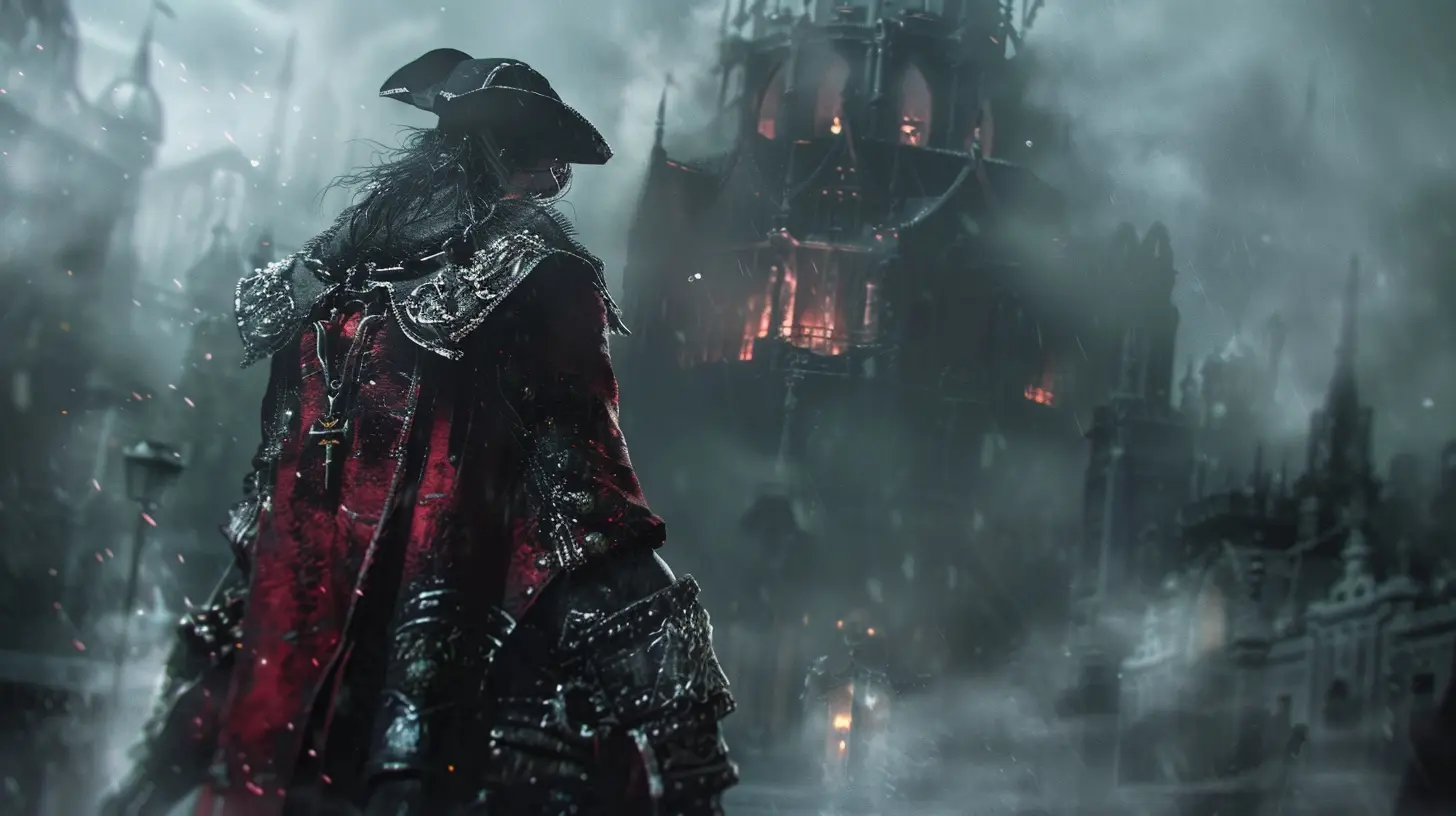
Developers Are Embracing Empathy
Sounds weird, right? Empathy for a villain?But here’s the thing: when a game gives you a peek into the villain’s perspective—even for just a moment—it changes everything. You don’t just hate them; you start to understand them. And that emotional messiness? That’s what sticks with you long after the credits roll.
Case In Point: Far Cry Series
Far Cry’s antagonists are almost always the star of the show. Pagan Min, Joseph Seed, Anton Castillo—you might not agree with them, but you can’t help but be intrigued. These characters often operate under their own moral compass, twisted as it may be. They see themselves as the hero. And that’s powerful.Gray Morality Reflects Real Life
Let’s be honest—real life isn’t black and white. People aren’t 100% good or 100% evil. And honestly? Neither are game characters anymore.This move toward gray morality mirrors what we deal with in the real world. War, politics, justice—these aren’t simple issues. And as games try to mirror the complexity of real life, their villains naturally become more layered.
The “Relatable Antihero” Trend
Sometimes, the villain isn’t even a villain. They’re just the protagonist of their own story. Think about Kreia from Knights of the Old Republic II—she challenges everything you believe about the Force. Or GLaDOS from Portal—a hilarious but calculating AI who forces you to question her true motives.These characters aren't evil for the sake of the plot—they genuinely believe they’re right. And don't we all, really?
Multiple Perspectives Make for Richer Narratives
Another big reason villains are getting more complicated? Perspective.Games like Detroit: Become Human and Spec Ops: The Line show the story from different sides, letting you experience moral dilemmas first-hand. This makes it way harder to just slap a “villain” label on someone and move on.
You Become the Judge
It’s no longer about what the game tells you to think—it’s about how you process the narrative for yourself. The story asks questions instead of giving answers. And when that happens, you start making your own moral evaluations.That’s what makes you remember a story. Not the flashy cutscenes—but the emotional choices you had to face.
Investment in World-Building
Today’s developers put a LOT of work into building immersive worlds. And you know what makes those worlds feel real? Characters who represent that world’s complexities—including the bad guys.Take Cyberpunk 2077
Smasher might be terrifying, but it’s villains like Evelyn Parker who blur the lines between good and evil. She’s a victim, but also manipulative. You don’t know whether to pity her or judge her. That tension? That’s where the story shines.As game worlds grow more elaborate, so does the web of character motivations behind them. Villains are no longer outsiders—they’re woven into the fabric of the world.
Player Choice Changes Everything
Open-world games, RPGs, and narrative-driven adventures often give you the power to make key decisions. And when your choices influence the outcome, it forces you to really think about the consequences—especially when villains are involved.Branching Stories, Branching Villains
In games like Mass Effect or The Witcher 3, villains respond to your actions. They shift, evolve, and even react emotionally based on how you interact with them.That makes them feel like real people with real stakes. The more you engage with them, the more complicated the relationship becomes.
Social Commentary Through Villains
Let’s not overlook this—many modern villains are used as a vehicle for social commentary. Games are increasingly confronting tough topics like:- Corruption
- Systemic injustice
- Mental health
- Political extremism
Villains often embody these issues, exaggerating them just enough to prompt reflection without being preachy.
Not Just “The Enemy”
Instead of being just “the bad guy,” villains today represent ideologies and systems. They become symbols of something bigger, challenging players to analyze their own values and beliefs.This makes the villain an integral part of not just the plot—but the conversation.
It’s What the Audience Wants
At the end of the day, game design is part art, part business. And the audience has spoken—complex characters sell.Villains that spark debate, emotional reactions, and YouTube essays? That’s good marketing. Just look at the buzz around characters like Handsome Jack or Baldur’s Gate 3’s villains.
Emotional Impact Sells Games
People remember how a game made them feel. If a villain makes you mad, sad, or even sympathetic? That’s emotional weight. And that’s what keeps players talking, writing reviews, and sharing gameplay clips online.Final Thoughts: Why We Love Complicated Villains
So, if you’re wondering why villains in games are getting more complicated—it’s because we’ve evolved as players, and the industry has evolved with us. We want more than just a bad guy to punch—we want someone we can wrestle with morally and emotionally.When a game makes you feel something for the villain—when you feel conflicted, challenged, maybe even a little uncomfortable—it sticks with you. That’s the power of storytelling, and games are finally leaning into it.
So next time you’re playing through a game and catch yourself sympathizing with the enemy, don’t be surprised. That’s not bad writing.
That’s good gaming.
all images in this post were generated using AI tools
Category:
Game StorylinesAuthor:

Tayla Warner