Why Game Fans Become Deeply Invested in Character Arcs
13 July 2026
Video games aren't just about winning levels, racking up points, or boasting about your KD ratio. They're emotional rollercoasters, deep stories with twists and turns, and characters that feel like old friends—or bitter enemies. Ever caught yourself aching when a beloved character dies? Or celebrating like crazy when a long-lost protagonist finally redeems themselves? Yeah, same here.
So, what's the deal? Why do gamers get this attached to character arcs? Why do fictional beings created with pixels and code capture our hearts, and sometimes even change how we see the world? Let’s dive deep into the emotional magic behind character arcs and why they hit us so hard.
The Human Touch: Characters Feel Real
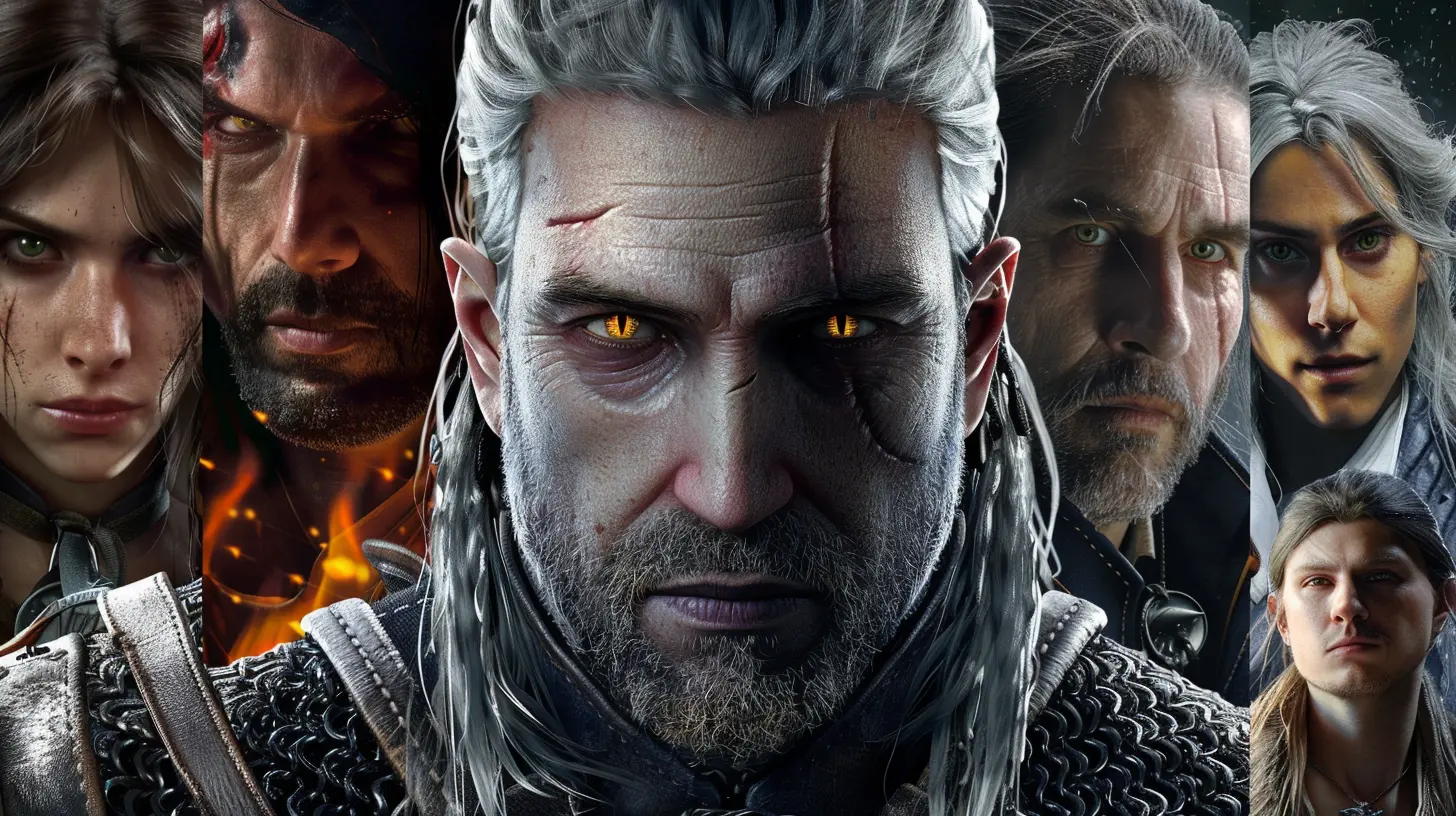
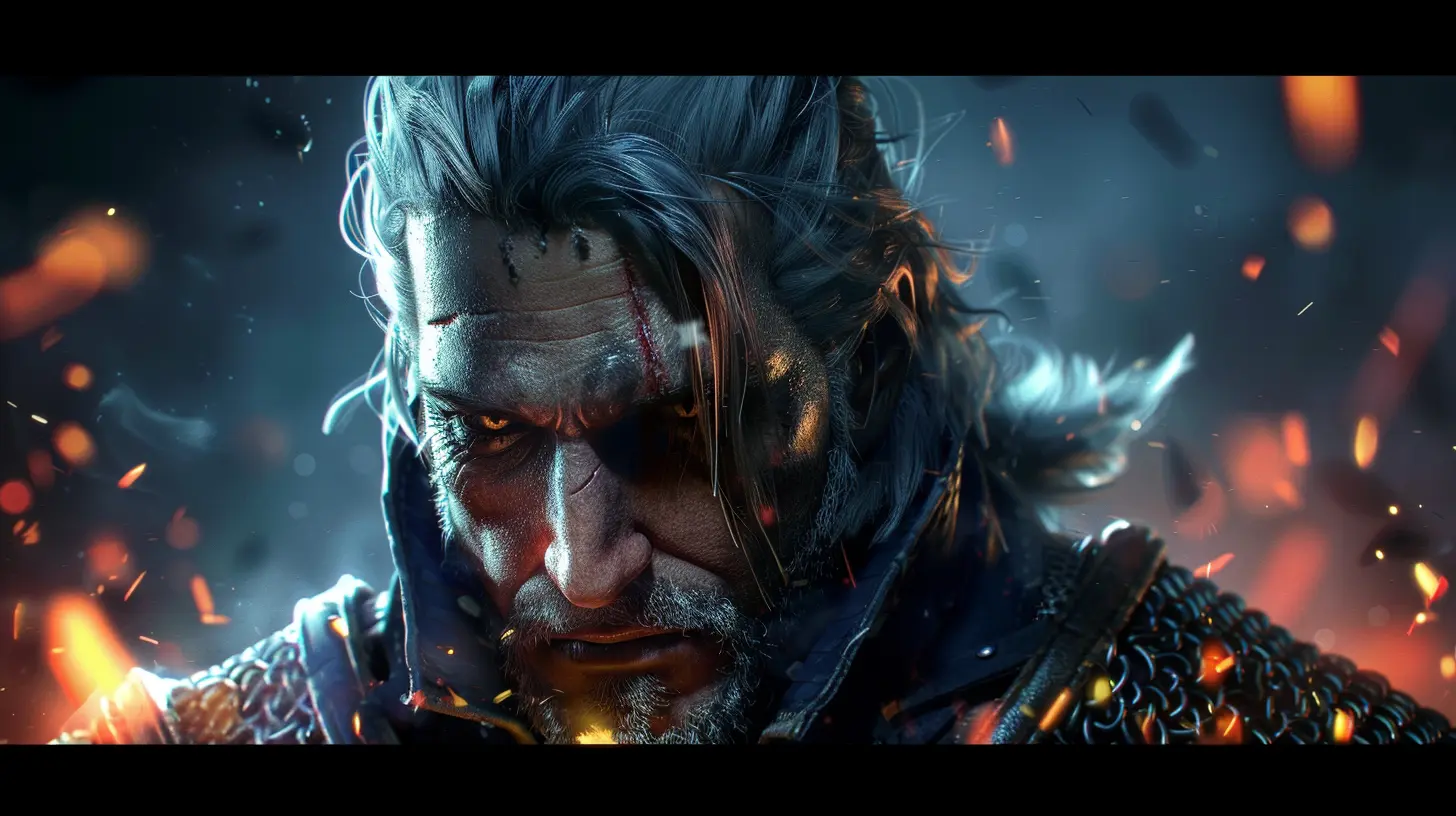
Let’s start with the basics—people connect with people. And game developers have gotten really, really good at making characters feel like real individuals. Their expressions, their voice acting, their struggles—it all feels personal. Even though they're fictional, we see parts of ourselves in them.Think about characters like Joel and Ellie from The Last of Us, or Geralt from The Witcher. These aren’t just avatars shooting baddies. They have flaws, motivations, fears, and pasts. It’s like watching a well-written TV show, only better—because we’re part of the story.
Interactive Storytelling Hits Different
Unlike movies or books, games put you in the shoes of the protagonist. You're not just watching a character make decisions—you’re making them. This interactivity creates a powerful emotional bond.Let’s say you decide whether to save or sacrifice a character in a game. That choice isn’t abstract—it’s yours. You carry the weight of the consequences. That’s a whole different level of engagement.
When you make decisions for a character and watch them grow from those moments, a personal connection forms. It’s your journey just as much as theirs.
Growth That Mirrors Our Own
Why do we love character arcs? Because they reflect the human experience. Life isn’t static. Nobody stays the same forever. We grow, we fail, we improve—we evolve. Character arcs in games mirror that journey.Take Kratos in God of War. He starts as a rage-fueled warrior, but under the surface, he’s grappling with regret, fatherhood, and redemption. That evolution is something we feel because we’ve been there. We’ve all messed up and tried to be better. That relatability pulls us in.
And when we see a character grow through hardship, it’s inspiring. It reminds us that change is possible, that strength comes from struggle, and that we can evolve too.
Emotional Investment Pays Off
Let’s be real—when you’ve spent 40+ hours with a character, it’s hard not to care. You’ve laughed with them, fought beside them, and sometimes cried over their losses. That kind of time investment builds attachment.Just like binge-watching your favorite show, long game narratives create space for deep storytelling. You’re not rushing through a two-hour plot—you’re immersed in an epic tale. The more time you spend, the more you care.
This emotional investment also makes the highs feel higher and the lows feel crushing. When a character overcomes their demons or faces tragedy, it’s not just their story—it feels like yours too.
Role-Playing and Projection
Here’s where it gets deep: we often project ourselves onto characters. Ever caught yourself thinking, “If I were in their shoes, what would I do?” That’s not just hypothetical—that’s how games are designed.Role-playing games (RPGs) especially encourage this type of immersion. You customize your character, choose dialogue options, and make moral choices. That level of control turns characters into extensions of ourselves.
This kind of involvement triggers empathy. We don’t just understand a character’s choices—we feel them. And once you’ve seen the world through their eyes, it’s hard not to care what happens to them.
Community and Shared Experience
Let’s not ignore the social aspect. Game fans love to talk. Forums, Reddit threads, YouTube lore videos, Twitch streams—everyone’s got something to say about their favorite characters. And when you love a character arc, it’s like joining a secret club.Discussing story theories, debating choices, or mourning a character’s death with others creates a shared experience. It’s that beautiful moment when you realize, “Wow, I’m not the only one who cried during that cutscene.”
Communities make character arcs even more powerful because they multiply the emotional energy. One person feeling moved is cool—but thousands of people sharing that emotion? That’s lightning in a bottle.
Variety of Perspectives is a Strength
Modern games are doing an amazing job of telling diverse stories. Characters come from all sorts of backgrounds, cultures, and experiences. That diversity gives more players the chance to see themselves in the game world.Representation matters. When you see someone like you overcome challenges in a story, it’s validating. It tells you that your story matters too. And when you play as someone completely different from yourself, it’s an opportunity for empathy and growth.
More perspectives mean more complex, compelling character arcs—each offering something new and valuable.
Conflict Creates Transformation
Let’s circle back to the heart of any good story: conflict. Characters without struggles are boring. It’s in the hardest moments—the betrayals, the losses, the impossible choices—that characters truly shine.And when we see them struggle, we’re reminded of our own challenges. A good arc doesn't show perfection; it shows resilience. It’s about falling, getting up, and choosing to keep going.
This is why redemption arcs are so satisfying. Seeing a character go from villain to hero or from selfish to selfless feels deeply rewarding. It’s the same reason we love stories like Zuko’s in Avatar (even if it’s not a game—it still fits!).
Sense of Purpose and Destiny
Many iconic character arcs revolve around a central question: “What is my purpose?” That’s something we all ask ourselves at some point. Seeing a character struggle with identity, purpose, and legacy hits home.In Assassin’s Creed, for example, the ongoing theme of free will versus destiny is explored across multiple characters and timelines. Watching how characters choose their path gives us a sense of philosophical satisfaction. It scratches that itch in our souls asking, “What am I meant to do?”
When a character finds their place in the world, it gives us hope that we can discover our own.
Nostalgia and Long-Term Attachment
For long-running franchises, there’s another layer. Characters evolve over years—or even decades. If you started playing Final Fantasy or Zelda as a kid, chances are you’ve grown up alongside your favorite heroes.This kind of long-term relationship builds nostalgia. And nostalgia? It’s emotional rocket fuel. It makes every callback, every reunion, every final moment punch a little harder in the heart.
Games become time capsules. You remember where you were when you first met a character. That sense of history deepens the attachment.
When Characters Break the Mold
We also get invested when characters surprise us. When they break stereotypes, challenge expectations, or flip the script on traditional tropes, it’s exciting.Take Aloy from Horizon Zero Dawn. Here’s a fiercely independent, sharp, and curious protagonist navigating a post-apocalyptic world. She’s not your average hero, and that uniqueness makes her unforgettable.
Subverting character tropes makes us pay attention—and gives us something fresh to connect with.
Closure and Farewell
And oh man, the endings. When a game wraps up a character’s arc well, it’s like watching a beloved friend move away. Bittersweet, meaningful, and full of emotion.Games like Red Dead Redemption 2 give us unforgettable goodbyes. We mourn, we celebrate, we remember. That sense of closure—even when sad—feels earned. It’s the ultimate payoff after an emotional journey.
Sometimes we wish we could just keep playing forever. But in truth, it’s the ending that makes the arc so powerful.
Final Thoughts: Why We Care So Much
At the end of the day, character arcs in games stick with us because they mirror life. They're rich with emotion, layered with depth, and driven by the same forces that shape us—love, fear, hope, regret, and growth.We don't just play games. We live them. And through the eyes of our favorite characters, we learn a little more about ourselves. We cheer for their victories, grieve their losses, and carry their stories with us long after the controllers are set down.
So if you've ever cried over a fictional hero or stayed up all night just to see how a character's journey ends—don’t worry. You're not alone. You're part of something magical.
Because in the world of gaming, character arcs aren’t just stories—they’re experiences. And those experiences stay with us forever.
all images in this post were generated using AI tools
Category:
Game StorylinesAuthor:

Tayla Warner