The Trials and Triumphs of Blowing on Cartridges
15 June 2026
Ah, blowing on cartridges — if you grew up playing video games in the '80s, '90s, or even early 2000s, you probably did this at least a hundred times. You pop your favorite NES cartridge into the console, press power, and… nothing. Black screen, glitchy graphics, or a blinking red light. So what do you do? You pull that bad boy out, give it a hearty puff of air like it's a magic flute, and try again. More often than not, it worked. Or at least we thought it did.
But here's the thing — was blowing on cartridges ever really effective? Or were we all just victims of video game placebo? Let’s dig into the dusty corners of our childhood memories and uncover the trials—and unexpected triumphs—of this nostalgic ritual.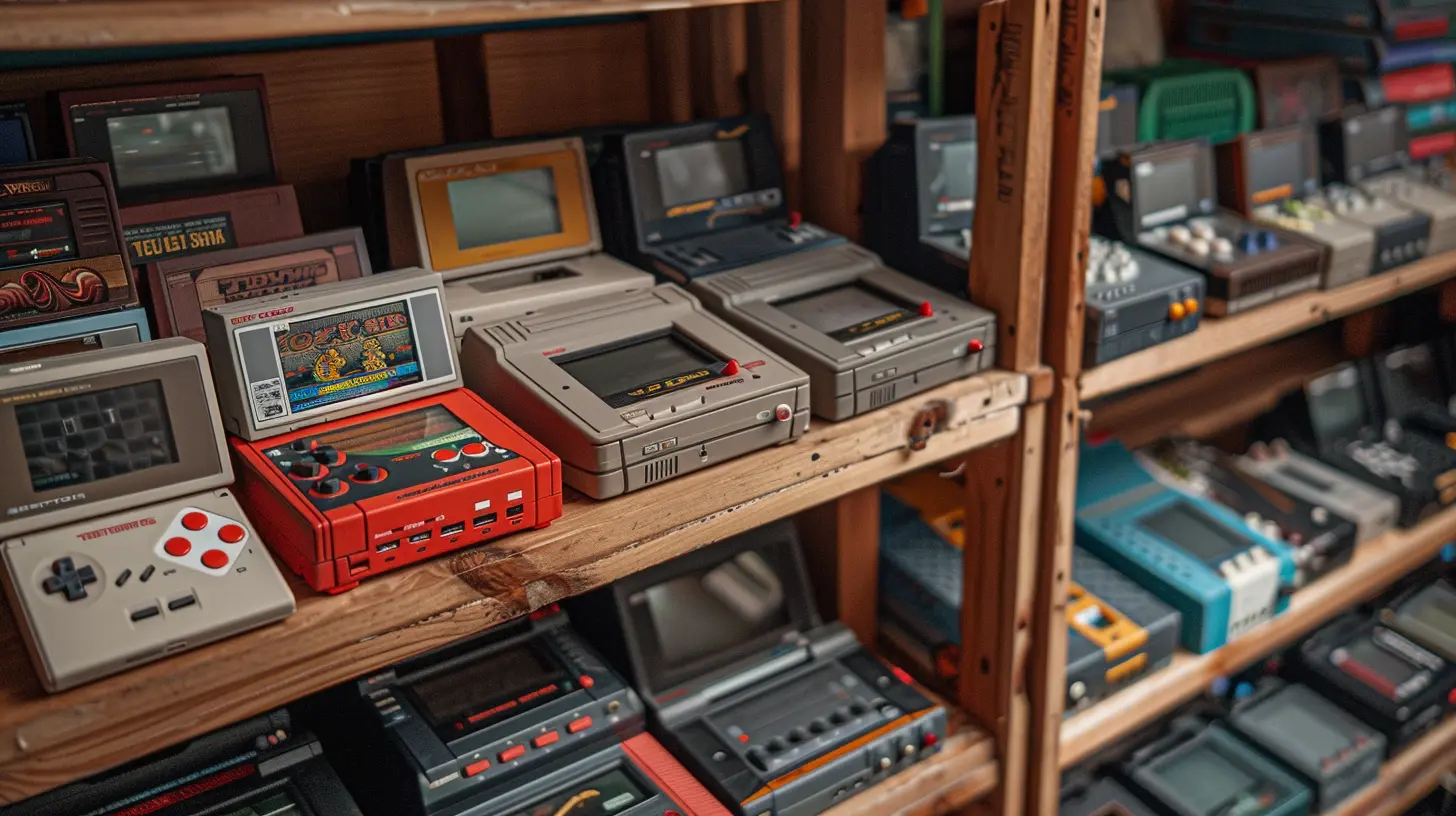
The Origins of the Cartridge Blow
Let’s rewind to a simpler time when consoles like the NES, SNES, and Sega Genesis ruled the living room. These machines ran on game cartridges, which had exposed contact points. When games didn’t load, the knee-jerk reaction for many was to blow into the cartridge—believing we were clearing out dust or dirt that was preventing a good connection.But where did this behavior actually come from? Most likely, it was passed down from friends, siblings, or even retail clerks. You probably didn’t read it in the manual (because it was strongly discouraged, as it turns out).
The act of blowing on cartridges became an unspoken ritual, a bonding tool, a tiny dance with fate before all-night gaming marathons. It was based more on shared experience and playground wisdom than science. Yet it stuck. Why?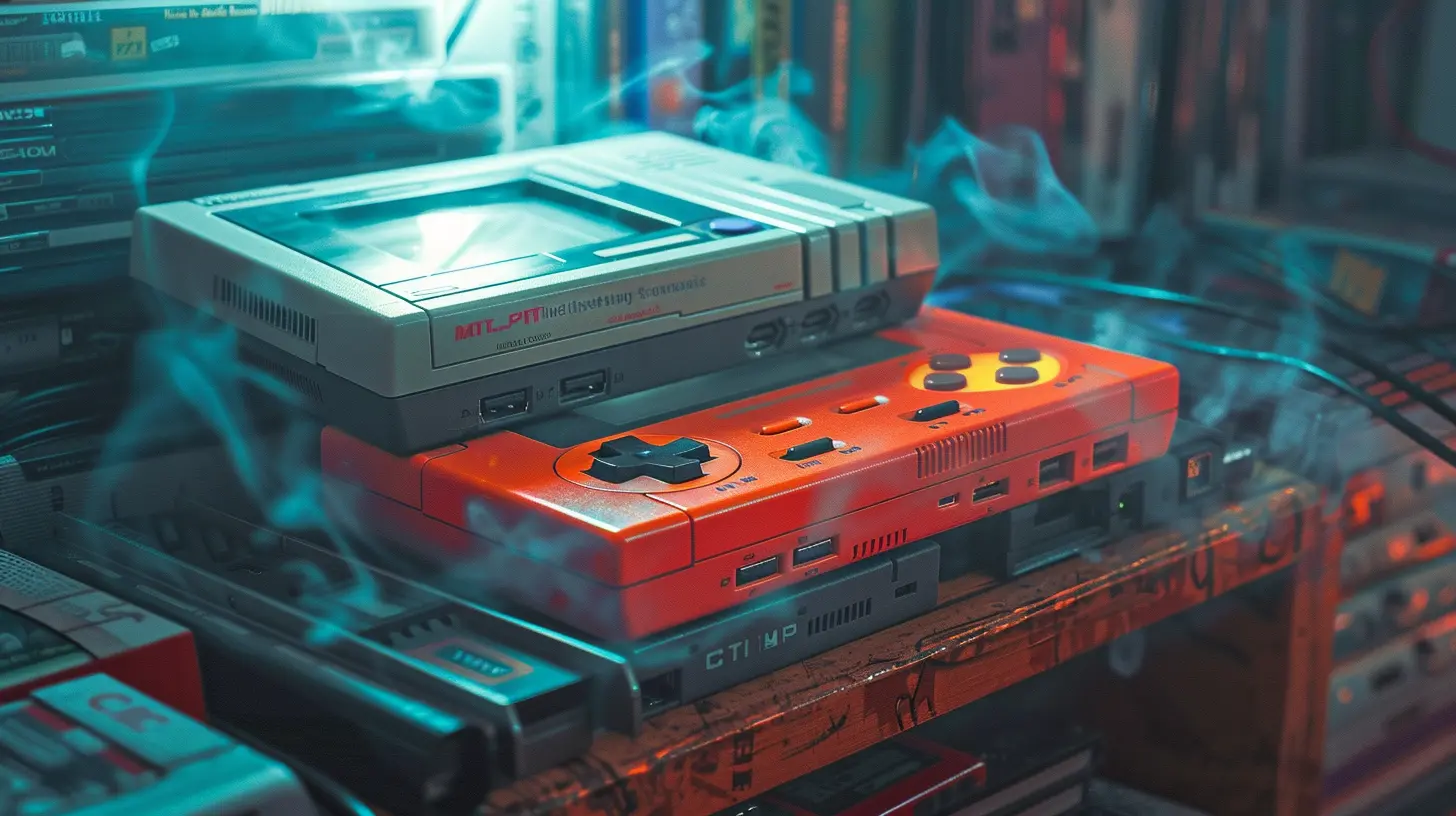
Science vs. Superstition: What Actually Happens When You Blow?
Okay, let’s talk facts. Physically, game cartridges connect to a console via metal contacts. These contacts can corrode, get oxidized, or just be poorly aligned. Dust might occasionally interfere, but not as often as we like to think.So when you blow on a cartridge, a few things could be happening:
- You dislodge a small piece of dust.
- You reseat the cartridge better on the second (or third) attempt.
- You introduce moisture from your breath—big uh-oh for metal contacts.
Yup, you read that right. Blowing can actually do more harm than good. Your breath carries moisture, which, over time, can lead to corrosion—ironically worsening the very problem you were trying to fix.
So why did the games work after blowing on them? Odds are, the improved connection came from reinserting the cartridge, not your secret lung-powered cleaning technique.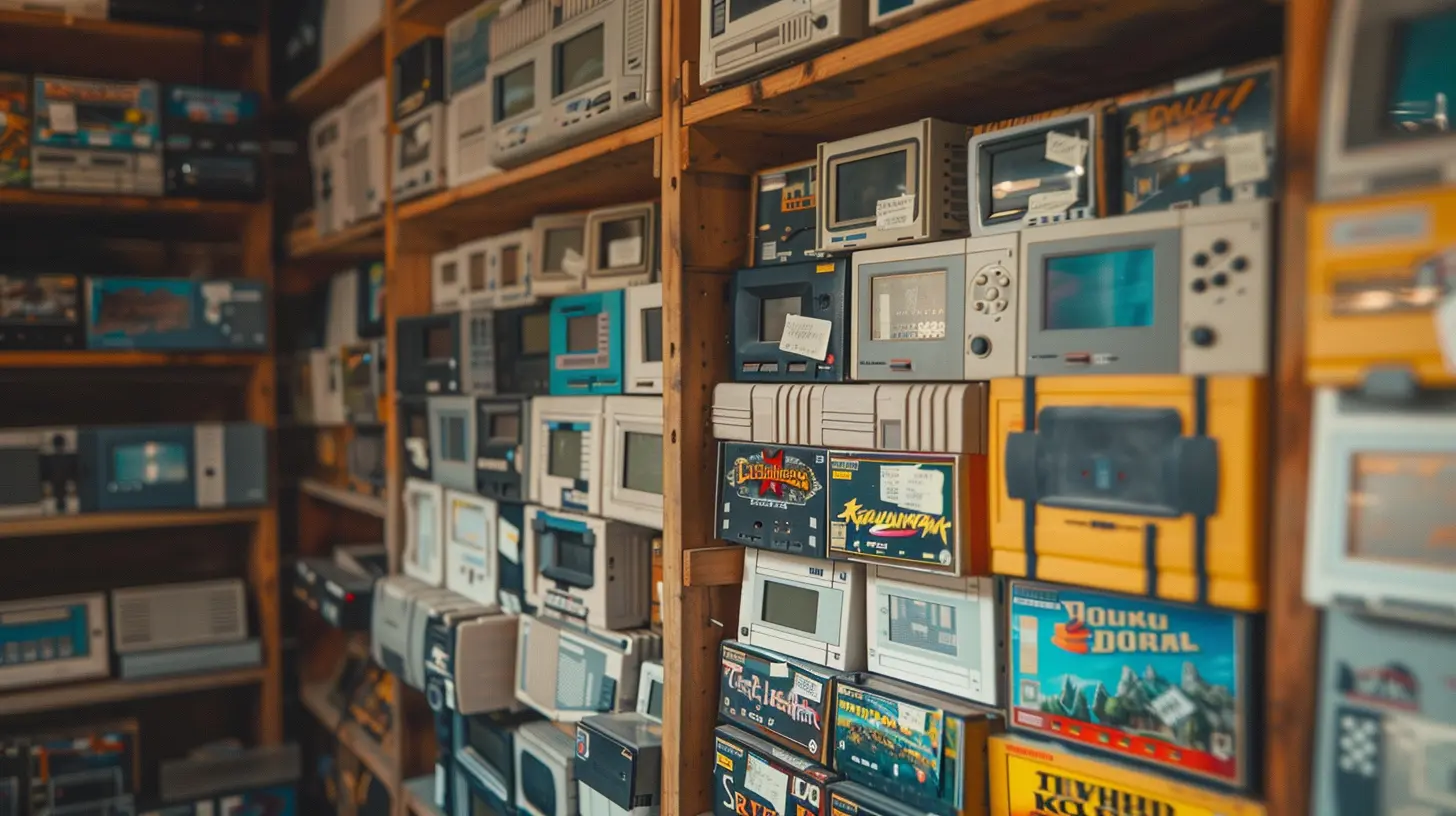
The Placebo Power of the Puff
Here’s where it gets crazy—you know the feeling of triumph when the game finally booted up after a good blow? That sense of power, like you were some kind of cartridge-whisperer?Yeah, that was probably placebo.
Let’s be honest—blowing and reinserting felt like a ritual. Like casting a spell. And when it worked, your brain rewarded you with a dopamine hit—you outsmarted the machine!
This is classic behavior-conditioning. It’s just like pressing the crosswalk button at an intersection. You feel like you're doing something, but often, the lights aren't even connected to the button. It’s pure psychology, and we fell for it every time.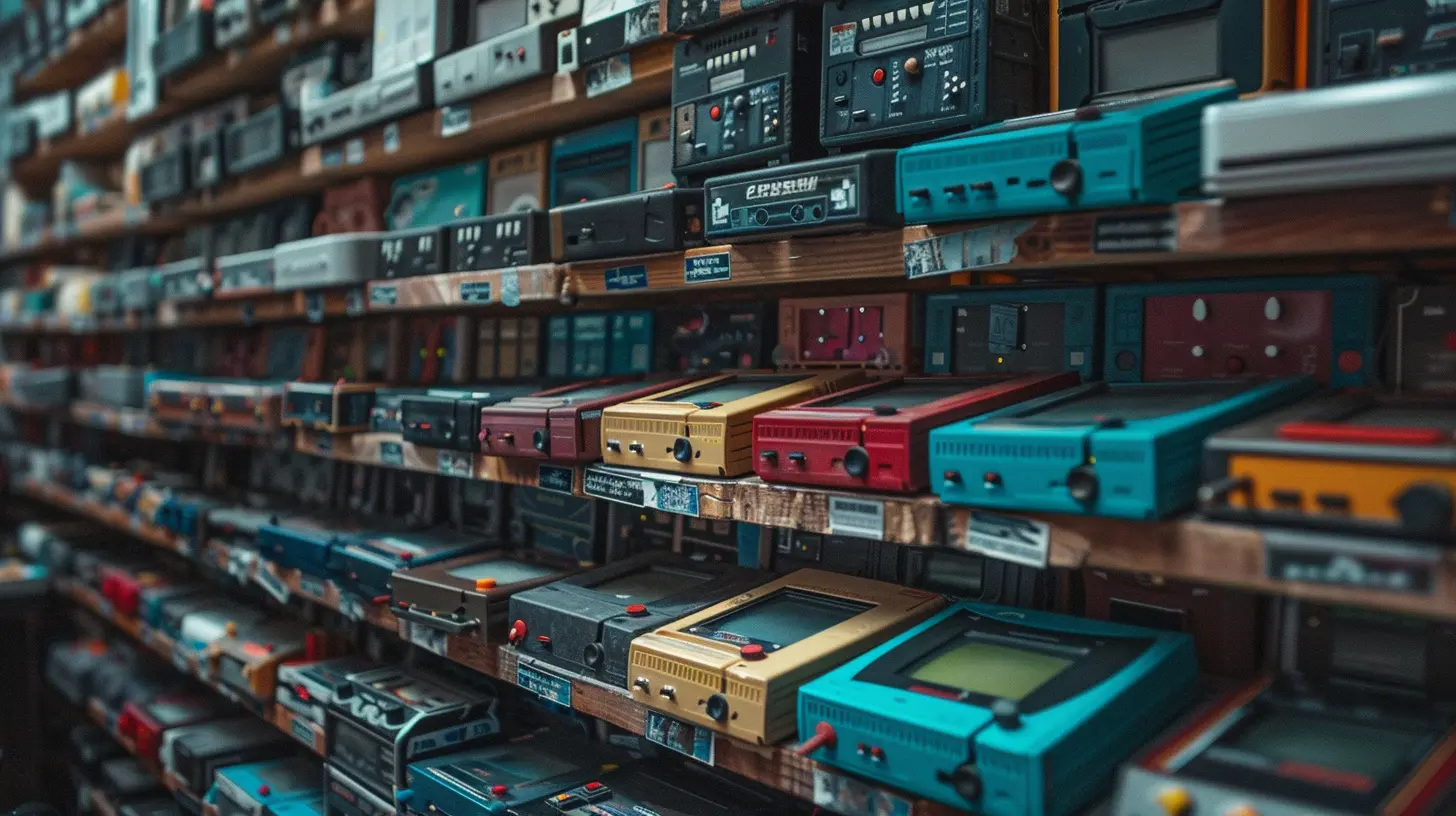
Nintendo’s Official Stance (Spoiler: They Weren’t Fans)
Nintendo was never on board with this practice. In fact, every manual warned against it. They suggested using official cleaning kits (which, let’s be real, barely anyone bought). The company knew that breath moisture could do long-term damage, especially if you were blowing on games regularly.Fun fact: the NES design wasn’t exactly cartridge-friendly to begin with. That push-down mechanism was unique but prone to wear and poor connections. Combine that with parents who didn’t believe in cleaning anything electronic, and you had a recipe for widespread blowing culture.
The Rise of Cleaning Alternatives
Eventually, gamers got wise. We moved into the golden era of rubbing alcohol and Q-tips. You knew someone serious about their gaming when they pulled out their cleaning kit like a doctor ready for surgery.These DIY cleanings proved far more effective—and safer—than breath-based solutions. A little isopropyl, a careful rub, and your game cartridge ran like new.
And don’t forget the contact pin tricks. Some folks learned to realign or bend the cartridge pins to improve connectivity. Others modded their consoles entirely, removing the original pin connectors or replacing them with modern, more reliable parts.
Yeah, we got nerdy. But it paid off.
The Cultural Significance of Cartridge Blowing
Let’s take a step back. Blowing on cartridges may not have been the best idea technically, but culturally? It was huge.It was part of the ritual of gaming. Like blowing on dice before a big roll, it added suspense and drama. You weren’t just starting a game—you were performing a sacred act. It built camaraderie. How many times did a friend coach you through the blow-and-reinsert maneuver like a seasoned pro? “No, no—blow softer. Like this.”
In hindsight, the act united generations of gamers. Whether you were playing Mario, Zelda, Mega Man, or some off-brand sports game, the struggle was real—and blowing was part of the journey.
From Analog to Digital: The Death of the Blow?
With the shift from cartridges to discs, then fully digital downloads, the era of blowing on games started fading. Discs had their own quirks (fingerprints, scratches), but you couldn’t blow them back to life.Today’s consoles—PS5s, Xbox Series Xs, and Switches—deal almost entirely in downloads or cloud play. There’s no struggle to get something to load. No cartridge to pray over. Everything just… works.
Technically, it’s better. But emotionally? It’s lacking.
That sense of victory when your game finally loaded after the fourth blow? Unmatched.
The Revival of Retro and the Return to Cartridge Life
Interestingly, we’re seeing a bit of a comeback. Retro gaming is booming. NES Classic, SNES Mini, and analog consoles have made cartridge gaming popular again. And with that, comes the old habits.Collectors and purists still use original hardware. And guess what? Some still blow on cartridges. Even though we know better, the ritual remains. It’s kind of like vinyl records—technically outdated, but deeply nostalgic.
In fact, some companies now create modern cartridges for retro consoles. Indie devs are reviving the format. So cartridge blowing? It’s not entirely dead. Just… retrofitted.
The Final Verdict: A Bit of Harm, a Lot of Heart
So was blowing on cartridges the right move? Nah, it was probably the worst-kept secret in gaming—a fix that wasn’t really a fix. But it was ours.It was a tiny, personal battle in the larger war against technical glitches. A superstition wrapped in nostalgia. And even if it damaged the hardware a bit, it made us feel like heroes. Like our games worked because of us—not just in spite of bugs or bad designs.
It reminded us that gaming wasn’t just about the games—it was about the experience. The rituals. The quirks. The community.
And honestly? That’s the kind of magic that doesn’t come bundled in with a Game Pass subscription.
Tips for Modern Cartridge Maintenance (No Blowing Required)
Okay, let’s say you’re diving back into retro gaming and want your cartridges in top shape. Here’s what to do instead of blowing:- Use a cotton swab and isopropyl alcohol (at least 90%): Gently clean the metal contacts.
- Invest in a proper contact cleaner: Some brands make kits specifically for retro cartridges.
- Store cartridges in dust-free containers: Keep them protected from air and moisture.
- Replace old pin connectors in consoles: A modern 72-pin replacement for NES can work wonders.
- Label and sort your games carefully: Avoid stacking or overhandling them.
You don’t need to blow—you just need to treat your collection with a little TLC.
Conclusion: Nostalgia Never Dies, But It Evolves
Blowing on cartridges: part myth, part memory, part meme. While technically flawed, it holds a place in gaming history that no cleaning kit ever could.Today’s gaming is near flawless—instant loading, cloud saves, 4K resolution. But ask any retro gamer, and they’ll tell you: nothing beat the suspense of wondering if the game would load… and the satisfaction when it finally did.
So here's to all the cartridge-blowers out there. You might not have fixed your games, but you did build a legacy of passion, problem-solving, and pixel-powered persistence.
all images in this post were generated using AI tools
Category:
Gaming NostalgiaAuthor:

Tayla Warner
Discussion
rate this article
1 comments
Rhett McInerney
Great article! It evokes nostalgia while highlighting the unique challenges of retro gaming. It's fascinating how such a simple action became a rite of passage for many gamers.
June 15, 2026 at 2:30 AM
Tayla Warner
Thanks for the kind words! I'm glad the article resonated with you and sparked those feelings. Retro gaming really does have a special place in so many hearts.