Why Flashbacks Are Becoming a Key Element in Game Stories
25 April 2026
Ever played a game where, halfway through the action, you’re thrown back in time to relive a character’s haunting past or a pivotal moment that changed everything? Yeah, that's a flashback—and it’s become a storytelling powerhouse in modern video games.
From indie gems to big-budget blockbusters, flashbacks are making waves in how games are told. But why are these time-traveling narrative tools getting so much love lately? Let’s dive into it.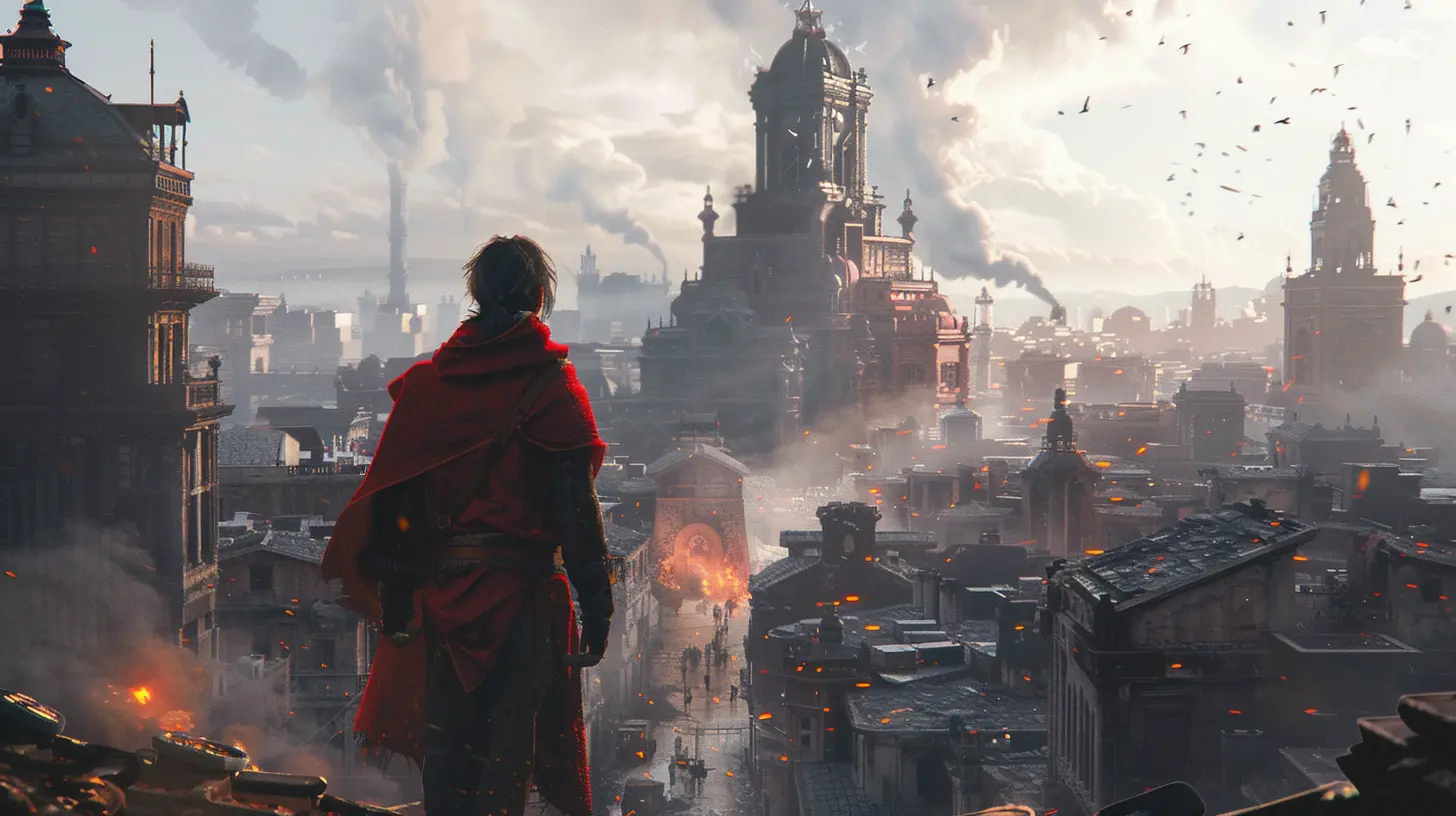
What Exactly Is a Flashback in Games?
Before we get ahead of ourselves, let’s clear up what we mean by “flashbacks” in the gaming world.A flashback is a narrative technique that interrupts the present timeline to show something from the past. In games, it’s more than just a cutscene; it’s often interactive. Players might actually play through the memory, making it a far more immersive experience than in movies or books.
In simple terms, flashbacks allow us to press rewind on a character’s life and peek into the events that molded them. Pretty cool, right?
Why Are Flashbacks So Popular Now?
You might be wondering, “Why now? Flashbacks have been around for ages!” True, but there’s been a noticeable surge in how games are using them lately—not just for backstory, but as a core part of the plot. Here's why.1. Games Are Becoming More Story-Driven
Let’s face it—not every gamer is here just for the explosions and loot. A lot of us crave deep, meaningful stories. And as video games have evolved into a serious storytelling medium, developers have started borrowing tricks from movies and literature. Flashbacks are just one of those tricks, but man, do they work.Think of titles like The Last of Us Part II. Flashbacks are not just sprinkled here and there—they’re essential to understanding the motivations and emotions of the characters. Without them, the story would feel incomplete.
2. They Add Emotional Depth
Let’s be real—when we emotionally connect with a game, we remember it for life. Flashbacks have this magical ability to humanize characters like no other tool. They show us vulnerability, trauma, love, loss—all the good stuff that hits you right in the feels.Take Red Dead Redemption 2. Arthur Morgan’s flashbacks and journal entries give players a full spectrum of who he is. You don’t just see the tough gunslinger—you see the man behind the mask.
3. Non-Linear Storytelling Keeps Things Fresh
Forget the “start-to-finish” timeline. Flashbacks allow developers to ditch the boring straight line and take us on a rollercoaster of past and present.This non-linear approach keeps players guessing. You’re constantly piecing things together, and when the puzzle finally clicks? Oh, that eureka moment is pure gold.
If you’ve played Life is Strange, then you know what I’m talking about. The back-and-forth storytelling pulls you in, piece by piece, until you finally understand the bigger picture.
Interactive Flashbacks: Changing the Game (Literally)
Here’s where things really get interesting. Unlike films or books, games let you interact with flashbacks. You’re not just watching or reading—you’re living it.Player Agency in the Past
In many games, flashbacks aren’t just passive reliving of events. You might be able to make choices during them. That’s huge. Think about it: your decisions in the past might affect the present timeline. That’s next-level storytelling.Take Detroit: Become Human for instance. Some flashback scenes allow the player to explore past events that later influence what happens in real-time. It adds layers of consequence and drama.
Flashbacks as Gameplay Tutorials
Sometimes, flashbacks are cleverly used to teach game mechanics without tossing you into a generic tutorial. You might flashback to a character’s training session or childhood, giving developers a natural reason to walk you through the ropes.It’s way more fun to learn controls through a memory of sparring with your older brother than from a robotic “Press X to jump” pop-up, right?
Flashbacks Help with World-Building
World-building isn’t just about massive maps or hundreds of side quests. It’s also about the history of the world you’re in.Flashbacks can reveal important events: wars, betrayals, lost civilizations—you name it. Instead of dumping lore in a codex you’ll never read, games can show you what happened.
For example, in God of War (2018), flashbacks to Kratos’ past life in ancient Greece give new players context and longtime fans goosebumps. It bridges the old and the new seamlessly.
They're Great for Plot Twists & Reveals
Flashbacks can seriously mess with your head—in a good way.A well-timed flashback can flip the whole story on its head. Suddenly, that character you thought was a hero? Boom—turns out they’ve been hiding something all along.
Games like Silent Hill 2 are masters of this technique. The story unfolds slowly, and the flashbacks don't just add detail—they fundamentally change the player’s understanding of what’s really going on.
Mind = blown.
Flashbacks in Indie Games: Small Teams, Big Impact
Guess what? You don’t need a triple-A budget to master the art of the flashback.Indie titles like To the Moon or What Remains of Edith Finch use flashbacks beautifully. With limited resources but infinite creativity, these games use memory and reflection as the heart of the experience.
In fact, some of the most touching moments in gaming come from these small-but-mighty stories that dive headfirst into the past.
The Psychology Behind It: Why We Love Flashbacks
Ever wonder why flashbacks resonate so deeply with us? It’s not just a storytelling thing—it’s psychological.We’re wired to connect with stories, especially ones that deal with memory, growth, and transformation. Flashbacks tap into that desire to understand—to figure out what shaped someone into who they are today.
It mirrors real life. We all think back to our childhood, our mistakes, our regrets. It’s insanely relatable, and when games use that same emotional toolkit, we feel it hard.
Challenges of Using Flashbacks in Games
Alright, flashbacks are awesome—but they’re not foolproof. When done poorly, they can confuse the timeline, derail the pacing, or even feel like cheap exposition dumps.Nobody wants to be pulled out of the action for a 20-minute flashback that adds zero value. And if the transition between past and present isn’t smooth? Yikes. It can totally break immersion.
That’s why great games treat flashbacks with care. They’re placed intentionally, not randomly. They build anticipation, not confusion.
Flashbacks in Multiplayer Games? Yep, It’s Happening
You might think story-heavy flashbacks only belong in single-player experiences, but times are changing.Some multiplayer games are experimenting with narrative flashbacks to deepen character backgrounds. Apex Legends, for example, uses animated shorts and lore drops to reveal characters' pasts. While not interactive in the traditional sense, they still enrich the game world and player connection.
But imagine a future where you could play a co-op flashback mission in a multiplayer setting? The possibilities are wild.
The Future of Flashbacks in Gaming
So, where’s this all going?With advancements in game engines, narrative design, and AI-driven storytelling, flashbacks are only going to get smarter, more seamless, and more powerful.
Imagine fully dynamic flashbacks that change based on your previous choices—moments that evolve with you as a player. That’s not sci-fi anymore; it’s around the corner.
As games continue to blur the lines between cinema and interactivity, expect flashbacks to keep playing a starring role.
Final Thoughts
Flashbacks aren’t just a gimmick. They’re becoming one of the most vital storytelling tools in modern gaming. They enrich characters, build emotional depth, add tension, and tie everything together like a beautiful narrative bow.Whether you’re piecing together a mystery, unearthing a character’s past, or seeing the consequences of your earlier choices, flashbacks give stories staying power. They make memories matter.
So next time you’re tossed into the past mid-game, don’t roll your eyes. Buckle up. You might just be witnessing the most important part of the story.
all images in this post were generated using AI tools
Category:
Game StorylinesAuthor:

Tayla Warner
Discussion
rate this article
2 comments
Harvey Hayes
Flashbacks enrich narratives by deepening character backgrounds and enhancing emotional stakes. They create a more immersive experience, allowing players to piece together motivations and history, ultimately driving engagement and investment in the story.
May 6, 2026 at 4:38 AM
Tayla Warner
Absolutely, flashbacks add depth and context, making characters more relatable and their journeys more impactful. They really pull players into the story.
Mara Maddox
Flashbacks in games are like finding an old candy bar in your pocket—unexpected, nostalgic, and slightly sticky! They add flavor to storytelling, making us munch on memories while dodging the present chaos!
April 27, 2026 at 3:40 PM
Tayla Warner
That's a perfect analogy! Flashbacks really do stir up those nostalgic feelings and enrich the story, making the journey more memorable.