The Role of Storytelling in Child-Friendly Games
29 December 2025
Let’s get real for a minute. Kids today are growing up surrounded by screens, buttons, and instant everything. Games aren't just a fun escape anymore—they're a part of childhood. But what separates a forgettable button-mashing app from a game that sticks with you into adulthood? One word: storytelling.
In this piece, we’re diving into the magical (and sometimes underestimated) role of storytelling in child-friendly games. Whether you're a parent, a game developer, or just a curious gamer yourself, this is your backstage pass to understanding why stories aren’t just fluff—they’re the heart and soul of great kids’ games.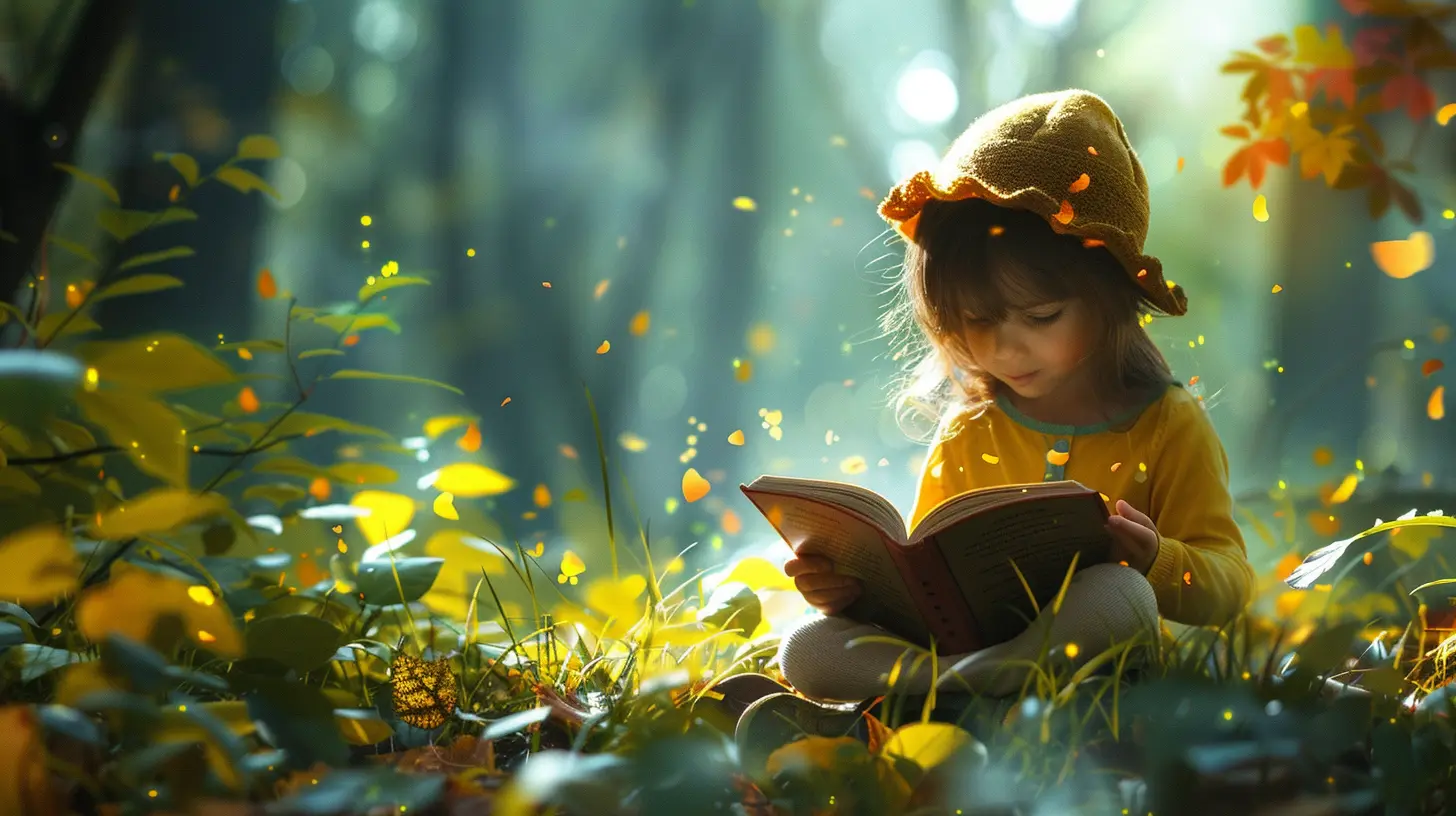
Why Stories Matter in Games for Kids
Kids love stories. From picture books to bedtime tales, narratives help them understand the world. Now apply that to games: when you mix storytelling with interactive gameplay, you get something more than just entertainment—you get an experience.Emotional Connection
Let’s face it—kids are emotional powerhouses. Give them a brave hero, a quest, and a dragon (friendly or not), and they're hooked. Good storytelling makes them laugh, cry, and cheer. And when a story triggers emotion, it becomes memorable. That’s what makes kids come back to a game again and again.Learning Through Narrative
Here’s a fun fact: kids learn better when they’re emotionally invested. So when a game teaches math or problem-solving through a relatable story? You’ve got a win-win. They learn while they play—and they don’t even realize it.
What Makes a Great Story in Child-Friendly Games?
Alright, so we know stories matter. But what exactly makes a story work in a kids' game? There’s no magic formula (well, maybe just a sprinkle), but there are key ingredients every great game should have.1. Relatable Characters
Characters are the gateway to a child’s imagination. Think about it—whether it’s a quirky alien, a brave girl with superpowers, or a talking animal, the character needs to feel real. Not realistic, necessarily, but “real” in the sense that they make sense in their world and strike an emotional chord with the player.Characters should have both strengths and flaws. Kids don’t need perfect heroes—they need ones that evolve, just like them.
2. Simple Yet Powerful Plots
Kids thrive on clarity. Stories with a straightforward objective (save a friend, find a treasure, solve a mystery) work best. But don’t confuse simple with boring. The best plots have twists, challenges, and moral lessons tucked between the lines.Small wins along the journey keep kids motivated, while surprises make the experience exciting. Think of it like a treasure map: every pit stop teaches something, and the real treasure isn’t always at the "X."
3. A World That Feels Alive
World-building in games is just as important as the characters who live there. Whether we're talking about a candy kingdom or a robot-filled future, kids need a setting that feels alive and interactive.Sound effects, background music, tiny animations—these details create a world worth exploring. It’s the difference between watching a show and stepping inside it.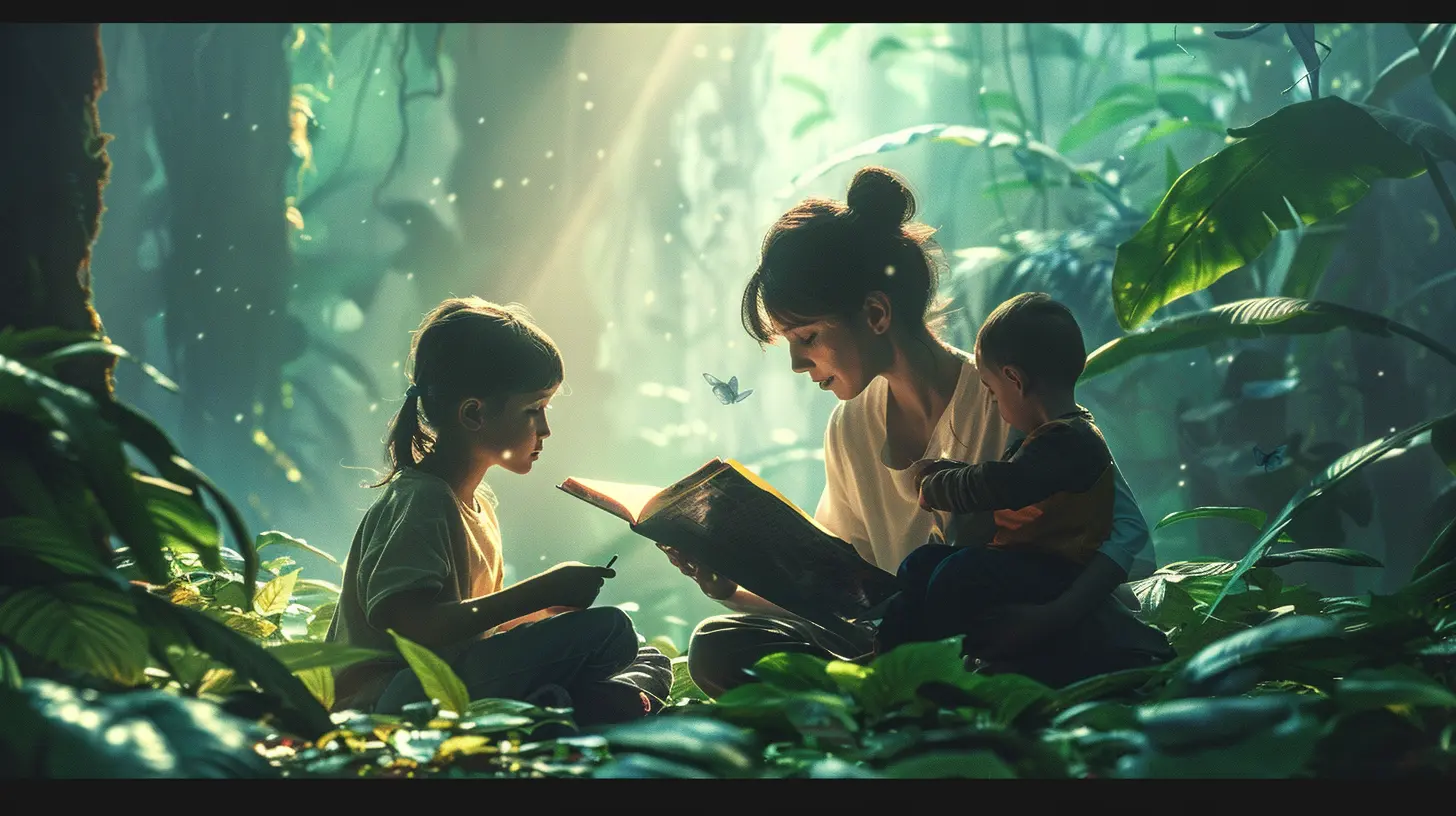
Types of Storytelling in Kids' Games
Not all storytelling looks the same. Let’s break down the types of narrative techniques developers use to keep kids engaged and entertained.Linear Storytelling
This is your classic story arc: beginning, middle, and end. Kids are guided through levels or chapters that unfold the narrative step-by-step. It’s great for younger players as it provides structure and clear goals.Popular in games like “Pajama Sam” or “Freddi Fish,” linear storytelling is like reading a storybook—only you control the pace.
Branching Narratives
Branching narratives are like those “choose your own adventure” books. Kids make choices that affect the outcome. This type of storytelling encourages critical thinking and replayability.Games like “Minecraft: Story Mode” or “Toca Life World” excel at this. Every decision feels meaningful, giving kids agency in the storyline.
Emergent Storytelling
This one’s a bit trickier—but super fun. In emergent storytelling, the story emerges through the player’s actions. There’s no fixed script. It’s all about player freedom and creativity.Think “Minecraft” or “Animal Crossing.” Not heavy on dialogue, but bursting with potential for personal storytelling. Kids build their own world, and their adventures become the narrative.
The Psychological Impact of Story-Based Play
Games with thoughtful storytelling do more than entertain—they shape how kids think and feel.Empathy & Social Understanding
When kids follow stories that deal with friendship, teamwork, or even conflict, they start seeing the world through other eyes. It’s like walking a mile in someone else’s shoes—except those shoes belong to a pixelated pirate or a cartoon cat.Problem Solving
A well-told game story often presents obstacles that require thinking outside the box. Whether it’s solving a riddle, outsmarting a villain, or helping a friend, kids learn to assess situations and make informed choices.Creativity & Imagination
Storytelling in games doesn’t just absorb kids—it activates something in them. They start imagining different endings, creating their own stories, and sometimes even inventing their own games. It’s like giving them the keys to their own imagination playground.Challenges in Crafting Stories for Kids’ Games
Creating compelling stories for kids isn't child’s play. There’s a fine line between engaging and overwhelming.Attention Span
Let’s be honest—kids get bored fast. That means every part of the game’s story needs to be tight, punchy, and paced just right. Long cutscenes or too much exposition? Hard pass from most kids.Keeping It Age-Appropriate
What’s fun for a 10-year-old might be confusing (or even frightening) for a 4-year-old. Developers need to think about language complexity, themes, and emotional impact. It's about finding that sweet spot where fun meets meaningful.Balancing Story and Gameplay
A story is nothing without solid gameplay. If the gameplay isn’t engaging, no amount of storytelling magic is going to hold a kid’s interest. The two need to work hand-in-hand.Real-World Examples of Storytelling Done Right
Let’s take a quick look at games that absolutely nailed their storytelling for kids.1. LEGO Video Games (Like LEGO Harry Potter, LEGO Star Wars)
LEGO games are storytelling gold. They take big, sometimes complex narratives and make them digestible and hilarious for kids. Add in slapstick humor and charming visuals, and you've got a winning mix.2. Scribblenauts
This one’s all about creativity. The game gives kids a goal and lets them solve it by typing in practically anything. Want to solve a puzzle with a rainbow-colored gorilla? Go for it. Storytelling here is player-driven, and that’s what makes it magical.3. Ori and the Blind Forest
While targeting slightly older kids, Ori delivers a jaw-dropping emotional story with its gorgeous visuals and haunting music. It proves you don’t need dialogue-heavy exposition to tell a powerful tale.How Parents Can Encourage Story-Driven Play
Parents, you’ve got a role to play too! Choosing games that offer rich storytelling is one thing—but talking about the game afterward is where the real magic happens.Ask your child questions like:
- “What happened in the story?”
- “Why did the character do that?”
- “What would you have done differently?”
These conversations help your child reflect on the story and apply its lessons to real life—while strengthening communication and critical thinking.
Looking Ahead: The Future of Storytelling in Kids' Games
Technology keeps leveling up, and storytelling is riding shotgun. With AI, voice recognition, and even augmented reality stepping in, the future looks incredibly exciting.Imagine a game that changes its story based on your voice tone. Or a virtual friend that remembers what you said last week. We’re heading into territory where stories become living, breathing parts of a child’s gaming journey.
But here’s the thing: no matter how fancy the tech gets, the core will always be the same—a good story with heart.
Final Thoughts
Storytelling isn’t just a feature in kids’ games—it’s the glue that holds everything together. It’s what turns a standard gaming session into an adventure, a lesson, or even a lifelong memory.So next time you see a child deeply immersed in a game, remember: they’re not just playing. They’re learning, feeling, creating, and growing—all through the power of a story.
And honestly? That’s kind of beautiful.
all images in this post were generated using AI tools
Category:
Parental Guide To GamesAuthor:

Tayla Warner
Discussion
rate this article
3 comments
Kenna Blair
Storytelling in child-friendly games enriches imagination and fosters empathy, creating a magical world where learning and fun go hand in hand. Let’s celebrate the power of narratives that inspire young minds to dream big and explore boldly!
April 22, 2026 at 4:16 AM
Tayla Warner
Thank you for highlighting the vital role of storytelling in child-friendly games! It's incredible how narratives can spark imagination and empathy, making learning an engaging adventure for young minds.
Thistle Bennett
Storytelling in child-friendly games is a powerful catalyst for creativity and empathy! It immerses young players in vibrant worlds where they can explore, learn, and grow. By weaving meaningful narratives, we empower the next generation to dream big and engage with diverse perspectives, shaping a brighter future through play!
December 31, 2025 at 6:04 AM
Tayla Warner
Thank you for your insightful comment! I completely agree—storytelling in games not only enhances creativity but also fosters empathy and understanding among young players, helping them navigate diverse experiences and ideas.
Hazel Kim
This article brilliantly highlights how storytelling enhances child-friendly games, making them not only entertaining but also educational. Engaging narratives foster creativity and empathy, ensuring young players develop essential skills while enjoying immersive experiences. A must-read for parents and developers!
December 30, 2025 at 5:23 AM
Tayla Warner
Thank you for your insightful comment! I'm glad you found the article valuable in highlighting the importance of storytelling in enhancing both the entertainment and educational aspects of child-friendly games.