What to Know About Livestreaming and Kids
12 July 2026
Livestreaming has taken the digital world by storm. From gamers streaming their playthroughs on Twitch to kids broadcasting their Minecraft adventures on YouTube, this trend just keeps growing. But here’s the big question — what does it mean when kids dive into the world of livestreaming? Is it all fun and games, or are there things we should be alert about?
Let’s peel back the curtain and really dive into what livestreaming means for kids, the pros and cons, and how parents and guardians can stay informed without being overbearing. Ready? Let’s go.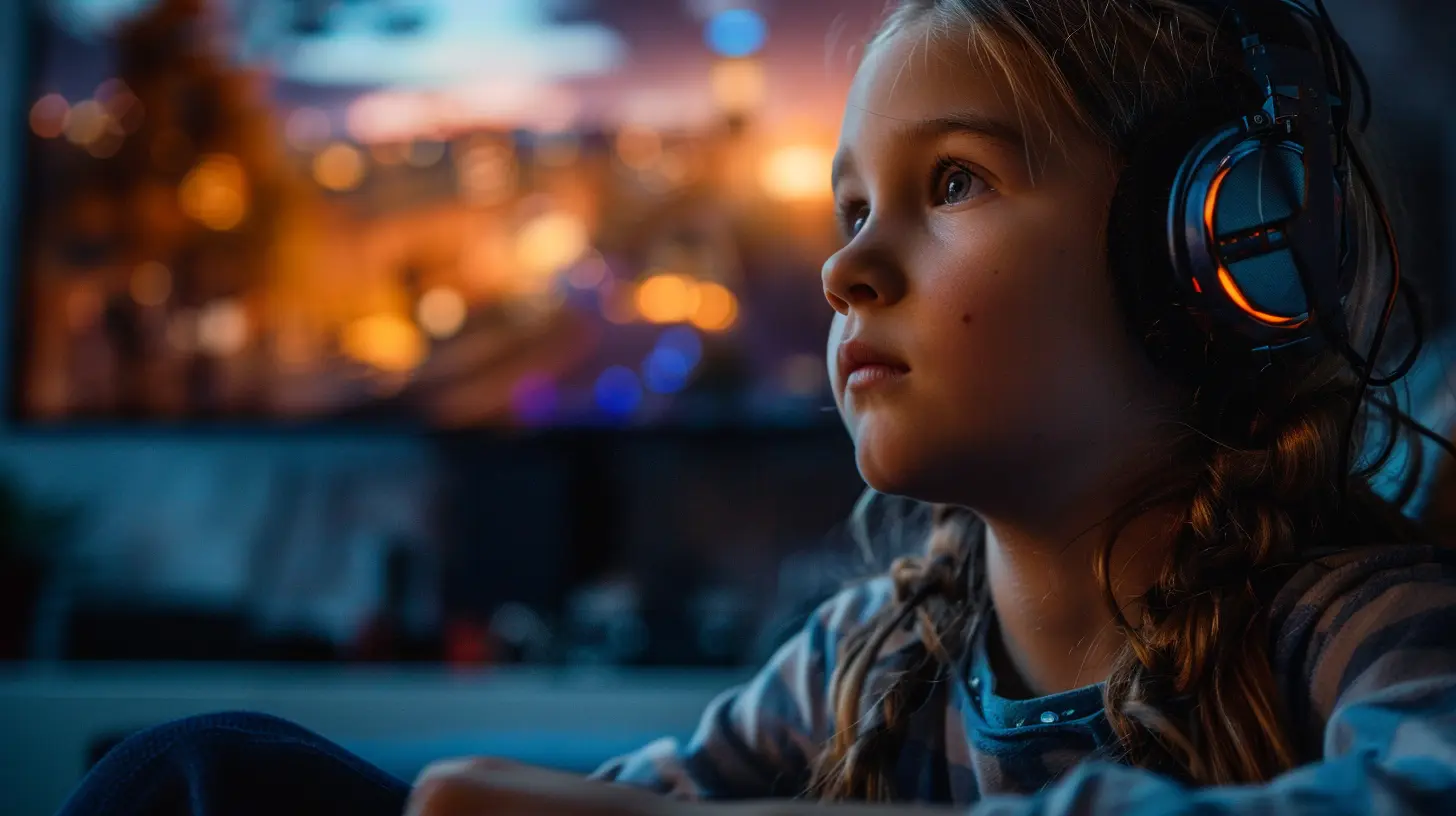
What Is Livestreaming, Anyway?
Before we get into the nitty-gritty, let’s define what we’re actually talking about. Livestreaming is broadcasting video content in real time over the internet. No filters. No redoes. It’s like a live TV show, but way more interactive — and honestly, more unpredictable.Platforms like Twitch, YouTube Live, and even TikTok Live have made livestreaming super accessible. All you really need is a smartphone or computer and a decent internet connection, and boom — you're live.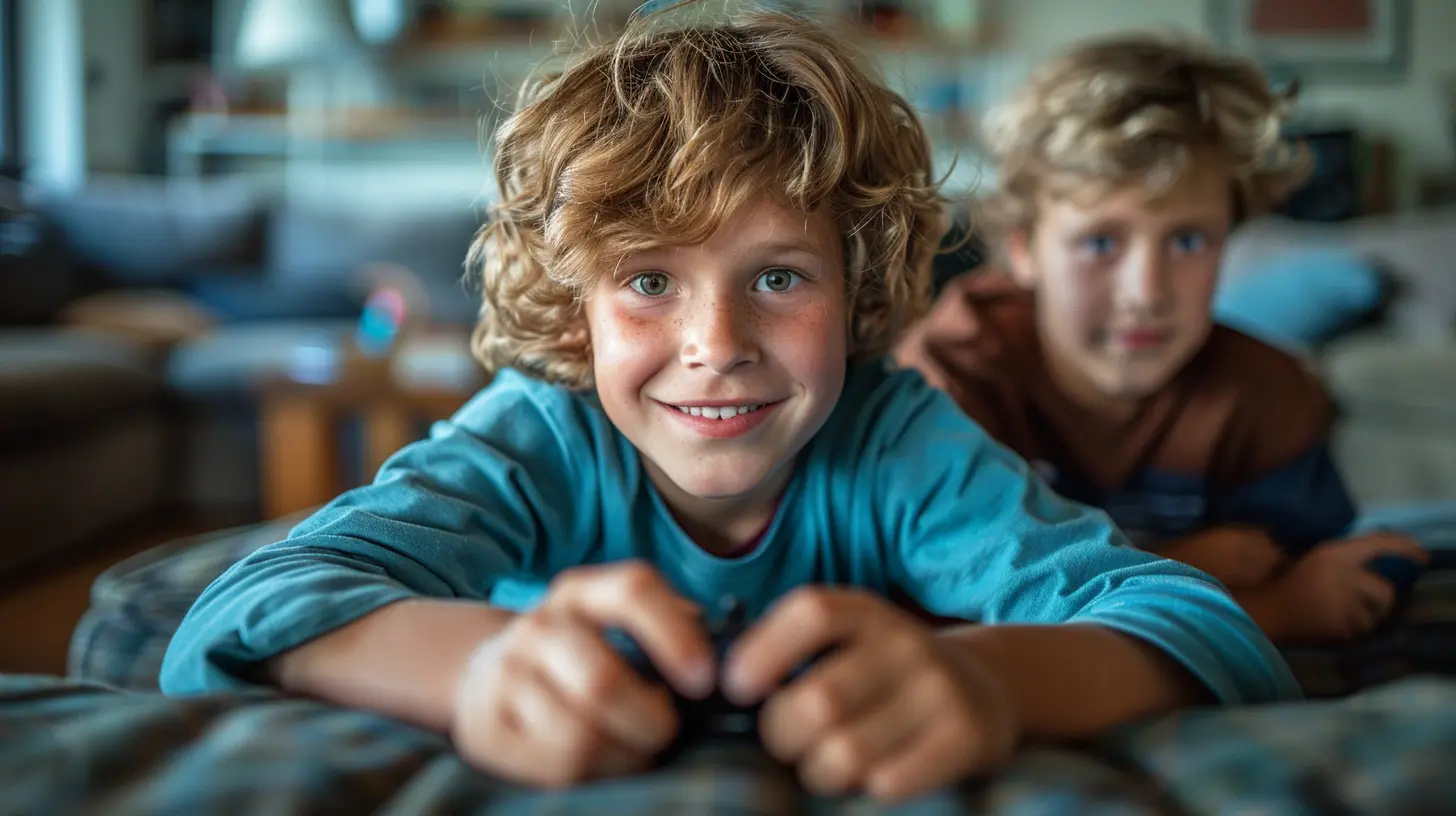
Why Are Kids So Into Livestreaming?
Great question. Anyone who's watched a kid get hyped about going live knows there's some major appeal here. But what’s the real draw?1. The Thrill of Being "Live"
There’s something exciting — almost electric — about broadcasting in real time. You never know what will happen, and neither does the audience. It gives kids a sense of importance and presence.2. Instant Feedback and Validation
Likes. Comments. Emojis flying across the screen. That real-time interaction feels great, especially in the world of constant social media affirmation. It’s like a digital round of applause.3. Creative Expression
For kids who love gaming, storytelling, or just making people laugh, livestreaming can be a creative outlet. It allows them to showcase a side of themselves they might not otherwise express.4. Community Building
Let’s face it — finding your "tribe" online can be super satisfying. For young streamers, building a follower base is like forming their own little digital community.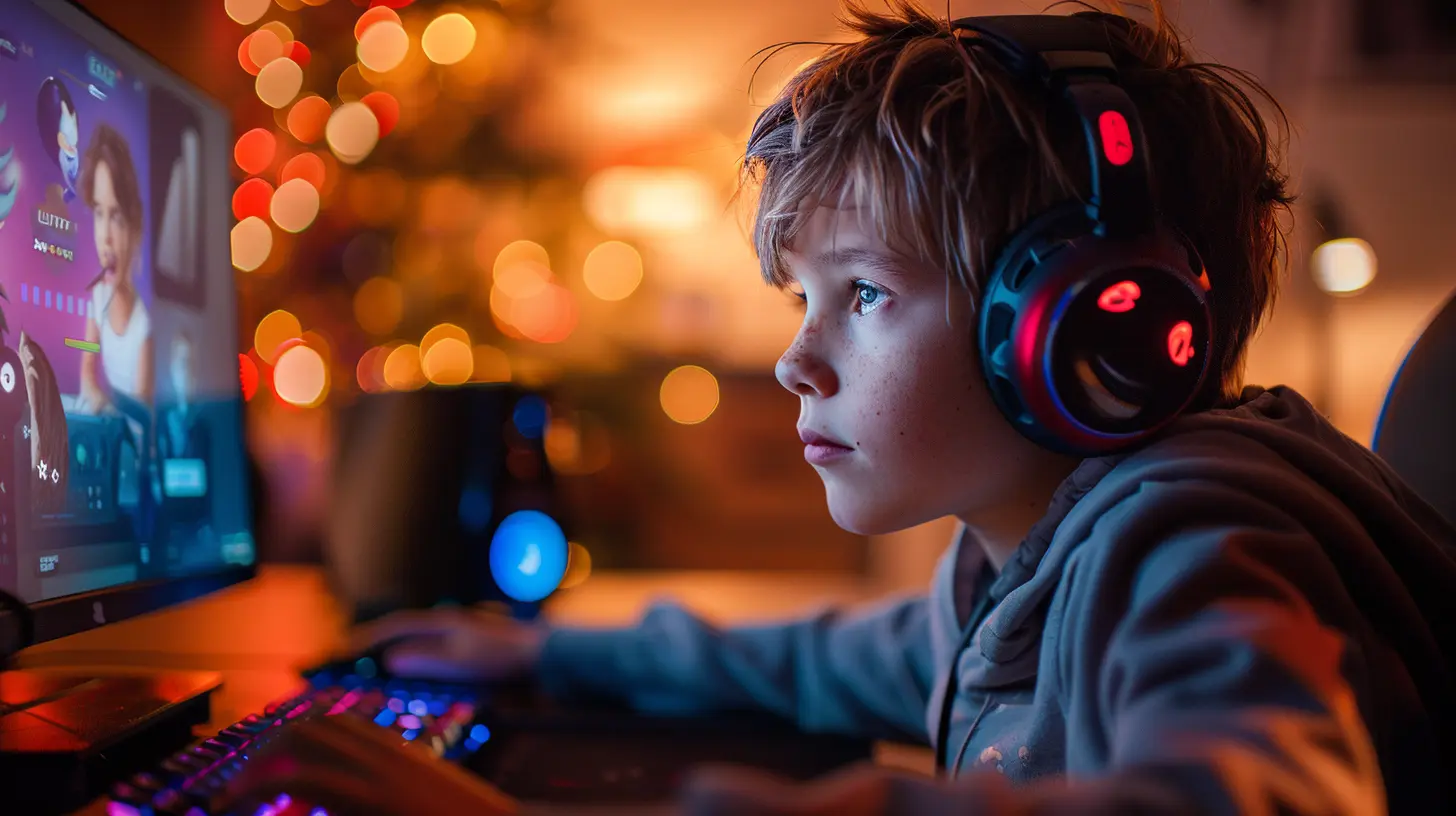
The Pros of Livestreaming for Kids
Don’t get it twisted — there are some legit benefits to kids getting into livestreaming. If done right, it can be a positive and enriching activity.Builds Confidence and Communication Skills
Talking to an audience (even if it’s virtual) helps kids learn how to articulate their thoughts, manage nerves, and connect with others. It’s like public speaking practice, but with a lot more emojis.Encourages Tech Savviness
Kids learn how to use hardware, software, streaming platforms, editing programs, and even lighting and microphones. These skills can translate into real-world tech jobs down the line.Fosters Creativity
From choosing backgrounds to crafting content ideas, livestreaming lets kids stretch their creative muscles. It’s not just about playing video games — it’s about how they share the experience.Entrepreneurship Potential
Some kids aren’t just livestreaming for fun — they’re building brands. With the rise of affiliate marketing, sponsorships, and donation options, livestreaming can teach kids about earning money and running a side hustle (with guidance, of course).
But It’s Not All Sunshine and Rainbows...
With all that said, we can't ignore the darker corners of the livestreaming universe. Like any corner of the internet, livestreaming has its risks, and knowing them is key to keeping your kiddo safe.Exposure to Inappropriate Content
Livestreams are raw and unfiltered. One second it’s kid-friendly fun; the next, someone’s dropping an F-bomb or worse. There’s no delay button, and that’s a problem.Privacy Risks
Kids may not always understand what’s safe to share. Real names, locations, school names — even background objects in their room can reveal more than they think.Predator Alert
Unfortunately, livestreaming can attract the wrong kind of attention. Predators sometimes lurk in comment sections, posing as fellow kids or fans. It’s the dark side of open access.Pressure to Perform
Let’s be real: livestreaming can turn into a numbers game. View counts. Subs. Likes. Kids may start chasing validation, leading to anxiety or obsession over popularity.How Parents Can Stay Involved (Without Being "That Parent")
Okay, so livestreaming isn’t something you want to completely shut down. But you also don’t want to be helicoptering in every five seconds. So, what’s the move?1. Keep the Conversation Open
Start by talking to your kid. Ask what they’re streaming, who’s watching, and what their goals are. No interrogations. Just curiosity.For example, try:
"Hey, what game are you streaming today?" or
"Who usually shows up when you go live?"
2. Establish Ground Rules
It’s not about control — it’s about boundaries. Talk about what’s okay to share, what’s off-limits, and how to handle trolls or weird messages.Make rules together like:
- Never stream from your bedroom.
- No personal info in usernames or chats.
- Always stream with an adult nearby.
3. Use Parental Controls and Moderation Tools
Most platforms offer basic safety features like content filters, blocking tools, and chat moderation. Learn how they work. Turn them on.You can even assign a trusted moderator (maybe you or a sibling) to monitor live chats and keep things clean.
4. Watch a Stream With Them
Want to really get it? Sit down and watch one of their streams or even co-host one with them. Show interest without judgment. They’ll appreciate you being in their corner.5. Encourage Other Hobbies
Streaming’s great, but balance is better. Make space for outdoor time, reading, sports, or offline friendships. It's all about the mix.Let’s Talk About Platforms — The Big Players
Not all livestreaming platforms are created equal. Here’s a quick breakdown of the major platforms kids are likely using:? Twitch
- Focused on games- Live chat can get rowdy
- Teen-heavy audience
- Some mature content
? YouTube Live
- Video + livestream combo- More moderation options
- Easy to use
- Huge reach
? TikTok Live
- Short-form turned live- Tons of younger users
- Risk of random viewers
- Fast and often unmoderated content
? Discord
- Not just for chat anymore- Private server streams
- Great for friends-only setups
- Needs admin oversight
Each platform has its pros and pitfalls. Understand which one your kid’s using and dig into the settings — it’s not just about clicking "Go Live."
Red Flags to Watch For
As a parent, guardian, or even an older sibling, knowing what to look out for can make all the difference. Here are a few red flags when it comes to livestreaming and kids:- Sudden secrecy about streaming activities
- Changes in mood after a livestream
- Obsessing over followers or viewers
- Spending too much time online
- Unwillingness to talk about online friends
If any of these pop up, it’s not the end of the world. But it’s probably time for a heart-to-heart conversation.
Setting Up a Kid-Safe Streaming Experience
Want to support your child’s livestreaming hobby while still keeping things safe? Here’s a step-by-step cheat sheet:1. Set Up a Streaming Schedule - Don’t let it bleed into homework or bedtime.
2. Create a Streaming Space - Common area > bedroom. Public = safer.
3. Use a Nickname or Stream Alias - Keep real names private.
4. Turn Off Location Sharing - No one needs to know where you are.
5. Use a Private Chat or Friend-Only Mode - Closed circles = less risk.
6. Review Streams Together - Watch clips and give feedback.
7. Limit Viewer Interaction - Disable or filter chat if needed.
What If Your Kid Wants to Become a Streamer?
Yep, this is becoming a legit career aspiration. Thousands (yes, thousands) of kids now dream of being the next big gaming YouTuber or Twitch partner. And honestly? It's not too far-fetched.But here’s the thing — being a successful livestreamer isn’t just about playing games. It’s about consistency, branding, editing, networking, and a whole lot of patience. Support your kid, but also remind them it’s not all overnight fame and Fortnite skins. It’s a marathon, not a sprint.
Wrapping It Up
Livestreaming isn’t evil. It’s not inherently dangerous. But it’s not something to leave completely unsupervised, either. When done right, livestreaming can be creative, confidence-boosting, and even educational. But like any online activity, it needs structure, awareness, and a solid dose of common sense.Approach it like learning to ride a bike — let them take the wheel, but stay nearby, just in case they hit a bump.
And remember: your kid isn’t just playing games or talking into a mic — they’re building an audience, sharing a message, and exploring their identity. Your job? Be the guide, the guardrail, and the biggest cheerleader they’ve got.
all images in this post were generated using AI tools
Category:
Parental Guide To GamesAuthor:

Tayla Warner