How the First Cutscene Sets the Stage for an Epic Journey
18 December 2025
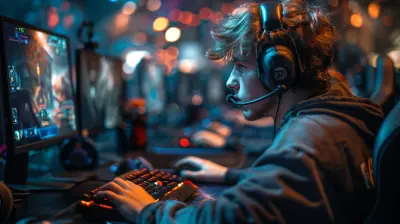
Picture this: you sit down, controller in hand, and fire up a brand-new game. The screen fades to black, and then—boom!—the first cutscene rolls. You watch, wide-eyed, as characters come to life, worlds unfold, and the story hints at what's to come. It’s a brief moment, sure, but it holds so much weight. The first cutscene doesn’t just tell you where you are—it whispers promises of an adventure waiting to unfold. It’s like the opening chapter of a gripping novel or the first bite of a gourmet meal. It’s designed to hook you.
But have you ever stopped to think about why that initial sequence is so powerful? Why it feels like the key that unlocks the larger-than-life journey ahead? Let’s dive deep into the art of the first cutscene and uncover how it sets the stage for an epic ride.
The Role of the First Cutscene: More Than Meets the Eye
The first cutscene isn’t just some random clip developers slap onto the start of a game. Oh no, it’s more like the prologue of a story. Think of it as the spark that lights the fire. This little cinematic introduction does a lot more than look pretty or show off the developer’s animation chops—it establishes tone, teases the stakes, and plants seeds of curiosity in the player’s mind.Here’s the deal: when you’re playing a game, the first cutscene acts as a handshake. It says, “Welcome, player. Here’s the world we’ve built for you. Ready to dive in?” Whether it’s an intense, action-packed sequence or a quiet, emotional setup, it lays the foundation for what’s to come.
Setting the Tone: Serious, Funny, or Something Else Entirely?
Let’s talk about tone first. The vibe of the first cutscene tells you what kind of story you’re stepping into. Is it a gritty, post-apocalyptic survival game? Or maybe it’s a lighthearted fantasy romp with quirky characters? The cutscene sets the emotional tempo, giving you hints about how you should feel as you embark on this journey.Take a game like The Last of Us. That heart-wrenching opening sequence? It’s devastating. Within minutes, it prepares you for the bleak, emotionally intense story ahead. On the flip side, think about Borderlands 2. The opening cutscene is fast-paced and hilarious, filled with explosions, over-the-top action, and sarcastic narration. Right away, you know this game isn’t taking itself too seriously.
Tone is everything. It’s like going to a party—you want to know if you’re vibing with the crowd. The first cutscene is the game’s way of saying, “Here’s the mood; are you in?”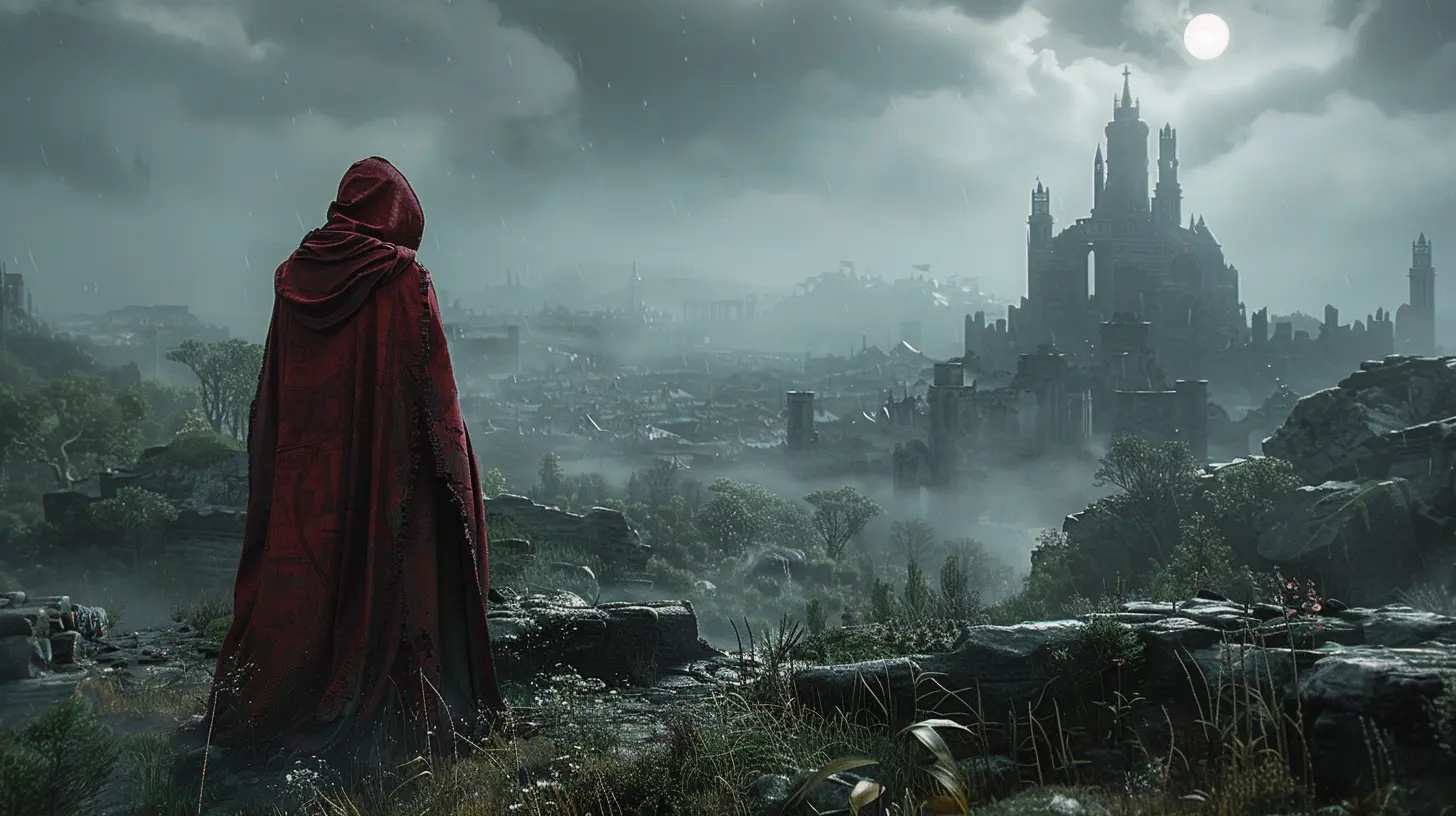
Planting the Seeds of Mystery and Intrigue
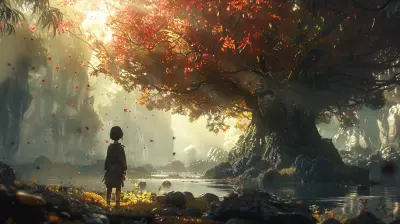
What’s an epic adventure without a little mystery, right? The best first cutscenes don’t just tell you what’s happening—they tease you. They’re like giving you the edge of a puzzle piece and challenging you to figure out the bigger picture.Think about Dark Souls. The opening cinematic doesn’t spell out every detail of the lore (not even close). Instead, it throws out cryptic hints, vague backstory, and an ominous warning about what’s to come. It’s enough to make you lean in, hungry for answers. You’re left with a burning question: “What does this all mean?”
Or consider Mass Effect. The first cutscene introduces Commander Shepard and hints at an incoming threat (hello, Reapers) but doesn’t spell it all out. That little sliver of mystery is what makes you want to keep playing. Who’s the bad guy? Why does this world feel so alive? You’re dying to find out, and that’s exactly the point.
Mystery is like bait on a hook—it reels you in without giving away too much. The first cutscene dangles just enough information to make you curious, without overwhelming you.
Introducing the Hero and the Stakes
We can’t talk about first cutscenes without mentioning the heroes. After all, they’re the ones you’ll be spending countless hours with, so the introduction is crucial. Whether it’s a silent protagonist or a full-blown chatterbox, the first cutscene often acts as your first peek into their personality.Take Uncharted 2: Among Thieves. The opening cutscene throws Nathan Drake into a literal cliffhanger—dangling off a derailed train over a snowy abyss. In just moments, you get a sense of who he is: a charming, resourceful, slightly reckless adventurer. That single scene tells you, “This is the guy you’ll be following. Buckle up.”
But it’s not just about the hero. The first cutscene also lays out the stakes. What’s at risk? Is it the fate of the universe, the safety of loved ones, or the protagonist’s own survival? The stakes give you a reason to care. Without them, even the coolest-looking game falls flat. The opening sequence of God of War (2018) does this brilliantly. Right from the start, you see Kratos and Atreus facing the death of a loved one and preparing for a perilous journey. The stakes are personal, raw, and immediately engaging.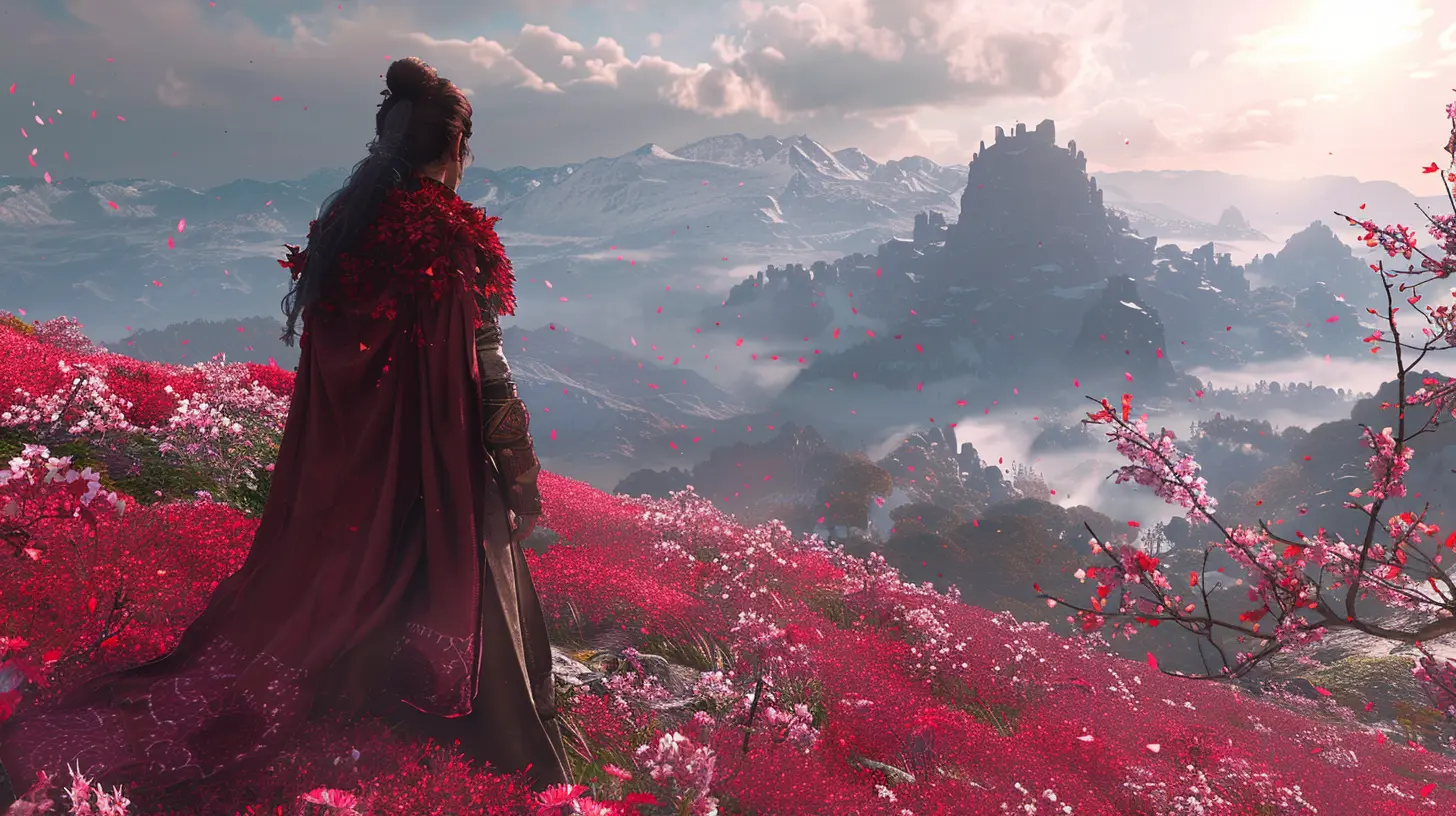
World-Building: A Glimpse Into Something Bigger
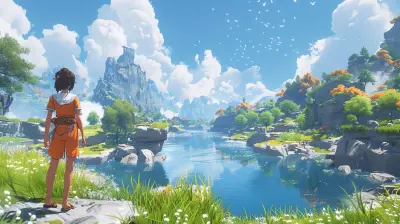
One of the coolest things about the first cutscene is the way it introduces the world. And let’s be honest—gaming worlds are often as much of a selling point as the gameplay itself. Whether it’s a sprawling sci-fi galaxy or a quaint medieval village, the first cutscene acts like a window into the setting.Take The Elder Scrolls V: Skyrim. The first moments of the game show you a snowy landscape, Nordic architecture, and an oppressive political conflict brewing between the Imperials and Stormcloaks. You’re instantly immersed. Even if you know nothing about Tamriel, you already feel like the world is alive, with its own history and culture.
A good first cutscene doesn’t just show you the world—it breathes life into it. It makes you feel like you’ve just stepped into a living, breathing universe. You’re not just a player anymore; you’re a part of this story.
Why the First Cutscene Matters for Gameplay
Let’s not forget one of the most important aspects of gaming: gameplay. The first cutscene doesn’t just set up the story; it often hints at the kind of gameplay you’re about to experience.In Red Dead Redemption 2, the opening cutscene establishes the harsh, wintry conditions of the world. That sets the stage for survival mechanics like hunting and managing your camp. It also introduces the gang dynamics, which tie directly into the game’s missions and narrative structure.
Or take BioShock. The eerie plane crash and descent into Rapture give you a taste of the game’s dark, unsettling atmosphere. By the time you take control, you already feel the tension—which is exactly what the game wants you to feel as you explore its underwater halls.
A great first cutscene doesn’t feel disconnected from gameplay. Instead, it lays the groundwork, getting you hyped for what’s to come.
The Emotional Hook: Why We Keep Watching
Here’s the thing: gaming is emotional. You’re not just watching a story unfold; you’re part of it. And the best first cutscenes know how to play with your emotions to create that connection right away.Think about Final Fantasy VII. The opening cinematic shows a bustling city, a haunting musical score, and Aerith’s quiet, mysterious presence before zooming out to reveal the sprawling metropolis of Midgar. It’s awe-inspiring, emotional, and mysterious all at once. By the time the game hands you control of Cloud, you’re already invested.
The first cutscene is like the opening note of a symphony—it sets the emotional tone and invites you into the experience. It’s what makes us say, “I can’t wait to see what happens next.”
Conclusion: The Gateway to Greatness
The first cutscene isn’t just a pretty cinematic to pass the time; it’s a craft. It’s the developers’ way of grabbing your attention, pulling you into the world, and making you care. It sets up the tone, teases the stakes, hints at the gameplay, and gives you a reason to embark on the journey. Whether it’s a gut-punching emotional moment, a thrilling spectacle, or a quiet, mysterious tease, that opening scene paves the way for the hours (or even days) of adventure ahead.So the next time you fire up a game and that first cutscene rolls, pay close attention. It’s doing way more than you think—it’s setting the stage for an epic journey you won’t soon forget.
all images in this post were generated using AI tools
Category:
First ImpressionsAuthor:

Tayla Warner
Discussion
rate this article
3 comments
Uriel Pratt
Ah, the first cutscene—where we learn our hero's backstory while secretly wishing their dramatic fate could involve pizza delivery instead of an epic quest. Epic toppings, please!
April 21, 2026 at 4:15 AM
Tayla Warner
I love that idea! Imagine delivering pizza while battling monsters-epic toppings and epic quests do go hand in hand.
Ariadne Navarro
Great article! You’ve captured how a well-crafted cutscene can immerse players in the game's world right from the start. It’s amazing how those first moments can create excitement and anticipation for the adventure ahead. Looking forward to more insights like this!
December 21, 2025 at 4:58 AM
Tayla Warner
Thank you for the kind words! I'm glad you enjoyed the article and appreciate the significance of cutscenes in enhancing player immersion. More insights are on the way!
Alyssa McCaw
Cutscenes are the heartbeats of storytelling, immersing us in the narrative. This first glimpse shapes our expectations and fuels our adventure ahead.
December 18, 2025 at 4:49 AM
Tayla Warner
Absolutely! The first cutscene establishes the tone and emotional connection, guiding players into the narrative and enriching their immersive experience.