The Truth About Ultra-Light Gaming Mice
3 August 2026
If you're into gaming (and let's be real, you're here, so you probably are), you’ve likely come across the buzz around ultra-light gaming mice. Everyone’s whispering about them. They’re supposed to be faster, better, and more "pro" than your old chunk of plastic you've been dragging around your mousepad for years. But is there more to it? Or are they just another shiny trend in the ever-hyped gaming world?
Let’s crack this mystery wide open and dive into the full-on truth about ultra-light gaming mice. Buckle up — we're about to burst some bubbles, confirm a few suspicions, and maybe even surprise you.
⚡ What Even Is an Ultra-Light Gaming Mouse?
At its core, an ultra-light gaming mouse is, well… light. Like, really light. We're talking under 70 grams light. Some models go as low as 40–50 grams. For comparison, the average gaming mouse weighs around 100–120 grams. That’s a pretty noticeable difference when your hand’s glued to it for hours of fragging or farming.But here’s the thing: it’s not just about ripping out unnecessary parts to make it featherweight. There’s a real science behind it.
Manufacturers use honeycomb shells (those holes you either love or hate), lightweight PCB boards, and even pared-down cables to shave off every gram. The result? A mouse that feels like you’re holding air — or as close as it gets without going full Jedi.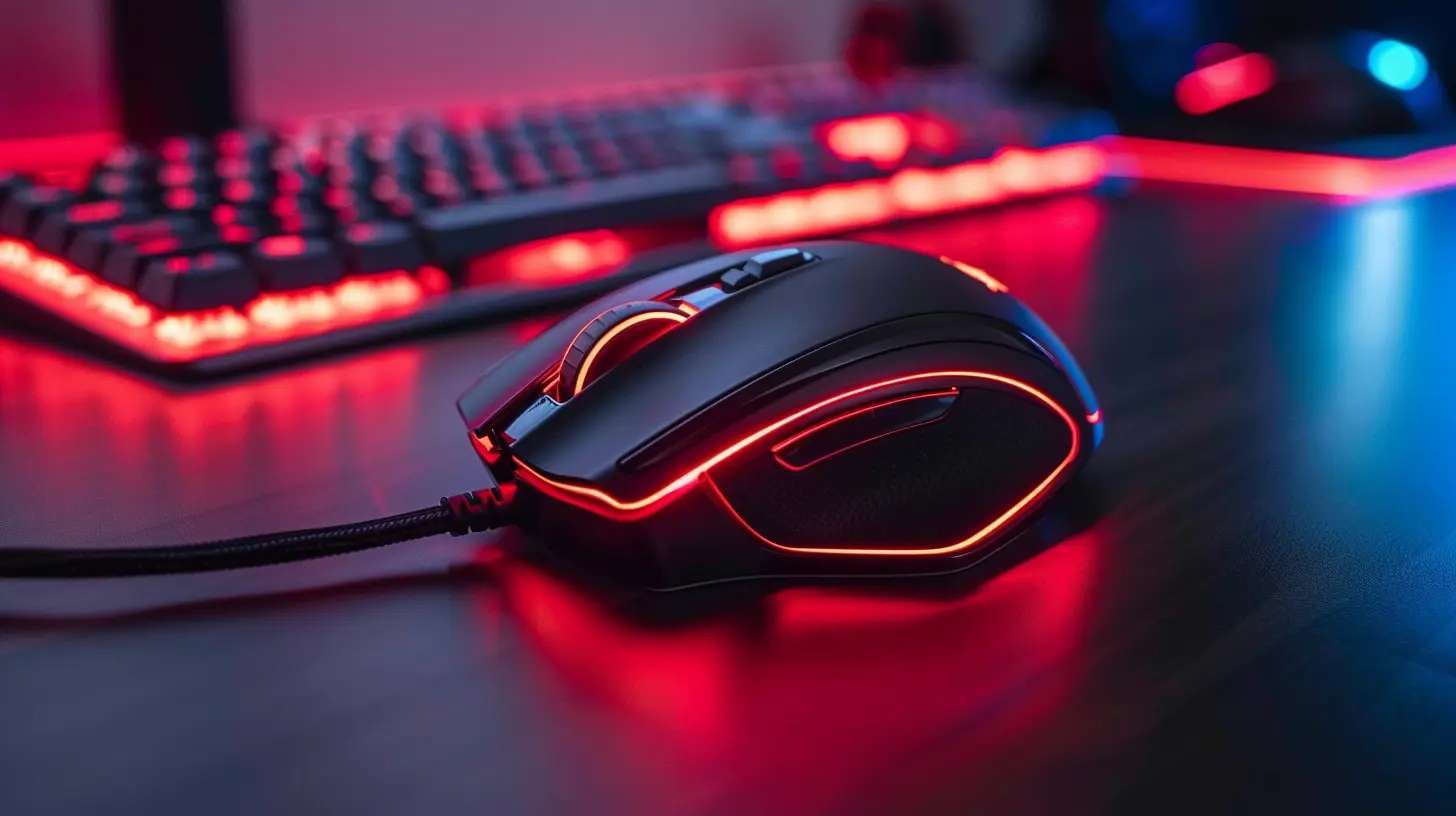
? Why Did Ultra-Light Mice Become a Thing?
Let’s throw it back a bit. The esports scene exploded over the past decade. With that came an obsession with performance — and naturally, gear. Professional players started using lightweight mice to reduce fatigue and improve reaction time. Lighter mice meant faster flicks, smoother tracking, and longer hours of consistent aim.So, while it may have started as a niche need for pros, the trend trickled down to casuals and competitive gamers alike. Before we knew it, “lighter is better” became the motto.
But here comes the twist.
? The Myth of Instant Skill Boosts
Look, I’ll be honest with you: buying an ultra-light gaming mouse isn’t going to instantly transform you into Shroud. That’s a fantasy. A good mouse helps, sure, but it’s not a magical skill stick you wave around to win duels.Many players dump serious cash thinking they’ll land more headshots just because their mouse weighs less than a candy bar. While the reduced weight can improve certain aspects of gameplay — especially in FPS titles — it’s no substitute for actual practice.
You know what really makes you better? Muscle memory. Consistency. Reps. Not switching mice every three months chasing the latest meta.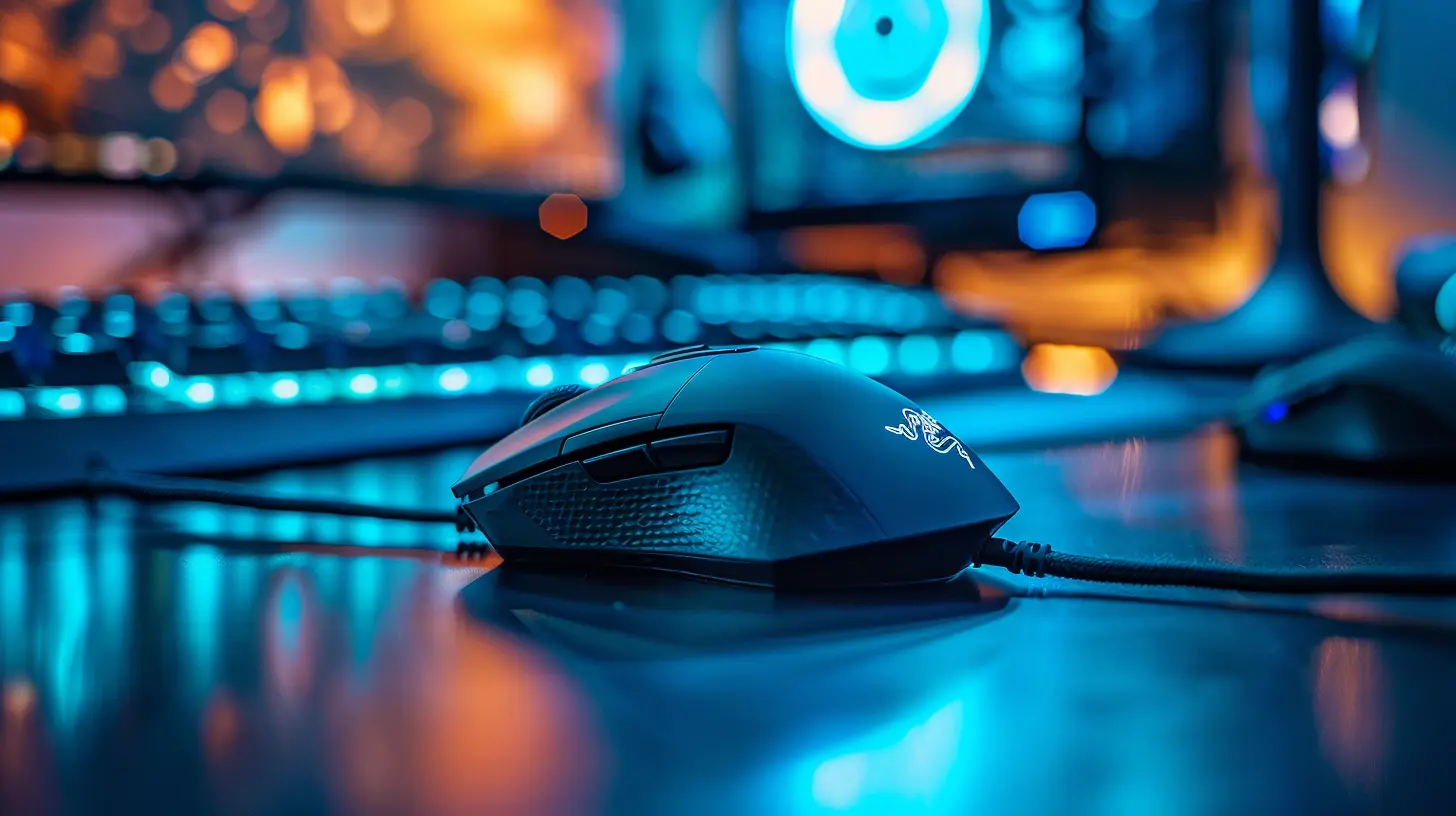
? Do You Actually Need One?
Here’s the question that separates gamers from impulse buyers: do you genuinely need an ultra-light mouse?Let’s break it down.
✅ When Ultra-Light Mice Make Sense:
- You play fast-paced shooters like Valorant, CS2, Apex Legends, or OverwatchLow weight = faster, more precise aiming movements with less effort.
- You game for hours at a stretch
Less strain = no more sore wrists or fingers after marathon sessions.
- You claw or fingertip grip your mouse
Light mice feel more nimble with these grip styles.
- You’re already a mechanically sound player
An ultra-light can give you that extra edge when your fundamentals are solid.
❌ When They Don’t Make Sense:
- You have big hands or prefer palm gripLighter mice often come in smaller shells, which can feel cramped or awkward.
- You prefer heavier control and more deliberate movement
Not everyone needs to flick like a demon. Some play methodically — and prefer the weight to help stabilize.
- You’re mostly a casual gamer, or into slow-paced titles
For turn-based games, RPGs, or MOBAs — the lightness won’t make a difference.
?️ Build Quality: Light Doesn’t Mean Flimsy
One of the biggest misconceptions is that ultra-light means ultra-fragile. Not true — at least, not anymore.Earlier models were kind of sketchy in terms of durability. Remember when holes in the mouse shell made you feel like you were holding Swiss cheese? Yeah, those early versions had their issues — creaking plastic, flexing bodies, you name it.
But fast-forward to now? Manufacturers have stepped up their game. You’ll find ultra-lights with magnesium alloy bodies, reinforced internals, and sturdy switches that can withstand your angriest tilt-rages.
Still, if you’ve got a heavier hand or tend to slam your mouse when things go south (we’ve all been there), you might want to double-check build reviews.
? Wireless vs Wired: Cutting the Cord Without Compromise
Ultra-light AND wireless? Sounds like a recipe for lag and battery drama, right?Wrong.
Thanks to advances in wireless tech — like Logitech’s Lightspeed or Razer’s HyperSpeed — latency is nearly nonexistent. The difference between wired and wireless these days is about as noticeable as blink speed.
Plus, most ultra-light wireless mice boast insane battery life. We’re talking 60+ hours on a single charge in some cases. And if you’re paranoid about running out mid-game, plenty have USB-C passthrough so you can keep playing while charging. It’s the best of both worlds.
? Sensor Talk: It’s More Than Just the Weight
What separates a great mouse from a meh one isn’t just the weight — it’s the sensor.A good sensor tracks your movements accurately, without acceleration or smoothing. Most modern ultra-light mice rock top-tier sensors like the PixArt 3395 or Logitech’s HERO sensor, which are about as good as it gets.
So yeah, when you go ultra-light, you’re not just getting the featherweight benefit — you’re usually also upgrading to elite tracking tech.
? Popular Ultra-Light Mice Worth Knowing
Wanna know what’s hot right now in the ultra-light game? Here’s a quick lineup:- Logitech G Pro X Superlight 2 – The gold standard for many pros. Lightweight, sleek, and deadly accurate.
- Razer Viper V2 Pro – Crazy light, ultra-responsive, and built like a tank.
- Finalmouse Ultralight Series – The mouse that started the trend. Limited releases make it more of a collector’s gem these days.
- Glorious Model O – Budget-friendly but packs a punch. Great entry point.
- Xtrfy M8 Wireless – Ergonomic, clean design, and packed with top-tier features. Often flies under the radar.
Each has their quirks, but all of them deliver that signature ultra-light feel without falling short.
? What It’s Like To Actually Use One
Imagine gliding your mouse across your pad — but there’s no drag, no resistance, just smooth, effortless motion. That's what using an ultra-light mouse feels like.Initially, it might feel weird. If you're used to heavier models, you’ll probably overshoot your flicks or miss a few shots. Don’t panic. Your hand just needs time to adjust.
Give it a few days and you’ll wonder how you ever dealt with that old brick. It’s like switching from a chunky Nokia to a feather-light smartphone — you don't realize how much better things can feel until you make the change.
? Bonus: Easier Maintenance
Here's a weird benefit most people don’t talk about — ultra-light mice are often easier to clean. Those honeycomb shells? Yeah, they let dust in, but they also make it easier to blow it out or wipe it down.Plus, most ultra-light options come with paracord-style cables (if wired), which are more flexible and less prone to fraying or tangling. Little things, sure, but they add up over time.
? The Verdict: Should You Join the Ultra-Light Side?
So, what’s the truth?Ultra-light gaming mice aren’t just hype. They offer real benefits — faster movement, less fatigue, better control — especially in fast-paced games where every millisecond counts. But they also aren’t a one-size-fits-all solution. Some players will love the responsiveness, while others might miss the heft and stability of a heavier mouse.
My advice? Try one out. If you can borrow one from a friend or find one with a solid return policy, test it for a week. Your aim, your comfort level, and your muscle memory will tell you everything you need to know.
At the end of the day, the best gaming mouse isn’t about what’s trendy — it’s about what actually works for YOU.
? Final Thoughts
Ultra-light gaming mice are like precision tools — designed for a specific purpose, built for performance-hungry players. But just like you wouldn’t drive a Formula 1 car to the grocery store, they’re not necessarily the best pick for every kind of gamer.Know your playstyle. Understand your grip. And most importantly, don’t believe everything you hear on Reddit.
Because the truth about ultra-light gaming mice? It’s not just about the weight — it’s about how you use it.
all images in this post were generated using AI tools
Category:
Gaming MiceAuthor:

Tayla Warner