The Psychology of Player Attachment to Game Characters
30 December 2025
Ever found yourself devastated after a game character's death? Or maybe you’ve spent countless hours customizing your avatar, only to feel like they’re part of your identity now? Well, you’re not alone. The emotions we experience when we bond with video game characters aren’t just “in your head.” There’s actual psychology behind it — and it’s fascinating.
In this article, we’re diving deep into why players get emotionally attached to game characters, what makes some virtual heroes feel like old friends, and how game developers pull at our heartstrings through storytelling, design, and interaction.
Let’s unravel the science behind the screen.
Why Do We Get Attached to Game Characters?
Humans are social creatures — that’s just how we’re wired. So, when a game presents us with lifelike characters, compelling narratives, and interactive experiences, our brains don’t treat those virtual people as “fake.” Instead, we respond emotionally, building connections in much the same way we do with real people.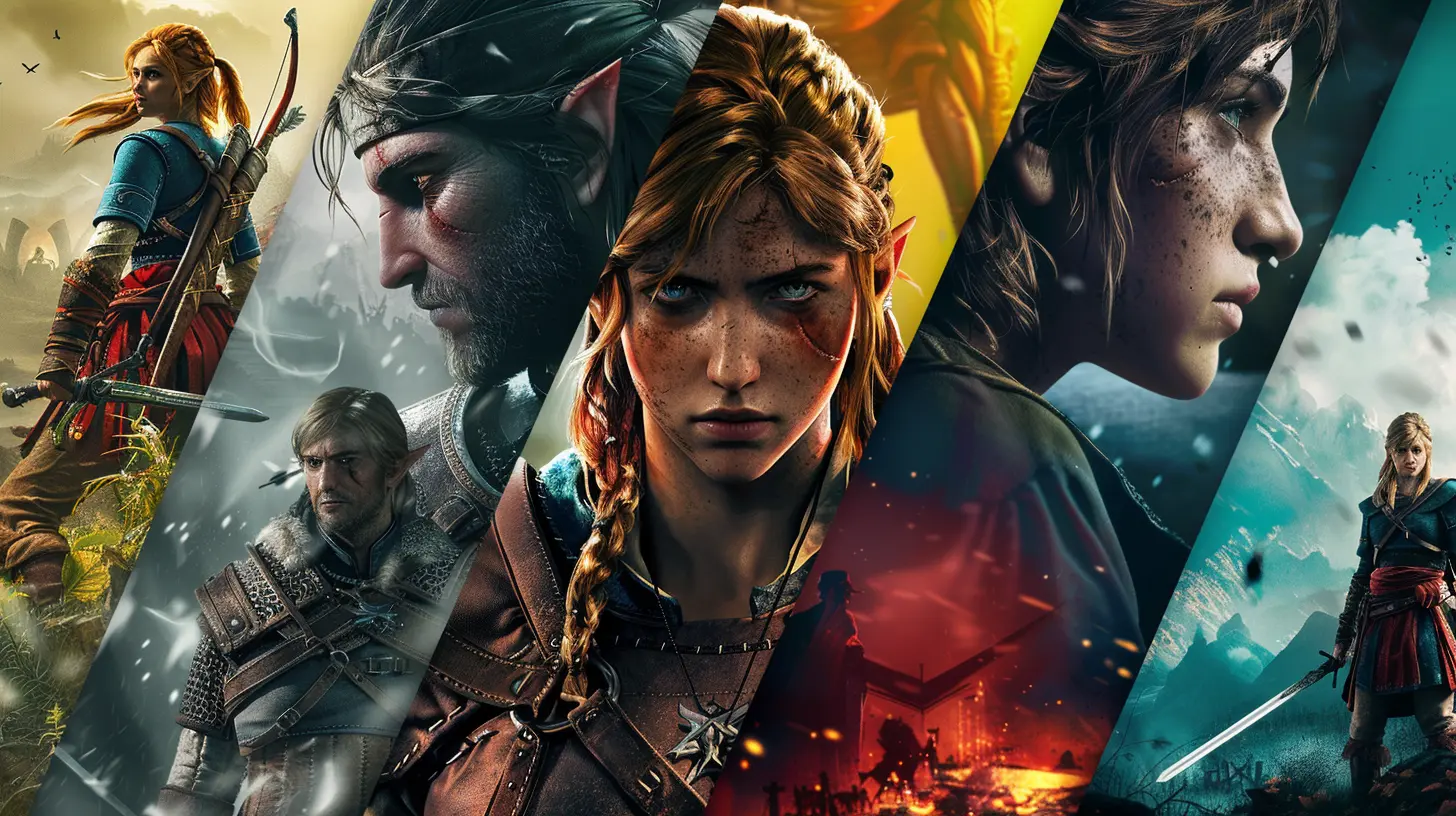
It’s All About Emotional Investment
Ever cried over a scene in The Last of Us? Or felt real joy when your favorite party member in Mass Effect made it through a mission? That’s emotional investment kicking in.When you spend hours with a character, whether it's through dialogue choices, side missions, or cutscenes, you’re not just watching — you’re participating. Every choice you make with or for that character deepens the bond. You're not just playing; you're feeling.
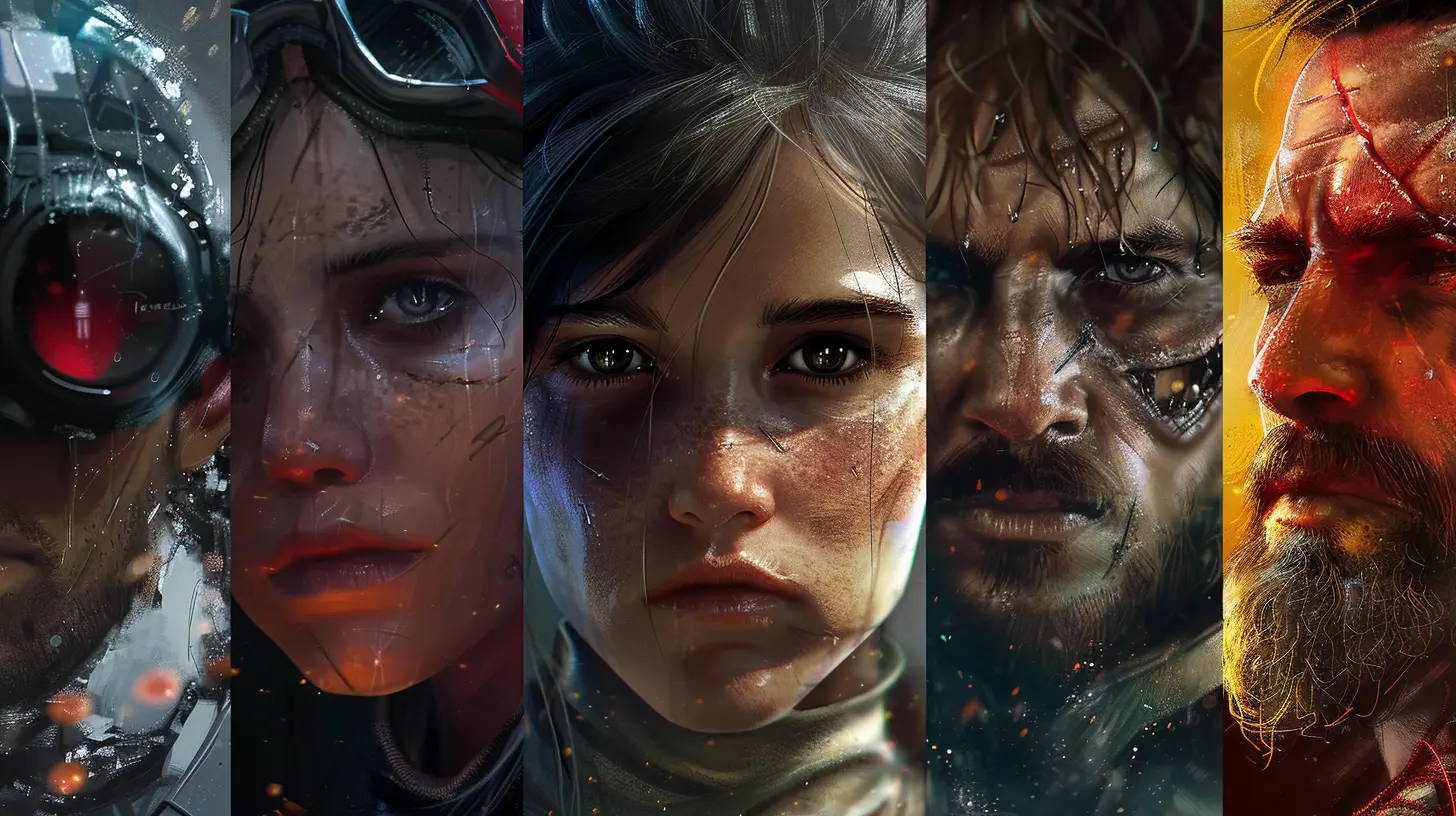
The Role of Storytelling
You know how you can get sucked into binge-watching a show just because the plot and characters are so good? Games do the same thing — but they go one step further. You're not just watching the story unfold, you're actively shaping it.Games like The Witcher 3, Red Dead Redemption 2, and Life is Strange masterfully use narrative to make you care about the characters. You learn their backstories, witness their struggles, and guide them through tough decisions. That shared journey fosters attachment.
Powerful storytelling creates empathy. And when players empathize, they care. Simple as that.
Customization: When Characters Become “You”
Think about it: when you create a character from scratch — pick their hairstyle, build their personality, choose their path — they’re not just a character anymore. They’re you. And when you're in the game, your digital self becomes a reflection of your real one.Games like Skyrim, Cyberpunk 2077, and Dragon Age give players the tools to craft avatars that feel personal. That sense of ownership builds a stronger connection because now it’s not just “the protagonist's story.” It’s your story.
This is partially why MMORPGs are so addictive. Your character becomes your digital legacy, a piece of identity you've nurtured over months or even years.
Parasocial Relationships: They Feel Real (Even If They're Not)
We form parasocial relationships all the time — like when we feel connected to a streamer or a celebrity we’ve never met. The same goes for game characters. They talk to us, journey with us, and rely on us. That illusion of a “real” relationship forms because the emotional response is very real.Just like you might feel hurt if your favorite fictional character dies in a movie, the loss of a beloved game companion can hit even harder. You've interacted with them, helped shape their fate, maybe even laughed or cried with them.
It’s not “just a game.” It's an emotional rollercoaster you're fully strapped into.
Immersion Magnifies Attachment
One word: immersion. The deeper you are pulled into a game’s world, the more real it feels. Whether it's the lush fantasy of Zelda, the gritty realism of The Last of Us, or the stylized charm of Persona, immersion is what turns pixels into people.And as you spend more time in these worlds — solving puzzles, surviving battles, navigating relationships — these characters become your allies, mentors, even friends.
The more immersive the experience, the more connected you become.
Interactivity Creates Bonds
Unlike movies or books, games are interactive. You’re not a passive observer — you’re an active participant. When you make decisions that affect your companions (good or bad), it adds weight to the relationship.Think of Mass Effect or Dragon Age, where your choices can shape how characters view you. They might fall in love with you, turn against you, or even die because of your actions. That kind of agency makes emotional moments more impactful — and those bonds more meaningful.
You’re not just seeing a character arc — you’re living it.
When Attachment Turns Into Grief
Ever been gutted by a character’s death? Maybe even turned off the game because it hurt too much? That’s grief — and it’s quite genuine.Games like Final Fantasy VII, Walking Dead, or Red Dead Redemption 2 have infamous moments where beloved characters meet their end. And players mourn these losses just like they would a friend or a favorite pet.
Although we intellectually know they’re fictional, that doesn’t stop our hearts from breaking. And honestly? That just shows how powerful these digital relationships can be.
The Role of Voice Acting and Character Design
Voice actors breathe life into virtual characters. From Geralt’s gruff voice in The Witcher to Ellie’s vulnerability in The Last of Us, the way a character talks — their tone, stutters, even silence — can make them feel incredibly real.And let’s not underestimate character design. Facial expressions, body language, and animations all play a part. When a character looks sad, we feel it. When they smile, we smile back.
It’s not magic — it’s clever design, guided by psychological cues we respond to naturally.
Multiplayer Games: Friendship by Shared Experience
Attachment doesn’t always have to be toward fictional characters. In games like Destiny 2 or World of Warcraft, the characters you’re closest to might be your friends' avatars.Over time, those shared experiences — raids, quests, or heartbreaking losses — make your teammates feel like real comrades. And sometimes, your friend’s character becomes a character in your own story.
That’s attachment through shared storytelling — multiplayer style.
Nostalgia: The Companion of Long-time Gamers
Nostalgia is a powerful emotion. Revisiting a game like Pokemon Red or Ocarina of Time can bring back waves of childhood memories. And with those memories come emotional ties to characters.Even if a character is simple by today’s standards, the memories you built with them are complex and deep. That emotional imprint makes them feel irreplaceable.
Sometimes, it’s not the character who changed — it’s you. But the bond remains.
Developers Know Exactly What They’re Doing
Believe it or not, this emotional rollercoaster isn’t an accident — it's science. Game developers use psychology, storytelling techniques, and human behavior research to design characters that resonate on a deep level.They carefully balance character flaws, arcs, and relational dynamics to mimic real-life interactions. It’s all calculated to tug at your heartstrings. And wow — do they succeed.
Why Character Attachment Is a Good Thing
You might think, “Man, I’m getting way too into this game.” But honestly? Being emotionally invested in characters is a sign of engagement.When you care, you’re more likely to:
- Finish the game
- Recommend it to others
- Remember it for years
- Feel satisfied with the experience
It’s a win-win — for you and the developers.
Also, these emotional connections can actually boost empathy, creativity, and emotional intelligence in the real world. Games aren’t just fun; they’re emotionally enriching.
Tips to Deepen Character Connections in Your Gaming Experience
Want to feel even more connected to your favorite characters? Here’s how:- Take your time with side quests — they reveal lots of character development.
- Choose story-rich games with multiple dialogue paths.
- Replay games with different decisions to see alternate character arcs.
- Journal your in-game choices and reflect on how they made you feel.
- Engage in fan communities to share thoughts and theories.
The more you engage, the deeper the bond becomes.
Final Thoughts: More Than Just Pixels
So next time someone says, “It’s just a game,” you know better.Video game characters can genuinely touch our hearts, shape our experiences, and even teach us more about ourselves. The psychology of attachment isn’t exclusive to the real world. In fact, it thrives in the digital space — perhaps even more vividly due to the personal agency games provide.
These characters walk with us through quests and chaos, heartbreak and triumph, and their imprint often lasts long after the credits roll.
So yeah… it’s a lot more than just pixels.
all images in this post were generated using AI tools
Category:
Game StorylinesAuthor:

Tayla Warner
Discussion
rate this article
2 comments
Kassandra Rogers
Great insights! Characters truly resonate with players!
January 7, 2026 at 3:36 AM
Tayla Warner
Thank you! I'm glad you found the insights meaningful—player attachment really enhances the gaming experience!
Jackson Hardy
This article compellingly explores how emotional connections to game characters enhance player immersion and investment. However, it could further examine how these attachments influence gameplay decisions and the potential for narrative manipulation.
December 31, 2025 at 6:04 AM
Tayla Warner
Thank you for your insightful feedback! I appreciate your suggestions and will consider exploring the impact of character attachment on gameplay decisions and narrative manipulation in future discussions.