The Ongoing Debate: Story vs. Gameplay in Game Design
8 June 2026
Okay, gamers, it's time to roll up our sleeves and dive face-first into one of the most passionate and polarizing debates in the world of game development: Story vs. Gameplay. Which one carries more weight? Can one truly thrive without the other? Or, like peanut butter and jelly, are they simply better together?
Let’s break this down like a late-night Discord debate after one too many Red Bulls. Whether you're a story junkie who weeps at the end of a narrative arc or a gameplay purist who lives for that perfect 360 no-scope, this one’s for you.
The Eternal Struggle: What's More Important?
So, here’s the big question: What ultimately defines a great game—a gripping story or tight, responsive gameplay?Sure, we all want both. But if one has to take the front seat, which should it be? That’s where it gets messy. It’s kinda like asking whether the heart or the brain is more important. You need both to live, but depending on who you ask (or what game you’re playing), one might steal the spotlight.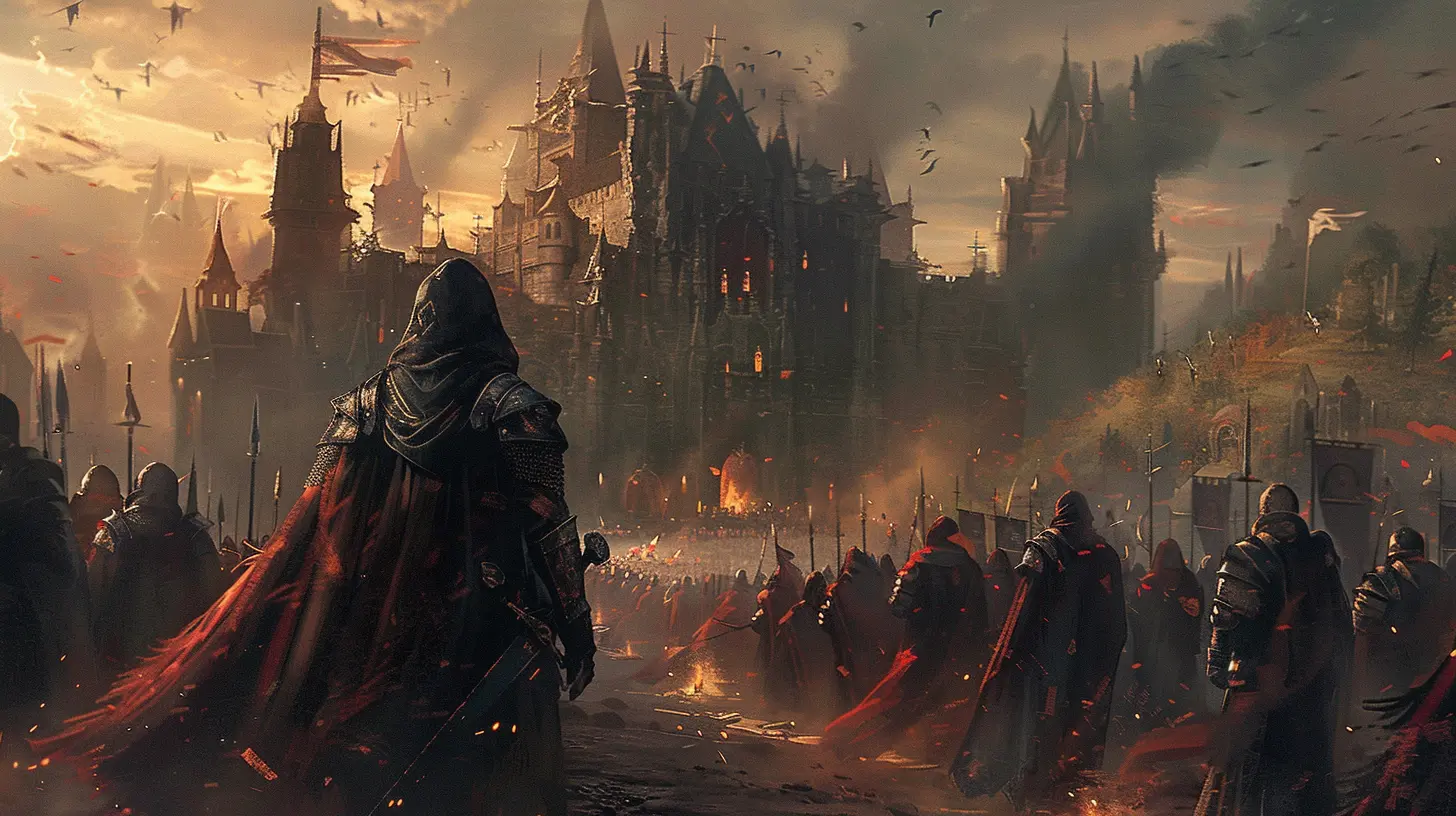
Team Story: "Keep Your Guns, I Want Emotion!"
Let’s kick off with the storytellers. You know who you are. You're the kind of player who reads every single journal entry, listens to every audio log, and probably cried during The Last of Us (no shame, we did too).Here’s why story-centric gamers think narrative is king:
- Emotional Attachment: A good story sticks with you. It’s why we still talk about Aerith’s death in Final Fantasy VII decades later.- Meaningful Choices: Games like Mass Effect or Detroit: Become Human give power to your decisions, and suddenly, you’re not just playing a game—you’re living a digital life.
- Immersion Over Mechanics: These players often don’t care if the jump mechanics feel a tad floaty. They're here for the feels, not the frames.
Prime Story-Driven Titles:
- Red Dead Redemption 2 – Like playable poetry with six-shooters.- Life is Strange – Who knew teenage drama could hit this hard?
- The Walking Dead (Telltale Series) – Emotional damage, exhibit A.
In short, story lovers want a reason to care. And let’s face it—no one’s crying because they missed a combo in Mortal Kombat. Probably.
Team Gameplay: "Keep Your Feelings—I’m Here to Dominate"
Now let’s talk about the mechanics heads. These are the gamers who treat frame data like bedtime stories. They’re not here for emotional turmoil; they’re here for tight controls, fluid combat, and gameplay loops that hit just right.Why gameplay purists swear mechanics are everything:
- Replayability: When a game is fun to play, the story becomes optional. Heck, you might not even need a story (Tetris, anyone?).- Player Agency: Good gameplay makes you feel in control. It’s about skill, not cutscenes.
- Innovation Lives Here: Mechanics evolve faster than narratives. Think Celeste’s precision platforming or Hades’s brilliant roguelike systems.
Gameplay-Centric Bangers:
- DOOM Eternal – Who needs a reason when you’ve got a shotgun and demons?- Celeste – Emotion through gameplay. Yes, it's possible.
- Rocket League – Soccer with cars. You hate it until you love it.
Simply put: for gameplay fans, story is just the fancy paper that the real gift—the mechanics—gets wrapped in. They’ll skip every cutscene without breaking a sweat.
The Sweet Spot: When Story and Gameplay Actually Get Along
Here’s where things get juicy. Some games manage to marry gameplay and story so well that it’s like the devs found the secret gamer formula.What makes that balance work?
- Ludonarrative Harmony: When the mechanics support the narrative theme. Think Papers, Please, where the gameplay of stamping visas reinforces the moral grayness of the plot.- Integrated Storytelling: Games like God of War (2018) use gameplay elements (like Atreus’ combat assistance) to deepen the father-son relationship.
- No Jarring Switchovers: The best games don’t make you endure 10-minute cinematics between 2-second gameplay bursts. Looking at you, Metal Gear Solid (we still love you, Kojima).
Perfect Hybrids:
- The Witcher 3 – Deep quests, meaningful decisions, smooth combat.- Hades – Each run builds the plot while keeping you hooked mechanically.
- Bioshock – “Would you kindly…”? Story twist and shooter perfection.
When gameplay expresses the story instead of just housing it, magic happens. It's like dunking a nugget in both barbecue and sweet ‘n sour—you get the best of both worlds.
The Indie Influence: Breaking the Rules
Indie devs, on the other hand, are like the mad scientists of the gaming world. They don’t always follow big studio norms, and that’s a good thing.Games like:
- Undertale – Emotional story, but laced with quirky, turn-based gameplay.
- Celeste – Minimal visuals, maxed-out platforming with a story on anxiety and self-growth.
- Outer Wilds – Time loops and cosmic mystery weaving story and gameplay into one trippy experience.
They experiment. And because they’re not driven by corporate quarterly goals or massive franchise expectations, they often find that sweet spot faster than AAA titles.
Why the Debate Still Rages On
So, why can’t we all just get along?Because gaming is personal. Some play to escape reality, others play to conquer it. Some crave a deep narrative journey; others want that adrenalin-pumping boss fight.
Also, let’s be honest, game dev is no walk in the park. Budget constraints, time crunches, and the sheer complexity of development mean that sometimes one area just has to take precedence—and fans notice.
And of course, gamers love to argue. It's half the fun.
Neither Side is Wrong... but Neither is Right
Here’s the kicker—there’s no definitive answer. Yep, I said it. The debate itself might be flawed because it tries to pit two interconnected elements against each other.Think of it like a pizza. Yeah, cheese is great, and sure, crust is important—but it’s the whole pie that makes you come back for more.
You wouldn’t want a pizza that’s just pepperoni, and no one wants a game that’s just cutscenes or one that’s all button mashing with zero soul. Okay, maybe Goat Simulator gets a pass.
What This Means for Game Developers
If you’re a dev (first, hats off to you—it ain’t easy), the takeaway is this:- Know your audience. If your players crave story, give them meaningful narratives.
- If you're building a gameplay-focused title, make sure every mechanic has purpose and polish.
- If possible, blend the two, even if it’s subtle. Let the gameplay carry the weight of the story emotionally without massive exposition dumps.
And for the love of all things pixelated, don’t just throw in both to tick boxes. Gamers can sniff out inauthentic design faster than a speedrunner finds glitches.
What This Means for Gamers
For us players? Let's quit pretending there's a universal answer. Just like some people love pineapple on their pizza (monsters), some will always prefer story-heavy games, and others will champion gameplay-first titles.And that's okay.
Celebrate variety. Play different genres. Try that artsy indie walking sim. Give that minimal-story roguelike a spin. Every game brings something to the table—and you never know what’s going to hit you in the feels or become your next obsession.
Just, maybe... don’t start a Reddit war over it, yeah?
Final Thoughts: Can’t We Just Love Both?
At the end of the day, we play games for different reasons—but ultimately, it’s about connection. Whether that’s connecting with characters and world-building or connecting with our own skills through polished mechanics, games are a medium unlike any other.So what’s more important—story or gameplay?
The answer is frustratingly simple: It depends.
On the game. On the player. On the moment.
But hey, that’s what makes gaming so special. And if we ever stop debating these things? Well, that likely means we’ve lost our passion for what makes games truly great.
So keep arguing, keep playing, and keep celebrating the weird, wonderful chaos of game design.
all images in this post were generated using AI tools
Category:
Game StorylinesAuthor:

Tayla Warner
Discussion
rate this article
1 comments
Antonia McGillivray
This discussion is crucial for any gamer. A game's story can immerse us, while gameplay keeps us engaged. Striking the right balance between the two is key. Each element enhances the other, creating an unforgettable experience. It's inspiring to see this debate continue among developers and players alike.
June 8, 2026 at 4:36 AM
Tayla Warner
Absolutely, striking that balance is essential. A strong narrative paired with engaging mechanics truly elevates the gaming experience. It's great to see this discussion thriving among the community.