The Art of Game Box Art
15 July 2026
Let’s be real—how many times have you picked up a video game simply because the cover looked amazing? Whether it was a fierce warrior mid-battle, a haunting landscape, or a stylized mascot character jumping into action, box art has always had a strange, almost magical power. It pulls you in, makes you curious, and sometimes even convinces you to spend your hard-earned cash without reading a single review.
In this article, we're going to crack open the mysterious, beautiful, and sometimes downright weird world of game box art. We’ll look at how it’s evolved, why it matters, and the moments that made us stop in our tracks in front of a game shelf. So, if you're the kind of person who buys with their eyes first—pull up a chair. This one’s for you.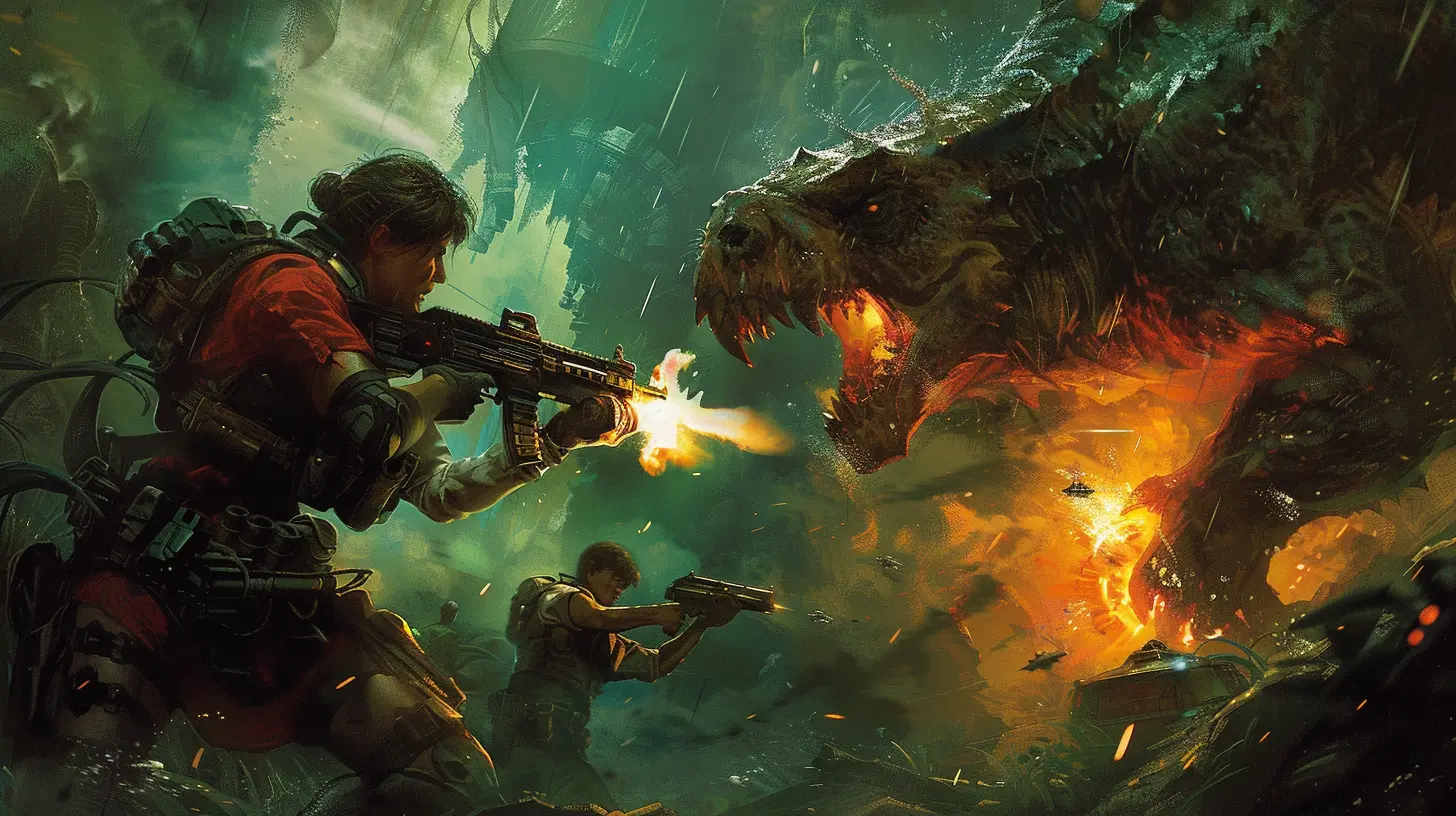
What is Game Box Art Anyway?
At its core, game box art is the visual design on the physical packaging of a video game. Back in the days of cartridges, floppy disks, and early CDs, the box wasn’t just a protective case—it was a marketing tool. The image on the front needed to scream "Buy me!" in less than five seconds.But even today, with digital downloads dominating, box art hasn't lost its touch. It still appears as the thumbnail in online stores, on promotional material, and sometimes even as collectible art for fans. It's the first impression, the handshake, the smile across the room.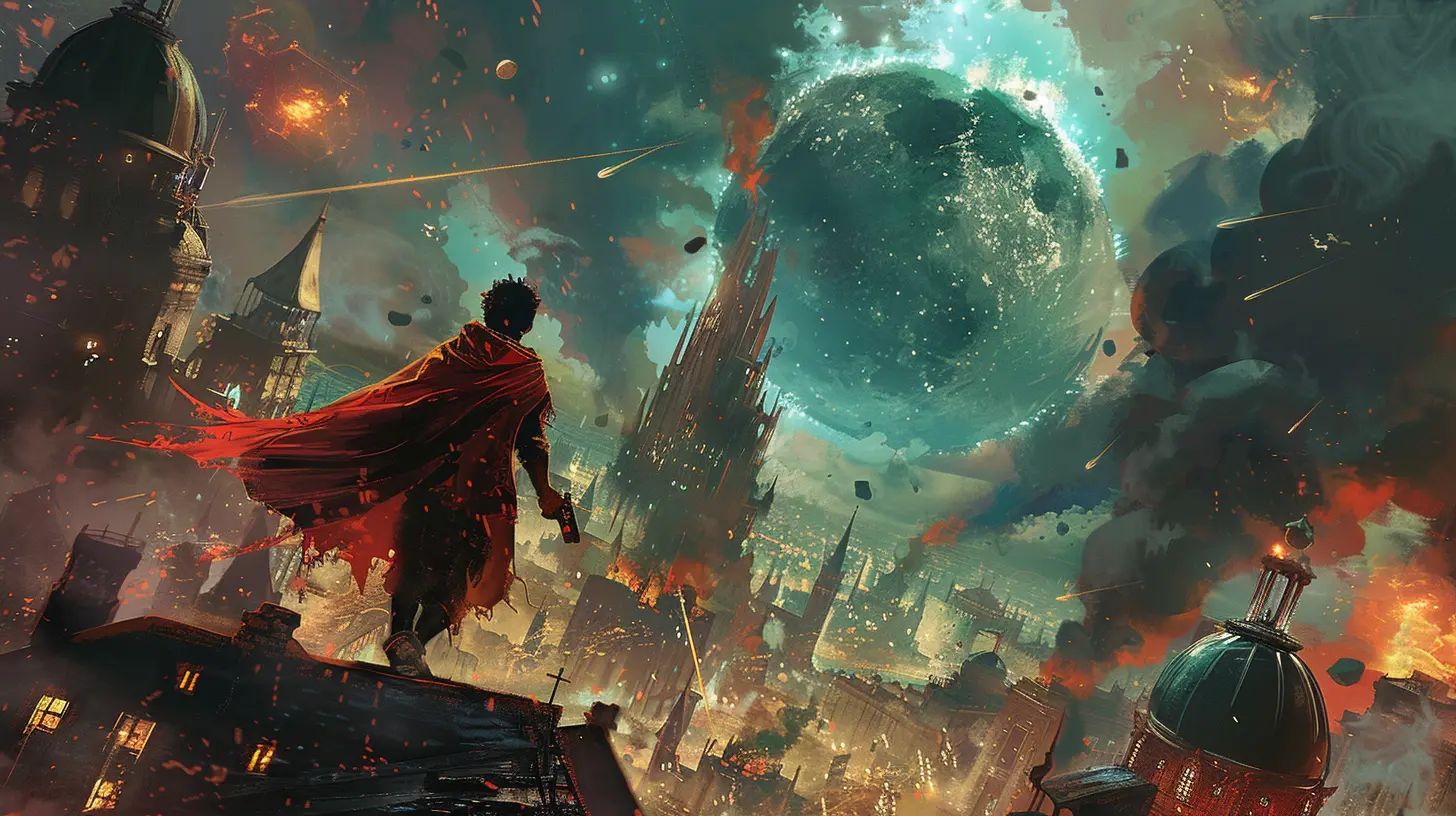
The Early Days: 70s and 80s Box Art
Flashback to the 1970s and early '80s—gaming was still finding its feet. So was box art.Overpromised and Under-delivered
People often joke about the bait-and-switch that was early game box art. The covers were often done by professional illustrators or even fine artists, making the game look like an epic cinematic experience. Then you'd plug it in and be greeted by a few colorful blocks awkwardly dancing around the screen. Ouch.Take the original "Atari 2600" games, for example. The covers often depicted ultra-detailed scenes filled with action and emotion, while the game itself could be represented by a couple of pixels bouncing around. Misleading? Maybe. But it worked.
The Power of Imagination
We laughed about it then, but there was a charm to it. The box art filled in the blanks. It inspired players to use their imagination—because let’s be honest, simplistic graphics needed a little help telling the story. Box art was the bridge between what the game was and what it could feel like.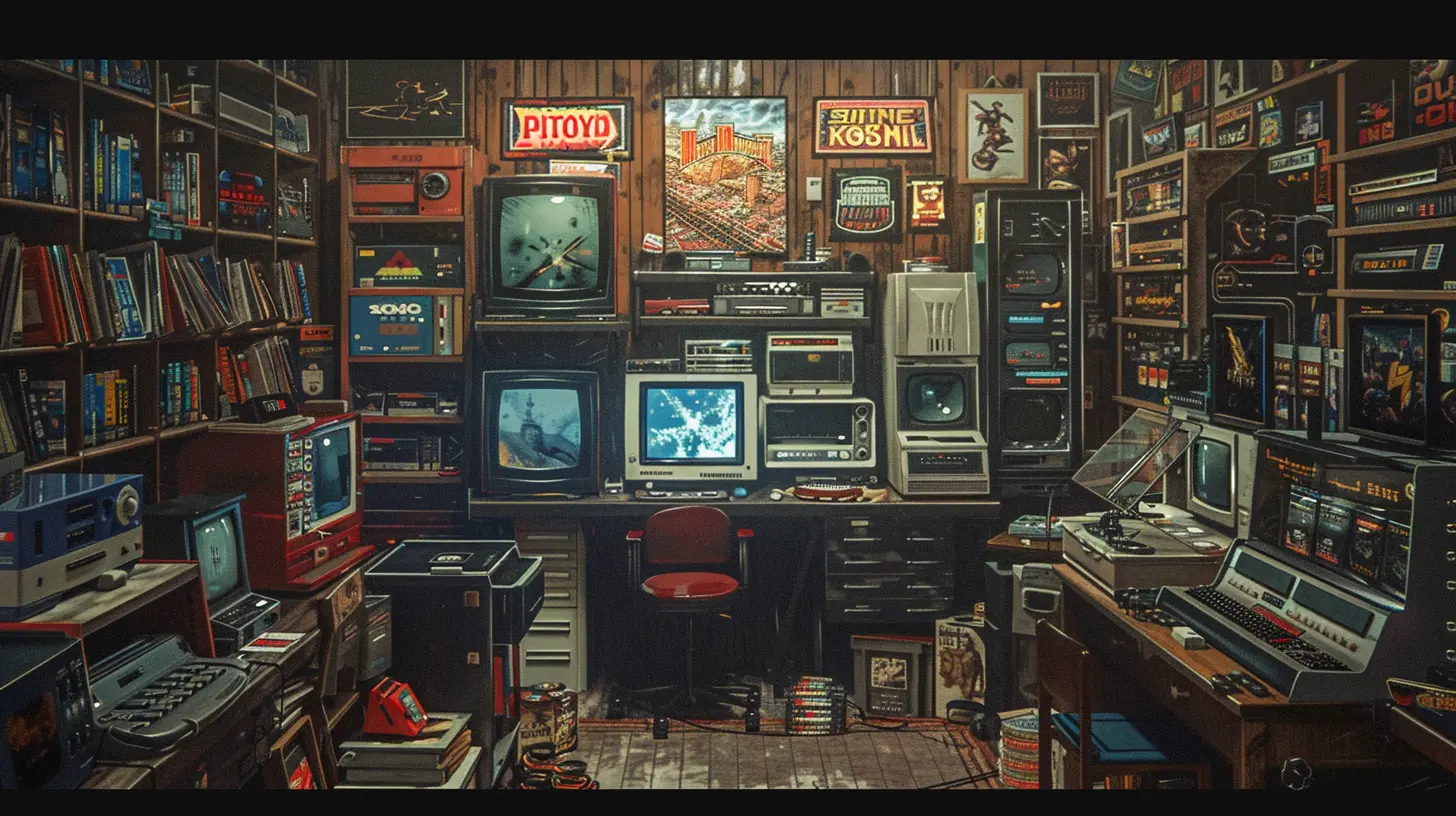
The Golden Age: 90s Game Art Goes Big
The '90s? Oh man, that was something special. Gaming entered homes in a big way with consoles like the SNES, Sega Genesis, and the original PlayStation. Box art in this era didn't just hint at a game—it became an art form.Identity and Branding
This was the time when franchises began to establish visual identities. Think of the bold red of “Doom,” the mysterious blue hue of “Final Fantasy VII,” or the grungy, graffiti-style look of “Tony Hawk’s Pro Skater.” These covers spoke volumes without saying a word.Characters Front and Center
Mascots like Mario, Sonic, and Crash Bandicoot took center stage. Just seeing their face on a case told you what kind of experience you were in for—fun, fast, and family-friendly (well, mostly).These covers had style. They had attitude. And they often had that one iconic pose: the hero looking cool, with something about to blow up behind them. Not subtle, but it worked.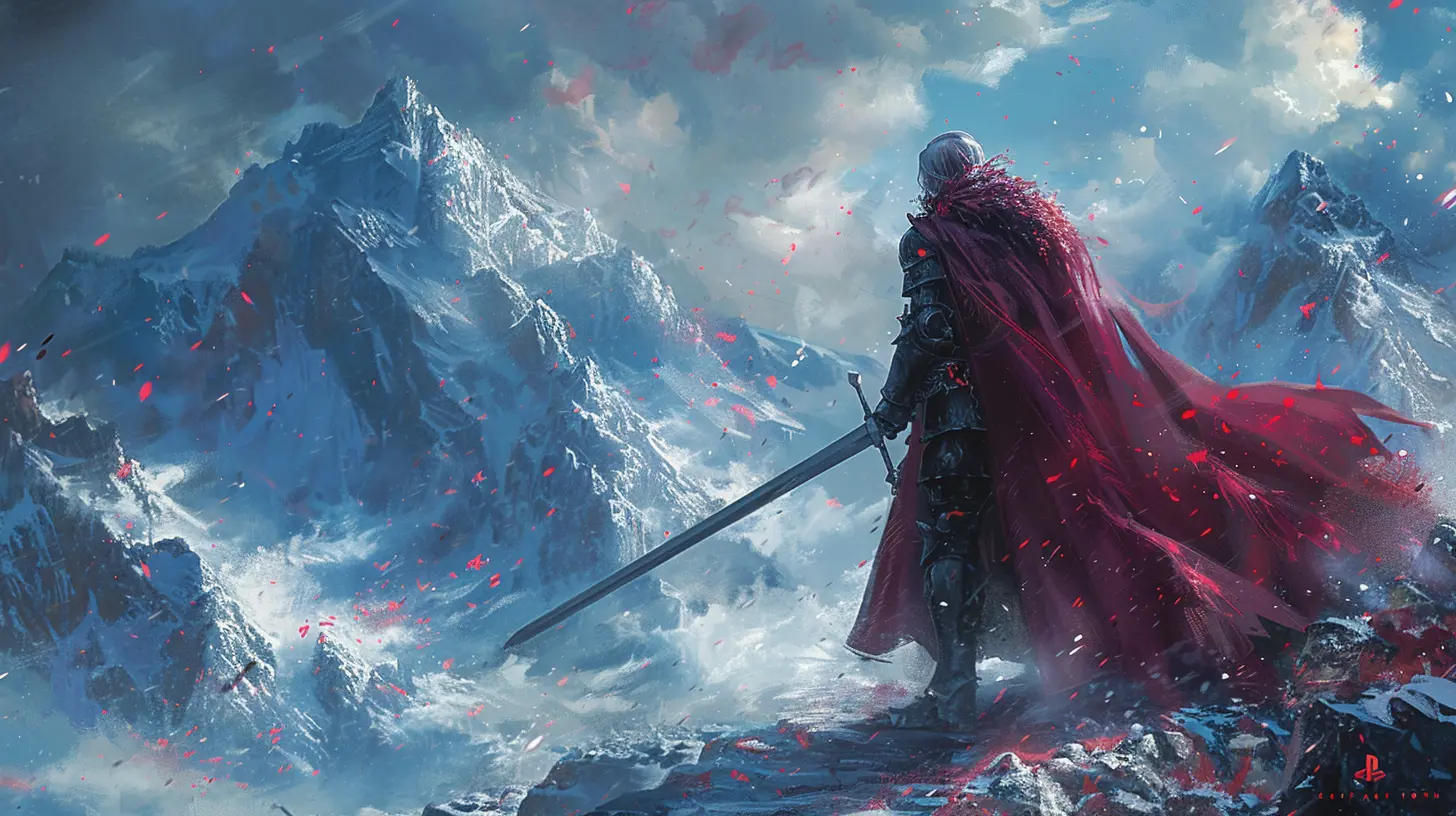
The Art Evolves: 2000s to Present Day
As gaming matured, so did the art on the boxes. With better graphics and more complex stories, the covers took a cinematic turn.Realism and Grit
Think of titles like "The Last of Us," "Red Dead Redemption," or "Assassin’s Creed." These covers leaned heavily into realism and storytelling. Often, they use subdued colors, strong contrasts, and dramatic compositions to hint at the emotional rollercoaster inside.The art didn’t just shout anymore—it whispered, tugged at your curiosity, and dared you to open the box.
Minimalism is the New Cool
Interestingly, some of the most striking box art today is super minimal. Look at “Journey,” “Inside,” or even indie darlings like “Hollow Knight.” These designs often leave a lot of white space, focus on one central figure, and let the tone speak volumes.It’s kind of like album covers—sometimes less really is more.
What Makes Great Game Box Art?
So, what separates the truly iconic covers from the forgettable ones? Here are some ingredients that make game box art stand out:1. Emotional Hook
Great box art stirs something inside you. It might make you curious, excited, or even a bit scared—but it should never leave you feeling “meh.”2. Strong Composition
Just like a good photo or painting, box art needs balance. Where’s the focal point? Are colors used effectively? Is there depth or movement? All of these things matter.3. Accurate Tone
Nobody likes being lied to—especially gamers. Good box art reflects the true spirit of the game. If it’s a whimsical platformer, go colorful and quirky. If it’s a post-apocalyptic survival game, maybe don’t show smiling cartoon characters under a rainbow.4. Brand Recognition
Think of how recognizable a “Call of Duty” or “Halo” cover is. The font, the color palette, and even the stance of the character all scream familiarity. That’s intentional branding, and it works like a charm.Regional Differences: The Weird and the Wonderful
Let’s take a moment to appreciate the quirks of regional box art.Japan vs. The West
Japanese covers often favor artistic interpretation, with hand-drawn styles and abstract visuals. Meanwhile, Western covers tend to focus on realism and dynamic action scenes. This explains why something like "Mega Man" had completely different box art in North America (and let's not even talk about that first US Mega Man cover... yikes).It’s fascinating—and sometimes hilarious—to compare side-by-side. It's like watching two different cultures try to explain the same story in their own unique visual language.
Digital Age: Has Box Art Lost Its Mojo?
You might be thinking: "Well, physical games are dying, so does box art even matter now?" Fair question, but here's the thing—it totally still has a role.The Digital Shelf
Even though we're not walking into game stores as much, we still scroll through digital storefronts. Those thumbnail images? Yep, they’re the new ‘box art.’ And in a sea of titles, your game’s little preview picture better be sharp if it wants a click.Merchandise and Collectibles
Let’s not forget collector’s editions, steelbooks, posters, and even artbooks. Box art hasn’t vanished—it’s just found new ways to stay relevant. For hardcore fans, it's still a treasured piece of the overall gaming experience.Iconic Game Box Art That Stood the Test of Time
Let’s give a shoutout to some all-time legends:- The Legend of Zelda (Gold Cartridge) – Sleek, shiny, and mysterious. It didn’t have much artwork, but that gold told you everything.
- Halo: Combat Evolved – Master Chief standing like a boss with explosions behind him? Classic.
- BioShock – That Big Daddy looming in the murky depths? Instant intrigue.
- Okami – Hand-painted Japanese style that looked more like a museum piece than a video game.
- Grand Theft Auto V – That collage layout became instantly recognizable and mimicked the feel of a blockbuster movie poster.
Looking Ahead: The Future of Box Art
Where does game box art go from here?As VR, AR, and digital libraries evolve, we might see truly interactive covers—animated, customizable, even 3D previews. Developers could even tailor the art based on how you’ve played the game. Imagine seeing your in-game choices reflected on the cover. Wild, right?
But one thing’s for sure: as long as games exist, people will judge them by their cover. And honestly… that’s kind of cool.
Final Thoughts
Game box art is more than just a pretty picture. It's a love letter, a promise, and a first impression rolled into one. It tells you everything and nothing at the same time. Sometimes it lies, sometimes it’s dead-on—but it always, always makes you feel something.So next time you’re about to play a game, take a second to really look at the cover. It's not just decoration—it’s part of the story.
all images in this post were generated using AI tools
Category:
Gaming NostalgiaAuthor:

Tayla Warner