When Game Sequels Expand the Universe Perfectly
28 June 2026
Ever played a game sequel that made you whisper, “Wow… they really nailed it”? It’s a rare but magical moment in gaming. Not every sequel hits the mark, but when it does, it doesn’t just continue a story—it expands the universe in a way that makes everything richer, deeper, and way more exciting.
We’ve all seen sequels that flop. The same gameplay in a new wrapper. A few extra characters. Maybe a bigger map. But the truly great ones? They do something different. They take everything we loved in the original and amplify it. They add fresh lore, explore uncharted territories, answer big questions—or better yet, ask even bigger ones.
Let’s dive into what makes a sequel expand a game universe perfectly.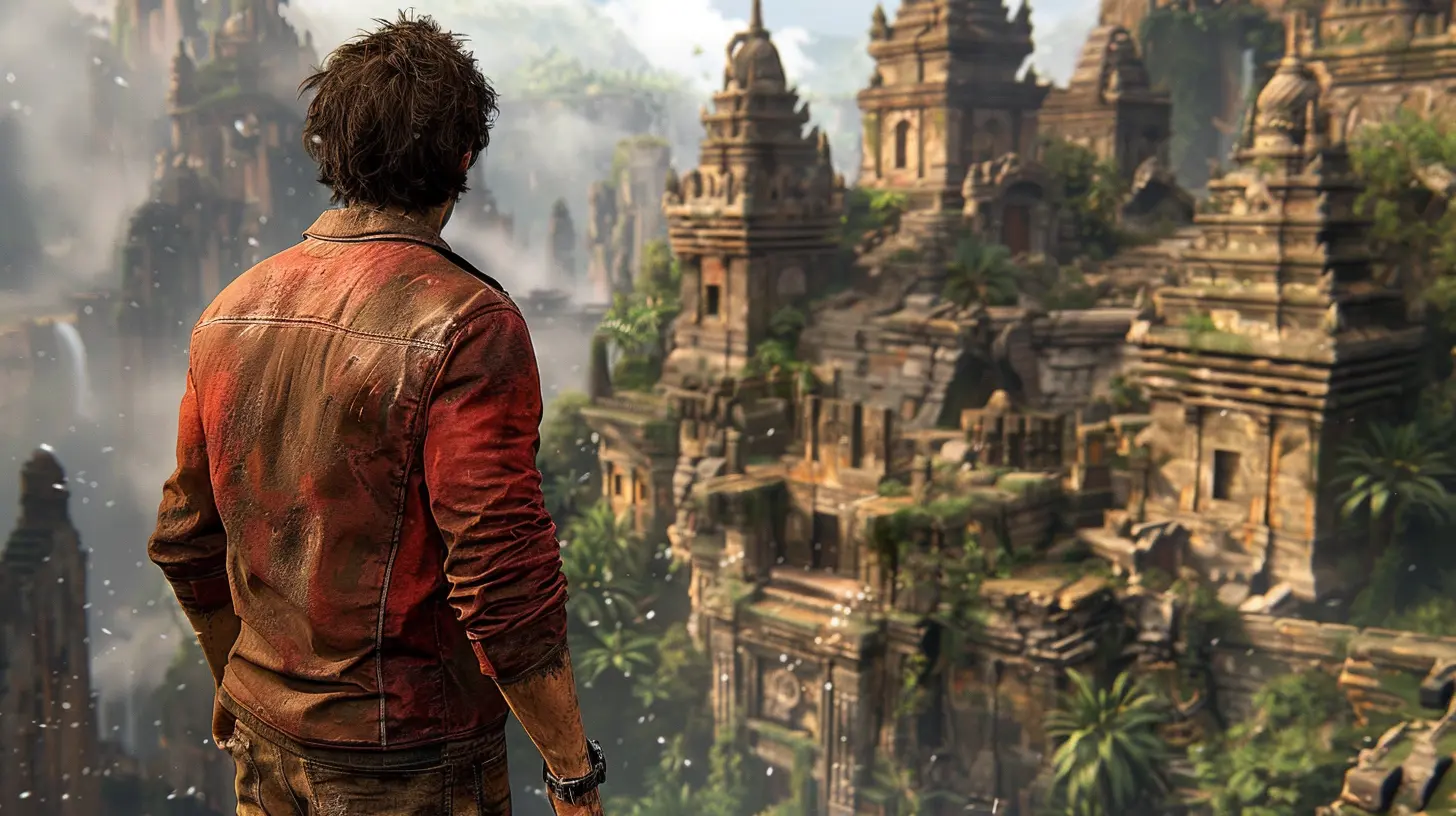
What Does It Mean to "Expand the Universe"?
Before we geek out over iconic sequels, let’s define what we mean when we say a game "expands the universe."Think of a game’s universe like a massive iceberg. In the first game, you see the tip: a slice of lore, a few locations, and a handful of characters. But the world underneath? It's waiting.
When a sequel expands the universe, it plunges below the surface. It shows us new layers—maybe different regions of the world, previously untold character backstories, political systems, or even events happening at the same time as the original story but from another viewpoint.
It means we’re not just playing more of the same—we're stepping into a wider, more vibrant cosmos. One with history, mystery, and limitless potential.
The Art of the Perfectly Executed Sequel
So, how do developers craft a sequel that expands the universe instead of rehashing it?Here’s the secret formula (well, kind of):
1. Deepen the Lore: Add context to everything we already know. Show us the “why” behind the “what”.
2. Introduce New Worlds or Settings: A new city, realm, or dimension can unlock untold storytelling opportunities.
3. Evolve the Characters: Let them grow. Give them scars, triumphs, regrets.
4. Raise the Stakes: Make the new problems feel bigger, scarier, or more personal.
5. Maintain Familiarity, But Innovate: Keep what worked. But take risks.
Let’s break that down with some real-world gaming examples.
Iconic Game Sequels That Nailed It
? The Witcher 3: Wild Hunt – World-Building at Its Best
If The Witcher 2 made you a fan, The Witcher 3 probably turned you into a fanatic.This sequel didn’t just continue Geralt’s journey—it exploded the universe wide open. We got the massive continent to roam, endless side quests steeped in Slavic mythology, new political dynamics, and emotional character arcs that felt like real life.
Who would have thought Gwent—yes, a card game inside the game—would become a universe of its own?
CD Projekt Red didn’t just improve the graphics or combat—they gave us more of everything. And it all made sense. Seamlessly.
Why it works: It felt like the writers had been sitting on a library of lore just waiting to be unleashed.
? Mass Effect 2 – When Choices Carry Weight
Mass Effect 2 is a masterclass in narrative expansion.After establishing its sci-fi universe in the first game, BioWare didn’t play it safe. Instead, they sharpened the emotional stakes. They introduced the Illusive Man, deepened the mystery of the Reapers, and organically evolved Commander Shepard’s journey.
The sequel didn't just add new characters—it made you care about them. Like, “I-hope-they-don’t-die-in-the-final-mission” levels of care.
Why it works: Mass Effect 2 respects your past decisions and makes them matter. It deepens the lore without alienating newcomers. Plus, space operas > everything, right?
? Dragon Age: Inquisition – Political Intrigue Meets Mythical Chaos
Where Dragon Age: Origins gave us the classic fantasy “Hero vs. Darkspawn” tale, and Dragon Age II zoomed in on one city, Inquisition blew the doors off with a globe-spanning conflict.It expanded on Thedas—a world already dripping with rich lore—by throwing players into a deadly game of politics, ancient gods, elves with secrets, and massive stakes that threaten all nations.
Why it works: It doesn't forget its roots. While the plot grows larger, it remains character-driven. That’s the real magic.
?️ Half-Life 2 – A Quantum Leap in World Design
Remember when Half-Life 2 dropped and our jaws collectively hit the floor?Valve turned up the dial on physics (hello, Gravity Gun!), dystopia, and narrative immersion. City 17 became a living, breathing warning about authoritarianism and what it means to resist.
The G-Man? Still creepy. Still mysterious. Still awesome.
Why it works: It made the universe feel lived in. The silent protagonist, the cryptic storytelling—everything added to the intrigue.
? Red Dead Redemption 2 – A Prequel That Enriches the Original
Yes, it’s a prequel. But man, does it change how you experience the original Red Dead.RDR2 expanded not just the map, but the emotional tapestry of its characters. Arthur Morgan wasn’t even mentioned in the first game, yet now he’s one of the most beloved protagonists in gaming.
The Van der Linde gang’s backstory? As layered as an onion. One that makes you tear up.
Why it works: It enriches everything that came before, even though it came after.
The Pitfalls: When Sequels Try (Too Hard) and Fail
Not every sequel hits the jackpot.Some overstuff the world with lore, leaving players confused. Others change so much, they're barely recognizable as part of the same universe (we’re looking at you, Final Fantasy XIII-2). And then there are the ones that forget what made the original special in the first place.
Key Lesson: More isn’t always better. Better is better.
The Role of Fan Expectations
Let’s be honest: gamers are passionate (and opinionated). When a sequel is on the horizon, hype can become a monster.Developers walk a tightrope—juggling nostalgia, innovation, and fan theories. It’s not easy. But the best sequels show love to return players while inviting in new ones.
The trick? Respect the past, but don’t be shackled by it.
Why Players Crave Expanded Universes
Ever wonder why expanded universes hit so hard?It's because we love immersion.
We want to dive deeper. We want to know what’s happening in the city across the ocean, or what became of the side character we barely met. It’s the same reason we get hooked on superhero cinematic universes, long-running book series, or lore-heavy anime.
Game sequels that expand the universe perfectly give us a sense of continuity and discovery.
It’s like hearing a great piece of music, and then discovering there’s a full album behind it—with hidden tracks, remixes, and live versions.
Final Thoughts
When done right, a game sequel does more than deliver a second helping of greatness. It makes the world feel endless. It turns a game into a universe, a chapter into a saga.So next time you fire up a sequel and find yourself lost in a new region, meeting a side character who suddenly feels like a main one, or picking up on lore threads from two games ago—cherish that moment.
Because that's when the magic happens.
That’s when game sequels expand the universe perfectly.
all images in this post were generated using AI tools
Category:
Game StorylinesAuthor:

Tayla Warner
Discussion
rate this article
1 comments
Mae Acevedo
I love when sequels dive deeper into game worlds! It's amazing to see familiar characters and settings evolve while introducing fresh stories. Makes every adventure feel even more exciting...
July 9, 2026 at 4:50 AM
Tayla Warner
I completely agree! When sequels build on what we love while adding new layers, it creates such a rich experience. It really keeps the excitement alive!