Storytelling Techniques Games Borrow from Film and TV
4 May 2026
If you've ever played a video game that pulled at your heartstrings or made your jaw drop with a plot twist, you've likely experienced the magic of cinematic storytelling in gaming. Over the past couple of decades, games have evolved dramatically—not just graphically, but narratively. And it’s no accident. Developers are intentionally borrowing storytelling techniques from film and television to breathe life into their virtual worlds.
So, what exactly are they borrowing? Let’s dive into the fascinating ways storytelling in games is being shaped by the silver screen.
The Rise of Cinematic Storytelling in Games
Remember when video games primarily consisted of blocky characters jumping around and collecting coins? Narratives were often an afterthought—simple, linear, and sometimes nonexistent. Fast forward to today, and you’ve got games like The Last of Us, Red Dead Redemption 2, and Life is Strange telling emotionally charged stories that rival top-tier TV dramas and blockbuster movies.What happened?
Well, as technology improved, so did the capability to tell richer stories. But more importantly, game developers began turning to film and TV for inspiration. They started borrowing the very techniques that make Hollywood stories so gripping.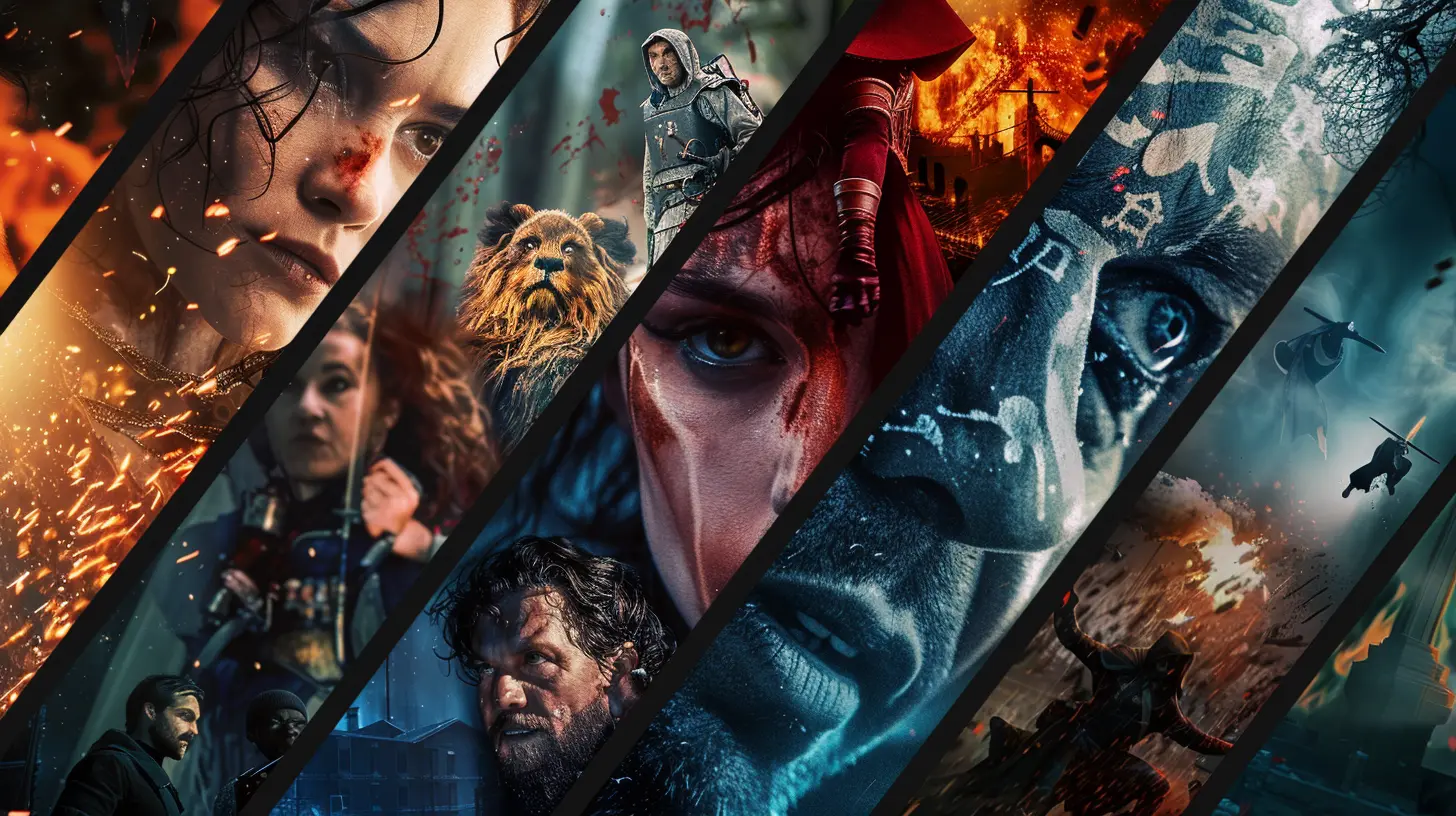
1. Strong Character Development: Making Us Care
One of the most powerful tricks in film and TV is in making the audience care about the characters. You don't just watch them—you feel with them. Games have taken this idea and run with it.In The Last of Us, the relationship between Joel and Ellie isn’t just a plot point; it’s the story’s emotional core. Through dialogue, facial expressions, flashbacks, and even gameplay mechanics, we connect with these characters in a deeply personal way.
Games now build backstories, motivations, fears, and dreams just like movies do. And by spending dozens of hours with these characters—sometimes even controlling them—we bond with them more than we would with a two-hour movie protagonist.
Why This Works So Well in Games
Gamers aren’t just passive viewers—they’re active participants. That interactivity strengthens emotional investment. It’s like being in the movie instead of just watching it.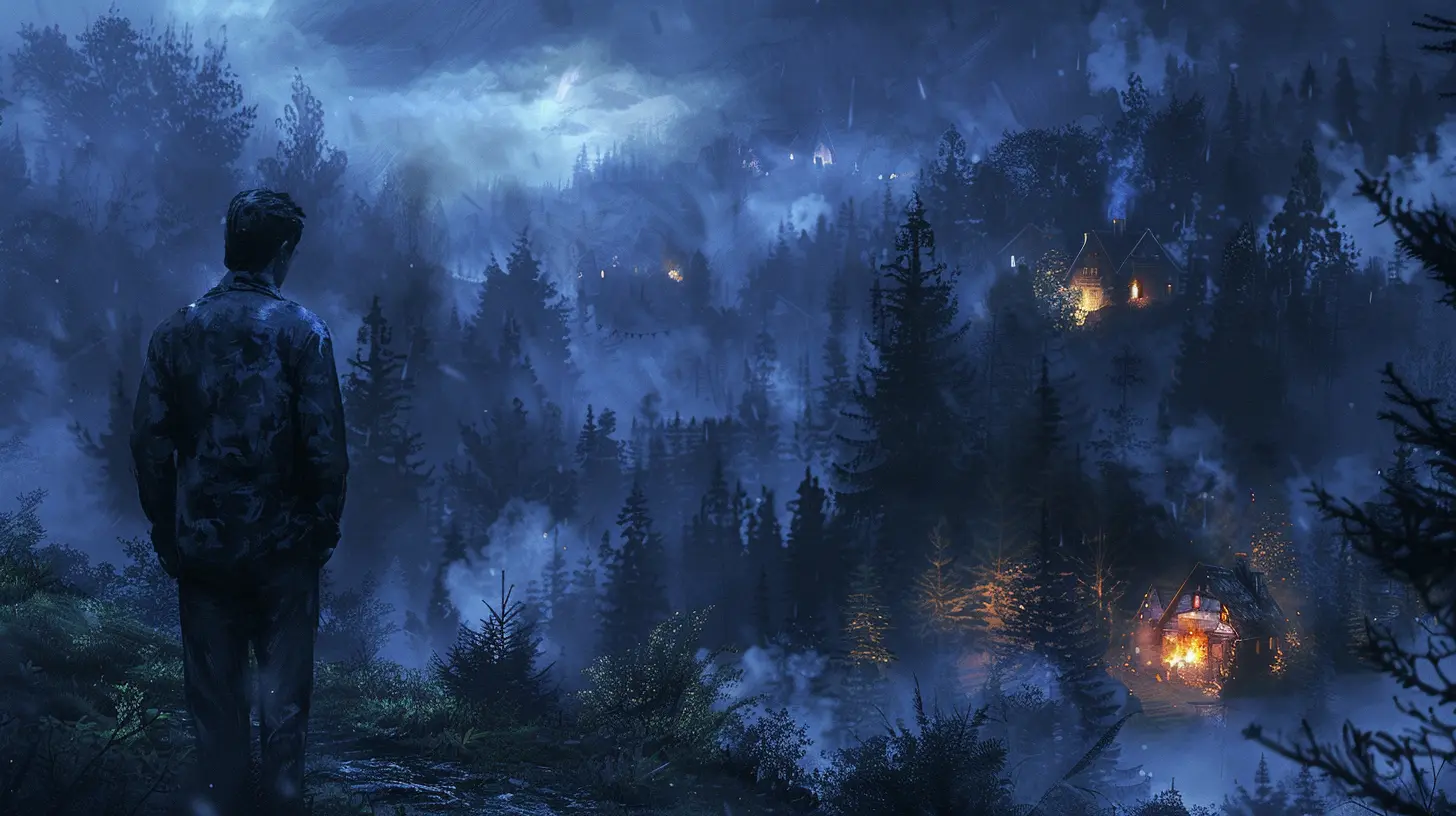
2. Cinematic Camera Work and Visual Framing
Camera angles and movement are storytelling tools in cinematic language. Films use camera pans, zooms, over-the-shoulder shots, and close-ups to guide attention and emphasize emotion. Games are now doing the same.Ever played God of War (2018)? That game is known for its unique single-shot camera technique—no transitions, no cuts—just one continuous shot from start to finish. It’s a bold cinematic move that creates immersion and emotional continuity.
Borrowing the Director’s Eye
By mimicking cinematographic techniques, games visually tell stories in a way that’s instantly familiar to fans of film and TV. It's like playing through a movie, but better—because you’re in control.
3. Non-Linear Storytelling and Flashbacks
TV shows like Lost or Westworld thrive on non-linear storytelling. They jump around in time, keeping audiences engaged and intrigued. Guess what? Games love this too.Titles like Control and Heavy Rain use flashbacks and fragmented timelines to slowly unravel the narrative. Even open-world games like The Witcher 3 or Cyberpunk 2077 pepper in stories that aren’t told in a straight line, but are instead pieced together through missions and discoveries.
Why Flashbacks Work So Well
They add mystery, fill emotional gaps, and give you that "aha!" moment when everything clicks into place. Plus, they make replaying a game all the more rewarding because the second time around, you notice all the hidden clues.4. Dialogue Choices and Branching Narratives
Ever watched a show and wanted the character to make a different choice? Games turn that wish into reality.Inspired by the narrative complexity of shows like Breaking Bad or Game of Thrones, games now allow players to shape the story through dialogue options and decision-making. Titles like Detroit: Become Human, Mass Effect, and Life is Strange thrive on this mechanic.
You choose what your character says, who to ally with, and how to respond in intense moments. These aren’t just decorative choices—they genuinely impact the storyline, just like choosing a route in a "choose your own adventure" book.
The Power of Agency
When your decisions steer the narrative, the emotional stakes go way up. You're not just watching drama unfold—you’re part of it. That connection is something films just can’t replicate.5. Pacing and Scene Building
Ever noticed how TV shows master the art of pacing? They balance action, tension, and downtime perfectly to keep you hooked. Games, borrowing that same rhythm, execute it beautifully.A game like Red Dead Redemption 2 spends time letting you soak in the world—riding your horse under an orange sky or playing poker in a dusty saloon. These moments, much like a scene from an HBO drama, build atmosphere and depth.
Getting the Tempo Right
Just like Tarantino might slow things down before an explosive climax, games now understand the value of tension followed by release. These ebbs and flows keep the player emotionally engaged.6. Soundtrack and Score: Setting the Emotional Tone
Movies taught us that music can make or break a scene. That idea is alive and well in the gaming world.Think of the haunting piano in Silent Hill, the adrenaline-pumping orchestration in Halo, or the melancholy guitar in The Last of Us. These audio cues do more than sound good—they evoke deep emotion and enhance storytelling.
Music = Emotion
By using film-style scores, games tap into our emotional core. It's like a secret language only our heart understands.7. Montage and Time Skips
Montages are a TV and film staple. They show character growth, passage of time, or key story arcs—all in a short amount of time.Games like Assassin’s Creed use this technique in training sequences, while others like Firewatch or Bioshock Infinite use them to compress emotional beats or backstory into digestible chunks.
Time-Saving, Emotion-Packing Tool
Montages help keep the story moving while still hitting important emotional notes. In games, they’re often interactive too, which adds another layer of storytelling.8. Voice Acting and Performance Capture
Gaming's copy-paste move from Hollywood? Performance capture.Modern games don’t just use voice actors—they use motion-capture technology to record actors’ facial expressions and body language. It brings authenticity reminiscent of Oscar-worthy performances.
Games like Death Stranding, L.A. Noire, and Until Dawn feature actors from film and TV, blurring the lines between media even further.
More Than Just Voices
You’re not just hearing emotion—you’re seeing it in real-time. That kind of authenticity makes a character feel real, which amps up the emotional impact big time.9. Episodic Storytelling Structure
Episodic storytelling, popularized by shows like Stranger Things and The Mandalorian, has found a cozy home in gaming too.Games like The Walking Dead (Telltale Series) and Life is Strange are released in episodes, each with cliffhangers, character arcs, and callbacks—just like your favorite binge-worthy shows.
Not Just a Marketing Trick
This method helps keep players invested over time. It gives them a reason to come back, discuss theories, and emotionally reset before diving into the next chapter. It's Netflix-worthy narrative pacing in interactive form.10. Themes and Symbolism
Lastly, let’s talk about the deeper stuff. Great films and TV shows aren’t just entertaining; they make you think. They explore themes like love, loss, morality, identity.Games now step up to that plate. Hellblade: Senua’s Sacrifice tackles mental health. Bioshock dissects political ideologies. Spec Ops: The Line questions the morality of war.
By incorporating strong themes and underlying symbolism, games don’t just entertain—they provoke thought, just like any good Oscar-winning drama would.
Final Thoughts: Games Are the New Cinema
So, what does this all mean?Video games aren’t just games anymore. They’ve transformed into something more—an art form that combines interactivity with the storytelling depth of film and TV. Whether it’s emotionally complex characters, non-linear plots, cinematic visuals, or unforgettable scores, games have clearly taken notes from Hollywood’s playbook.
But here’s the fresh twist: Games aren’t just copying—they’re innovating. Unlike film and TV, games offer something unique: agency. When you are the character, when your choices matter, the emotional payoff is on a completely different level.
So next time you pick up a controller, remember—you’re not just playing a game. You’re stepping into a living, breathing movie where you write the ending.
all images in this post were generated using AI tools
Category:
Game StorylinesAuthor:

Tayla Warner
Discussion
rate this article
2 comments
Patience McManus
Stories unite us all!
June 14, 2026 at 4:27 PM
Tayla Warner
Absolutely! Stories have a way of connecting us, blending experiences through different mediums.
Madalyn Baker
Love the insights... inspiring!
May 6, 2026 at 4:28 PM
Tayla Warner
Thanks so much! I'm glad you found it inspiring!