Comparing Backward Compatibility on Different Gaming Platforms
7 January 2026
Have you ever dusted off an old video game and thought, “Man, I’d love to play this again!” only to realize that your shiny new console doesn’t support it? Backward compatibility is one of those features that can make or break a gaming experience for many players. It’s like having access to your childhood toy chest but with some toys mysteriously locked away unless you find the "special key." Different gaming platforms approach backward compatibility in their own unique ways—some absolutely nailing it and others leaving gamers feeling a little let down.
So, let’s take a closer look at how backward compatibility works across major gaming platforms. Whether you’re part of the PlayStation gang, an Xbox fanboy (or fangirl), a Nintendo nostalgist, or even a PC purist, this article breaks it all down for you.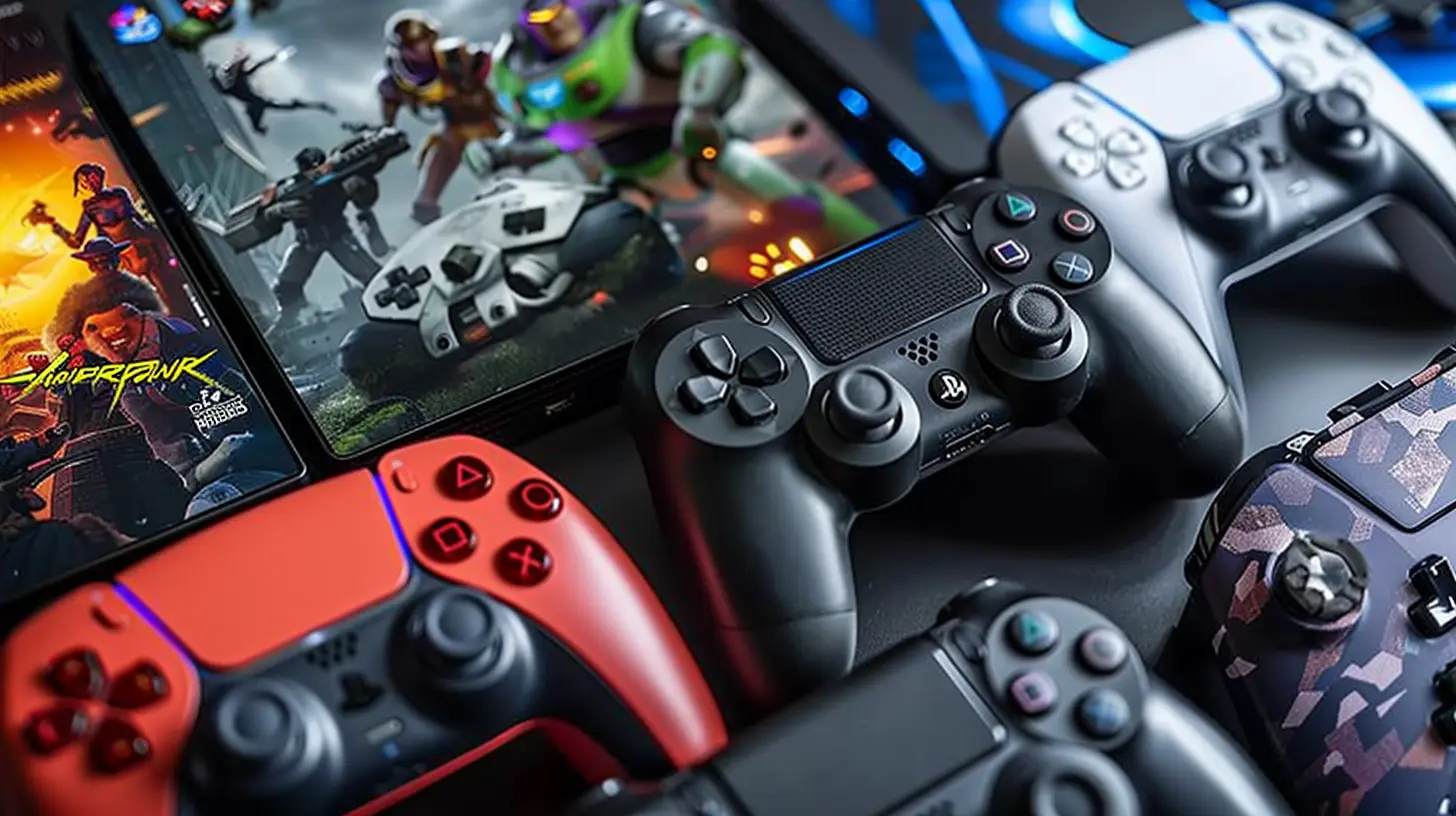
What Is Backward Compatibility?
Alright, let’s start with the basics. Backward compatibility is a console’s ability to run games from previous generations. It’s like when your grandma’s vintage casserole dish still fits perfectly into your modern microwave—except in the gaming world, it’s not always that seamless.For gamers, backward compatibility means you don’t have to retire your beloved old titles just because you’ve upgraded to the latest console. It’s a win-win situation: less clutter (goodbye, ancient consoles taking up shelf space) and a chance to revisit golden classics without hassle. But, as you’ll see, not all gaming platforms treat backward compatibility with the same level of care or consistency.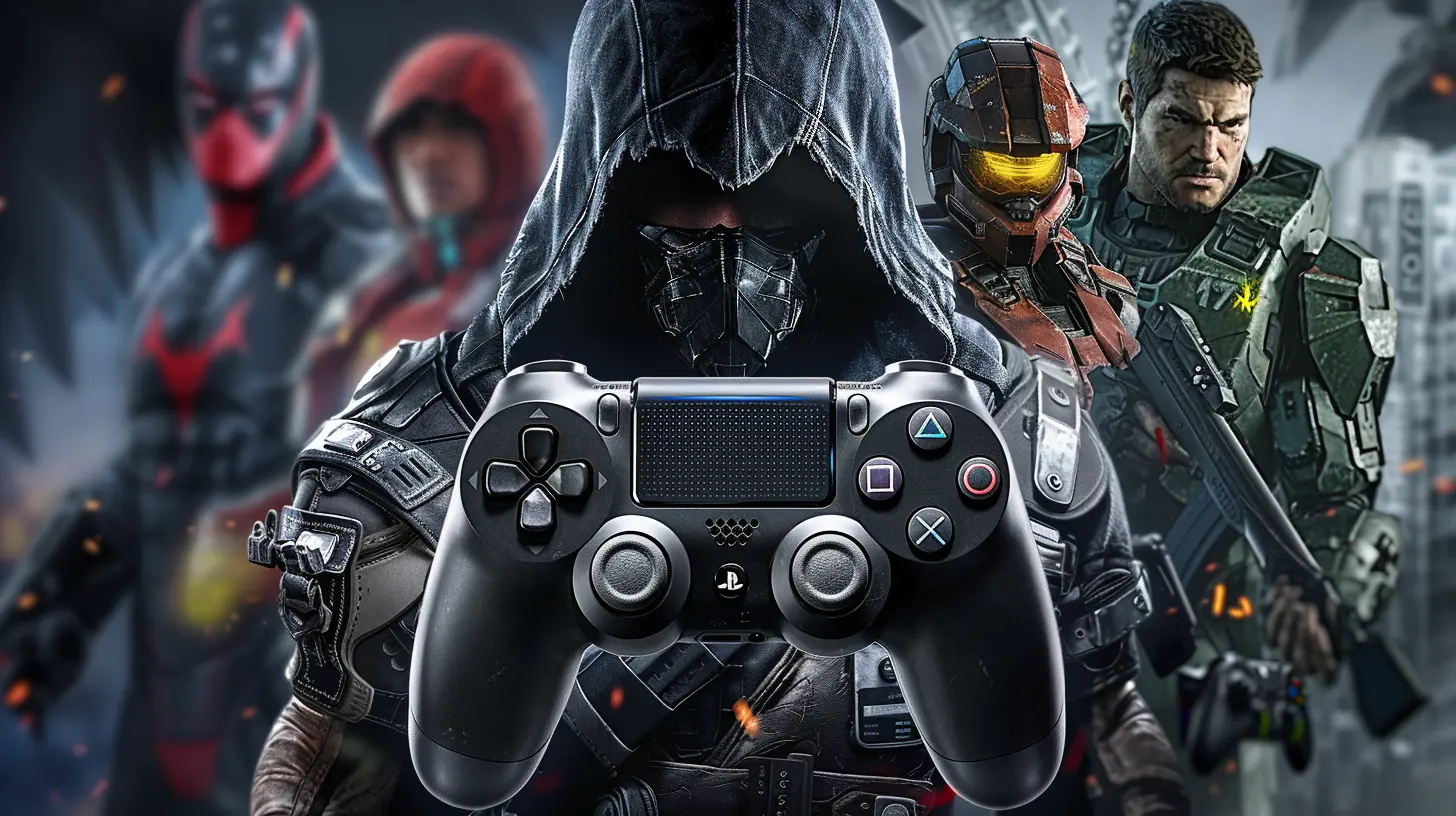
Xbox: The Backward Compatibility Champion
Let’s give credit where it’s due—Microsoft has been killing it when it comes to backward compatibility. If backward compatibility were a competition, Xbox would be wearing the gold medal and winking at the crowd.How Microsoft Approaches Backward Compatibility
When the Xbox One launched, Microsoft introduced a robust backward compatibility program that allowed gamers to play select Xbox 360 and even original Xbox titles. They didn’t just stop there—they kept adding games to the list over time. Fast-forward to the Xbox Series X|S, and the backward compatibility party is still going strong. These consoles support a jaw-dropping library of older Xbox titles, which means you can fire up classics like Halo 3 or Knights of the Old Republic without hunting down legacy hardware.Perks of Xbox’s Approach
What’s even cooler? Microsoft enhances many of these older games for modern hardware. Think sharper visuals, faster loading times, and even higher frame rates. It’s almost like giving your retro games a slick makeover. Plus, Xbox Game Pass adds another layer of convenience, offering a treasure trove of backward-compatible games for one subscription fee.The Verdict
Honestly, if backward compatibility is a big deal for you and you’re not married to a specific console ecosystem, the Xbox family is as good as it gets. Microsoft’s commitment shows that they respect gaming history and want you to enjoy those nostalgic feels.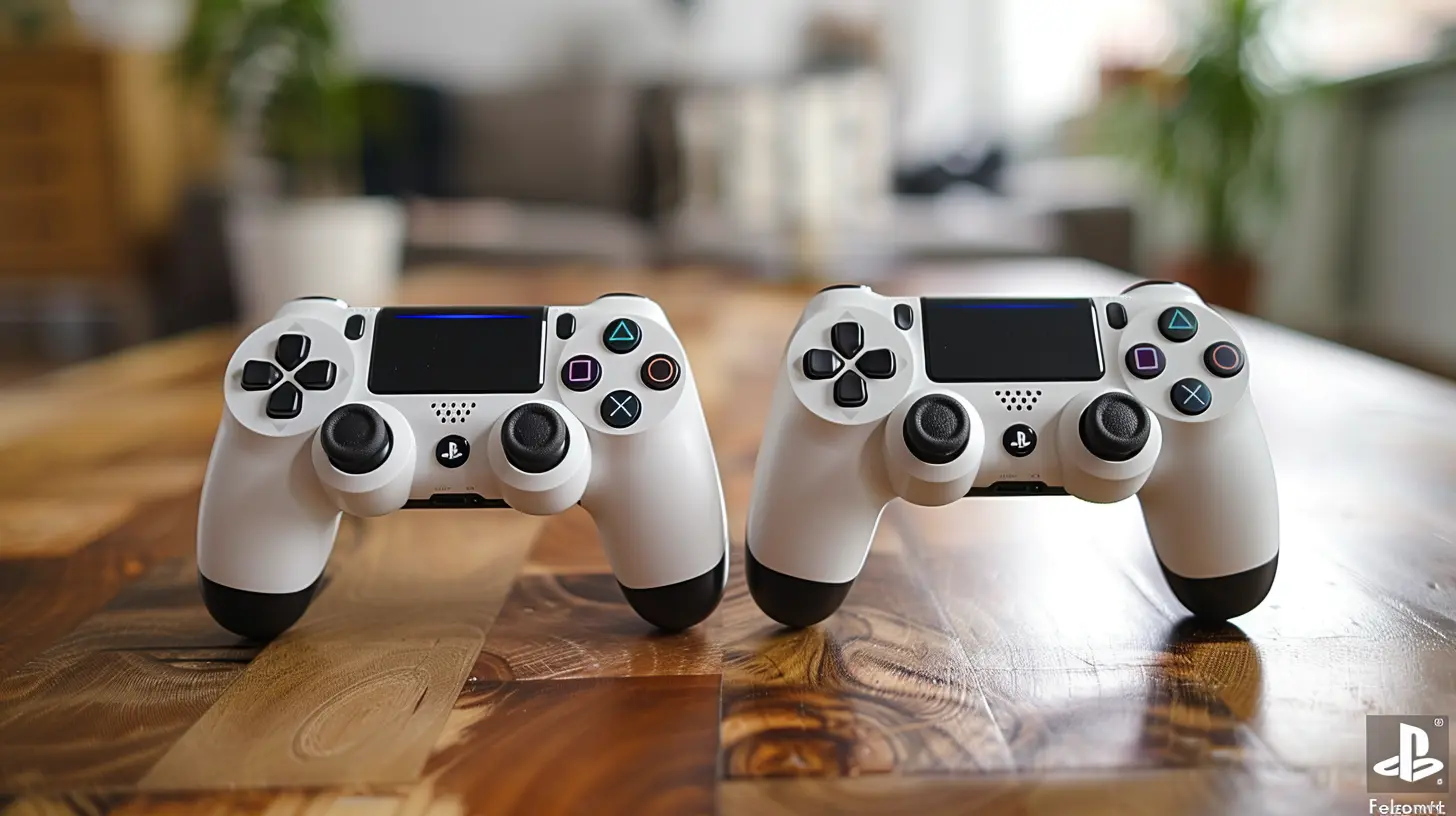
PlayStation: Mixed Emotions
Ah, Sony. The PlayStation brand holds a special place for millions of gamers, but when it comes to backward compatibility, the company’s track record is... let’s say, inconsistent.The PS4 Era: A Complete Miss
Let’s not sugarcoat it—PlayStation 4 was a backward compatibility desert. Unlike the Xbox One, which embraced older titles, the PS4 completely skipped out on the backward compatibility train. Sony’s stance seemed to be, “Hey, just buy our remasters.” And while there were some truly great remastered games (The Last of Us and Uncharted, for example), it kind of stung for gamers who wanted to revisit their PS1, PS2, or PS3 libraries without dusting off those old consoles.The PS5 Steps Up (Sort Of)
With the launch of the PS5, Sony finally threw fans a bone. The good news? The PS5 is backward compatible with most PS4 games (yay!). The bad news? That’s pretty much where the support stops. If you were hoping to dive into your favorite PS3 or PS2 classics on a PS5, you’re out of luck—at least natively. There’s a glimmer of hope with PlayStation Plus Premium, which offers a library of older games you can stream or download, but it’s not quite the same as owning your own digital or physical copies.The Verdict
While the PS5 is definitely a step in the right direction, Sony’s approach to backward compatibility still feels more like a side dish than the main course. Sure, it’s better than nothing, but compared to Xbox, it’s hard not to feel like PlayStation lags behind.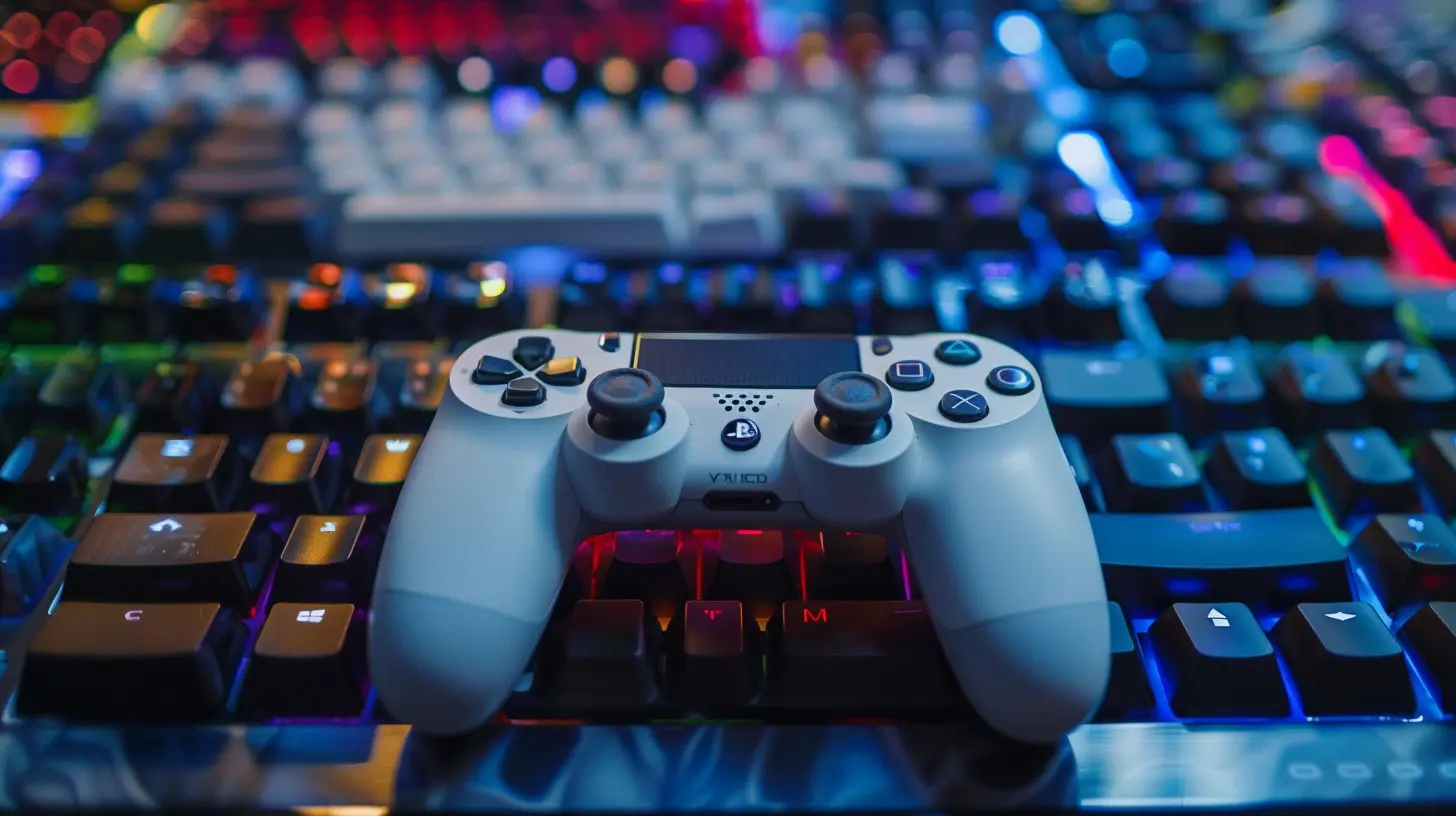
Nintendo: Nostalgia Meets Limited Access
If there’s one gaming company that knows how to tug at our nostalgic heartstrings, it’s Nintendo. After all, who doesn’t want to revisit classics like Super Mario 64 or The Legend of Zelda: Ocarina of Time? But when it comes to backward compatibility, Nintendo’s approach is a bit of a mixed bag.Wii and Wii U: Backward Compatibility Done Right
Let’s rewind to the Wii and Wii U days. Both consoles were backward compatible with their immediate predecessors, which was a dream come true for fans. The Wii allowed you to play GameCube games, and the Wii U supported Wii titles. Plus, both systems supported old controllers and accessories, making it super convenient for families or longtime Nintendo fans.Nintendo Switch: A New Direction
Things took a turn with the Nintendo Switch. While the Switch revolutionized gaming with its hybrid design, it also marked a hard reset for Nintendo’s backward compatibility efforts. The Switch doesn’t natively support games from previous Nintendo consoles, which was a bit of a bummer for fans who had accumulated a library of Wii U or 3DS titles.That said, Nintendo’s solution has been the Nintendo Switch Online service, which offers a curated selection of NES, SNES, N64, and Game Boy games. It’s a fun offering, but it’s not the same as full backward compatibility—and the game library grows at a snail’s pace.
The Verdict
Nintendo’s backward compatibility depends a lot on the console generation you’re talking about. While the Switch doesn’t quite support older games natively, the company still offers enough nostalgia-inducing content to keep fans happy, albeit on a smaller scale.PC: The Wild West of Backward Compatibility
PC gaming is a beast of its own, and when it comes to backward compatibility, it’s a bit like the Wild West—chaotic but surprisingly effective.Why PC Gaming Shines
The beauty of PC gaming is that older games often still run on modern hardware. Sure, you might need a compatibility patch, a mod, or some tinkering, but there’s no generational divide like you see in consoles. Platforms like Steam, GOG (Good Old Games), and even emulation tools make it easier than ever to access decades of gaming history.Some Challenges
That said, PC gaming isn’t without its hiccups. Drivers, operating systems, and hardware changes can sometimes make classic games tricky to run. Ever tried running a Windows 95 game on Windows 11? Yeah, it’s not always smooth sailing. But thanks to the active PC gaming community, there are usually workarounds.The Verdict
If you’re okay with a little technical troubleshooting, PC gaming offers unmatched backward compatibility. Plus, it’s super satisfying to fire up a game from the ‘80s or ‘90s and see it run like a champ on your modern rig.Final Thoughts: Which Platform Wins?
So, which gaming platform takes the crown when it comes to backward compatibility? Honestly, it depends on what you’re looking for. If consistency and breadth are your priorities, Xbox is the hands-down winner. PlayStation has made strides, but it still lags behind in terms of embracing older generations. Nintendo leans heavily on nostalgia, but its approach to backward compatibility can feel restrictive. And PC? Well, PC’s got its quirks, but it remains the most versatile option overall.At the end of the day, backward compatibility isn’t just about playing old games—it's about preserving gaming history and keeping those timeless experiences alive. Whether you’re revisiting childhood favorites or discovering retro gems for the first time, there’s something magical about backward compatibility that every gamer can appreciate.
all images in this post were generated using AI tools
Category:
Gaming PlatformsAuthor:

Tayla Warner
Discussion
rate this article
2 comments
Clover McManus
Ever wondered what hidden treasures lie within the shadows of backward compatibility? Each platform whispers secrets of forgotten games, waiting for players bold enough to explore.
January 11, 2026 at 3:57 PM
Tayla Warner
Absolutely! Backward compatibility not only preserves gaming history but also invites players to rediscover and enjoy forgotten classics. It’s a treasure trove waiting to be explored!
Nym Yates
Great insights! Backward compatibility truly enhances the gaming experience for everyone!
January 10, 2026 at 4:41 PM
Tayla Warner
Thank you! I'm glad you found the insights valuable. Backward compatibility really does make a significant difference in the gaming experience.