Player-Created Factions and Societies in Sandbox Games: A New Frontier
3 December 2025
Ever been part of a group in a game that felt more like a real community than just a bunch of players smashing buttons in sync? If you’ve dived into sandbox games recently, chances are you’ve seen — or maybe even built — your own faction, kingdom, guild, or alliance. And let’s be honest, it’s one of the most exciting, chaotic, and rewarding aspects of gaming today.
So let’s talk about this awesome phenomenon that’s shaking up the gaming world: player-created factions and societies in sandbox games. We’re not just talking about clans for competitive edge — we’re talking full-blown, self-governed communities forming in digital landscapes. It’s wild, and it’s changing how we think about games, teamwork, and even leadership itself.

What Are Sandbox Games, Really?
Before we dive into the juicy stuff, let’s clear up what sandbox games even are. Think Minecraft, Rust, or Ark: Survival Evolved. These games throw you into a world with few rules, minimal structure, and say, “Do your thing.” It’s like being handed LEGO bricks with no instruction manual.Unlike linear games where you’re following a plot, sandbox games are all about freedom and creativity. You can build cities, wage wars, raise dragons, or — as we’ll get to — create entire societies.
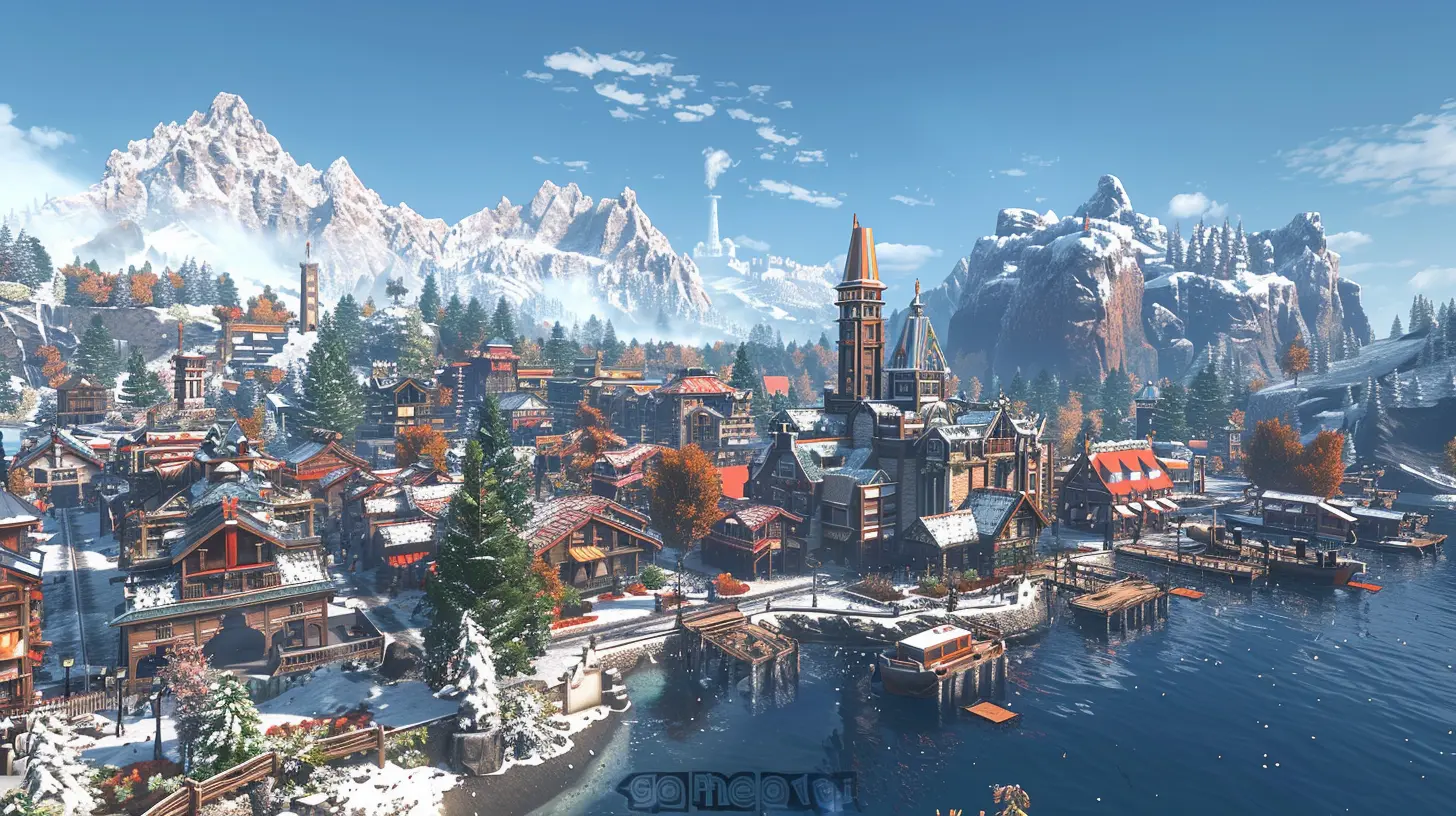
The Rise of Player-Created Factions
Now, let’s talk about factions. When a group of players band together to form an organization, structure, or community within the game, that’s a player-created faction. And it’s not just for show — these factions often set up their own rules, ranks, and goals. They become mini-governments, corporations, or tribes with real influence over the game world.This trend really took off with titles like:
- EVE Online – where player alliances literally wage intergalactic wars involving thousands of players.
- Rust – where in-game towns with trade routes and laws have emerged.
- Conan Exiles – where clans build empires, fight for territory, and sometimes create diplomacy that rivals real-world politics.
- Minecraft (especially in multiplayer servers) – where nations are formed, complete with constitutions, elections, and border patrols.

Why Are Players Creating Their Own Societies?
So, what’s the big deal? Why are gamers putting so much effort into creating these virtual civilizations? The answer’s pretty simple — because they can. But there’s more to it than just flexing creativity.1. Human Nature in a Digital World
We’re social creatures. Even in a game, we naturally group up, find like-minded players, and start working together. Whether it’s protection, trade, or just some good ol’ banter, humans like communities. Sandbox games are the perfect virtual petri dish for this kind of social evolution.2. Power, Leadership, and Politics
Let’s face it: being the ruler of a digital empire is fun. Factions let players step into roles that real life may not offer — generals, diplomats, kings, presidents. The politics that unfold feel real, and sometimes they even carry weight outside the game.3. Purpose Beyond Survival
Early sandbox experiences were often about basic survival. But add a faction into the mix, and suddenly you’ve got purpose. Build that wall for your clan. Gather resources for your guild. Plan a siege on a rival’s fortress. Gameplay becomes more meaningful because it’s tied to a collective goal.4. Storytelling and Legacy
Every faction tells a story. And in sandbox worlds, those stories are shaped by the players themselves. Your group’s rise and fall, your battles, betrayals, and victories become part of that world’s history. Often, it’s these stories that keep players hooked more than the game mechanics themselves.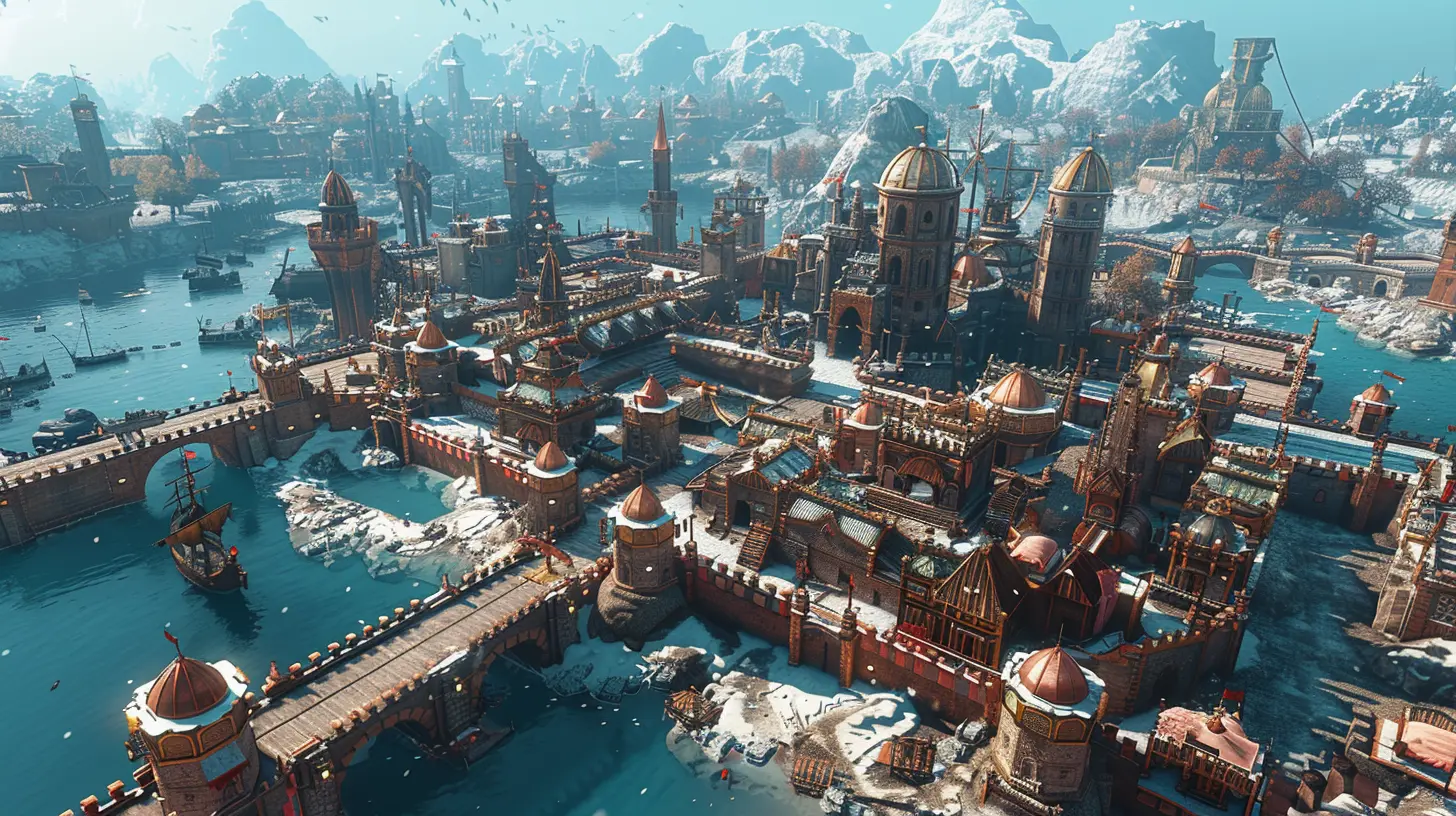
Real-World Skills From Virtual Civilizations
Think this is just fantasy roleplaying? Think again. These player-run societies aren’t just fun — they’re accidental training grounds for real-world skills.- Leadership and Delegation: Running a 100-member alliance in EVE Online? That’s management, plain and simple.
- Conflict Resolution: Navigating peace talks in Rust? That’s negotiation.
- Economics and Trade: Setting up shop in a Minecraft server? You’re learning supply and demand.
- Teamwork: Coordinating a massive raid? Hello, collaboration skills.
It’s no exaggeration to say that some players run more efficient systems in-game than we see in real-world companies.
The Technical Side: How Do Games Support Player Societies?
Now you might be wondering: how are these games even supporting such complex social systems?Game devs didn’t always plan for this. But as players began organizing, developers started building systems to support faction mechanics:
- Customizable Territories: Claimable land, bases, and zones give factions a sense of ownership.
- Governance Tools: Voting systems, leadership roles, and permissions to help manage members.
- In-Game Economy: Trade, markets, and resource control that let factions flourish economically.
- Communication Channels: Built-in chat, voice support, and even bulletin boards for planning and diplomacy.
And now, games are being designed with these features baked in from the start. Devs are leaning into it because they’ve realized how much players love being in charge of their own stories.
The Challenges of Player-Run Societies
It’s not all sunshine and digital rainbows though. Running or being part of a player-created society isn’t always easy. It comes with its own kind of drama.1. Betrayal and Espionage
Trust is key, and when it breaks? Oof. There are countless stories of spies infiltrating groups, stealing supplies, or even wiping out bases overnight.2. Burnout
Leadership roles can get exhausting. Managing people, holding meetings, organizing events — sometimes it starts to feel like a second job.3. Power Struggles
Not everyone agrees on how to run things. Elections, coups, and civil wars within groups happen more often than you’d think. And yeah, sometimes those disputes bleed into real-life friendships.4. Griefing and External Threats
Other players — especially trolls — may target organized groups just to cause chaos. When you’ve built something great, you also put a huge target on your back.The Social Evolution of Gaming
Here’s the cool part: these digital societies are starting to feel like small-scale simulations of real-world nations. And we’re not just talking roleplay. These gatherings have real social structures, political tensions, and cultural values.Some factions have:
- Constitutions and laws
- Diplomatic ties and trade agreements
- Military structures
- Cultural identities, symbols, and even official languages
All of this shows how deeply immersive — and powerful — player agency can be in sandbox environments.
The Future of Player-Created Factions
We’re just scratching the surface. As tech continues to evolve, and as games become more sophisticated, expect player-created factions to get even more complex and influential.AI Integration
Emerging AI tech means NPCs could soon act as faction citizens, giving life to player-led cities with dynamic populations, jobs, and reactions. Imagine running a city not just for your friends — but for an entire AI-powered community!Blockchain and Ownership
Some upcoming games are experimenting with blockchain to give players real ownership over land and resources. That means factions might eventually control assets with real-world value.Cross-Platform Societies
As metaverse-style platforms grow, the idea of a faction might extend beyond a single game. Imagine leading a political party that exists across several connected sandbox worlds.Final Thoughts
The gaming world is evolving, and players are no longer just consumers — they’re creators, leaders, and community builders. Player-created factions and societies are showing us what happens when you give gamers the tools to build their own destiny. It’s not just about grinding XP anymore. It’s about creating legacies, sharing stories, and shaping digital civilizations one block, bullet, or alliance at a time.So, whether you’re a lone wolf looking to join a tribe, a budding leader with dreams of digital dominion, or just a curious explorer of online life — welcome to the new frontier.
Get out there, and build something that matters.
all images in this post were generated using AI tools
Category:
Sandbox GamesAuthor:

Tayla Warner
Discussion
rate this article
3 comments
Sari Stevens
This article beautifully captures the creativity and community spirit in sandbox games. Player-created factions truly enhance the gaming experience, making each adventure unique and memorable.
April 9, 2026 at 3:36 PM
Ashley Kelly
Unleash creativity, shape your world!
December 12, 2025 at 5:30 AM
Tayla Warner
Thank you! Player-created factions truly empower creativity and redefine our gaming experiences!
Christa Phillips
Player-created factions elevate sandbox games, fostering creativity and community. These dynamic societies add depth, allowing players to shape their experiences and narratives, making each game uniquely engaging. Exciting times ahead!
December 3, 2025 at 4:13 AM
Tayla Warner
Thank you for your insight! I completely agree—player-created factions truly enhance the sandbox experience, fostering creativity and community in unique ways. Exciting times indeed!