How to Help Your Child Cope With Losing in Games
27 July 2026
Let’s face it—no one likes losing. Not kids, not adults, not even your friendly neighborhood gamer! But handling a loss with grace? Now that’s a superpower. If you're a parent watching your child go from joyful to tearful the moment they lose a game, you’re not alone. It’s actually a pretty common (and totally normal) growing pain. The good news? You can help your child turn every loss into a win—for their emotional growth.
This guide is your treasure map to helping your child cope with losing in games, whether it’s a video game, board game, or old-school game of tag in the backyard. With the right strategies, you can teach resilience, build character, and make game time more meaningful and fun—even when the scoreboard doesn’t swing in their favor.
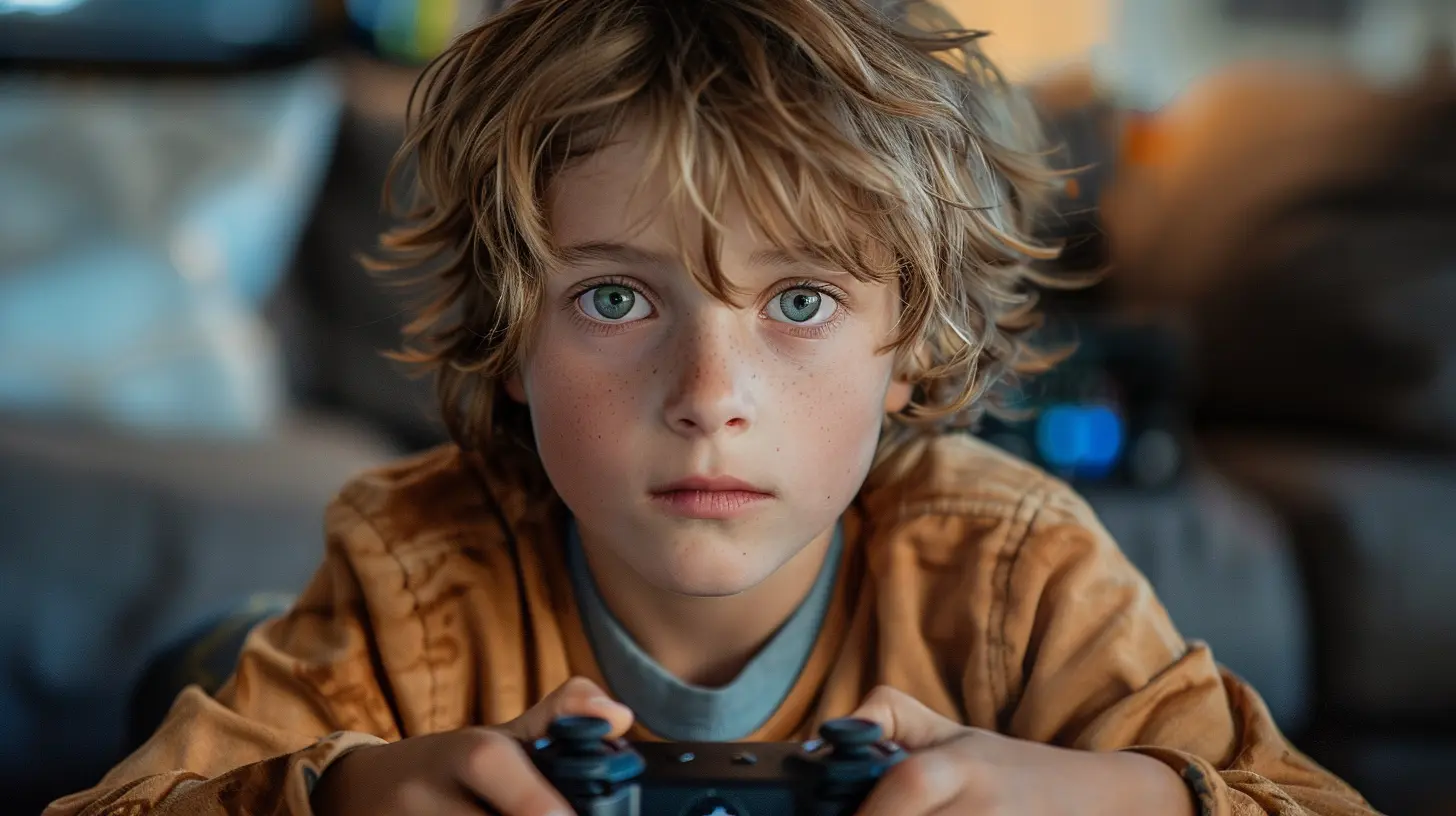
Why Losing Feels Like the End of the World (To a Kid)
Before you can help your child deal with losing, you’ve got to get inside their head a little. It’s not just about the game. Losing can feel like rejection, failure, and embarrassment all rolled into one. Their world is still small, and even little things—like not winning a round of Mario Kart—can feel huge.Children often tie their self-worth to outcomes. If they win, they’re “good.” If they lose, they might believe they’re “not good enough.” That black-and-white thinking? It’s pretty common in young minds. As adults, we know better (or at least we try to), but it takes time and guidance for kids to view setbacks as stepping stones, not stumbling blocks.
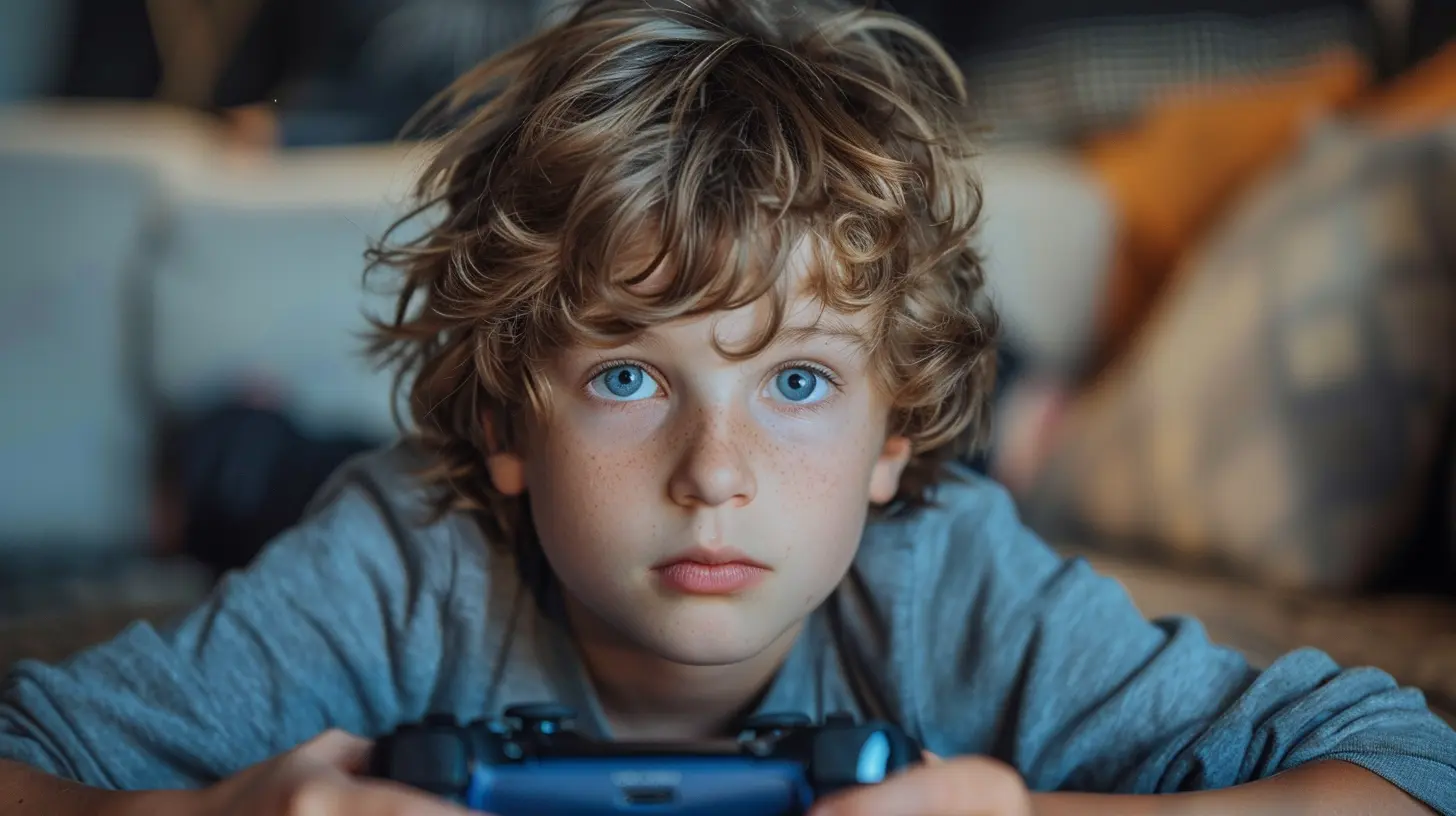
Step 1: Model the Attitude You Want to See
Kids are always watching. And I mean always. They may not listen when you remind them to take out the trash, but they’ll absolutely pick up on how you react when you lose at something.So, start by showing grace when you lose. Whether you're playing a family game night or your favorite mobile game, let your reaction be a teachable moment.
Say things like:
- “Whew, I didn’t win that round, but I had a blast playing with you!”
- “I’ll get ’em next time—time to practice!”
See what you’re doing? You’re normalizing the loss and emphasizing the fun and effort over the results. That’s the vibe we want to pass on.
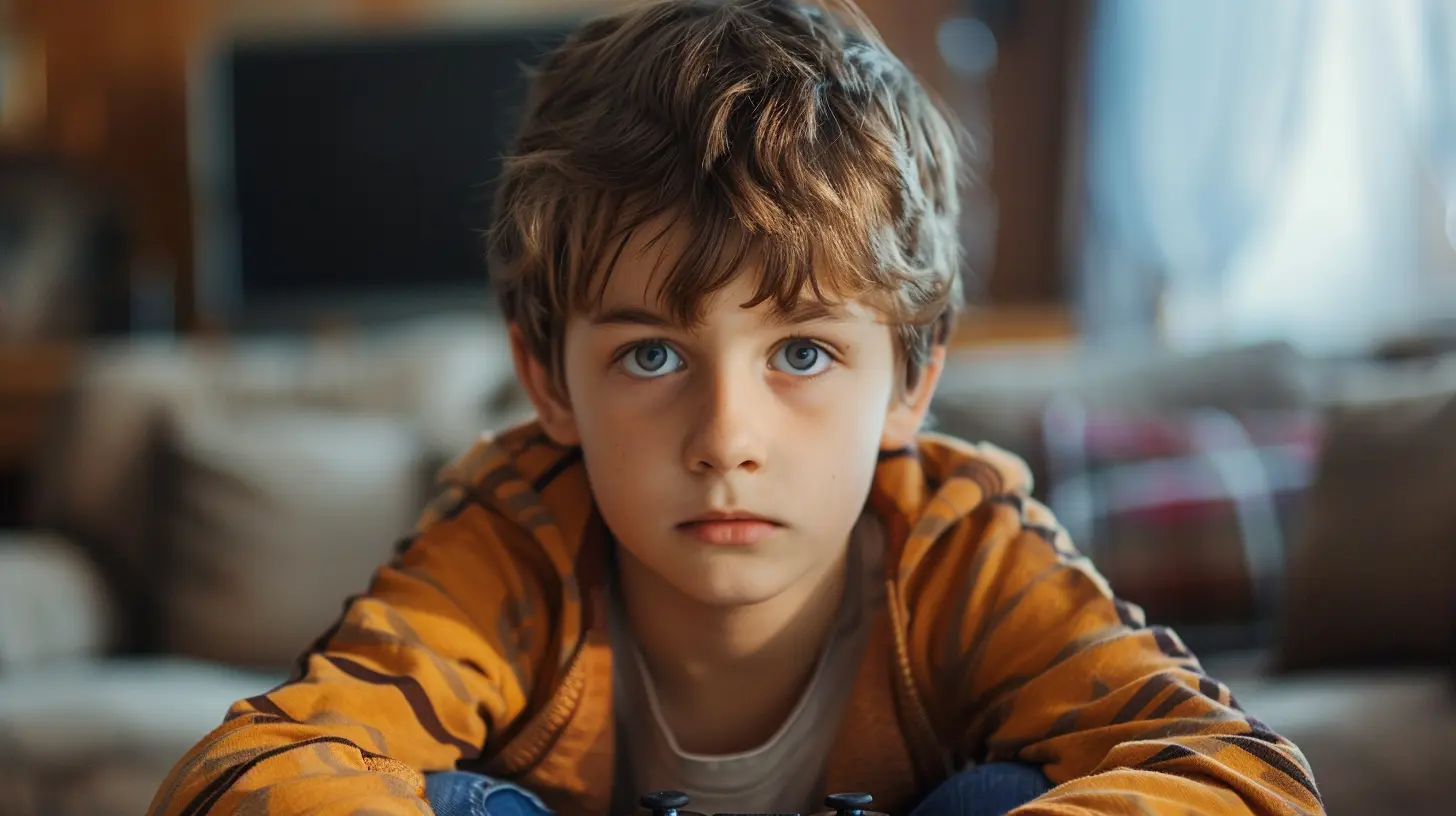
Step 2: Reframe Winning and Losing
Winning is awesome—but it shouldn’t be the only goal. Help your child see the value in the process of playing. It’s not just about crossing the finish line first, it’s about the laughs, strategy, and learning that happen along the way.Try saying:
- “You learned a new trick today! That’s even cooler than winning.”
- “That tough round helped you figure out how to block better. So smart!”
By shifting the focus from outcome to effort, you’re planting seeds for a growth mindset—something that will help them far beyond the world of games.
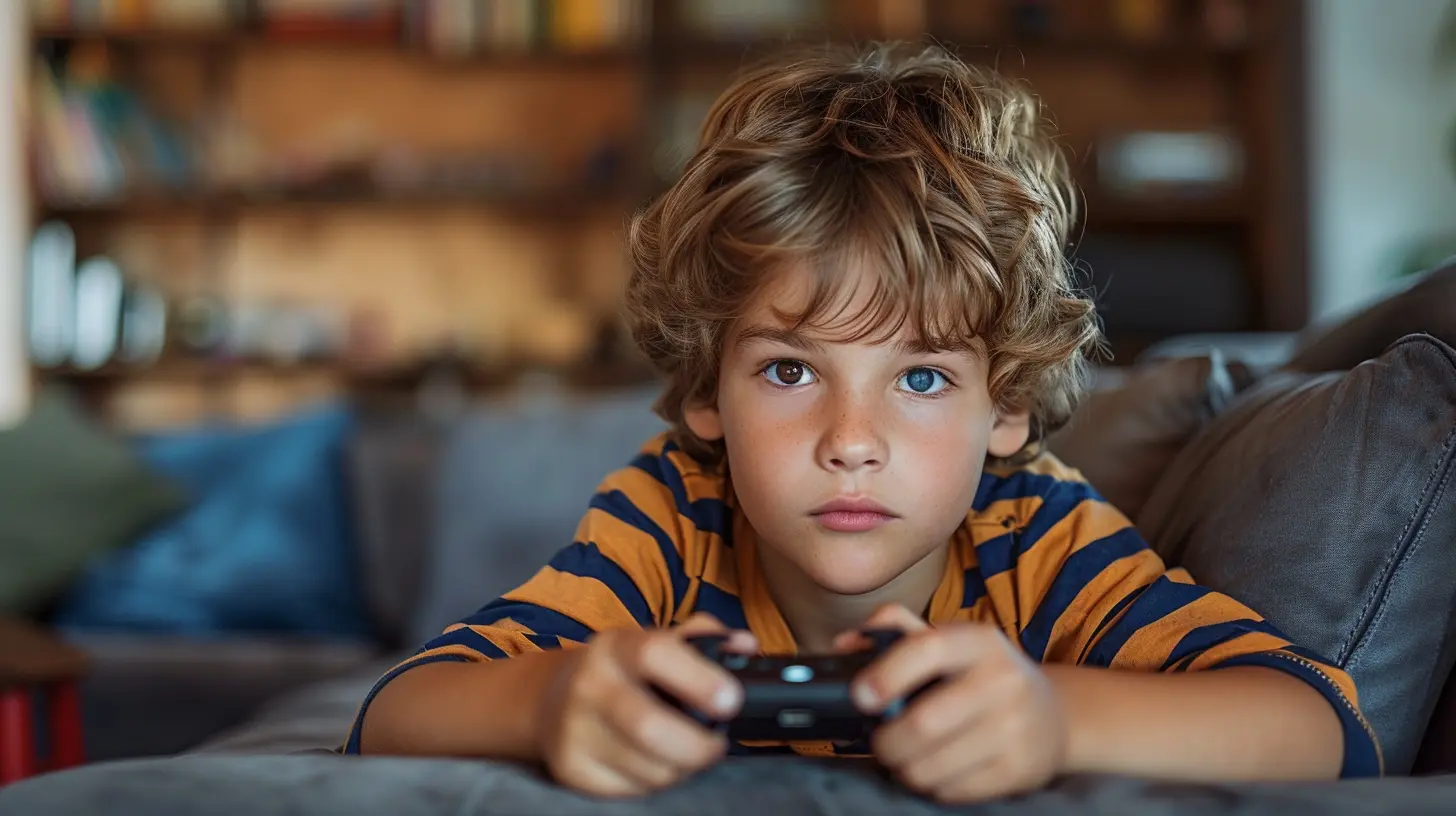
Step 3: Make Losing Less Scary
Sometimes, kids get so worked up over losing because they don’t know how to deal with those big feelings. Enter your secret parenting weapon: emotional regulation.Help your child name and process their emotions. After a tough loss, ask:
- “Are you feeling frustrated right now?”
- “It’s okay to be upset. Do you want a moment, or do you want to talk about it?”
Giving them permission to feel their feelings—and time to cool down—is a big deal. You’re showing them it’s okay to lose, and it’s okay to feel bummed about it. What matters is what they do next.
Step 4: Praise Effort, Not Just Success
You’ve probably heard this one before, but it really works—especially when it’s consistent.Instead of saying, “Wow, you won! You’re amazing!” try:
- “I saw how focused you were during that game. That was awesome!”
- “You figured out a new strategy this time. Nice thinking!”
Praising effort helps your child internalize the idea that trying hard and improving matter more than getting the win. It builds resilience, and that’s what creates long-term confidence.
Step 5: Introduce Cooperative Games
Here’s a little trick: Sprinkle in some games that are less “every man for himself” and more about working together.Co-op board games, team-based video games, and even made-up games that require teamwork can help shift the mindset from “me vs. them” to “us doing our best.” These kinds of games reduce the pressure and build up communication, cooperation, and shared joy.
Think "Overcooked," "Lovers in a Dangerous Spacetime," or board games like "Forbidden Island" or "Outfoxed." Even a good ol’ game of charades gets everyone laughing on the same side.
Step 6: Role-Playing Teaches Resilience
Kids love pretend play—so why not use it to practice losing?Set up a fake game scenario where YOU lose dramatically (maybe even comically)—then model how to react.
You might say:
- “Aww man! I really thought I had that one. Oh well, it’s just a game! Let's play another round.”
Then switch it and have them pretend to lose, guiding them through a calm, positive reaction. It might seem silly, but it’s like practicing for emotional real-life situations. And just like practicing a sport, repetition helps.
Step 7: Create a Game-Time Ritual
Having a little ritual before and after games can set the tone. Repeat phrases like:- Pre-game: “Let’s have fun and try our best!”
- Post-game: “Great effort, no matter the score!”
You could even do a silly high-five or chant. The idea? Making gameplay about connection and fun, rather than pressure and performance.
This routine helps kids understand that winning isn’t the ultimate prize—sharing a moment and trying hard is.
Step 8: Be Mindful of Age and Development
A 4-year-old is going to cope differently than a 10-year-old. That’s just how brain development works.Younger kids? They may need more immediate comfort and distraction when they lose. A quick switch in activity or offering a hug works wonders.
Older kids? They can start internalizing those deeper messages about mindset and effort. They’re also more likely to compare themselves to others, so keeping that “everybody has a different journey” message on repeat is key.
Step 9: Avoid Letting Them Win Just to Keep the Peace
Tempting, I know. But consistently letting your child win to avoid a meltdown doesn’t really help in the long run. Sure, it might prevent some short-term drama, but it robs them of the chance to build resilience and develop coping skills.Instead of throwing the game (especially if they’re old enough to catch on), focus on creating a balanced gameplay experience:
- Play a variety of games—some where everyone has a shot, others that require more luck than skill.
- Vary who plays—mix in friends, siblings, and adults to keep dynamics fresh.
If things get intense, you can ease the tension by tweaking the rules or focusing on mini-goals like “try to score more points than last time.”
Step 10: Keep Communication Open
Finally, and maybe most importantly, be there to talk. Losing can bring up all kinds of feelings—self-esteem, doubt, frustration. Let your child know that you're always a safe space to vent and reflect.Ask open-ended questions like:
- “What part of the game was the toughest for you?”
- “What do you think you’d want to try next time?”
These chats help your child unpack the experience and turn it into a learning moment. Plus, they strengthen your bond—and that’s worth way more than any high score.
A Gentle Reality: Losing Is Part of Life
Here’s the truth: your child is going to lose sometimes. In games, in school, in life. And while it’s hard to watch them hurt, each of those little losses is a chance to build something bigger—resilience, sportsmanship, and emotional strength.Helping your child cope with losing doesn’t mean shielding them from tough moments—it means walking through those moments with them, hand in hand, until they can stand tall on their own.
Just like leveling up in a game, each loss comes with experience points. And with your guidance, your kiddo will become a true MVP—not just in games, but in life.
TL;DR (Too Long; Didn’t Read)
Need a super-quick recap? Here’s how to help your child cope with losing in games:- Be a role model when you lose.
- Shift the focus from winning to learning and fun.
- Help them talk about and process tough emotions.
- Praise effort, not just outcome.
- Play co-op and team-based games.
- Practice resilient behavior through role-play.
- Use pre- and post-game rituals.
- Be age-aware with your approach.
- Don’t always “let them win.”
- Keep communication open and supportive.
Game on, parent!
all images in this post were generated using AI tools
Category:
Parental Guide To GamesAuthor:

Tayla Warner