The Impact of Violent Games on Young Minds
27 June 2026
Violent video games. Just saying the phrase stirs up debate, right? They're the digital battlegrounds where players shoot, slash, and explode their way through intense storylines. Parents worry, researchers test theories, and gamers defend their turf. But here's the million-dollar question: What do these pixel-packed warzones actually do to those young minds soaking it all in?
Well, hang tight. We're diving deep into the world of violence in video games and how it may (or may not) affect today’s youth. We'll look at the research, chip away at the myths, and give you a clear, no-fluff perspective on this hot-button issue.
The Ever-Growing Popularity of Violent Video Games
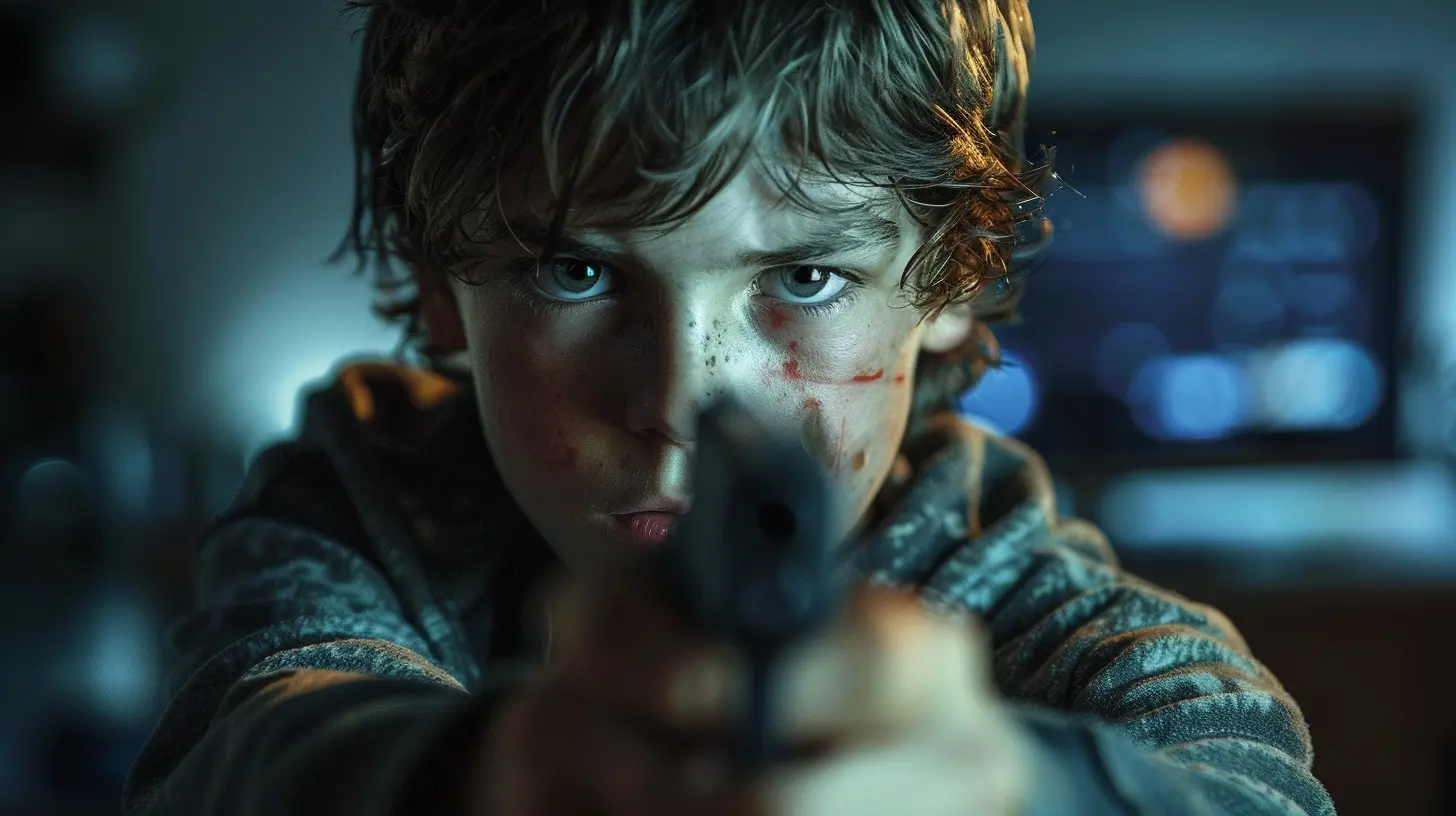
Let’s be real — games like Call of Duty, Grand Theft Auto, Fortnite, and DOOM aren’t just popular. They're insanely popular. We're talking millions of downloads, streaming deals, and global tournaments. There’s something undeniably thrilling about these high-paced, adrenaline-fueled experiences.So, what’s the appeal here?
It could be the fast gameplay, the cinematic storylines, or the competitive rush. But more than anything, it’s the sense of freedom. You get to step into an alternate world, where you're the hero (or anti-hero), calling the shots and making it out alive — well, most of the time.
But while many teens are racking up headshots like pros, their parents might be watching nervously from the sidelines. And it’s not just parents — teachers, psychologists, and policymakers have been raising eyebrows for years.

What's All the Fuss About?
Let’s break it down. The core concern is this: Do violent video games make kids more aggressive?Sounds simple, but the answer? Not so much.
Some worry that repeated exposure to digital violence could desensitize young players. The idea is that when kids continually engage in virtual acts of aggression, they may become numb to real-world violence — or worse, imitate what they see on screen.
Others argue that these games can act as a pressure valve, giving kids a safe space to vent their frustrations.
So, who's right?

Let’s Talk Science — What the Research Says
Okay, time for some facts.Over the years, countless studies have tried to unlock the truth behind violent video games and their psychological effects.
? A group of researchers at the American Psychological Association (APA) did find small connections between violent game exposure and increased aggression. But — and this is a big but — aggression doesn't always mean violence. It could just mean getting irritated more easily. Think slamming a controller when you lose rather than punching someone.
On the flip side, many studies have failed to find any direct link between violent video games and real-world violent behavior. In fact, violent crime among youth has generally declined, even as these games have skyrocketed in popularity.
That kinda throws a wrench in the theory, doesn’t it?
Understanding the Difference Between Aggression and Violence
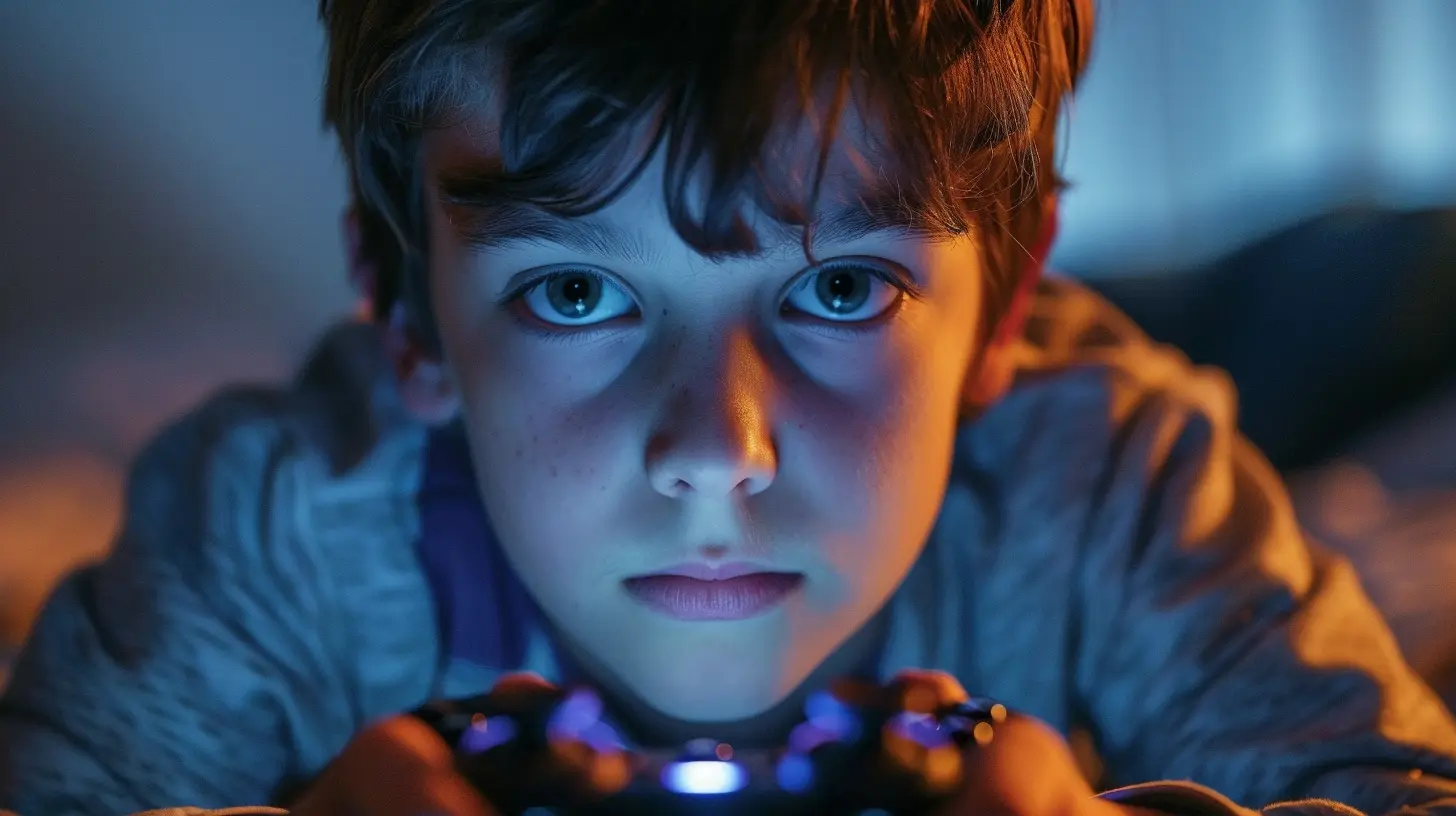
Let’s clear something up real quick, because these terms get mixed up a lot.- Aggression is a temporary reaction. Get cut off in traffic, and boom, you feel a surge of frustration. Maybe some shouting, maybe a clenched fist.
- Violence, on the other hand, means acting on that aggression in a physical and harmful way.
Playing a game that involves guns and fighting may stir up short-term aggression — like getting hyped up after a match. But that doesn't mean a player will leave their console and pick a fight in real life.
Big difference, right?
The Role of Age and Maturity
Here’s something most people forget — not all kids are the same.Age and maturity matter a lot when we're talking about the impact of games. Let's face it: an 8-year-old won't process or understand things the same way a 16-year-old will. And just because a game’s rated M for mature doesn’t mean it’s being played only by older teens.
That’s where parents come in. Monitoring the content your kid’s consuming and knowing how they react to it is crucial. Some children are more sensitive or easily influenced. Others may be totally unbothered and just enjoy the gameplay mechanics.
One size definitely doesn’t fit all.
Emotional Regulation and Gaming
Guess what? Gaming might actually help kids deal with their emotions.Now, hold up — I’m not saying violent games are a substitute for therapy or anything. But for some, gaming is their escape. It provides structure, goals, and a sense of accomplishment.
Ever beat a tough boss after grinding for hours? That’s the sweet taste of digital victory. It teaches patience, persistence, and even teamwork in multiplayer games.
But — if a kid is already dealing with emotional or behavioral issues, violent content might not be the best match. It could trigger anger, anxiety, or reinforce negative thoughts.
So again, it boils down to context.
Can Games Improve Cognitive Skills?
Believe it or not, many of these high-octane titles work wonders for hand-eye coordination, spatial awareness, and strategic thinking.Let’s take a game like Call of Duty. Players have to make split-second decisions, communicate with teammates, and anticipate their enemy's next move. That’s not mindless violence — that's strategy.
And don’t forget reflexes. Some studies have found that action gamers often have better reaction times and attention spans compared to non-gamers.
So while people love pointing fingers at the violence, they're ignoring the cognitive benefits sitting right there.
The Media’s Influence on the Debate
You’ve probably seen the headlines. “Teen commits violent act after bingeing violent games.” And sure, that sounds juicy — but correlation doesn't equal causation.Let me paint you a picture.
Imagine someone eats a lot of ice cream and gets sunburned on the same day. Would you say the ice cream caused the sunburn? Of course not. They’re both linked to something else — maybe a hot summer day.
The same logic applies here. A teen who acts out violently and happens to also play violent games likely has deeper issues at play — family troubles, mental health struggles, or exposure to real-life violence.
Blaming the game alone is like blaming the spoon for making you gain weight.
Parental Controls and Responsible Gaming
The good news? We’re not helpless. There are tons of tools out there to help parents manage what their kids are playing.- Game rating systems (like ESRB) tell you exactly what’s in a game.
- Parental controls on consoles let you set time limits or restrict certain content.
- Open communication between parents and kids can go a long way.
It’s not about banning games altogether. It's about teaching kids balance and awareness, and staying engaged in what they’re interested in.
Online Communities: The Good, the Bad, and the Toxic
Let’s not forget the online scene. Multiplayer games bring people together, but they also expose kids to toxic behavior.Trash talk, bullying, and offensive language can mess with a kid’s self-esteem and lead to anger or anxiety. That's not the game’s fault — that’s the culture that forms around it.
So what can be done?
Encouraging kids to play in moderated environments, report abusive players, and take breaks from toxic lobbies is key. Games should be fun, not emotionally draining.
So... Are Violent Video Games Really That Bad?
Here’s the honest truth — violent games are not inherently evil. But they’re not 100% harmless either.Like any complex topic, the effects depend on multiple factors:
- The individual child’s personality and mental health
- The amount of time spent gaming
- The type of content within the game
- Parental involvement and guidance
Used responsibly, even intense games can be part of a healthy gaming lifestyle. But unchecked, they can contribute to problems — especially for kids already dealing with personal challenges.
The Bottom Line
Violent video games aren't turning kids into monsters — but they're also not something to ignore. They’re like spicy food: fine for some, too intense for others, and always better in moderation.If you’re a parent or guardian, stay curious. Ask your kids what they're playing, why they enjoy it, and how it makes them feel afterward. Be involved, not overbearing.
And if you're a gamer yourself, reflect on how the game affects your mood. Are you playing to relax or to escape something?
At the end of the day, games are tools — and just like any tool, it all depends on how you use them.
all images in this post were generated using AI tools
Category:
Parental Guide To GamesAuthor:

Tayla Warner
Discussion
rate this article
1 comments
Eliza Burton
In the realm of pixels and play, shadows dance where innocence may sway. As laughter mingles with the clash of swords, young hearts navigate a world of rewards. Yet, in this vibrant chaos, wisdom whispers softly, urging caution in each choice they embrace.
July 2, 2026 at 4:10 AM