Helping Kids Manage Emotions While Gaming
18 April 2026
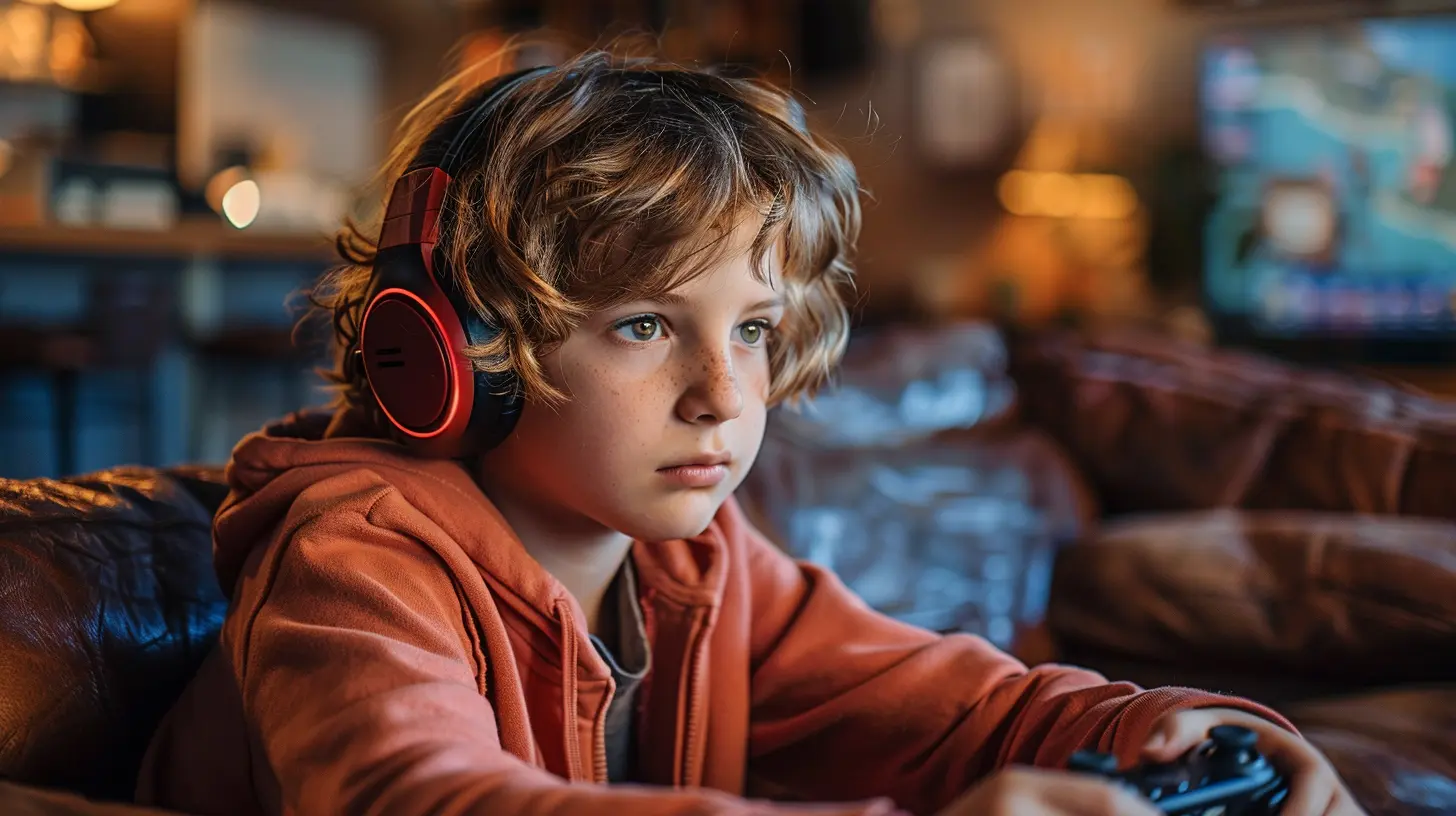
Welcome to the wonderful (and sometimes wild) world of gaming kids! If you've ever witnessed a child hurl a controller across the room faster than Sonic the Hedgehog on a sugar rush, you know that gaming can be an emotional rollercoaster. One minute, your kid is celebrating a sweet headshot or Minecraft creation, and the next, they're melting down over a lag spike or losing a Roblox obby.
So, how do we help our little gamers level up in emotional regulation without rage-quitting life? Grab your controller and some snacks—this article’s gonna be a fun mission filled with tips, tricks, and maybe even a few Mario references.
Why Games Make Emotions Go BOOM ?
Let’s be real—gaming is intense. A boss battle can feel like a real-life exam with dragons. And who hasn’t shouted at a game that cheats (because clearly, it wasn’t your kid’s fault they lost)?Games are designed to trigger emotions—excitement, stress, fear, joy, and yes, frustration. They’re built to challenge, and humans, especially small, adorable ones, aren’t always ready for emotional turbulence. With their developing brains still figuring out how to regulate feelings, it’s no wonder we get tantrums over Fortnite skins or rage over lag.
Quick Science Byte ?
Kids' brains—particularly the prefrontal cortex (responsible for self-control and decision-making)—are still under construction. The emotional center (a.k.a. the drama queen of the brain) often hijacks the situation, especially in high-stress or overstimulating environments like gaming.So, no, your kid isn’t broken. They’re just figuring it out, and you’re here to help them do it (with fewer thrown controllers, hopefully).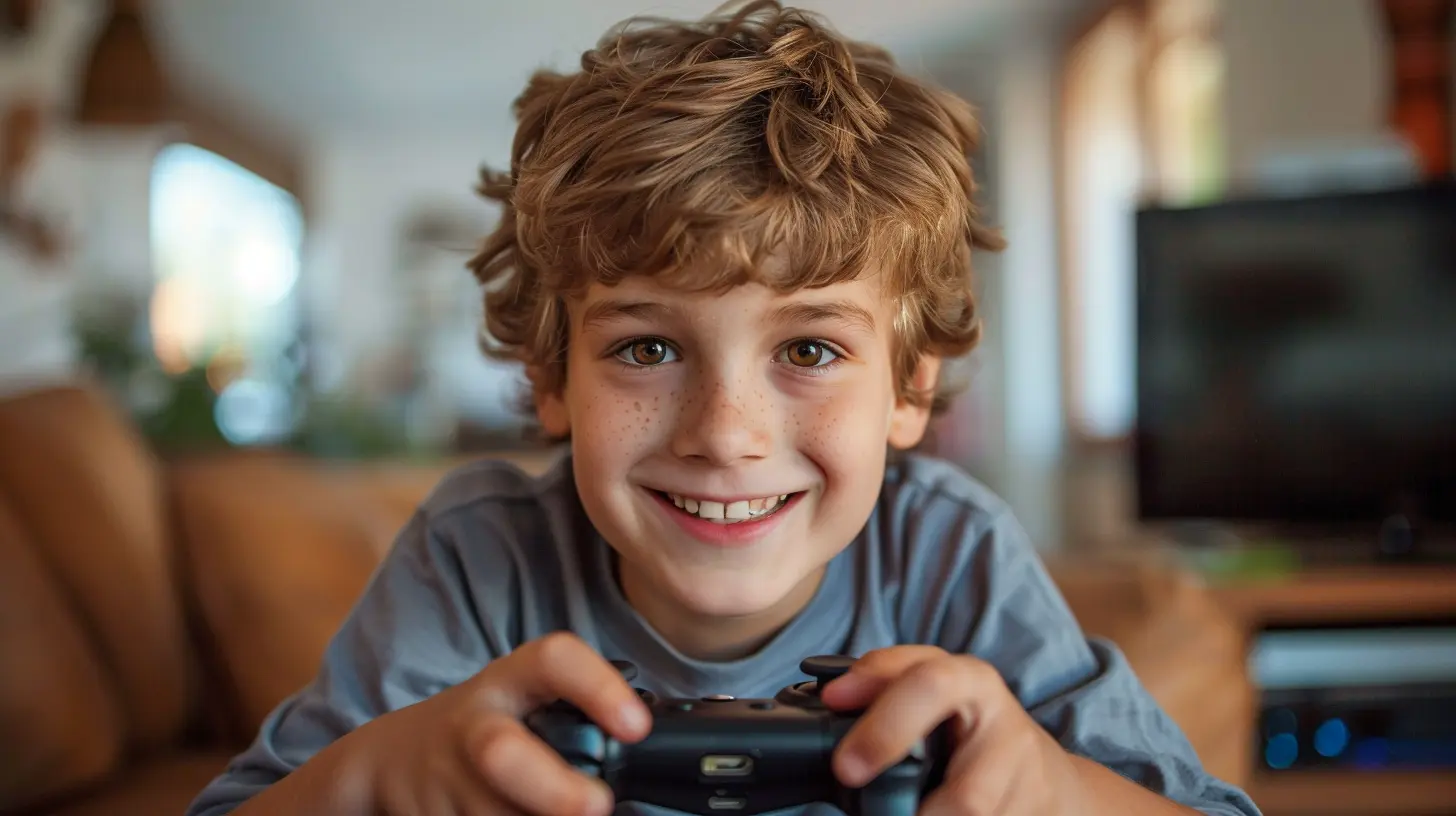
The Emotional Guidebook: Common Feelings Kids Have While Gaming
Understanding what your kiddo is feeling is step one to helping them manage it. Here’s a cheat sheet of common gaming emotions and what fuels them:? Excitement (aka “LOOK WHAT I DID!”)
Every pixel-perfect jump or epic win releases a flood of dopamine—the happy juice of the brain. It’s addictive, and kids chase that high like Mario chases coins.Parent Pro Tip: Celebrate their wins! Be the Luigi to their Mario. Encouragement goes a long way in reinforcing positive emotions.
? Frustration (aka “THIS GAME IS RIGGED!”)
Whether it’s an unbeatable level or a camper in Call of Duty, frustration is gaming’s BFF. Kids feel stuck and powerless, and that makes emotions bubble over.Parent Pro Tip: Teach them to take breaks before they Hulk out on the TV. Even pro gamers walk away when things get heated.
? Sadness (aka “I LOST. AGAIN.”)
Games can hit where it hurts. Losing repeatedly or not being as “good” as friends can lower self-esteem.Parent Pro Tip: Remind them it’s okay to lose. Talk about growth mindset (yeah, we’re going full Ted Talk here)—losing = learning.
? Anger (aka “I’M NEVER PLAYING AGAIN!”... 10 minutes later)
Losses, technical issues, or even teammates not pulling their weight can lead to spectacular outbursts.Parent Pro Tip: Help them name the feeling. “Sounds like you’re really angry—want to talk or take a walk?” Acknowledge first, solve second.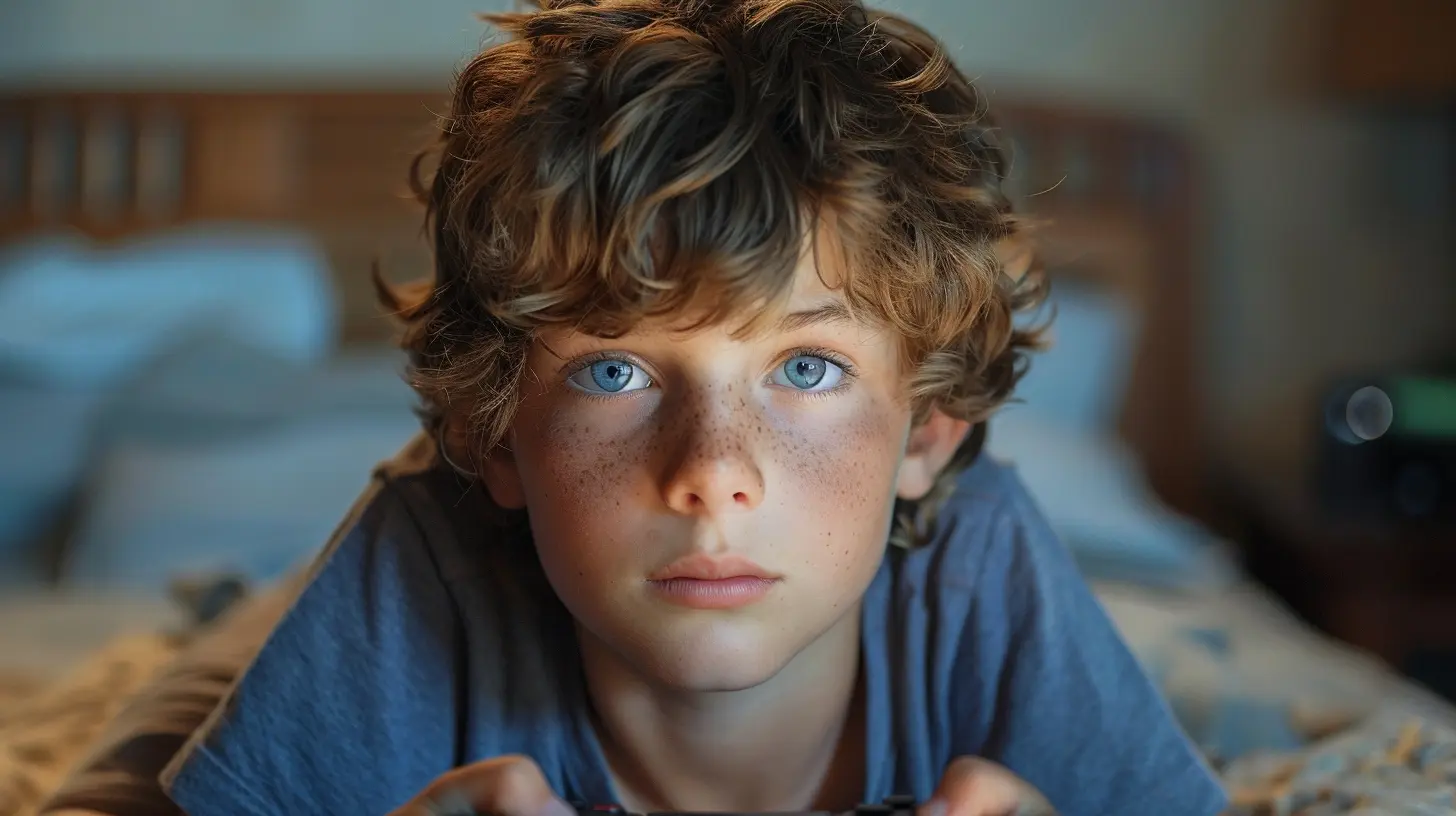
Level 1: Setting Up Emotional Ground Rules
You wouldn’t let your kid play dodgeball in the house (unless you enjoy chaos), so why hand them a game controller without emotional boundaries?? Make a “Gaming Agreement”
Think of it as a cheat code for emotional safety. Sit down with your child and agree on gaming etiquette—like how to act when things go wrong.Sample Rule List:
- No yelling at siblings (even if they stole your loot).
- Break = 5 minutes after every 30 minutes of gaming.
- If you feel mad, pause and breathe (blow those emotional fireballs out like a dragon).
? Introduce “Pause and Check”
Teach kids to press pause—not just in-game, but emotionally. Before launching a verbal assault on the screen, they should “check in” with how they’re feeling.Simple Check-in Questions:
- Am I feeling angry or just tired?
- Is this the game’s fault or am I hungry?
- Would a snack fix this? (Answer: Almost always yes.)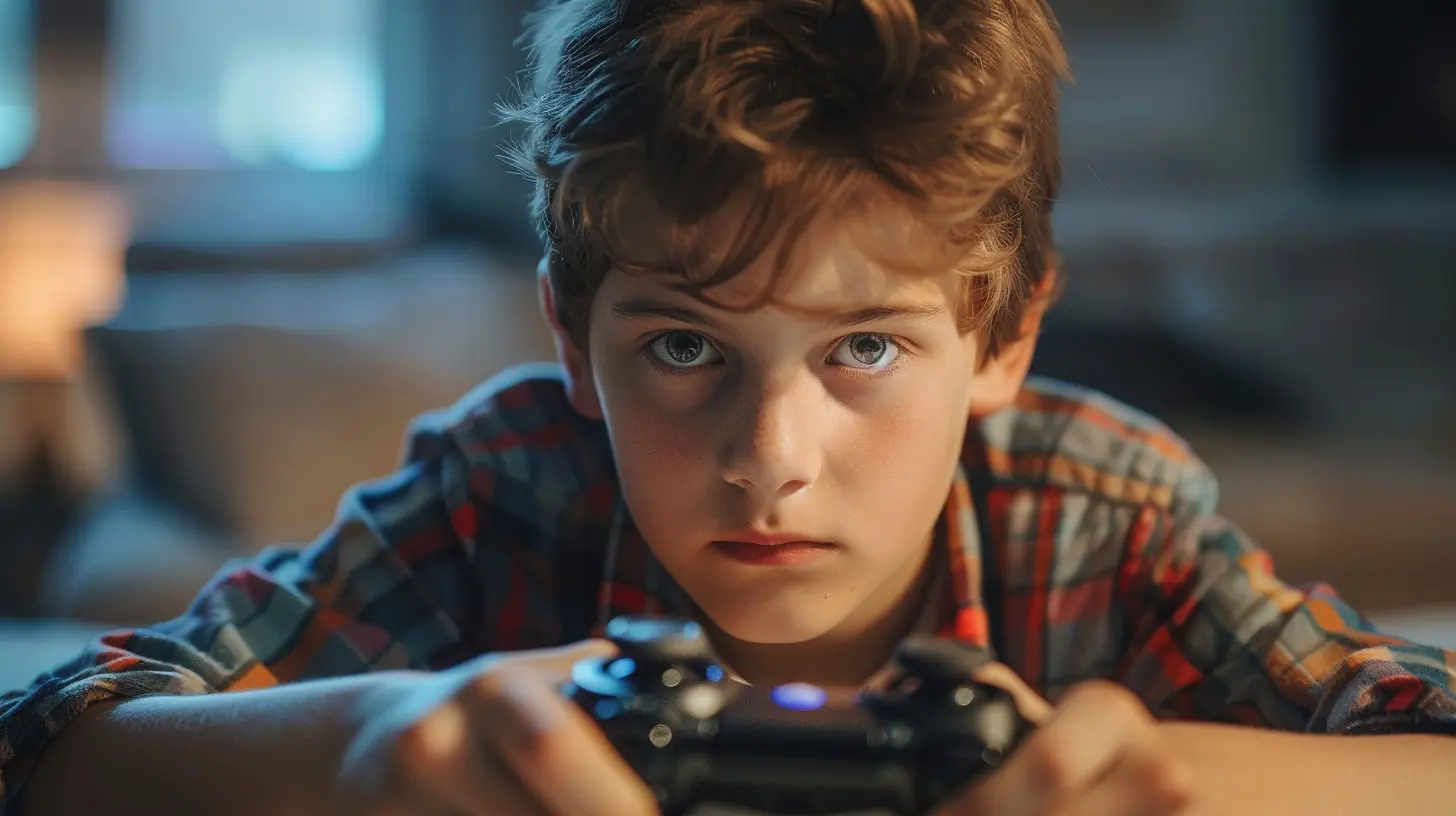
Level 2: Building Emotional Resilience (Like a Gaming Skill Tree)
Just like leveling up your XP, emotional resilience is something that grows over time—and with practice.? Play Emotionally-Smart Games Together
Yes, co-op gaming can be a bonding experience and a teaching moment. Games like “Animal Crossing” or “Stardew Valley” offer calm gameplay and teach patience. No explosions necessary.Pro Tip: Use in-game moments to talk about emotions. “Wow, that villager was rude. How did that make you feel?”
? Create a “Talk It Out” Zone
After each gaming session, have a quick chat about how it went. Not an interrogation, more like a post-boss-fight chill session.Ask:
- What was fun?
- What was hard?
- How did you feel when you lost?
They’re building emotional vocabulary—and you're sneaking in parent magic.
? Normalize Losing
Repeat after me: Losing is not failure. It’s just another level you haven’t beaten yet. Every time your kid hears “it’s okay to lose,” it chips away at the shame and rage that can follow.Bonus: Share your own gaming fails. (“I once fell off a cliff in Skyrim chasing a goat.”) Laughter = instant emotional diffuser.
Level 3: Real-Life Power-Ups (a.k.a. Coping Skills)
Your kid’s emotional backpack needs more than just snacks and sarcasm. Let’s add some real tools.?♂️ Breathe Like a Boss
When kids rage, their breathing becomes fast and shallow. Teach them the “Dragon Breath” method:1. Inhale deeply like you’re sucking in spaghetti.
2. Hold it (but don’t pass out).
3. Exhale like a fire-blowing dragon.
Make it fun! Pretend you're charging a power move. Bonus points for sound effects.
⏰ Use a Gaming Timer
Time limits aren't just to save your furniture. They teach pacing and prevent the “zombie gamer meltdown” that happens after 5 hours straight of Minecraft mining.Pro tip? Set timers with your kid and give reminders. It makes them feel in control.
✋ Create a “Rage Reset” Routine
Have a family-approved way to reset during meltdowns.Ideas:
- Gamers’ “Cool-Down Card” (a silly card they flash when they need space)
- Jumping jacks (burn off frustration!)
- A “Game Over” dance party (because why not?)
Level 4: When It Gets Real (and You Need a Power-Up)
Not every rage scream is “just a game rage.” Sometimes, it may be a sign of something deeper—anxiety, sensory overload, or just a rough season.? Red Flags to Watch For:
- Emotional outbursts are nonstop—even outside of gaming.- The kid withdraws or refuses to play at all.
- They talk down on themselves constantly.
- Their meltdown game is more epic than their gameplay.
If that sounds familiar, it may be time to chat with a counselor or therapist. No shame in the game—think of it as getting a professional power-up.
Bonus Round: You, the Parent, Are the Final Boss (In a Good Way)
Here’s the truth: You are your kid’s first and best co-op partner. They’ll mirror your emotional control, so if you’re yelling, expect echoes. But if you stay calm during their rage monologues, you’re showing them how to stay cool under fire.You don’t have to be perfect—just intentional.
And remember: If your kid can beat a 12-phase boss fight in Elden Ring, they can absolutely learn to tame their temper… with your help.
TL;DR (Too Long; Didn’t Respawn)
- Gaming is an emotional minefield for kids.- Help them by naming feelings, setting rules, and teaching coping skills.
- Celebrate emotional wins just like in-game victories.
- Play with them, listen to them, and be their emotional co-op partner.
- If emotions get too intense, don’t be afraid to call in the pros.
Let’s raise emotionally resilient kids who can handle both the final boss and a lost Minecraft save file without throwing the controller across the room. (Okay, maybe just once. We’ve all been there.)
Game on, parents.
all images in this post were generated using AI tools
Category:
Parental Guide To GamesAuthor:

Tayla Warner
Discussion
rate this article
2 comments
Josephine Hardy
Level up those feels!
April 19, 2026 at 3:40 AM
Tayla Warner
Thanks! It's all about finding the right balance to make gaming a positive experience.
Elena Bowman
What a fantastic article! 🌟 Helping kids navigate their emotions while gaming is so important. It's wonderful to see strategies that promote resilience and emotional intelligence. Let’s empower our little gamers to thrive both in-game and in life! 🎮❤️
April 18, 2026 at 4:09 AM
Tayla Warner
Thank you! I'm glad you found it valuable. Empowering kids in both gaming and life is crucial.