How Real-World Issues Inspire Complex Game Narratives
19 May 2026
Video games have come a long way from pixelated plumbers and high-score leaderboards. These days, they’re not just about fun and fantasy—they’re powerful storytelling tools. And what’s one of the richest sources of inspiration for these stories? The real world. Yeah, I'm talking politics, war, climate change, personal identity, and everything else we wrestle with in real life.
So, how do real-world issues make their way into your favorite game worlds? And why do some games feel like they're holding up a mirror to society itself? Let’s dive into it.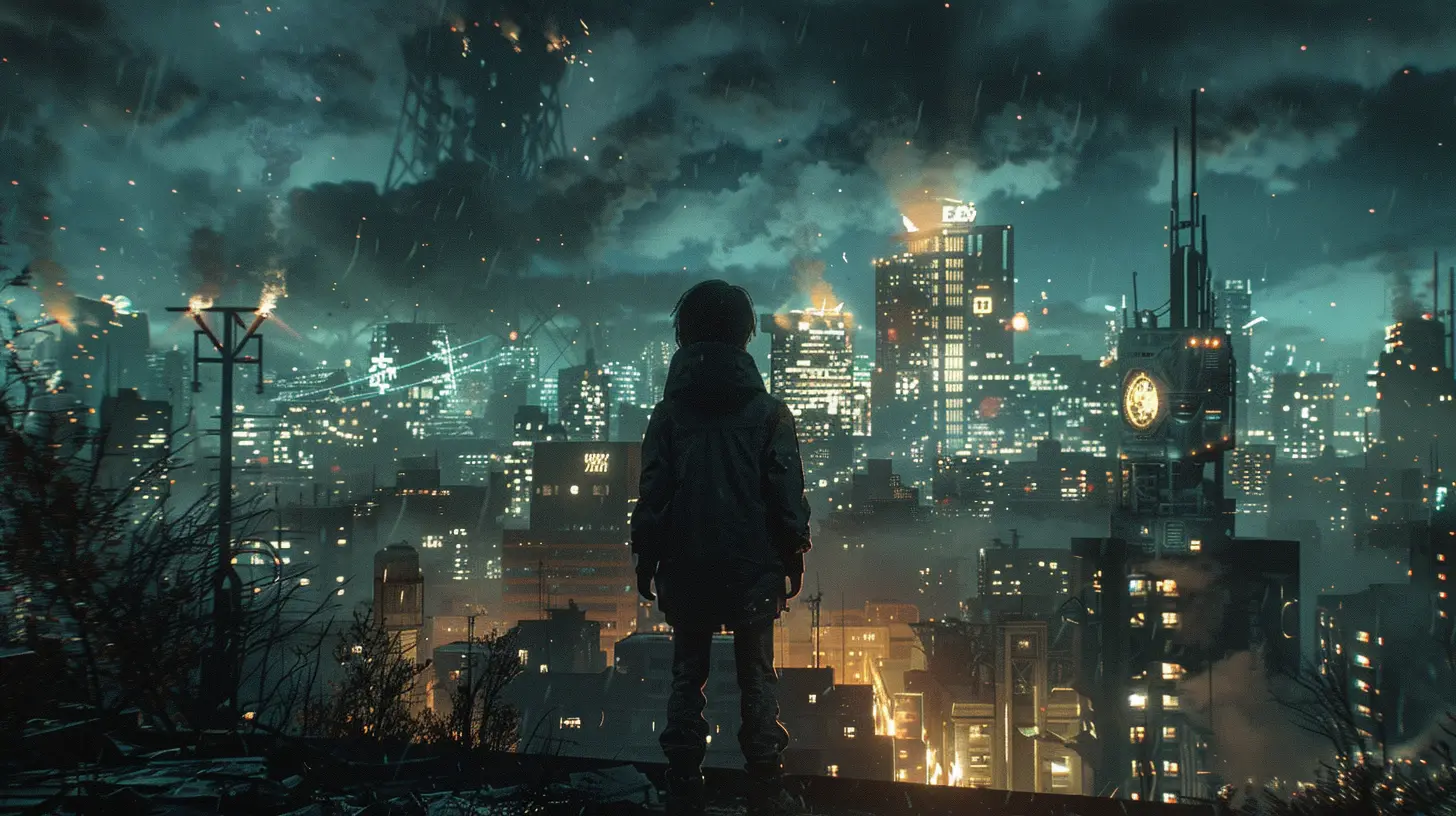
Games Aren’t Just Escapism Anymore
Okay, sure, games are still a great way to escape reality—we all need a break sometimes. But many modern titles go beyond simply offering a digital playground. They tap into things that weigh on our minds in real life. These games don’t just distract us; they engage us on a deeper level.Think of it like this: just as novels, movies, and TV shows draw from the human experience, games are doing the same—only you're in control of the narrative.
War and Conflict: The Battlefield of Narrative
Let’s face it—war has always been a go-to theme in gaming. Call of Duty, Battlefield, Medal of Honor—you name it. But over time, the portrayal of war in games has matured. Developers are no longer just throwing players into glorified shooting galleries. Instead, many have started to grapple with the moral and emotional toll of conflict.Real-World Influence
Take a look at games like Spec Ops: The Line or This War of Mine. These titles don’t just focus on firefights—they explore psychological trauma, civilian suffering, and ethical dilemmas. This War of Mine, in particular, is inspired by the Siege of Sarajevo during the Bosnian War. You don’t play as a soldier—you’re a civilian trying to survive. That changes everything.Games like these pose tough questions: What would you do to survive? How far would you go? And, honestly, that gray moral tone feels all too real.
Politics and Power Dynamics
Politics might not sound like an exciting topic for a game, but when it’s woven into a narrative the right way, it can be downright gripping.Big Brother Is Watching
Enter Papers, Please, a deceptively simple game that puts you in the shoes of a border control officer in a fictional dystopian nation. Yet, it tackles themes like immigration, bureaucracy, surveillance, and personal ethics. The choices you make impact people’s lives—and your own. It’s not just about stamping passports; it’s about deciding who deserves to cross a line, literally and figuratively.And then there’s Democracy 4, which simulates running a government. Taxes, healthcare, public opinion—it’s all yours to juggle. Sounds dry? It’s not. You quickly realize there's no pleasing everyone, which feels... eerily familiar.
Climate Change and Environmental Collapse
Mother Earth is in trouble, and the gaming world knows it. Climate change has become a central theme in many games, pushing players to think about the consequences of environmental neglect.Apocalypse, But Make It Real
Post-apocalyptic games like Horizon Zero Dawn and Frostpunk show us worlds ravaged by ecological disaster. While they might seem futuristic, their roots are firmly planted in present-day fears.Frostpunk puts you in charge of a city trying to survive a new ice age. You're constantly balancing resources, making impossible decisions, and watching people freeze to death if you mess up. It doesn’t take much imagination to connect that to current debates around energy crises and sustainability.
Nature isn’t just a setting anymore—it’s often a character with its own motivations and consequences.
Identity, Culture, and Representation
As the gaming community becomes more diverse, so too do the stories being told. Game developers from all walks of life are bringing their own experiences and cultural backgrounds into the spotlight.Walking in Someone Else’s Shoes
Never Alone is a beautiful example. Co-developed with the Iñupiat, an Alaska Native people, this game shares traditional stories and values. It’s more than entertainment—it’s education wrapped in a heartfelt narrative.Then there’s Celeste, a platformer that at its core is about climbing a mountain. But really, it’s a metaphor for dealing with anxiety and self-doubt. The main character, Madeline, struggles with her own identity and mental health. And guess what? That resonated with a lot of people.
These games spark empathy. They help players understand perspectives they might never encounter otherwise.
Technology Ethics and AI
Alright, let’s talk sci-fi—specifically, how it often reflects real-world concerns about tech. Artificial intelligence, surveillance, data privacy—it’s all fair game in the world of gaming.More Than Just Robots
Detroit: Become Human explores questions about sentience, discrimination, and rebellion through humanoid androids. Sure, it’s fiction, but it pushes players to think hard about what rights AI should—or shouldn’t—have.Another title, Watch Dogs: Legion, is set in a surveillance-heavy London. The game's themes of hacking, citizen conformity, and government overreach feel less “sci-fi” and more “five minutes away from reality.”
It turns out, your favorite cyberpunk dystopia might be just a close cousin of today's news headlines.
Mental Health Takes Center Stage
Let’s get real—mental health is one of those topics that was once taboo in gaming. Not anymore. Game narratives are increasingly tackling issues like depression, anxiety, PTSD, and more—with unexpected honesty and emotional depth.Where Gameplay Meets Emotion
Hellblade: Senua’s Sacrifice is a standout here. It portrays psychosis through immersive audio design and narrative choices. You hear the voices in Senua’s head. You feel her paranoia. And while you play, you start to question what’s real—just as she does.The developers even worked with neuroscientists and people with lived experiences to make sure the portrayal was accurate and respectful. That kind of care? It’s changing how people think about mental illness, both in and outside the gaming world.
Resistance and Revolution
Struggles against oppression, fights for justice, and calls for revolution—these aren’t just plot devices. They’re reflections of real social movements, both past and present.Fantasy with a Purpose
Bioshock Infinite, for all its sky-high sci-fi setting, tackles themes like nationalism, class warfare, and violent rebellion. You’re not just blasting away enemies—you’re unpacking a story about propaganda, systemic oppression, and historical whitewashing.Far Cry 6 is another example, drawing inspiration from modern-day dictatorships and guerrilla warfare. The game doesn’t shy away from showing the brutality of autocratic regimes or the sacrifices people make to fight back.
Even if the settings are fictional, the emotions and conflicts feel all too real.
Why These Stories Matter
So, why does any of this matter? Why should we care if a game tackles real-world issues?Because games are immersive. They pull you into another world and make you live a situation rather than just reading or hearing about it. That level of empathy? It’s a game-changer—literally.
Games can spark conversations, challenge beliefs, and make you step back and question the world. They’re not just about winning—they’re about understanding.
The Power of Player Choice
One of the coolest things about games that mirror real life? They give you the reins. Your choices matter. Will you save a town at the cost of your own people? Will you tell the truth and risk everything or lie and protect those you love?These decisions echo the kind of moral complexity we face in our own messy, unpredictable lives.
Moral Dilemmas in Motion
Games like The Witcher 3, Mass Effect, and Life is Strange put these dilemmas front and center. There’s rarely a “right” answer—just consequences. It forces players to think critically, reflect on their values, and deal with the aftermath.And maybe, just maybe, those digital choices leave a mark on how we approach real-life ones.
Final Thoughts
The idea that games are just mindless entertainment is so outdated, it might as well be fossilized in an old arcade cabinet. Today, video games are one of the most powerful storytelling mediums we’ve got.By weaving in real-world issues—whether it’s through commentary on politics, environmental decay, personal identity, or ethical decisions—games create narratives that are rich, nuanced, and, most importantly, human.
So next time you boot up a game and find yourself in a world that feels oddly familiar, ask yourself: is this just fiction… or a reflection of something much closer to home?
all images in this post were generated using AI tools
Category:
Game StorylinesAuthor:

Tayla Warner
Discussion
rate this article
2 comments
Darius Smith
Who knew saving the world in games could double as social commentary? Talk about multitasking!
July 5, 2026 at 4:55 AM
Tayla Warner
Absolutely! Games can weave important themes into their stories while keeping players engaged. It's a unique way to spark awareness and conversation.
Riven McGrady
Games that tackle real-world issues often resonate more deeply with players, creating immersive experiences that challenge perspectives and spark meaningful conversations about our society.
May 28, 2026 at 3:25 AM
Tayla Warner
I completely agree. Games that engage with real-world issues not only enhance storytelling but also encourage players to reflect on important societal topics.