Gaming and Mental Health: What Parents Should Understand
16 April 2026
Let’s be honest—video games have become a huge part of our world. From console classics to mobile diversions and immersive online universes, it’s no longer just a hobby—it’s a lifestyle. But when kids begin to spend more time in digital realms than in the real one, it raises understandable questions and concerns, especially for parents. And that’s where we need to talk: gaming and mental health.
What does gaming really do to a child’s mental well-being? Is it all bad? Can it be good? If you're a parent looking for real answers without the scare tactics, this article is for you.
The Changing Face of Gaming
Gaming in the 90s was a weekend treat. Fast forward to today—it's social, competitive, and even educational. Kids aren't just playing; they’re connecting, building communities, and sometimes—even making money.But with this evolution comes a complex web of emotional, psychological, and even developmental factors that we need to untangle.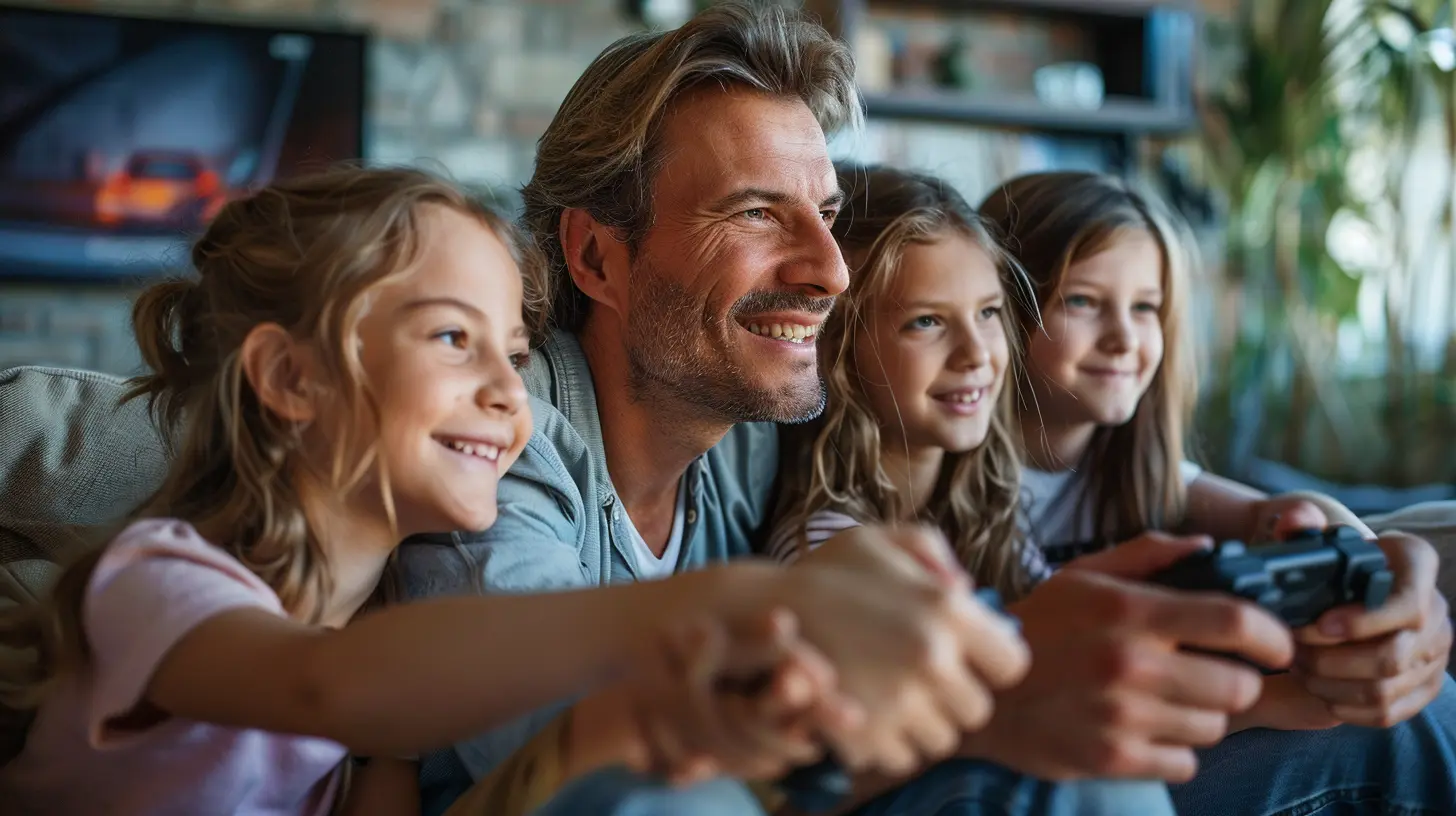
Is Gaming Hurting Mental Health?
A lot of parents ask this, and it's a fair question. The media loves to link gaming with addiction, aggression, and isolation. And sure, if your kiddo is spending 8+ hours a day gripping a controller like it's a lifeline, there could be a problem. But—and this is a big but—it’s not always that black and white.Let’s break down some common concerns.
1. Game Addiction: Real or Hype?
Yes, "gaming disorder" is now recognized by the World Health Organization. But before you hit the panic button, understand this: Not everyone who loves gaming is addicted. There's a difference between passion and dependence.Addiction is about loss of control—when gaming starts replacing essential daily activities like eating, sleeping, or interacting with others. It’s rare, and often a symptom of deeper issues like anxiety or depression.
? Tip for Parents: Look at behavior patterns, not just screen hours. Is your child withdrawing? Skipping responsibilities? That’s when you should be concerned.
2. The Aggression Myth
Some games have violence, yes. But does that mean they're turning your angelic 12-year-old into a rage machine?Science says… not really.
Research shows that context and environment matter. A well-adjusted child with strong social support is unlikely to become aggressive just from playing a shooter game. In fact, some kids use games to blow off steam in a low-risk way—like having a punching bag for the brain.
3. Isolation and Social Skills
Here’s something many non-gamers don’t realize: Gaming is wildly social.From Fortnite squads to Minecraft collaborations, kids are constantly talking, planning, and working together. They’re building friendships, learning teamwork, and even resolving conflict—just in a digital playground instead of a physical one.
???? Still, balance matters. In-person interactions are crucial for emotional intelligence, so encourage both online and offline social time.
The Surprising Mental Health Benefits of Gaming
Let’s flip the narrative for a minute. What if—just maybe—gaming is actually doing positive things for your child’s mental health?Crazy, right? But stay with me.
1. Stress Relief & Emotional Regulation
Life's tough, even for kids. School pressures, social drama, and just growing up—it’s a lot to process. Games offer a safe space to escape, relax, and regain emotional control. It's like a mental reset button.Playing a familiar game can be incredibly soothing, like re-watching a feel-good movie when you're feeling low.
2. Boosting Cognitive Functions
Forget what you've heard—gaming can be brain food.We’re talking improved reaction time, critical thinking, memory, spatial navigation, and even decision-making. Games like puzzles, strategy RPGs, or simulators have proven benefits for brain development.
⚙️ Think of it like this: Just as Sudoku sharpens the mind, so do certain video games.
3. Increased Resilience and Problem-Solving Skills
Games often present challenges—boss fights, riddles, puzzles. Kids fail, try again, adapt, and eventually win. This teaches perseverance, patience, and the oh-so-important ability to cope with failure.That’s a life skill schools don’t always teach.
4. Community and Belonging
For kids who struggle socially in real life, online gaming communities can be a lifeline.Whether they’re into building fantastical worlds in Minecraft or competing in Dota 2, there's always someone out there who shares their interests. That sense of belonging? It’s priceless for mental health.
Where It Can Go Wrong—and How to Fix It
Okay, so it’s not all doom and gloom. But what if gaming really is becoming a problem in your home? How do you handle it without turning your kid into an anti-parent rebel?Here are some smart, non-alienating strategies.
Set Healthy Limits (Without the Dictator Vibes)
Kids need structure, but no one likes feeling micromanaged. Collaborate with them—set mutual guidelines. Maybe it's no games after 9PM or only after homework's done.? Make them part of the decision, and they’re way more likely to stick with the rules.
Encourage Game Diversity
Not all games are created equal. Introduce your kids to titles that challenge the mind, promote creativity, or even teach real-world skills.Think: Portal (logic), Stardew Valley (management + empathy), or Civilization (strategy + history).
This not only broadens their gaming horizons but also teaches them balance without them even realizing it.
Talk About What They're Playing
Make it a convo, not a lecture.Ask about what they’re building in Minecraft. Get curious about their favorite characters. When kids know you’re genuinely interested, they’re more open to sharing—and it becomes easier to spot red flags if something is off.
Watch for the Warning Signs
Even beneficial activities can become harmful if taken to extremes. Keep an eye out for:- Sleep deprivation
- Sudden academic decline
- Social withdrawal
- Mood swings when not gaming
If these pop up, it may be time to reassess and possibly consult a mental health professional.
Don't Fear the Controller—Understand It
As a parent, your job isn’t to become a Twitch-streaming gamer (unless you want to, of course), but to understand why your child is drawn to gaming. When you get where they’re coming from, you’ll parent from a place of connection, not conflict.Gaming isn’t going anywhere. It’s evolving, just like all technologies before it. Remember when TV was going to rot our brains? Or when the internet was a "fad"? Yeah... same energy.
So rather than shutting it down, help your child navigate it in a healthy, balanced way.
A Quick Parent's Guide: Healthy Gaming Checklist
✅ Set screen time boundaries✅ Mix gaming with physical activity
✅ Encourage breaks (every hour or so)
✅ Create a device-free bedtime routine
✅ Play with your kids sometimes
✅ Offer positive alternatives (board games, art, outdoor play)
✅ Keep the conversation open and judgment-free
Final Thoughts: It’s All About Balance
Gaming is neither hero nor villain—it’s a tool. Like any tool, it can be helpful or harmful, depending on how it’s used. As a parent, you don’t need to fear it. You just need to understand it.Yes, there can be risks, especially if boundaries blur. But there’s also connection, creativity, and even genuine joy on the other side.
So next time you see your kid playing a game, don’t rush to unplug the console. Sit down, ask them what they're playing, and maybe even join them for a round. Who knows? You might just have fun too.
all images in this post were generated using AI tools
Category:
Parental Guide To GamesAuthor:

Tayla Warner
Discussion
rate this article
2 comments
Tate Forbes
Empower joy through gaming; balance is key!
April 17, 2026 at 3:06 PM
Franklin McCollum
Thank you for addressing this important topic. Understanding the connection between gaming and mental health can empower parents to support their children while fostering healthy gaming habits.
April 17, 2026 at 4:46 AM
Tayla Warner
Thank you for your insightful comment! Empowering parents is key to promoting healthy gaming habits and supporting mental well-being.