Exploring the Moral Dilemmas in RPG Storylines
23 July 2026
Alright, fellow digital adventurer, let’s talk about one of the most dramatic, head-scratching, controller-throwing aspects of any good Role-Playing Game (RPG): the moral dilemmas. Yep, we’re diving deep into that painfully beautiful moment when your game asks you to choose between being the savior of a kingdom or accidentally nuking an orphanage. (Thanks, Fallout.)
You think you’re in for some good ol’ hack-and-slash, potion-chugging fun—and suddenly the plot throws philosophical grenades at you. What a nice surprise, right?
Let’s unpack the juicy drama and confusing ethics behind RPG storylines and why we gamers secretly live for the guilt.
What Are Moral Dilemmas in RPGs Anyway?
Picture this: You’ve just spent 30 hours building the ultimate Dragon Mage Warrior Bard Prince. You’re unstoppable. Then, the game drops a quest.“Save the town by sacrificing your loyal companion.”
Cue dramatic music. Are you serious, game? You want me to kill Steve the Sassy Archer who’s been cracking jokes since hour one?
Moral dilemmas in RPGs are those gut-wrenching choices that come without a clearly “good” answer. It’s not just about right vs. wrong—it’s about "what hurts less."
Games love to force you into gray areas. And we, the masochistic players we are, eat it up because apparently pixelated existential crises are our thing.
The Illusion of Choice: Are We Really in Control?
Here’s a fun question: Do our choices even matter?RPGs love to wave the “Your Choices Shape the World” banner like it’s confetti at a gaming convention. But let’s be real—how many times have you agonized over a moral decision, only for the game to funnel you toward the same ending with a different hairstyle?
Games like Mass Effect, The Witcher 3, or Dragon Age claim your decisions change the world. And to be fair, sometimes they do. Sometimes your decision results in world peace—or world-ending destruction. But other times? It’s basically a glorified cutscene generator.
Still, the illusion is convincing, and we love it. Why? Because we get to roleplay being judge, jury, and occasional executioner. That’s the dream, isn’t it?
The Classic Choices: Kill, Spare, or Look Away Awkwardly
Let’s take a quick stroll down RPG memory lane with some of the most overused (yet still devastating) moral dilemma tropes:1. The Mercy Kill
Ah yes, your old war buddy is infected with magical rabies. He begs for a quick death. Do you give him peace... or drag him to every temple hoping for a cure?These moments are where you learn if your character is a cold pragmatist or a hopeful idealist with a shrine to “second chances.” Spoiler: Either way, you’ll probably feel awful.
2. Save the Orphans or Your Loot
“There's a burning village, but hey, this cave nearby has legendary armor!”RPGs love this moral seesaw. Do you help the innocent or chase sweet, sweet loot? And don't you dare pretend you haven’t let a village burn while you opened every chest in that cave.
Shame.
3. Lie or Snitch?
You overhear treasonous whispers. Your choices: Cover for them and risk the kingdom’s doom, or snitch like a tattletale and watch your relationship with them go up in flames.Does loyalty outweigh duty? Depends—were they giving you cool gear?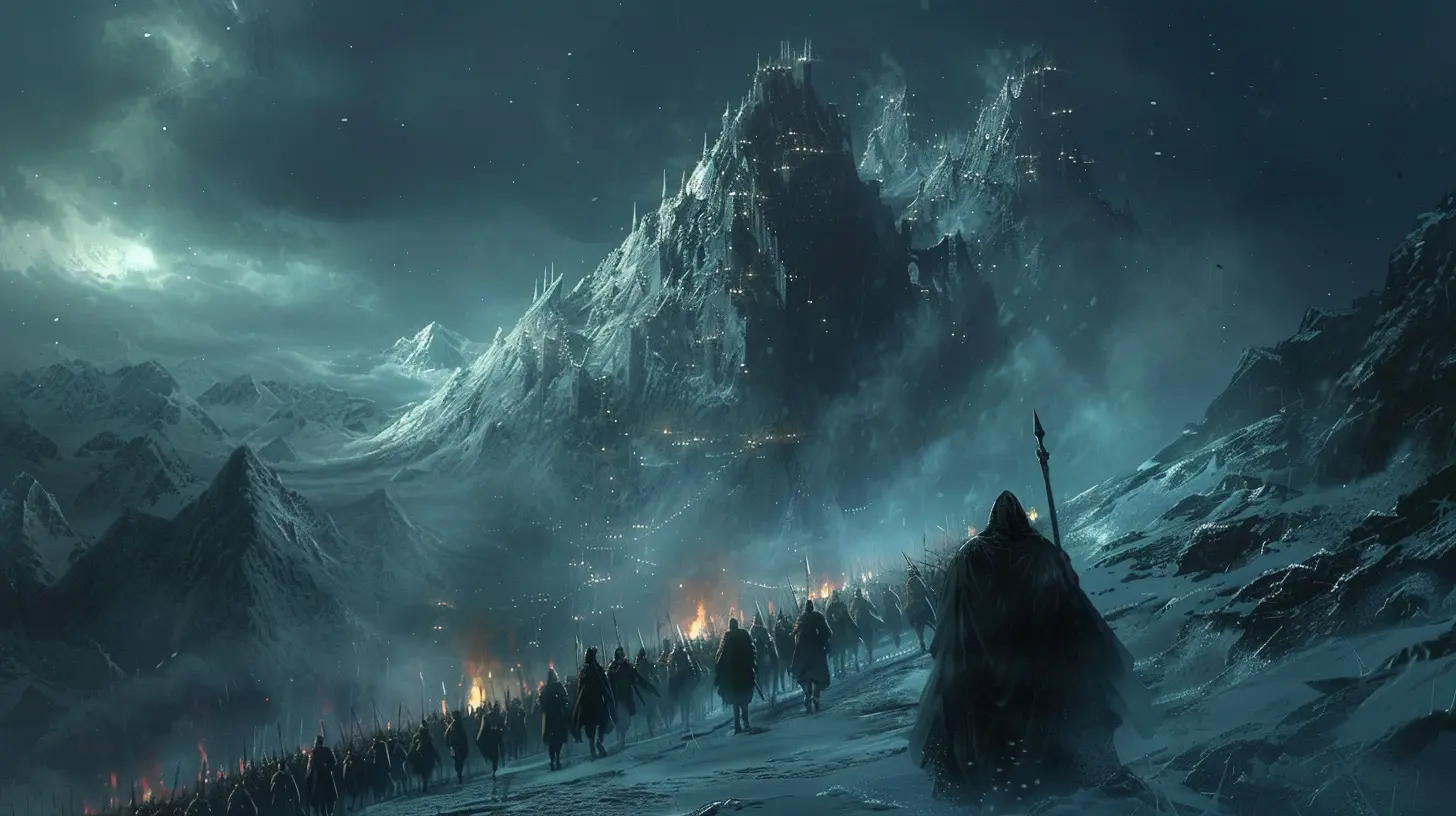
Why Do We Love These Gut-Punching Moments?
Simple. Moral dilemmas make the game feel personal. Suddenly, it’s not about “beating the boss” anymore—it’s about who you are while doing it.They turn a fun fantasy into a digital therapy session. Are you the kind of player who redeems the villain? Or are you the “burn it all down” type?
(If you’re the latter, remind me never to cross you.)
These questions dig deeper than gameplay mechanics. They explore identity, belief systems, and the “what would I do?” scenarios that keep you awake at 2 a.m. thinking, “Did I really make the right choice?”
The Games That Nailed It (And Made Us Cry Real Gamer Tears)
Let’s give credit where it’s due. Some RPGs have turned moral dilemmas into art forms. And by “art,” I mean “soul-wrecking moral jigsaw puzzles.”The Witcher 3: Wild Hunt
This game isn’t here to coddle you with black-and-white decisions. Nope. It’s 100% morally gray. Rescue one person, betray another. Side with one faction, doom another. Even when you think you did the “right” thing, you're still haunted by what could have been.Oh, and let’s not forget the Bloody Baron quest. If that didn't punch you emotionally, you're either lying, or you’re a super mutant from Fallout.
Mass Effect Trilogy
“Choose your words wisely—this might cause intergalactic war.”Every conversation feels like a Tinder date where one wrong move causes planetary genocide. And yes, that ending controversy? It wasn’t about colors. It was about all those moral decisions that felt… a bit meaningless in the end.
But still, we loved making them. Romance an alien? Assassinate a teammate? Reject a god-like AI? Just a normal Tuesday in Mass Effect.
Dragon Age Series
Want to anger an entire species with one dialogue option? Dragon Age says, “Hold my mead.”These games are a whirlwind of political alliances, religious conflict, and relationship drama. Choosing who lives, dies, or rules isn’t just a checkbox—it shapes your entire playthrough. Plus, it comes with major loyalty consequences from your companions. (Looking at you, Solas. You betrayal potato.)
Karma Systems – Yay or Nay?
You remember ‘karma’? That old-school mechanic where every action adds points into a cosmic moral scoreboard?Fallout and Fable are iconic for this. Be good? The world adores you and sings songs about your kindness. Be evil? Well, say hello to horns and scary red eyes. Very subtle, guys.
But here’s the thing—karma systems often oversimplify morality. Real moral dilemmas aren’t about a meter with a smiley or frowny face. They’re messy, complicated, and sometimes the “good” choice still leads to terrible consequences.
So while karma meters are fun, they’re basically RPG training wheels. Real moral storytelling? That’s when you’re crying over your own decisions and can't even blame a status bar.
Your Companions Are Judging You—Hard
Let’s not forget about our travel buddies. In most RPGs, your moral choices don’t just affect the world—they affect your companions.Got a bloodthirsty rogue in your party? He’ll love it when you kill your enemies without mercy.
Traveling with a paladin nun? She probably disapproves when you rob peasants or flirt with demons.
The best part? They’ll call you out mid-quest like a dramatic soap opera. “I can’t believe you did that!”
Gee, thanks, Alistair. Maybe I liked murdering that cult leader.
And don’t even get me started on romance options. Make one bad call and boom—relationship over. Just like real life! Except with more dragons and less therapy.
Real-World Ethics Sneaking Into Fantasy Universes
Let’s be honest—RPGs are sneakily philosophical. You might think it’s all swords and spells, but under the hood, these games push real-world ethical questions:✔️ Is murder ever justifiable?
✔️ Can love exist without freedom?
✔️ Do ends justify the means?
✔️ How much power is too much?
You didn’t ask to write a thesis on utilitarian ethics, but suddenly here you are, choosing whether an AI deserves rights or if magic should be banned.
Games aren't just testing your combat skills—they're poking your moral compass and watching it spin like a fidget spinner. And weirdly? That’s the magic.
The Beauty of Regret and Replayability
If you’ve ever loaded an old save file just to undo a single decision, congratulations—you’ve experienced RPG regret.Maybe you doomed a town. Or accidentally flirted with the villain. (We’ve all been there.)
The thing is, moral dilemmas add massive replayability. Your first run was “Good Guy Greg”? Try chaotic neutral next time. See what changes. See who hates you. See what cool new armor you unlock by being evil.
Every moral choice branches the narrative, giving you new outcomes to explore, new arguments to have, and new reasons to scream at your television.
So... How Should You Handle These Dilemmas?
Honestly? You can't win them all.RPG moral choices are designed to make you feel conflicted. If you’re walking away from a quest feeling icky inside, congrats—the developers did their job beautifully.
Here’s my advice: Make the choice that aligns with your character’s arc—or better yet, your own gut feeling. No guides, no walkthroughs. Just vibes.
And if you mess up? There’s always New Game+.
Final Thoughts: Embrace the Drama, Baby
Moral dilemmas in RPGs are what elevate the genre from simple storytelling to interactive philosophy. They make us squirm, think, feel, and question our own morals—while slaying pixelated monsters.Next time a game gives you a heart-wrenching choice, don’t roll your eyes. Lean in. Argue with yourself. Feel the weight. Because that’s where the real role-playing happens.
And hey, if all else fails, flip a coin. Worked for Two-Face, didn’t it?
all images in this post were generated using AI tools
Category:
Game StorylinesAuthor:

Tayla Warner