Why 90s JRPGs Still Matter Today
4 August 2026
Ah, the 90s. A time when jeans were baggy, the internet sounded like a dying robot, and your PlayStation memory card was your most prized possession. If you were a gamer back then (or even if you weren't but have seen the memes), you know that the 90s were a golden age for one beloved genre: the Japanese Role-Playing Game, or JRPG for short.
Now, you may be thinking, “Okay, grandpa, we’ve got fancy graphics and open worlds now. Why should I care about games from 30 years ago?” Well, buckle up, because I’m about to take you on a pixelated journey through nostalgia, storytelling greatness, and turn-based battles that’ll make you shout “Limit Break!” in your sleep.
Let’s dive into why 90s JRPGs still matter today—and why your backlog probably needs more of them.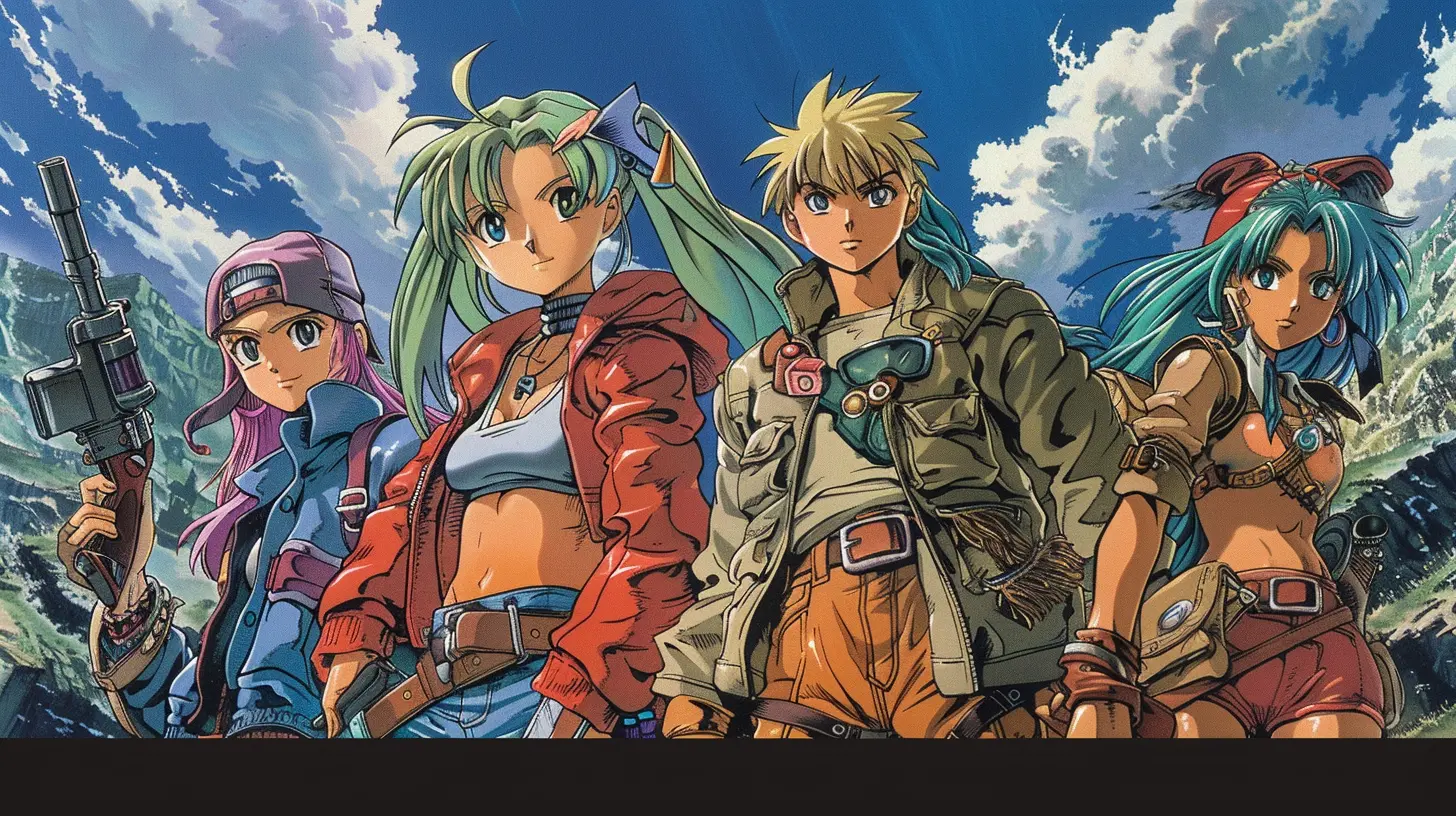
The Storytelling Was (And Still Is) Unbeatable
You know how modern games sometimes feel like summer blockbusters—explosions everywhere, but shallow plots you forget the second you close the game?Well, 90s JRPGs were more like epic novels where you actually cared about every single character, even the silent ones. Games like Final Fantasy VI, Chrono Trigger, and Suikoden II crafted layered narratives with twists, moral ambiguity, and emotional gut-punches. And they did it all with 16-bit or early 3D graphics. Talk about doing more with less.
Remember Aerith? Yeah, we all still do. And we’re still not over it.
These games taught us that a powerful story doesn’t need photorealistic graphics—it just needs heart, good pacing, and maybe a choo-choo train ride to an evil corporation's HQ.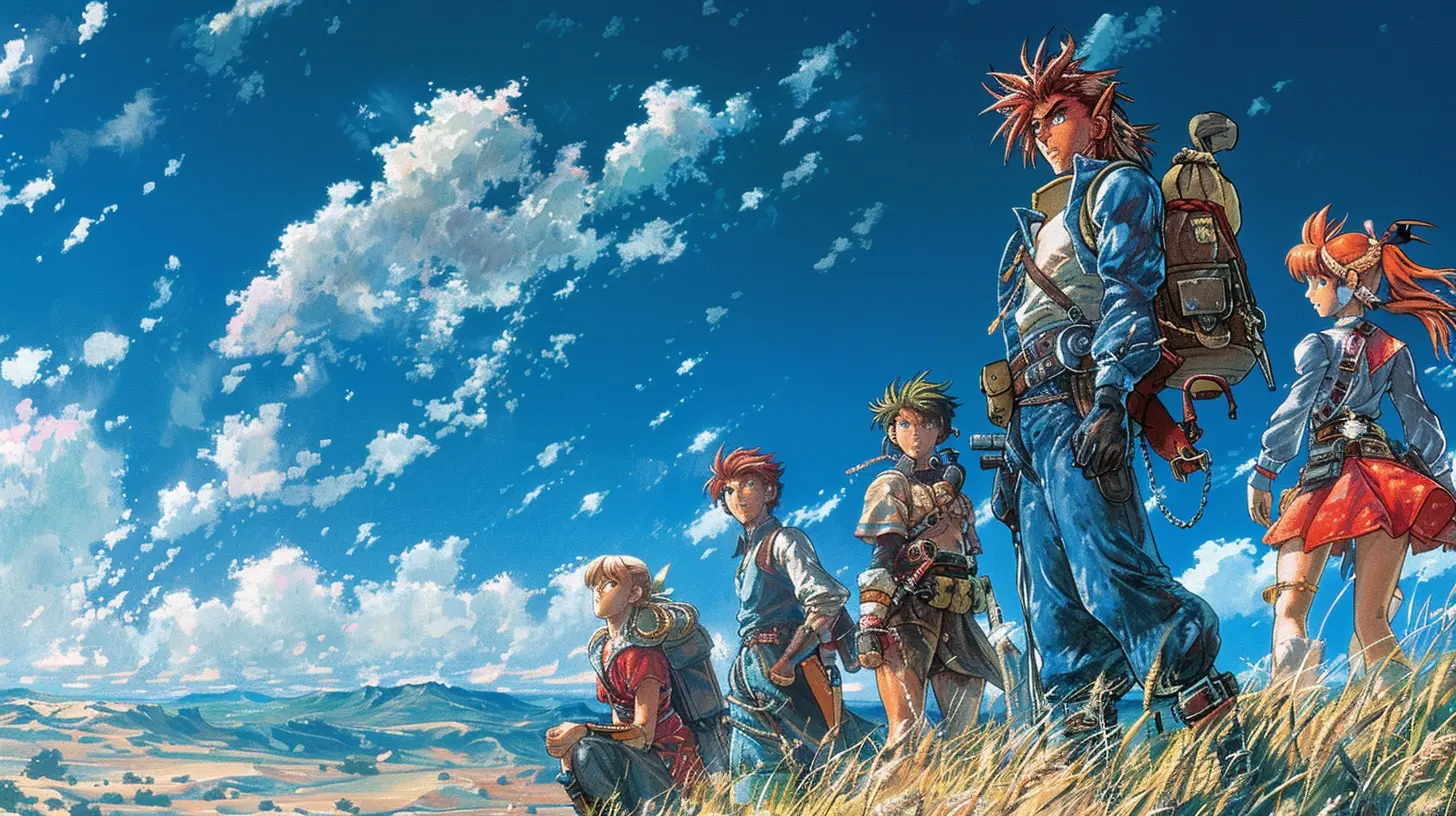
Turn-Based Combat Was Strategic—Not Slow
Let’s address the spiky-haired elephant in the room: turn-based combat. Some folks today say it’s outdated, slow, or just plain boring. But fans of 90s JRPGs? We know better.Turn-based battles were basically chess with swords, magic, and the occasional summon that could level a small city. The strategy came from knowing your party inside and out: what spell to cast, who to heal, when to use that Phoenix Down you’ve been hoarding since the tutorial.
You didn’t just button-mash your way to victory. Victory was earned.
Think of it like this: Modern action RPG combat is like driving a sports car. Turn-based combat is like flying a spaceship—you’ve got to know every button and think three steps ahead.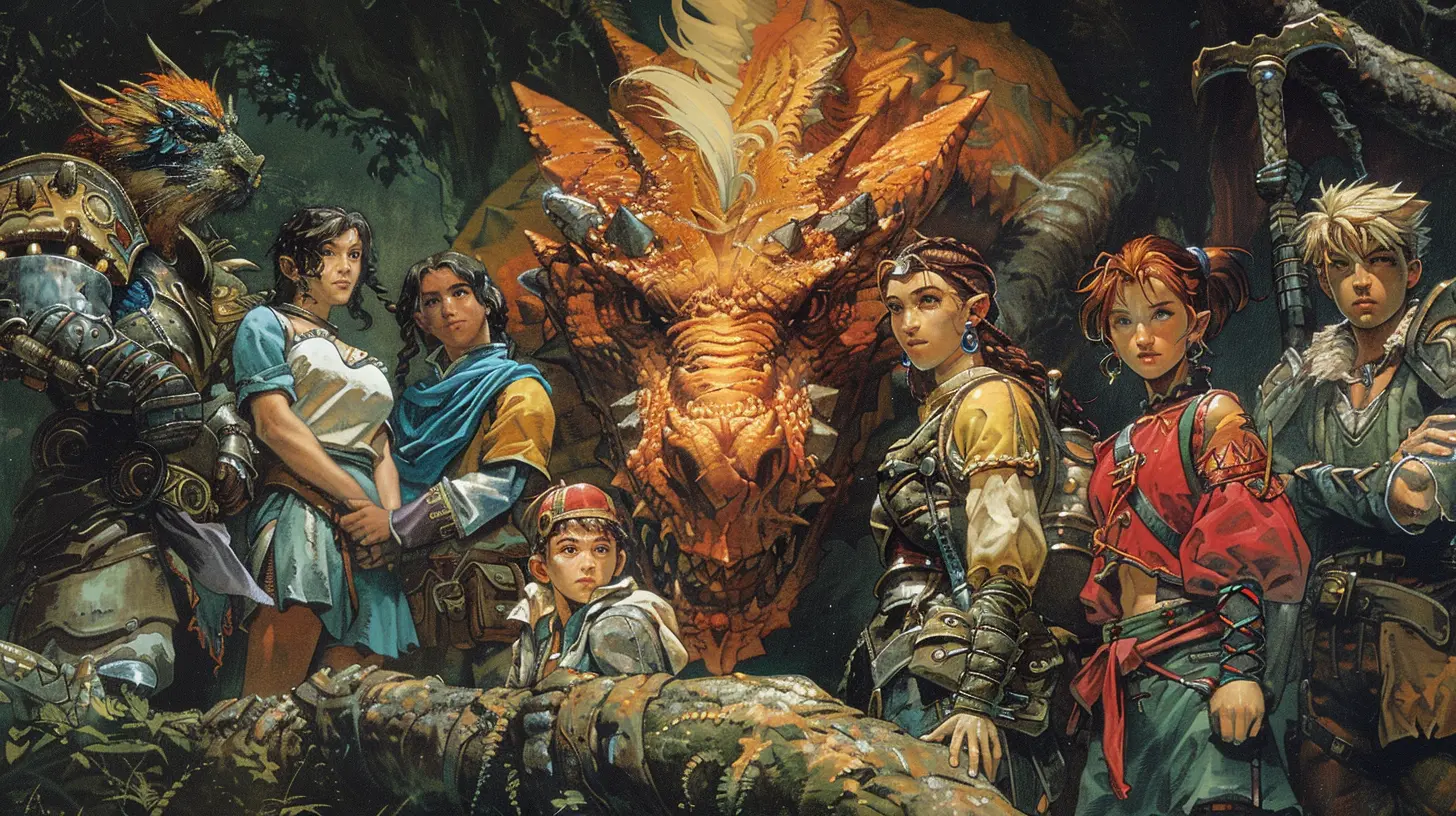
The Music Was Straight-Up Legendary
If you’ve never teared up listening to To Zanarkand, we can’t be friends. Sorry, I don’t make the rules.The 90s were when JRPG soundtracks made the leap from simple blips and bloops to full-blown orchestral compositions (even if they were still stuck in MIDI-ville). You’ve got legends like Nobuo Uematsu (of Final Fantasy fame), Yasunori Mitsuda (Chrono Trigger), and Motoi Sakuraba (Tales series) crafting tunes that are still getting performed in concert halls today.
Seriously, there's probably a JRPG lo-fi playlist running in the background of your local coffee shop right now. And it’s probably playing Corridors of Time.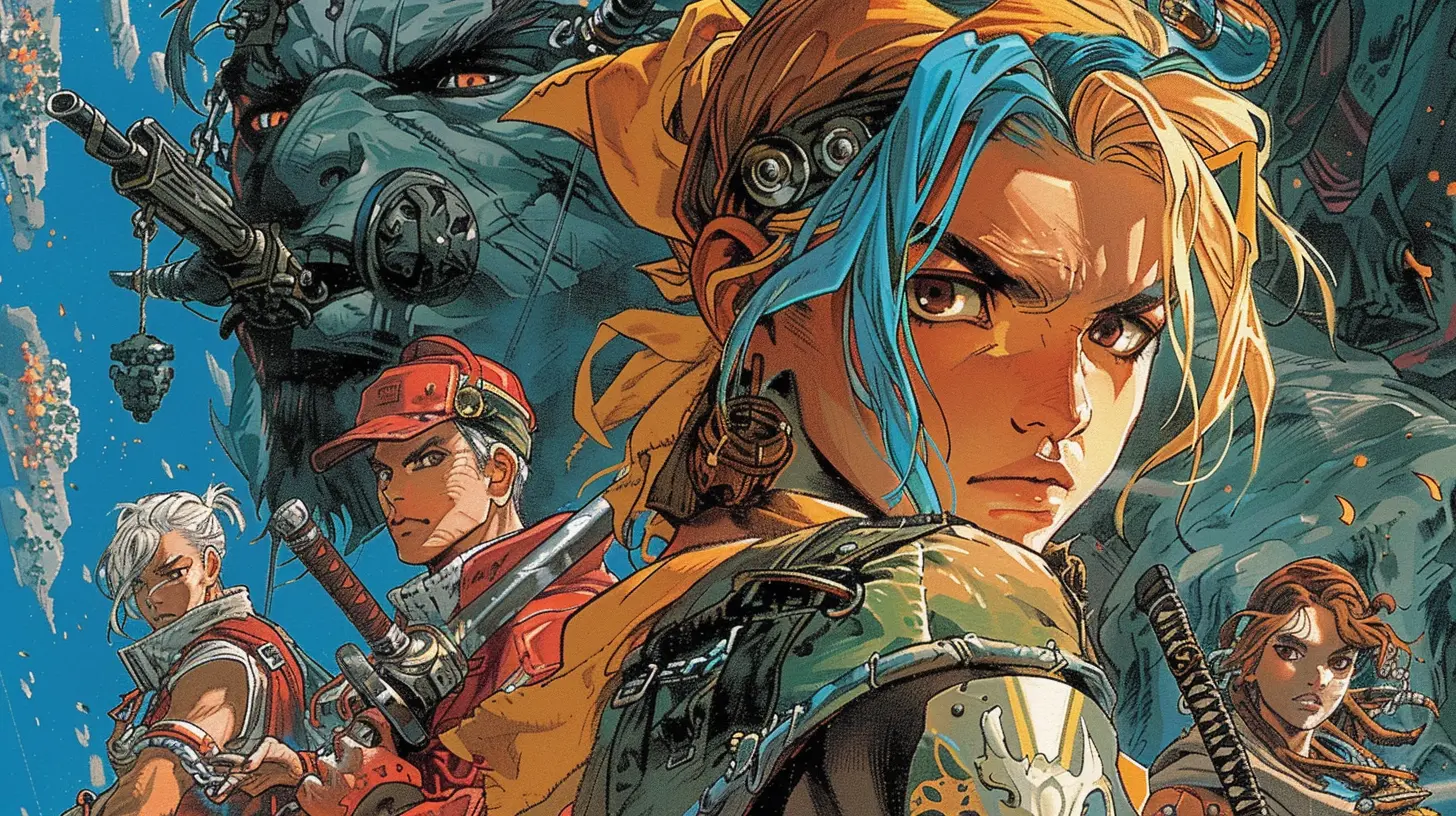
The Worlds Felt Alive—Even in Pixels
Okay, sure, a 16-bit overworld map isn’t exactly Elden Ring, but the charm? Chef’s kiss perfect.The worlds of 90s JRPGs were packed with personality. Villages had quirky NPCs with dialogue that changed based on where you were in the story. Dungeons had puzzles that actually made your brain flex. And who can forget the excitement of getting your first airship and realizing the entire freakin’ map was open to you?
These weren't just maps—they were living, breathing worlds you wanted to explore. If the game let you name your protagonist, you were the hero. And honestly, who doesn’t want to save the world with a sword bigger than your body?
Characters With Real Arcs (And Ridiculous Hair)
Let’s be real—90s JRPGs were full of drama, and we loved every second of it.You had brooding antiheroes, tragic backstories, betrayal, redemption, love triangles, and heroes wrestling with deep existential angst. You could spend 60+ hours with these people. And by the end? You knew them better than your own cousins.
Even side characters got their moment to shine. Remember Vivi in Final Fantasy IX? That little guy taught us more about mortality and self-worth than any philosophy class ever could.
Also, let's give a shoutout to the hairstyles. Spikes, ponytails, gravity-defying bangs—it was like anime exploded all over your screen. And we wouldn’t have it any other way.
They Were Hard. And That Was Good.
Modern games give you checkpoints every 10 minutes and tooltips the size of the moon. In the 90s? You had one save point every dungeon, and if you forgot to stock up on potions before a boss fight… good luck, warrior.But you know what? That made the victories sweeter. You actually felt like a hero when you finally beat that undefeatable boss on your 12th try (looking at you, Sephiroth).
These games respected your intelligence. They expected you to pay attention, plan ahead, and actually read the text on the screen (wild, right?).
They Inspired Modern Classics
Let’s talk influence. If you’ve enjoyed modern JRPGs or any RPGs, really (Persona 5, Octopath Traveler, Bravely Default, even Undertale), you’ve been touched by the 90s JRPG magic.Without Final Fantasy VII, we wouldn't have seen cinematic storytelling take over the genre.
Without Chrono Trigger, we wouldn't have experimented with multiple endings and time travel quite the same way.
Without EarthBound, we wouldn’t have the quirky, fourth-wall-breaking humor that still lives in games like Deltarune.
These games laid the groundwork. They set the template. They were the blueprint. They're the JRPG ancestors still judging you from the memory card grave.
The Art Style Aged Like Fine Pixel-Wine
Have you seen early 3D graphics recently? Some of them haven’t held up. (No offense, Cloud's block hands.)But the 2D sprite work from 90s JRPGs? Gorgeous to this day. The pixel art in games like Final Fantasy VI or Secret of Mana is not only still playable—it’s beautiful. Detailed, expressive, and full of charm with just a few pixels.
Even the low-poly 3D games like Legend of Legaia or Xenogears have a kind of retro aesthetic that modern gamers are rediscovering and embracing.
It’s like vintage wine. Or that old flannel shirt you found in your dad’s closet that suddenly looks amazing with your jeans.
They Weren’t Afraid to Be Weird
You know what’s missing in some of today’s games? That bold, unapologetic weirdness.90s JRPGs gave us a time-traveling frog knight, a sentient cactus, gunblades, turnip friends, and entire universes inside magic books. And it all worked.
These games didn't need to "make sense" by Hollywood standards. They just needed to make JRPG sense. Which, let’s be honest, is way more fun.
They Remind Us Why We Game in the First Place
At the end of the day, 90s JRPGs captured the magic of being transported to another world. They made you laugh, cry, rage-quit, and then come back for more.They didn’t have microtransactions. They didn’t track your hours played. They didn’t try to sell you 43 pieces of DLC before you finished the main quest.
They were just pure gaming joy—crafted by passionate developers who wanted to tell incredible stories and challenge your inner hero.
So... Should You Play 90s JRPGs Today?
Um, heck yes.Whether you’re a retro gaming fanatic or someone just dipping their toes into the genre, there’s so much value in these old-school gems. Pick up a classic, grab some snacks, and immerse yourself in a world that might not have ray tracing but definitely has soul.
Besides, if you haven’t felt the rush of finally unlocking the true ending in Chrono Trigger, are you even living?
How to Dive Into 90s JRPGs Without a Time Machine
If you’re wondering where to start, here’s a quick cheat sheet:- Final Fantasy VI – Arguably the greatest 2D JRPG of all time. Political intrigue, magic mechs, and an opera scene that deserves an Oscar.
- Chrono Trigger – The perfect JRPG. Revolutionary mechanics, lovable characters, and a soundtrack that slaps.
- Suikoden II – Epic story with 108 recruitable characters. Yes, really.
- EarthBound – Quirky, clever, and surprisingly deep. Also: Ness.
- Lunar: Silver Star Story – Anime cutscenes, love stories, dragons. It’s as 90s as a Tamagotchi in a denim jacket.
Many of these are available on modern platforms, including remasters, ports, or fan translations. You’ve got no excuses—except maybe your massive Steam backlog.
Final Thoughts: Let the JRPG Flag Fly
So yeah, 90s JRPGs still matter. In fact, they may matter more now than ever. In a gaming world that moves a mile a minute, where innovation sometimes comes at the cost of heart, these classics are a comforting reminder of what makes games great.They were bold. They were emotional. They were really, really long. And they’re still worth playing—because sometimes, to save the world, all you need is a turn-based battle system and a protagonist with a mysterious past.
Now, if you’ll excuse me, I’ve got to go level grind before the final boss. Again.
all images in this post were generated using AI tools
Category:
Gaming NostalgiaAuthor:

Tayla Warner