When Games Came With Posters and Stickers
16 March 2026
Do you remember the joy of opening a brand-new video game and finding more than just the disc or cartridge inside? There was something magical about cracking open that case and getting hit with the glossy smell of a freshly printed poster or a sheet of rad stickers. Yeah, those were the days. When games came with posters and stickers, every purchase felt like a mini-event, not just another download.
Back then, gaming wasn’t just about what was on the screen. It was about the whole experience, from the box art to the bonus goodies tucked inside. Let’s hop aboard the nostalgia train and take a deep dive into that golden age of gaming swag.
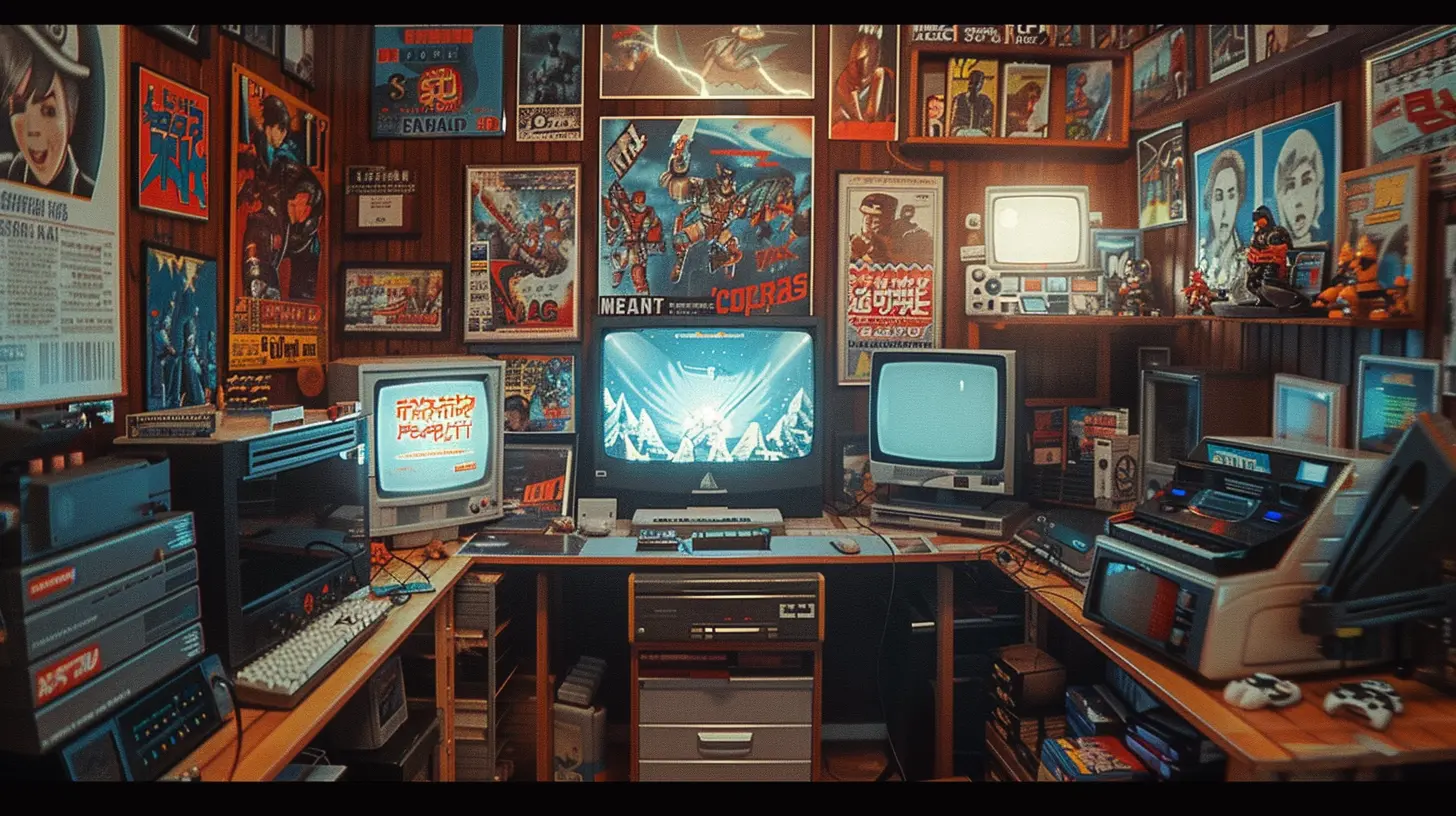
The Golden Age of Gaming Bonuses
Remember When Physical Games Meant More?
Before the rise of digital downloads, physical game copies were the norm. And with them came box art, manuals, and—if you were lucky—a handful of surprise extras. Posters, stickers, iron-on patches, even collectible trading cards sometimes found a home alongside your brand-new game.These weren’t just bonus items—they were rewards. Like finding a toy in your cereal box. They made buying games feel special. It was marketing, sure, but it was also fan service in the best way possible.
The Golden Era: Late '80s to Early 2000s
This era was the sweet spot. Developers and publishers knew how to hype up a game, not only with killer trailers but with physical incentives that screamed, “Hey, we care about our fans!” Games like:- The Legend of Zelda (NES) came with a golden cartridge and map/poster.
- Super Metroid (SNES) featured detailed gameplay maps and character posters.
- Pokémon Red/Blue (Game Boy) included a Kanto map and Pokémon sticker sheet.
- Final Fantasy VII (PlayStation) had advertisements and mini-booklets tucked inside.
These weren’t just slip-in ads. Often, they were full-color, collectible-quality items.
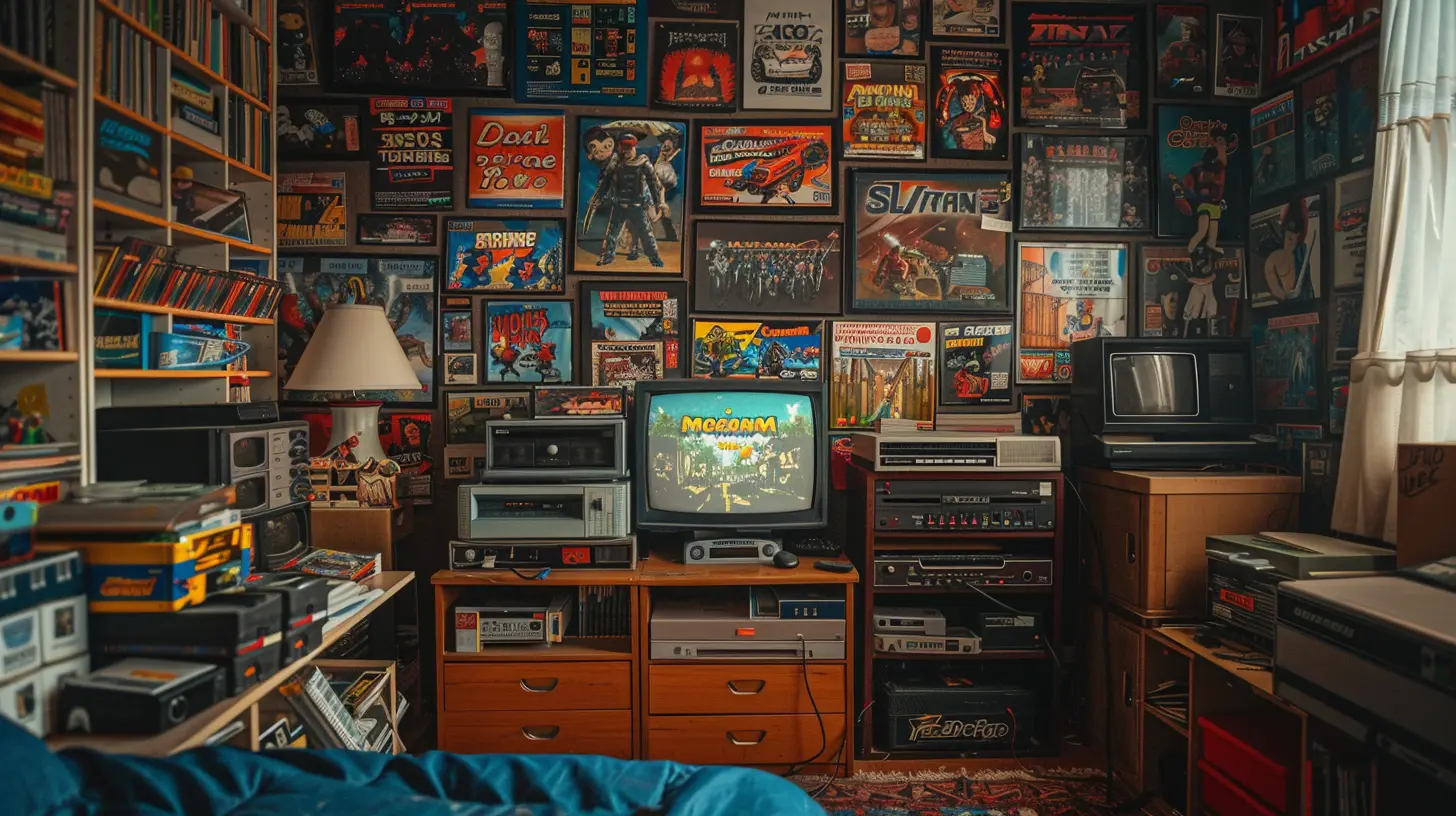
Posters That Lived on Bedroom Walls
The Ultimate Room Decor
Let’s talk posters. You didn’t just glance at them—you lived with them. They covered walls, doors, even ceilings. They were badges of honor, a way to show what games defined your taste. Whether it was a pixelated map of Hyrule or a full-blown action scene from Metal Gear Solid, these posters fueled our imagination long after the console was turned off.Collector’s Gold Today
Here’s the kicker—those posters? They’re worth solid cash today if you kept them in good shape. They’re pieces of history. Rare posters from limited editions or launch bundles sell for more than the game itself in some cases.And for those who didn’t care to preserve them? Hey, no shame—we all had that one poster that got torn, thumbtacked, or sun-faded beyond recognition.
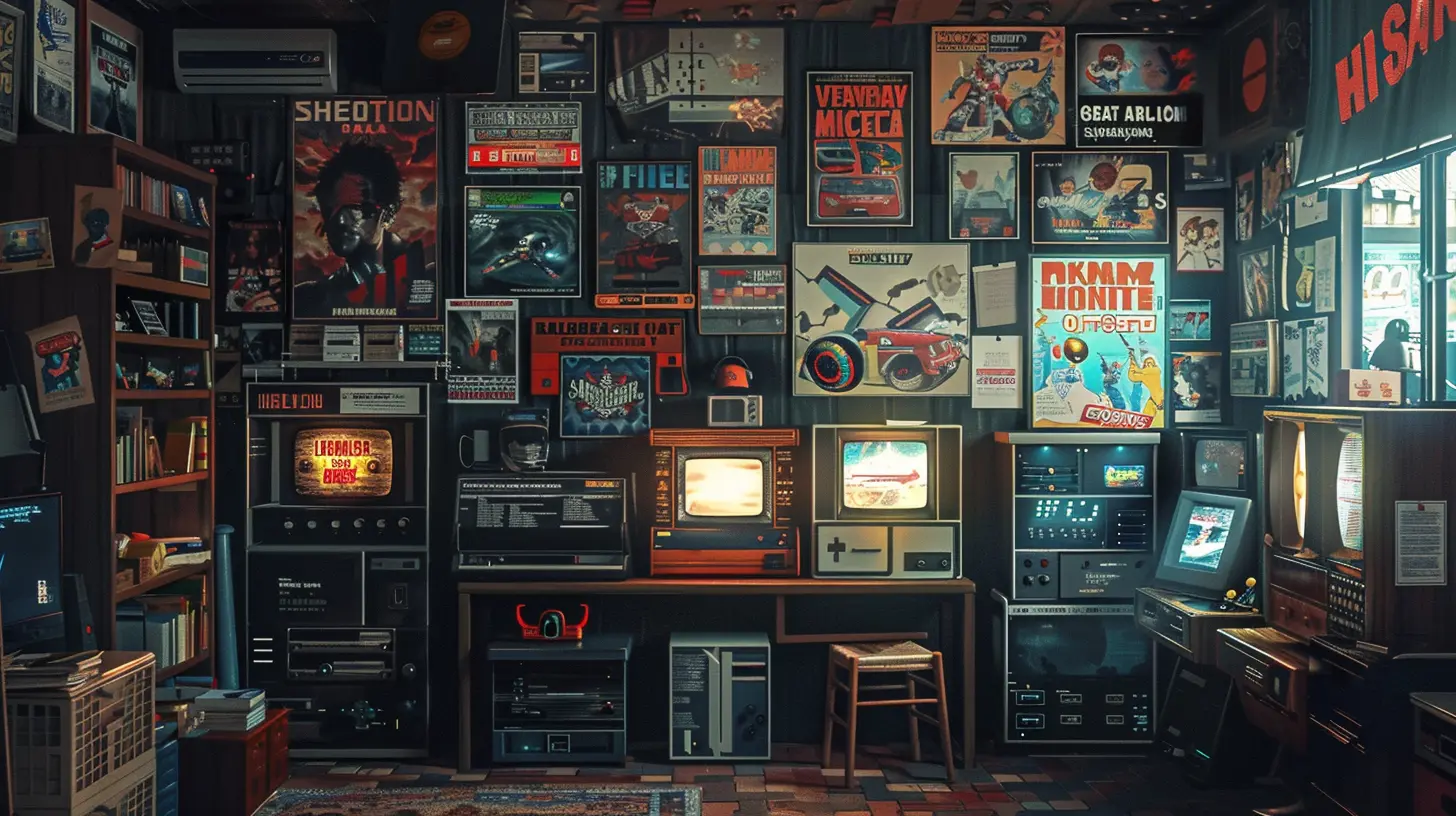
Stickers That Stuck With Us
Not Just For Kids
There was something satisfying about slapping a game character sticker on your school binder or console. It was like branding your personality. Whether you were Team Mario, Sonic, or Lara Croft, gamer stickers were your tribe logo.Promotional Gold
Nintendo Power, magazines like GamePro, and even demo discs often came with sticker sheets. Companies used stickers as guerrilla marketing tools—and kids ate it up. Some games even let you customize your own in-game experience, and then gave away matching real-life stickers to keep the immersion going.Stickers as Pre-Order Bonuses
Let’s not forget the sticker sheets that came as pre-order goodies. Sure, they weren’t as flashy as steelbooks or figurines, but they were fun, functional, and made you feel like part of a club. Console-themed stickers, logo decals, and character cut-outs were among the most common.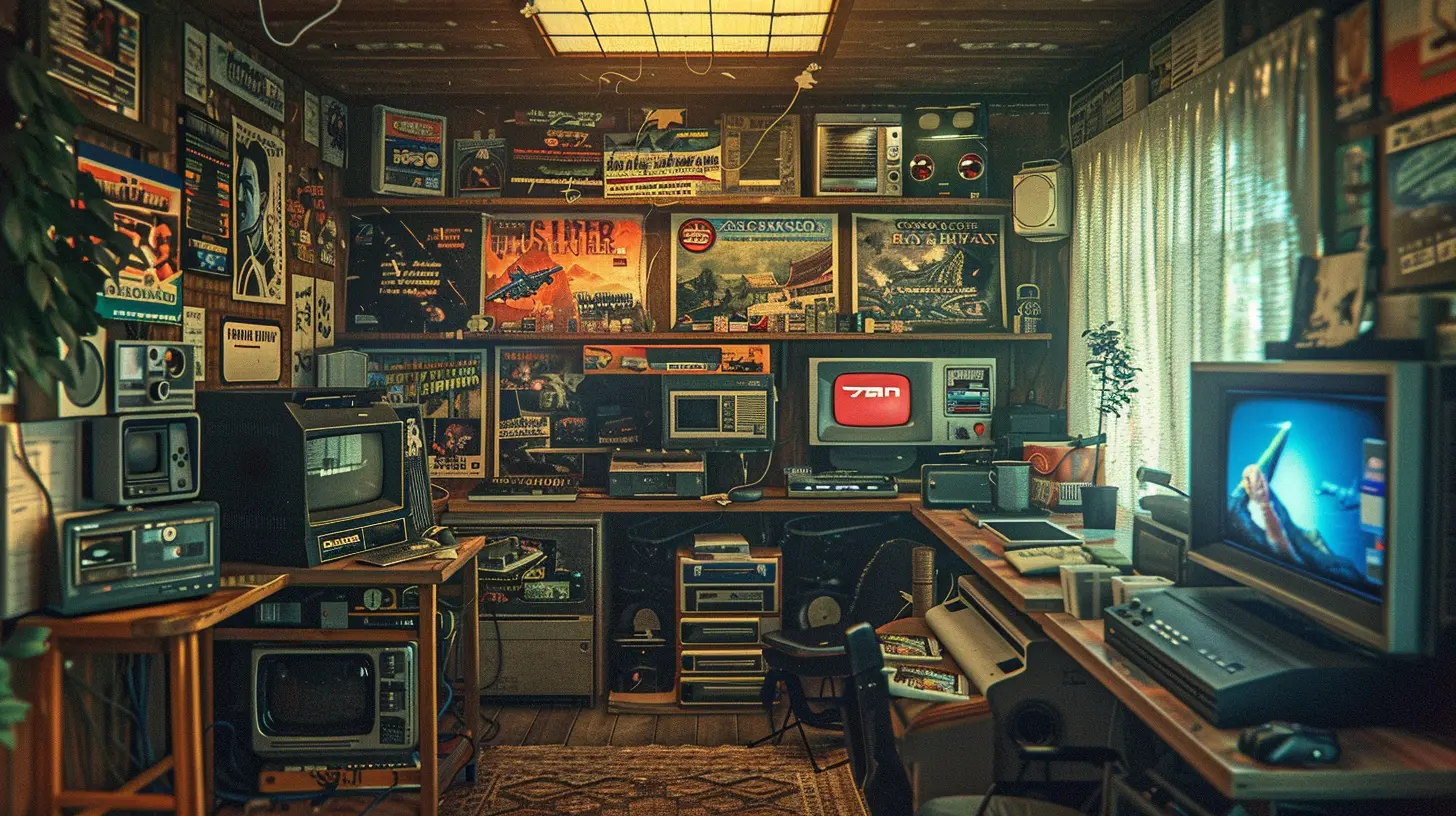
Why Did They Stop Including Posters and Stickers?
The Digital Shift
This one is obvious. As digital downloads took over, the physical copy started to vanish. No box means no room for extras, and over time, companies stopped packing that pizzazz inside.Even special editions started focusing more on digital content—like downloadable skins or in-game currency—than physical swag like posters and stickers.
Rising Production Costs
Believe it or not, inserting a poster or sticker sheet adds cost. From printing to packaging, it’s not as dirt-cheap as you’d think—especially when multiplied by millions. As budgets tightened and costs rose, many companies cut these "non-essential" items out.Changing Tastes
Let’s face it—today's gamers are more digitally inclined. While there’s a strong retro-loving crowd, the majority are happy with downloadable bonuses or streaming gameplay content. Physical items are now seen as collector’s items rather than the norm.The Modern Comeback of Retro Bonuses
Limited Editions Bring Them Back
The good news is, posters and stickers aren’t totally extinct—they're just rarer. Collector’s editions of games like The Legend of Zelda: Tears of the Kingdom, Persona 5 Royal, and Stardew Valley have brought back these gems in premium packaging.These editions often feature updated maps, retro-style posters, or die-cut stickers that pay homage to the classics.
Fan-Driven Demand
The retro gaming community has helped revive interest. From Etsy creators making custom posters to Kickstarter games including sticker sheets as stretch goals—fans want that extra touch of personality.Indie Games Stepping Up
Interestingly, indie developers have started including retro-style goodies with their releases. Smaller studios, closer to their fanbase, often include mini zines, stickers, and posters packed with love and nostalgia.Games like Shovel Knight and Celeste have had physical editions that proudly featured posters and collectible inserts.
Why Posters and Stickers Still Matter
They Fuel Imagination
Games transport us to other worlds. Posters and stickers make that world tangible. You can touch it. You can see it on your wall. You’re not just playing a game—you’re immersed in its universe.They Build Brand Loyalty
A sick poster or a cool sticker creates emotional investment. Gamers become attached. And let’s be honest, we’re more likely to buy a sequel if we feel connected to the franchise—emotionally and physically.Tangibility in a Digital Age
In a world where everything’s turning digital—music, movies, even relationships—physical tokens like posters and stickers feel more real. It's like comparing an email with a handwritten letter. One is convenient; the other is meaningful.Memorable Games With Awesome Extras
Let’s shout out some classic titles that nailed the poster-and-sticker combo:- EarthBound (SNES) – Came with a massive strategy guide and scratch-n-sniff stickers (yep, that happened).
- Pokémon Stadium (N64) – Included stadium guidebooks and themed stickers.
- Tony Hawk’s Pro Skater 2 (PS1) – Bundles sometimes included logo stickers from skate brands.
- Star Wars: Knights of the Old Republic (Xbox) – Exclusive posters promoting the dark side vs the light.
These weren’t just accessories. They were experiences.
What the Future Could Look Like
Could posters and stickers make a full-blown comeback? Maybe. With nostalgia booming and physical collector’s items valued more than ever, publishers could reinvent the trend. Imagine AR-enabled posters that move when scanned or sticker sets that unlock in-game features.And with retro titles getting re-releases constantly, there’s no better time to include old-school swag again.
Final Thoughts
When games came with posters and stickers, they brought more than just amusement—they gave us memories. They added magic to the mundane and made opening a game an experience worth remembering. While the gaming world has shifted largely digital, a part of us still craves that analog joy. Maybe it’s the feel of glossy paper, or maybe it’s just the warm fuzzies of nostalgia—but one thing’s clear: those little extras made a big impact.So next time you open a game and it's just a disc, take a second to remember the good old days...and maybe wish for a sticker or two.
all images in this post were generated using AI tools
Category:
Gaming NostalgiaAuthor:

Tayla Warner
Discussion
rate this article
2 comments
Eleanor McMillen
This nostalgic look at retro games reminds us how posters and stickers added a personal touch, making the gaming experience not just about play, but about collecting and sharing memories.
March 26, 2026 at 5:15 AM
Tayla Warner
Thank you! Those tangible elements truly enriched our gaming experiences, making them memorable beyond just gameplay.
Cara Hudson
What a nostalgic trip down memory lane! It's fascinating to see how physical extras like posters and stickers added to the joy of gaming. Thanks for sharing this delightful piece!
March 19, 2026 at 3:50 AM
Tayla Warner
Thank you! I'm glad you enjoyed the trip down memory lane. Those physical extras truly made gaming special!