When Game Worlds Were Just Big Enough
31 May 2026
Remember when game worlds didn’t need to be massive to blow your mind? Back before open-world maps became digital continents, we had games that felt huge without needing terabytes of space or 500-hour campaigns. The phrase "less is more" was kind of a secret sauce in game design — and it really worked.
Let’s take a nostalgia-fueled journey back to a time when game worlds were just big enough. Not too sprawling. Not too tiny. Just right.
The Goldilocks Zone of Game Design
Back in the late '90s and early 2000s, developers worked within strict technical limits. Small hard drives, limited RAM, basic GPUs — these restrictions shaped what a game could be. But rather than hold them back, it sparked creativity.Games weren’t trying to simulate real-life cities or entire planets. Instead, they focused on dense, handcrafted spaces where every corner mattered. Think quality over quantity.
Ever played the original Deus Ex or System Shock 2? Those games didn’t throw massive maps at you. They gave you levels packed with secrets, alternate paths, and world-building crammed into every inch. And somehow, those smaller spaces felt larger than life.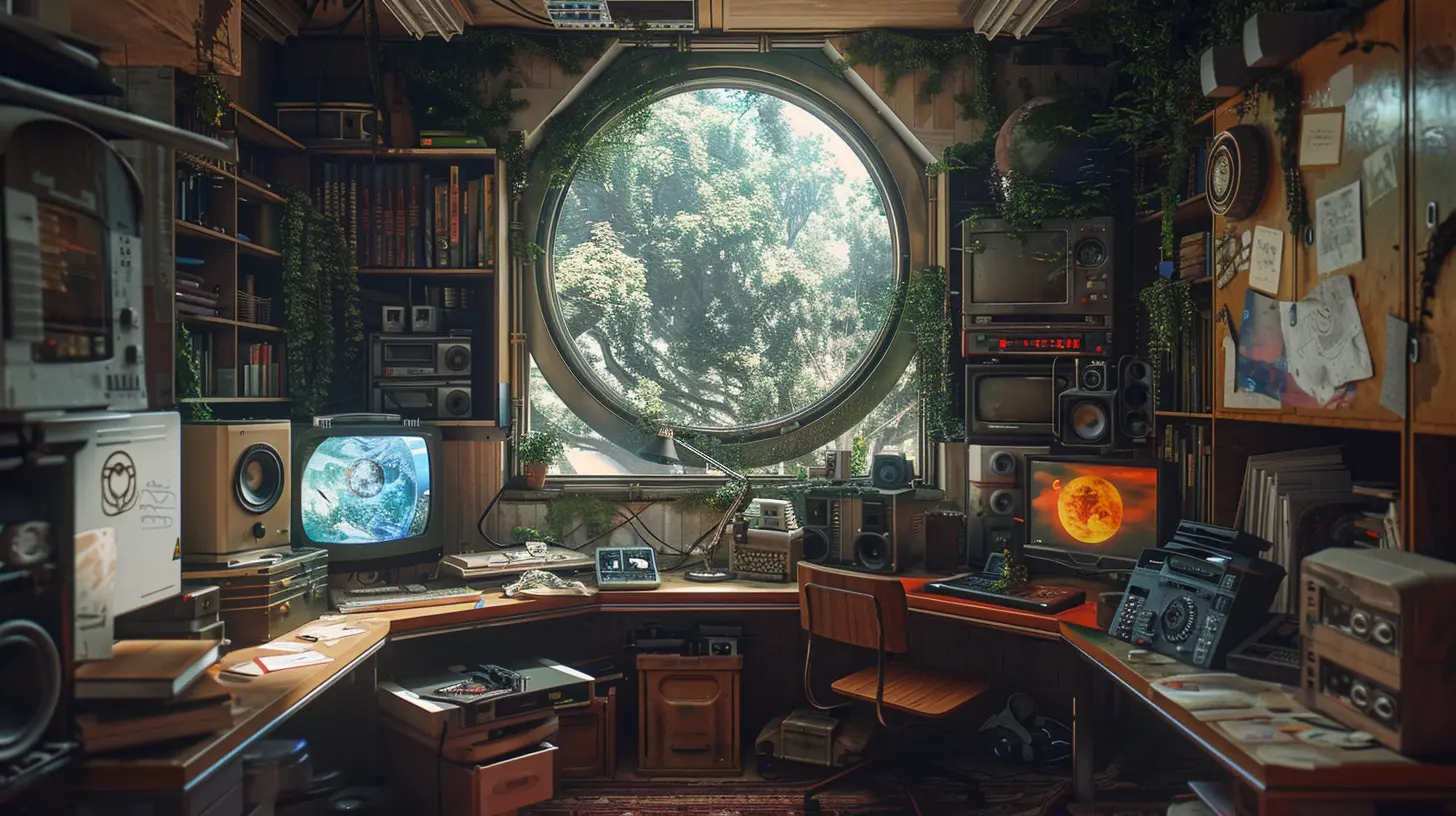
Why Smaller Worlds Felt Bigger
1. Imagination Filled the Gaps
You didn’t need a literal mountain range if the game implied there was one just beyond the fog. Games used clever tricks to suggest vastness rather than show it. And guess what? Our brains did the rest.It’s like reading a book — the author doesn’t draw the whole world, but you envision it anyway.
2. Tighter, Smarter Design
Smaller worlds often meant smarter placement of assets. Think tight towns with distinct personalities (Final Fantasy VII’s Midgar, anyone?) or dungeons that looped back on themselves like elegant puzzles (Resident Evil 2).Designers had to make every hallway, bush, or crate mean something. Nothing was wasted.
3. No Fluff, No Filler
Backtracking was meaningful. Side quests weren’t just fetch quests across the map — they tied into the world somehow. Every step felt connected to the story or the experience.Compare that to some modern open-world games where you’re riding a horse for 20 minutes just to pick up five herbs. Yawn.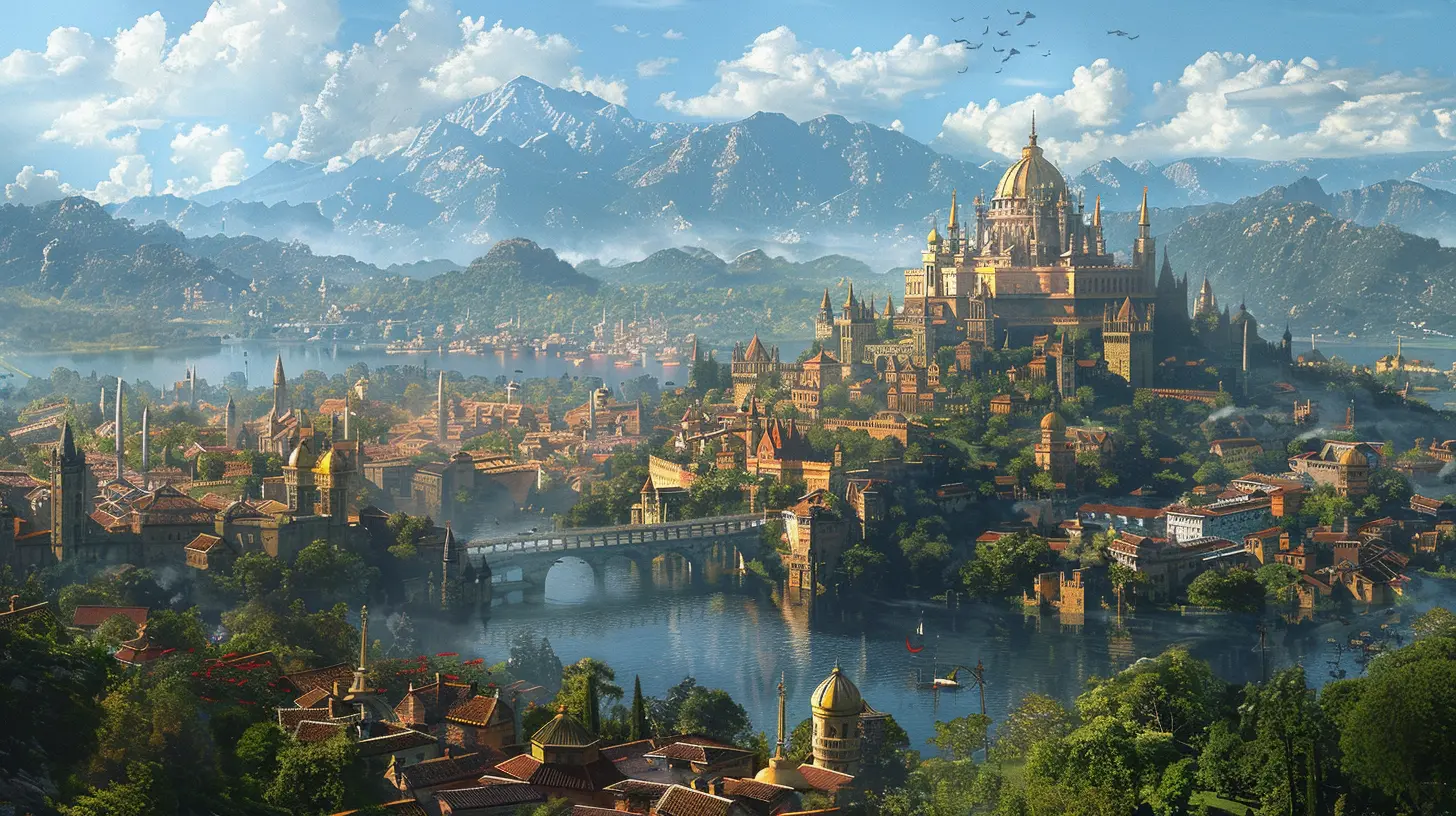
The Art of Engagement Over Size
Let’s talk about immersion for a minute.In games like The Legend of Zelda: Ocarina of Time, the world wasn’t massive by today’s standards. But jumping into Hyrule Field for the first time? That was magic. The music swelled, enemies popped up, and the vast openness sparked adventure in your belly.
The game’s world was big enough to feel free, but small enough that you remembered every landmark. You gradually mastered it — not by unlocking fast travel, but by knowing it like your own neighborhood.
Now that’s engagement.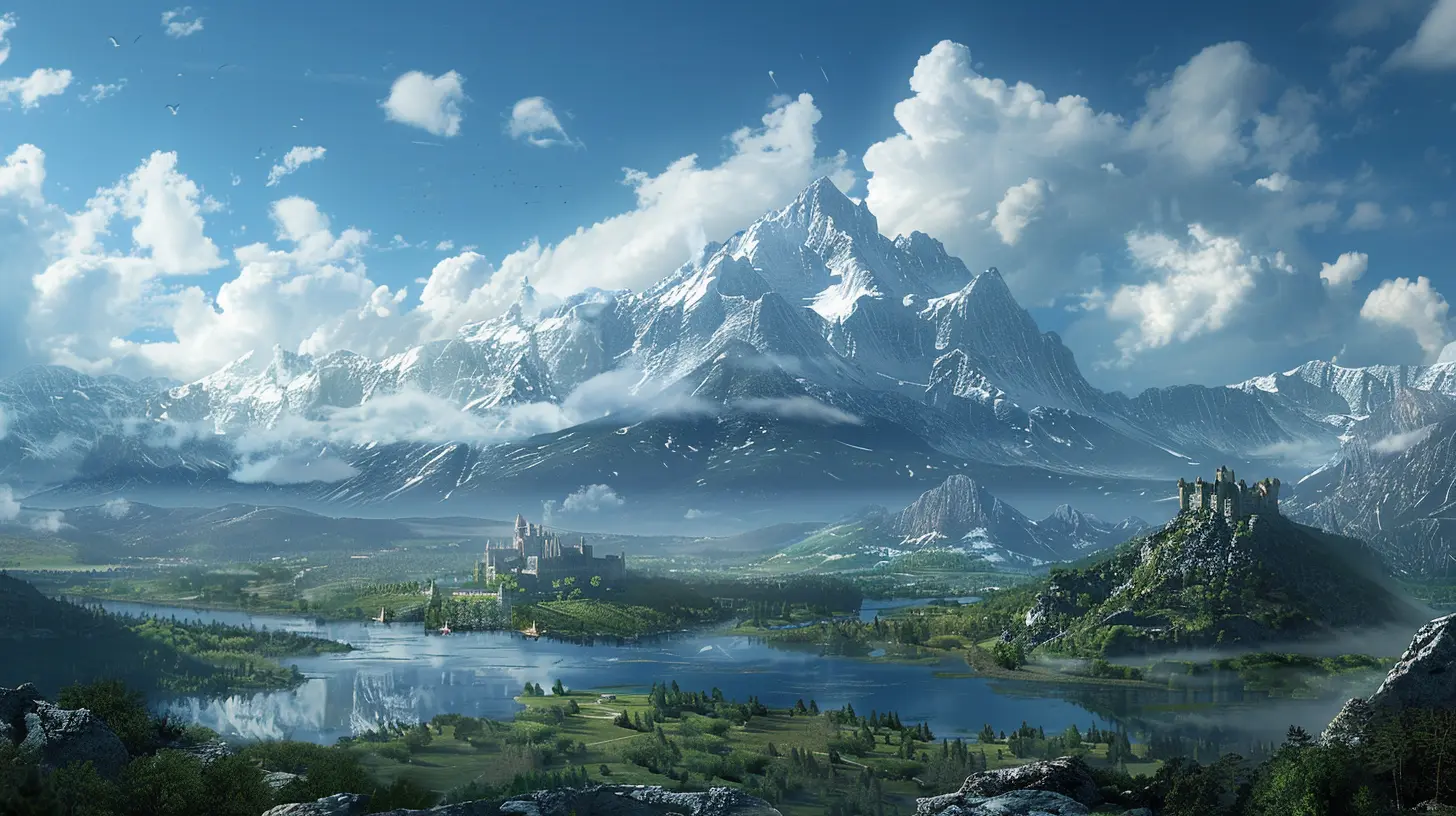
The Danger of Too Much World
Fast-forward to today, and some modern games suffer from "world bloat." You know the type: 200-hour campaigns, dozens of fetch quests, and endless collectibles that barely matter.Sure, a huge world looks impressive at first. But after a while? It can feel empty. Like a massive, over-decorated cake with no flavor.
Too much space can dilute the experience. Players get overwhelmed, distracted, or — worst of all — bored.
It's like giving someone an entire library but only filling two shelves with actual books worth reading. What’s the point?
Memorable Worlds Built on Limits
Let’s stroll down memory lane and revisit a few classic games where size didn’t compromise depth. These titles nailed the "just big enough" concept, and they’re still beloved today.1. Silent Hill 2
Foggy streets. Claustrophobic rooms. A town filled with guilt and ghosts.Silent Hill 2 had a map you could learn in an hour. But the psychological weight it carried? Boundless.
The feeling of being trapped didn’t come from world size — it came from atmosphere, storytelling, and smart level design. The world was suffocating in all the right ways.
2. Metroid Prime
Now this was a game world that unfolded like a blooming flower. At first, you’re just scratching the surface. But as you gain new tools, backtrack, and revisit old areas, the true map reveals itself.It’s a compact world layered with secrets, not wide-open spaces for the sake of it.
3. Majora’s Mask
Clock Town. Four distinct regions. A repeating three-day cycle. That’s it.But the way characters moved in real time? The interweaving stories? The emotional depth?
You could spend dozens of hours in that small world and still miss things. That kind of design doesn’t rely on scale — it relies on detail and care.
What Happened to the “Just Big Enough” Philosophy?
So why did developers move away from this sweet spot?A few reasons:
- Advancing tech enabled massive worlds — so naturally, studios pushed the limits.
- Player demand shifted toward open-world games with long playtimes (thanks Skyrim).
- Marketing buzz favored "bigger is better" taglines.
But here’s the thing: bigger doesn’t always mean better. Sometimes it just means... more stuff.
It’s like swapping a cozy, well-written novel for a massive, unfinished encyclopedia.
The Future of Game Worlds: Are We Swinging Back?
Interestingly, we might be seeing a quiet return to the “just big enough” idea.Games like Tunic, Outer Wilds, and Disco Elysium favor tight, rich environments infused with meaning. Instead of padding content to fill empty space, they respect your time — and reward your curiosity.
And indie devs? They’re leading the charge. Without massive teams or budgets, they're proving that small worlds can still feel epic.
Even AAA studios seem to be catching on. Resident Evil Village was big but digestible. Jedi: Fallen Order and Alan Wake II focused on level design instead of sprawling maps.
Could the era of “just big enough” be making a comeback?
Why This Matters to Us as Players
So, why should we care? Why get sentimental over smaller game worlds?Because those games didn’t waste our time.
They respected our intelligence. They sparked imagination. And most of all? They gave us memories.
You didn’t just “play” those games — you lived in them. Even if the map could fit on a single sheet of paper.
And let’s be honest: as we get older, we don’t always want to sink 200 hours into a game. Sometimes we just want an experience that’s meaningful, rich, and well-curated.
That sweet spot where a world feels deep — even if it’s not wide.
Tips for Game Developers: Going Big Without Getting Lost
Thinking about making a game or curious how designers hit that magical balance? Here’s what they often get right:- Design around discovery, not just geography.
- Use verticality and layered exploration instead of flat sprawl.
- Tie narrative to the world — make every place matter.
- Let gameplay shape the map, not the other way around.
- Focus on environmental storytelling so the world speaks for itself.
A good rule of thumb? If you can remove half the map and nothing changes, it’s too big.
Final Thoughts: When Worlds Were Just Right
There’s nothing wrong with massive game worlds — they can be beautiful, absorbing, and powerful. But somewhere in the race for size, we lost something: the art of doing more with less.The best game worlds didn’t need to be endless. They just needed to feel alive.
So here’s to the games that made us believe in their worlds with limited polygons, tight corridors, and smart design. They might not have been big by today’s standards — but they were big enough to stay in our hearts.
And really, isn’t that the point?
all images in this post were generated using AI tools
Category:
Gaming NostalgiaAuthor:

Tayla Warner
Discussion
rate this article
1 comments
Russell McCool
The article captures a nostalgic truth: game worlds that felt just right fostered exploration and immersion. Today's vast landscapes often sacrifice depth for size, leaving players longing for more meaningful interactions.
June 2, 2026 at 4:51 PM
Tayla Warner
Thanks for your thoughts! I completely agree that depth can often take a backseat to size in today's games. The balance between the two is what truly creates memorable experiences.