What to Do if Your Child is Cyberbullied During Online Gaming
21 April 2026
Gaming is supposed to be fun. It’s a virtual playground where kids can chill, battle dragons, build empires, or score goals. But what happens when that digital escape turns into a nightmare? Cyberbullying in online gaming is a hidden storm many parents don’t see coming—until it hits hard. And trust me, it hits where it hurts most.
If you’ve got a child who games regularly, this topic isn’t just relevant—it’s downright essential. Let’s break this down and chat honestly about what you need to do if your child is being cyberbullied while gaming online.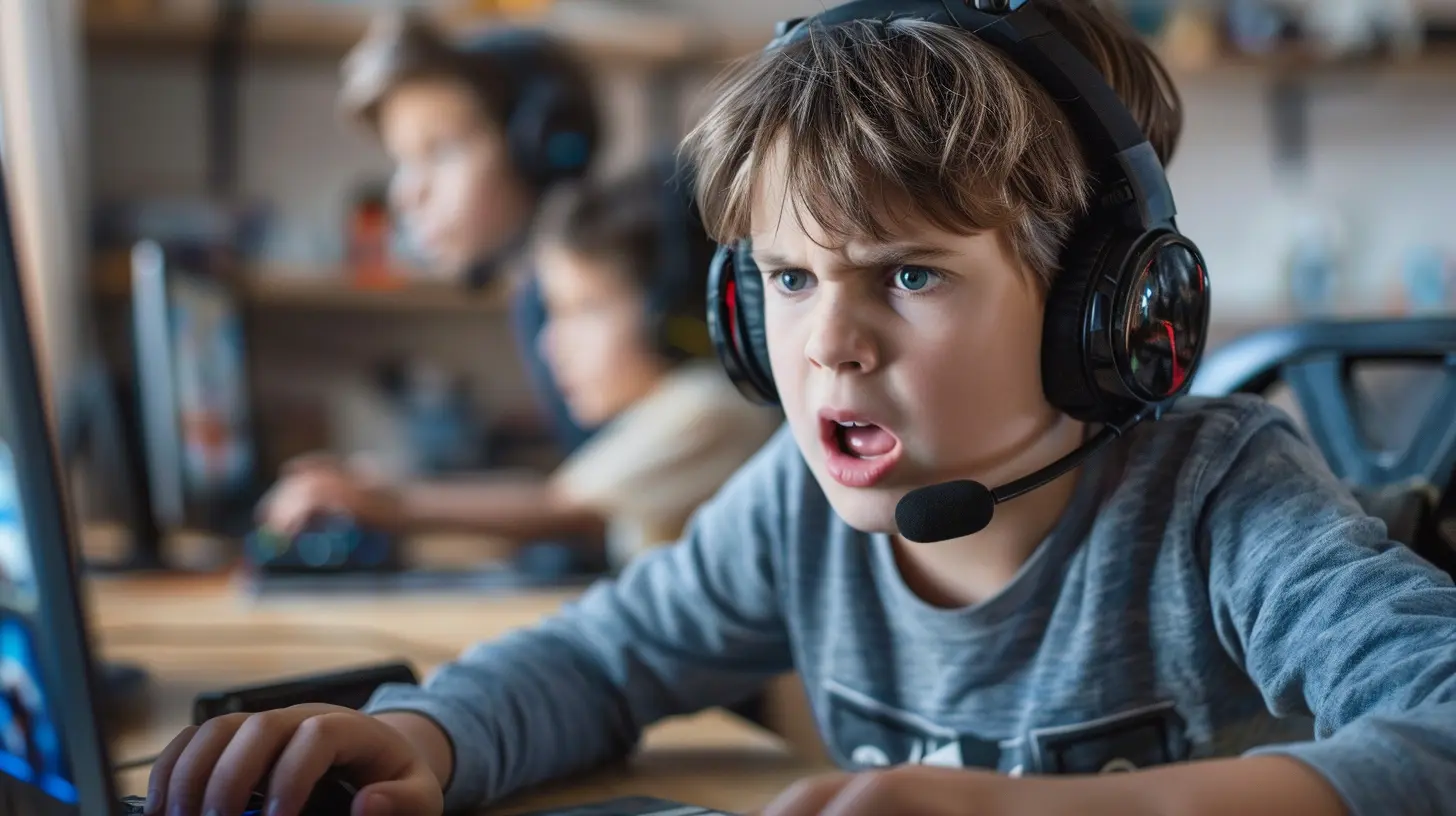
What Exactly Is Cyberbullying in Online Gaming?
Before we dive deeper, let’s get clear on what we’re dealing with. Cyberbullying in online gaming happens when a player is harassed, mocked, threatened, or humiliated by others through voice chats, messages, or even in-game actions. Think of it as bullying in the schoolyard—just without the bruises and with usernames instead.Some common examples?
- Name-calling through voice chat
- Spamming hurtful messages
- Targeting your child in-game (like repeated killing or sabotage)
- Spreading rumors in the game’s community
- Exclusion from in-game groups or activities
And the problem here is, these attacks often fly under the radar. Kids stay silent. Parents stay unaware.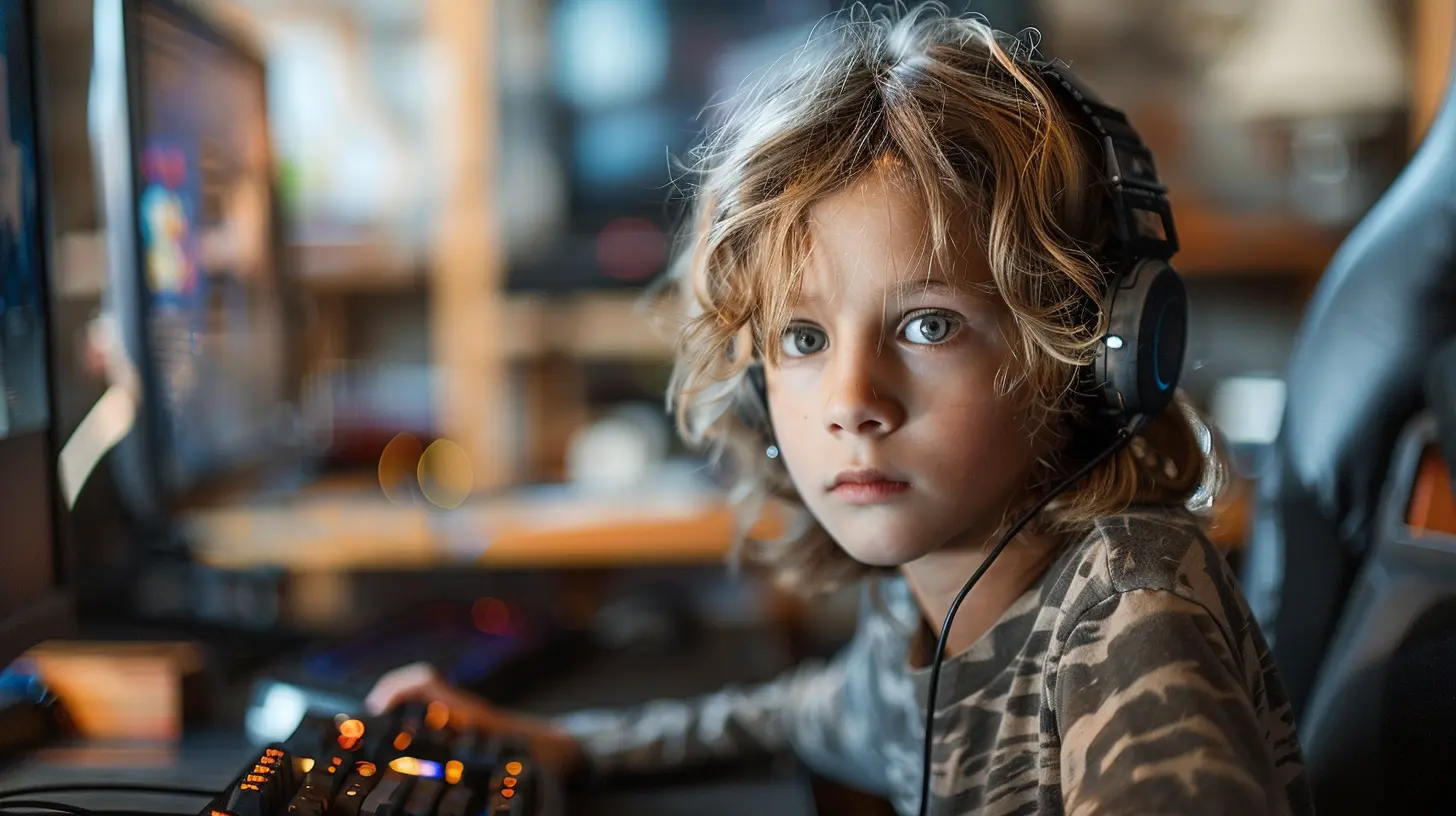
Spotting the Warning Signs: Is Your Child Being Cyberbullied?
Kids don’t always come to you and say, “Hey, I’m being bullied online.” Sometimes they don’t even realize what’s happening. But their behavior? That speaks volumes.Look out for these red flags:
- Sudden withdrawal from a favorite game
- Mood swings right after playing
- Becoming overly secretive about what they’re doing online
- A drop in self-esteem or increased anxiety
- Physical symptoms like headaches or stomachaches before game time
- Changes in sleep patterns
Recognize any of these? It might be time to sit down and have a heart-to-heart.
Step-by-Step: What to Do if Your Child is Cyberbullied During Online Gaming
Alright, so let’s say your worst fear is confirmed. Your child is being cyberbullied. Game on, but this time, you’re stepping in with strategy.1. Stay Calm – No Rage Quits
Parents, I get it. Your first reaction is probably a mix of anger, sadness, and a burning desire to throw someone’s console into a volcano. But hold up. You’ve got to keep your cool. If your child sees you lose control, they might keep things from you in the future.Instead, show them you’re on their team. They're not in trouble. They need an ally, not a lecture.
2. Open the Lines of Communication
Start with a conversation. Ask open-ended questions like:- “What happened today in the game?”
- “How did that make you feel?”
- “Have they done this before?”
Listen more than you talk. And avoid jumping in with solutions too quickly—sometimes they just need to feel heard.
3. Gather Evidence Before It Disappears
Here’s the thing: many games don’t keep chat logs forever. If something nasty was said or done, grab screenshots or record the conversation (with your child's permission).Evidence is crucial if you need to report the bullying or involve game moderators—or, in severe cases, the authorities.
4. Report, Block, Repeat
Most modern gaming platforms come with built-in safety tools:- Block the bully: This usually stops them from communicating in any form.
- Report the behavior: Platforms like Xbox Live, PlayStation Network, Roblox, and Steam take misconduct seriously.
Tell your child it's not "snitching." It’s self-protection. If someone broke a rule, there are consequences. Simple as that.
5. Adjust Privacy Settings on the Gaming Account
This step is often overlooked but super effective. Dive into the settings of your child’s gaming console or account and tighten things up:- Restrict communication settings (who can message or talk to them)
- Set up friend approvals
- Make their profile private
This keeps random trolls from sliding into their messages like digital gremlins.
6. Monitor Without Over-Monitoring
Your child’s gaming world is their space—but that doesn’t mean you can’t be involved. It’s a bit like letting your kid hang out at the mall. You don’t need to follow them around, but you should know who they’re with and where they’re going.Use tools like parental controls, app timers, and play session reviews. And check in regularly—not like a spy, but like a parent who cares. Big difference.
7. Encourage Real-Life Connections and Hobbies
Cyberbullying can mess with your kid’s self-worth. So help them reconnect with the real world. Sign them up for a sport, hobby class, art club—anything that makes them feel amazing offline.Think of it as balancing out their emotional bank account. If gaming is stressing them out, real-life wins can help refill their confidence.
8. Teach Digital Resilience
This part’s huge. Gaming is here to stay. And while we can’t eliminate all trolls, we can arm our kids with resilience.Talk to them about:
- Setting digital boundaries
- Not giving power to the haters
- When to walk away
- Why kindness online matters
Equip them like you’d equip them with a backpack for school. Only this time, it’s emotional armor they’re carrying.
9. Know When to Seek Professional Help
Sometimes, cyberbullying doesn’t just sting. It scars. If your child is showing signs of depression, anxiety, or withdrawal from not just games but life itself—it’s time to bring in a pro.Therapists, school counselors, or child psychologists can give them the support they need. And let them know it’s okay to ask for help. That’s not weakness—it’s WISDOM.
Why Online Gaming Makes Bullying Harder to Catch
Here’s what makes cyberbullying in games sneakier than traditional bullying:- Anonymous usernames: Bullies hide behind gamer tags and avatars
- 24/7 access: No school bell rings to end it
- Team-based play: If the bully is also a teammate, leaving feels like losing
- Competitive nature: Trash talk gets normalized—until it crosses a line
It’s like trying to shoot a ghost in a game—it’s hard to fight what you can’t see.
Tips to Prevent Cyberbullying From Catching Your Child Off Guard
You can’t bubble-wrap your kid every time they boot up their console, but you can definitely stack the odds in their favor.Here’s how:
- Start gaming with them early: Know the games, play them together, and normalize talking about in-game experiences
- Pick age-appropriate games: Some games are known cesspools of toxicity—others maintain friendlier communities
- Set time limits: Less game time means less exposure to toxic people
- Create a safe space at home: Encourage open convos about online encounters, good or bad
Remember: you’re not trying to control their every move. You’re helping them game smart.
Real Talk: Why Kids Don’t Speak Up About Cyberbullying
Let’s get a little raw here. Why wouldn't a kid tell you they’re being bullied online?- They don’t want their gaming privileges taken away
- They feel embarrassed or “weak”
- They think they can handle it (even when they can't)
- They believe it’s part of the game
This is why having regular check-ins (not just when something goes wrong) is key. Build that trust well before anything hits the fan.
Wrapping It Up: It’s a Team Effort
So, what to do if your child is cyberbullied during online gaming? Start by showing up. With open ears. With calm responses. With a strategy—not a knee-jerk reaction.Gaming isn’t the enemy here—bullies are. With the right tools, knowledge, and a bit of digital wisdom, your kid can enjoy the amazing world of online games without fear.
After all, every hero needs a little backup. Be theirs.
all images in this post were generated using AI tools
Category:
Parental Guide To GamesAuthor:

Tayla Warner
Discussion
rate this article
2 comments
Zareth Oliver
Stay positive! Open chats and support make a world of difference!
April 21, 2026 at 3:39 PM
Tayla Warner
Absolutely! Support and open communication can really help kids through tough situations.
Lisa Soto
This article provides essential guidance for parents navigating the complex issue of cyberbullying in online gaming. By emphasizing open communication, setting boundaries, and leveraging reporting tools, it empowers parents to support their children effectively. It's crucial to foster resilience and ensure a safe gaming experience.
April 21, 2026 at 4:15 AM
Tayla Warner
Thank you for your thoughtful comment! I'm glad you found the guidance helpful for supporting parents in addressing cyberbullying in online gaming.