What Parents Should Understand About Game Updates and Patches
5 December 2025
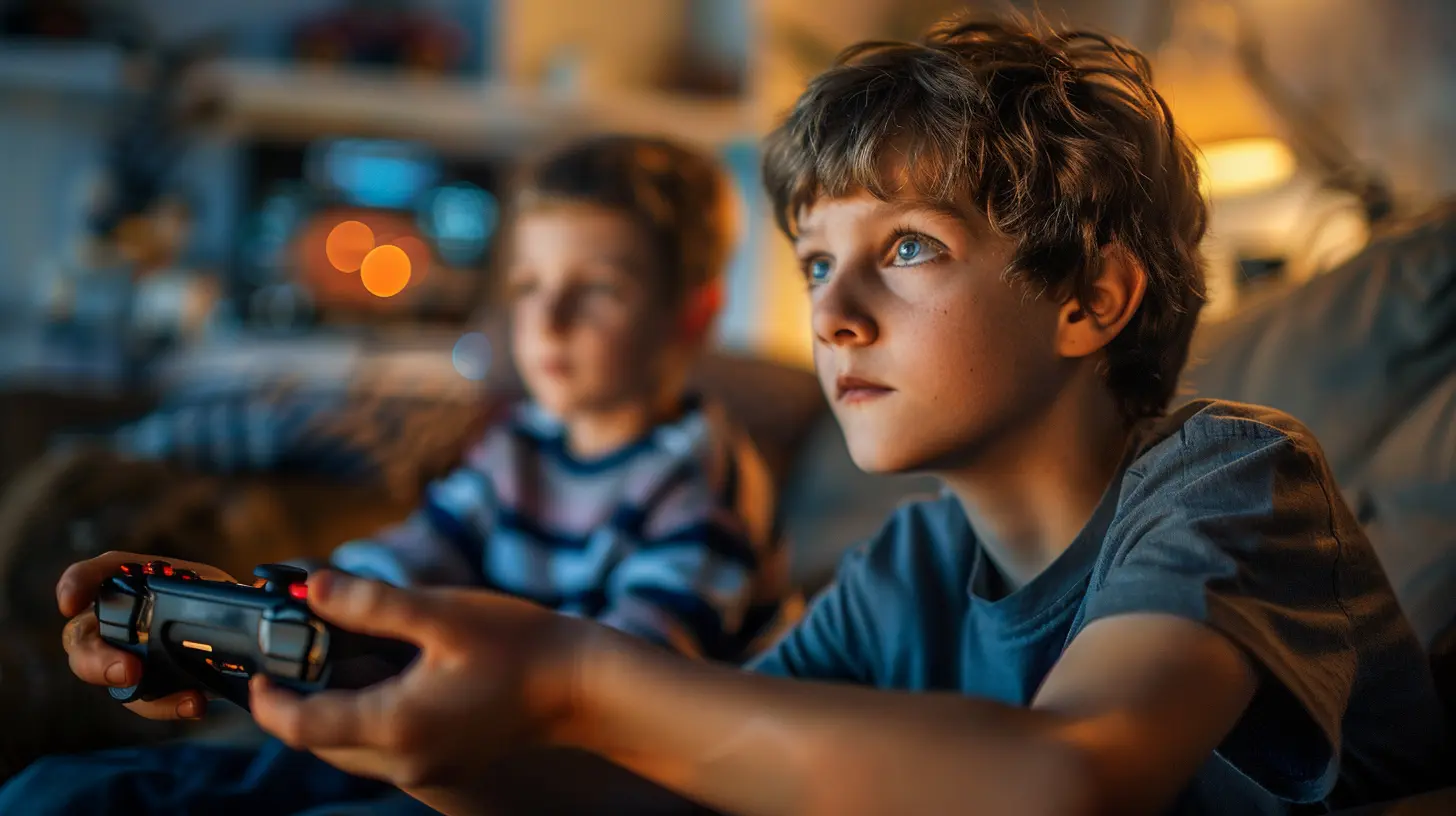
Let’s be honest — if you're a parent, you've probably walked into the living room only to hear, “It’s updating! I can’t play yet!” as your child stares at a progress bar moving slower than a sloth carrying a backpack full of snails. What even is a game update? Why does it seem to take forever? And why is it so darn important that your kid refuses to go outside until it's done?
Well, buckle up, because today we're plugging into the wonderfully weird world of game updates and patches — a place where bugs are squashed (not the creepy crawly kind), features are added, and kids everywhere hold their collective breath in anticipation.

What Are Game Updates and Patches Anyway?
Alright, this might sound super techy, but let’s break it down in plain human speak.Game updates and patches are basically like tune-ups for video games. Just like your phone gets software updates to fix glitches or improve features, video games get them too. Sometimes they're fixing little bugs (like fixing that weird thing where your kid's character randomly floats in mid-air), other times they’re adding huge new content – think bonus levels, new characters, or even entire new storylines.
In essence, they keep the game fresh, running smoothly, and aligned with what players want.
Why Do Games Need These Updates in the First Place?
Great question! Imagine if a car was released with a missing gear. Wouldn't be ideal, right?Video games today are massive, complex beasts. We’re talking about systems with millions of lines of code. Even with tons of testing, it’s nearly impossible to release a game that’s 100% perfect on day one. That’s where patches come in.
Think of them like band-aids and vitamins rolled into one — fixing boo-boos and making the game healthier over time.
Some common reasons for updates:
- Bug fixes: These are technical hiccups, like freezing, crashes, or graphical glitches.
- Balancing issues: If one character or weapon is way too powerful, it can ruin the fun. So developers tweak things to level the playing field.
- New content: To stop the game from feeling stale, developers throw in new missions, levels, or items.
- Security updates: Yep, even games need protection from hackers and cheats.
- Seasonal changes: Events tied to holidays or special game-based competitions.

"But It Was Working Fine Yesterday!" – The Update Dilemma
Ever wondered why your child’s favorite game suddenly needs a 12GB update when you just want to check the weather, and the Wi-Fi’s crawling? You're not alone.Updates can be huge. Some can take hours to download, especially on slower connections. And yes, it’s frustrating. But here’s why they matter:
If your child wants to play online with friends, they have to install the latest update. It’s like everyone agreeing to play the same version of Monopoly, otherwise chaos ensues — someone brings their own rules, someone else’s board has extra spaces, and suddenly you’re playing Monopoly: Hunger Games Edition.
In short, updates sync up all players to the same version of the game, so everyone’s on the same page.
Online Games Are Basically Never “Finished”
This might blow your mind a bit, but unlike games from back in the day — think Game Boy or PlayStation 1 era — modern games are constantly evolving. They’re like living, digital organisms that grow and change.Developers are always listening to feedback, monitoring bugs, and creating new content to keep their player base interested (and spending money, let’s be real).
Some games are designed to last for years. Take Fortnite or Minecraft — they’re regularly updated to keep things exciting.
So even if you bought the game once, your child will probably keep receiving updates indefinitely. It’s kind of like adopting a digital pet that never stops growing — and occasionally throws tantrums.
How Do Updates Affect Screen Time Rules?
This one’s a doozy — and we get it. You're trying to enforce healthy limits, and then BAM!:“Can I stay up ten more minutes? It’s halfway done updating!”
So, what should you do?
Here are a few common-sense tips:
- Scheduled updates: Encourage your child to run updates during dinner or homework time, so their actual “play” time isn’t burned waiting for a download.
- Education opportunity: Explain that waiting is part of gaming — and sometimes that means doing something else productive while the progress bar creeps along.
- Be flexible, but firm: Sometimes updates take longer than expected. If it means bedtime is bumped by 15 minutes once in a blue moon, maybe that’s okay. Just don’t let it become the norm.
"Why Is This Update So Big?" – The Storage Struggle
Another fun surprise parents run into: “Mom, I can’t update the game because the console is full!”Games today are huge. Some updates are the size of entire games from a few years ago.
Why? Because they include:
- Enhanced graphics
- New maps or levels
- Voice acting and soundtracks
- Bug fixes baked into giant new files
Think of it like downloading a movie. But instead of just one movie, it’s like downloading the entire Marvel Cinematic Universe plus bonus scenes.
Pro Tip: Make it a monthly habit to check storage space on your child’s console or computer. You can also help them clean out games they no longer play to make space for new ones.
Are All Updates Good? (Spoiler Alert: Nope.)
Here's a dirty little secret: Not all updates are created equal.Sometimes, new patches cause more problems than they fix. Maybe it introduces new bugs. Or maybe your child's favorite feature gets nerfed (the gamer word for weakened or downgraded).
This leads to a rollercoaster of emotions. One day they’re thrilled by a new map, the next day they’re raging because a glitch is causing their character to fall through the floor. It’s totally normal.
The good news? Developers usually act fast to fix these goof-ups with mini-patches — think of them as patch-inside-a-patch.
The Cost of Updates: Free or Fee?
While many updates are free, some come with a price tag. These are usually optional and bundled as:- Expansions (major new storylines or maps)
- Skins or cosmetics (new outfits, weapon designs, etc.)
- Battle Passes (seasonal content unlocked through progress)
Here’s where things get tricky — the updates themselves might be free, but your child may desperately want that shiny new costume or dance emote. Suddenly, you’re being asked for your credit card. Again.
Set boundaries early. Talk to your kid about what content is worth buying, and what can wait. Teach them the value of money — even in a virtual world where dragons fly and llamas give loot.
Offline vs. Online Updates
Here’s another curveball — even “offline” games can require updates, especially after installation. So even if you bought a game disc, chances are your console will still need to connect to the internet to download the latest patch.This is important if you have limited internet data or live in an area with spotty service. Always check your data plan and consider setting auto-updates to download during off-peak hours (usually overnight).
Tips for Managing Game Updates Like a Pro Parent
Let’s put your new gaming knowledge to good use! Here are some handy hacks to keep the update madness under control:1. Turn on Auto-Updates (Smartly)
Most consoles and PCs let you set updates to automatically download — often during the night. Enable this and say goodbye to “It’s updating!” meltdowns.2. Stay Informed
Follow the game’s official social media accounts or websites. This way, you’ll know when big updates are coming, and you won’t be caught off guard.3. Set Download Limits
Some routers allow you to limit how much bandwidth a device uses. Handy if you want to keep the rest of the house online during large game downloads.4. Use Parental Controls
Most modern consoles like the Nintendo Switch, PlayStation, and Xbox offer parental control settings — including limiting purchases, downloads, and playtime.5. Talk About Digital Responsibility
Use updates as a springboard for bigger convos. Teach your kid that part of gaming is keeping things balanced — know when to have fun, and when to take a break.Final Thoughts: Embrace the Patch Life
Now that you're armed with the knowledge of patches and updates, you can drop the confused parent act and fully step into your role as a Gaming Guardian.Updates aren’t the enemy. They’re part of what makes modern gaming richer, safer, and more exciting. Sure, they can be a bit annoying — like that one friend who always shows up late to the party but brings great snacks. But in the long run? They’re worth it.
So next time your child says, “It’s updating!” — maybe, just maybe — you’ll nod, smile, and say, “No worries. We’ve got time for one more round of Uno.
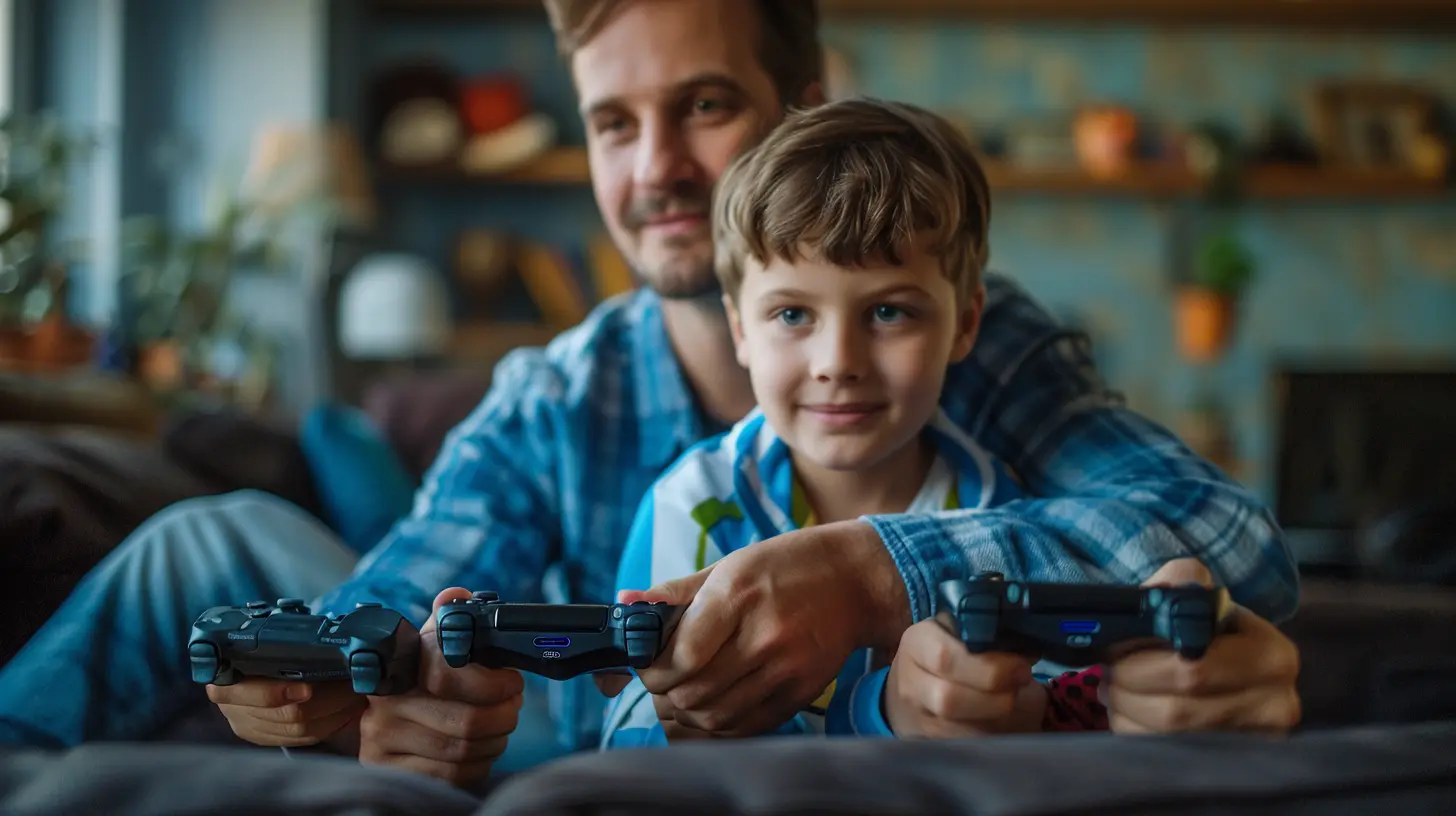
all images in this post were generated using AI tools
Category:
Parental Guide To GamesAuthor:

Tayla Warner
Discussion
rate this article
3 comments
Raegan McEvoy
This article effectively highlights the importance of game updates and patches for enhancing gameplay. Parents should recognize that these updates not only fix bugs but also introduce new content, ensuring a dynamic and engaging experience for their children. Understanding this can foster informed discussions about gaming.
April 20, 2026 at 2:57 PM
Tayla Warner
Thank you for your thoughtful comment. It's crucial for parents to see how updates enrich their children's gaming experience beyond just fixing issues. Engaging in these discussions can really help bridge understanding in the gaming world.
Sablethorn McTiernan
This article effectively highlights the importance of game updates and patches for both gameplay and parental awareness. By understanding these changes, parents can better support their children’s gaming experiences. Clear explanations of terms and potential impacts on gameplay make this a valuable read for any concerned parent.
December 12, 2025 at 5:30 AM
Tayla Warner
Thank you for your insightful comment! I'm glad you found the article helpful in understanding the significance of game updates for both gameplay and parental guidance.
Sara Jones
Stay informed for better parenting.
December 8, 2025 at 4:03 PM
Tayla Warner
Absolutely! Staying informed helps parents support their children and make informed decisions about gaming.