What Makes a Video Game Protagonist Truly Legendary
29 April 2026
Ever boot up a game and instantly feel hyped just because of who's on the screen? That’s the magic of a legendary video game protagonist. Whether you're stomping Goombas with Mario, sneaking through shadows as Solid Snake, or slaying monsters with Geralt of Rivia — something about these characters just hits different.
So, what actually makes a video game protagonist not just memorable, but iconic? Let’s break it down like a final boss fight.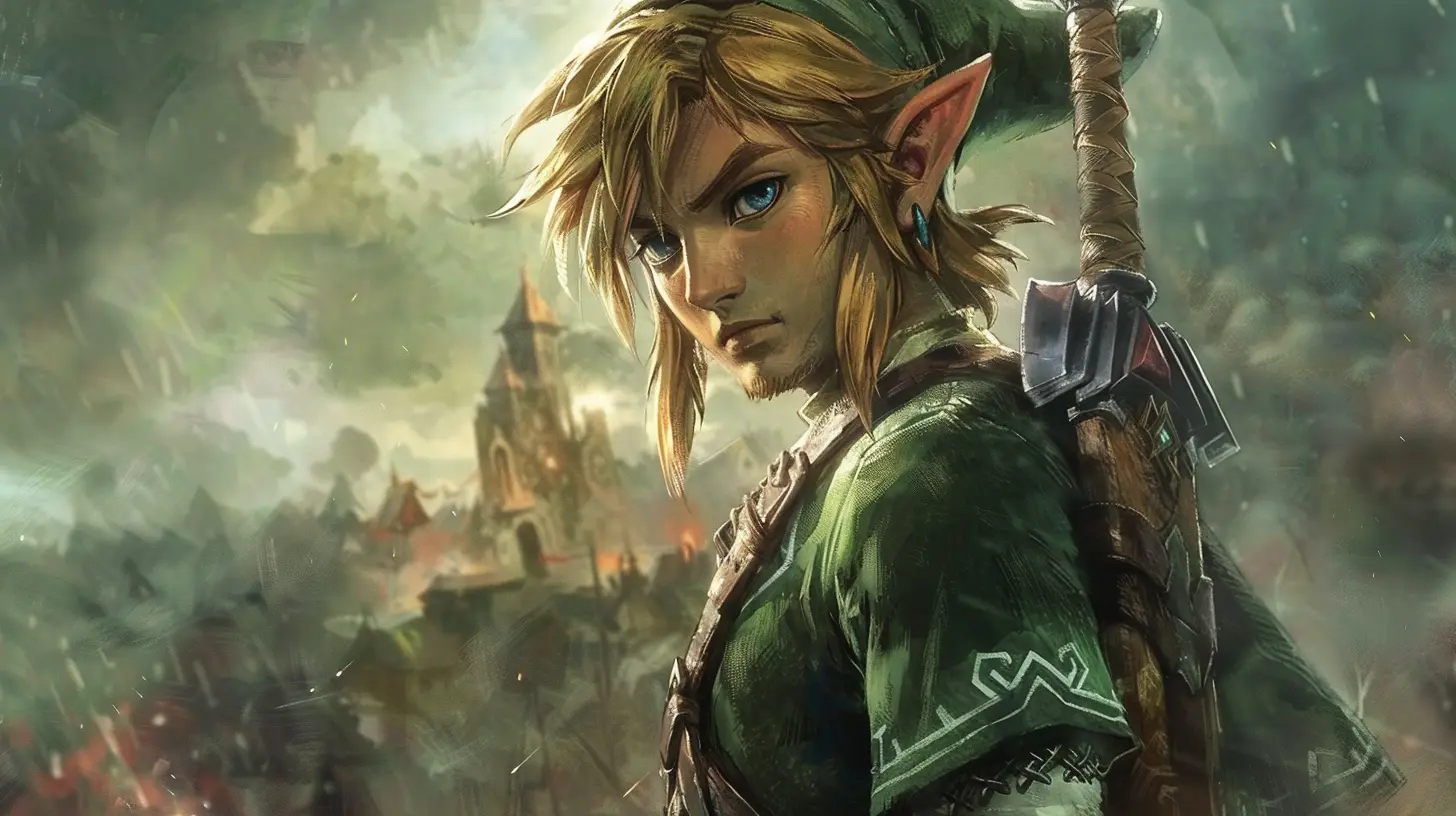
1. Strong Character Design: Looks That Stick in Your Brain
Let’s be real — first impressions matter. A protagonist's design can make or break their legacy. Think about it. Would Kratos be half as intimidating without those red tattoos and blades dripping rage?A great character doesn’t necessarily need to be flashy, but they do need a signature style. Their look should communicate who they are at a glance. Lara Croft’s braid and dual pistols? Instant recognition. Master Chief’s armor? Iconic silence. These designs aren’t just cool — they tell a story.
What To Look For:
- Unique silhouettes- Easily recognizable outfits
- Expressions and posture that ooze personality
Legendary gamers remember characters who don’t just play well but look the part.
2. A Backstory That Hits You in the Feels
Every hero (or anti-hero) needs motivation. Without a compelling backstory, characters can feel flat and forgettable. Why do we root for Joel in The Last of Us? Why is Cloud Strife’s journey so iconic?Because their past is a mess, and we get it.
A legendary protagonist has a history that shapes their present — pain, tragedy, betrayal, redemption. It's this emotional depth that makes players want to stick around for the ride.
What Makes It Work:
- Emotional weight- Personal stakes
- Growth over time
You don’t just play as them — you feel with them.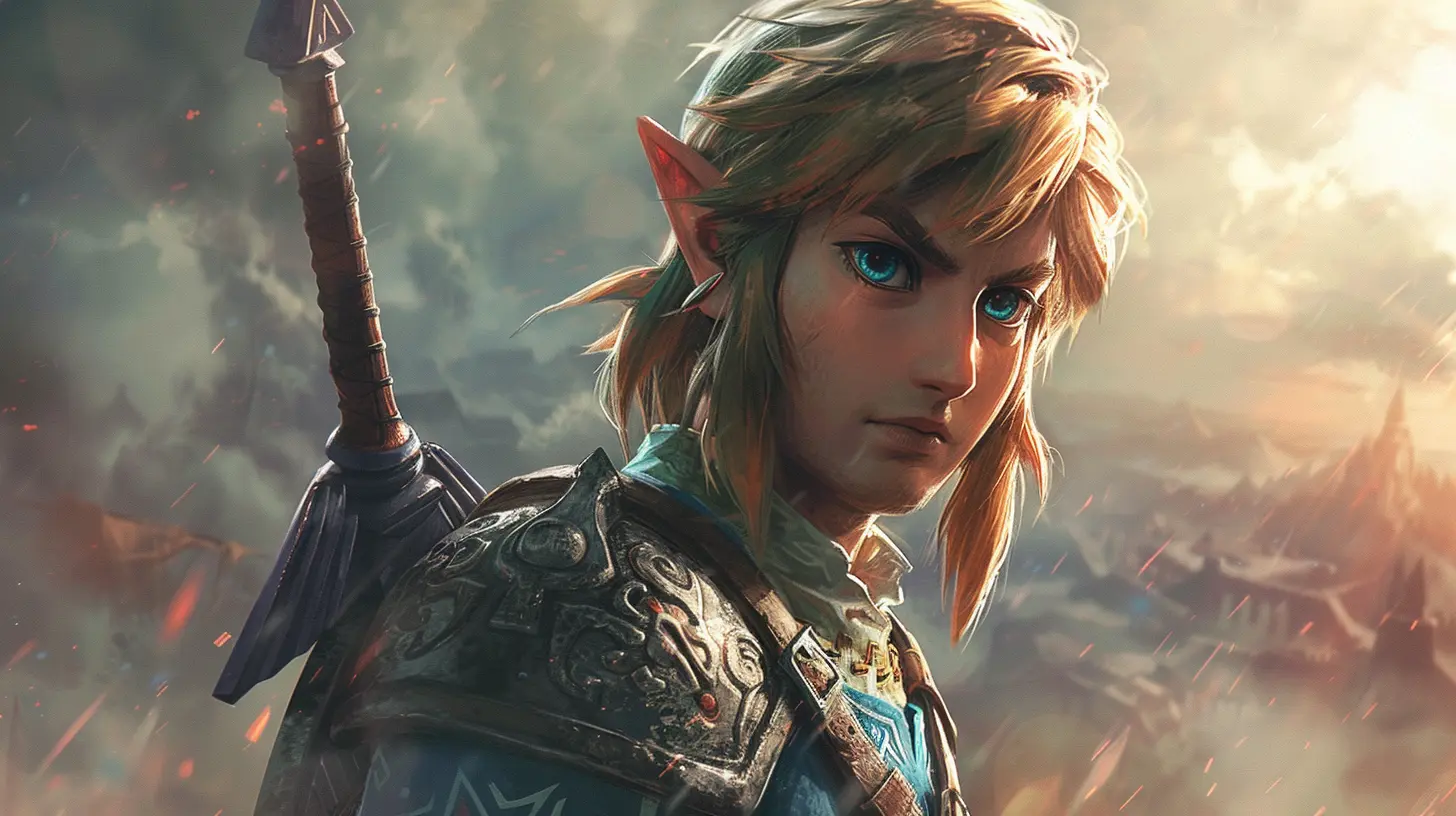
3. Voice Acting That Gives Them Life
Ever notice how some characters just talk right? You hear them once, and it's like their voice is stuck in your head forever. That’s good voice acting.Think about Nolan North as Nathan Drake or Jennifer Hale as Commander Shepherd. Their performances aren’t just about reading lines — they embody the characters. The voice, tone, timing — it all adds up to something unforgettable.
Why It Matters:
- Gives the character real personality- Adds emotional depth
- Makes dialogue scenes engaging
A legendary protagonist doesn’t mumble — they make you listen.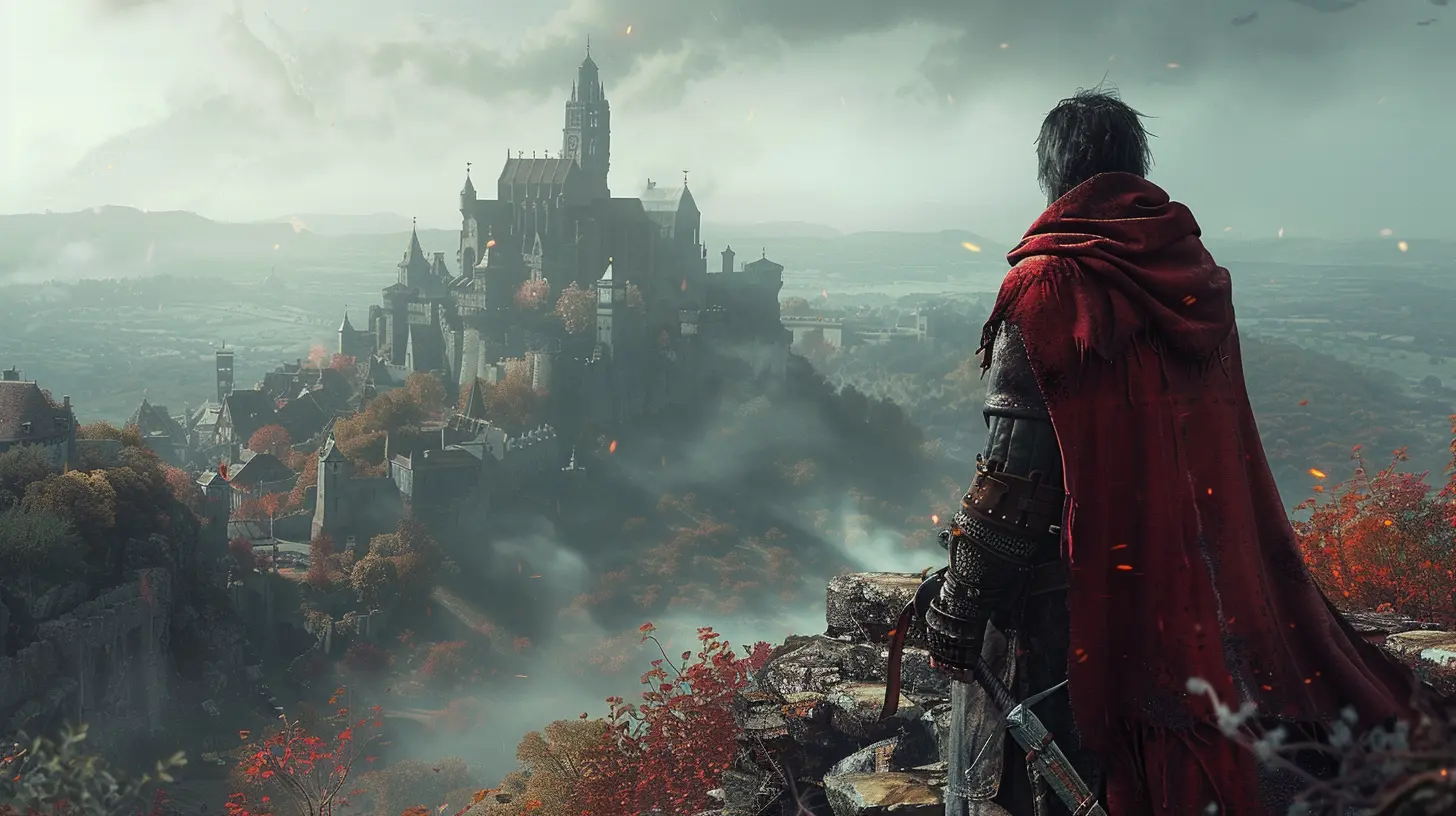
4. Gameplay That Match Their Personality
You know what’s annoying? When a protagonist feels off because their gameplay doesn’t vibe with their story. Imagine if Batman whipped out a bazooka — yeah, it’d break immersion.But the real legends? They play exactly how they should.
Spider-Man swings fluidly through New York like a spider should. Bayonetta is stylish, flashy, and smooth — just like her gameplay. When mechanics align with story, that’s when the magic happens.
Key Points to Hit:
- Mechanics that support the character’s traits- Combat that matches their skillset
- Movement that fits their personality
It’s basically storytelling through controls.
5. Memorable Quotes That Live Rent-Free in Your Head
Let’s play a game: “War. War never changes.” You know the line, right?Great protagonists have catchphrases or dialogue moments that brand themselves into your memory. Whether it’s Link’s iconic “Hyaa!” or Ezio’s passionate “Requiescat in pace,” these quotes are more than words — they’re identity.
A single line can turn a good character into a legend.
Dialogue Goals:
- Catchy phrases- Powerful one-liners
- Dialogue that reflects their philosophy
It’s like turning words into a weapon of their own.
6. A Personality That Grows with You
Let’s be honest, static characters get boring fast. We want depth. We want change. Legendary protagonists become better (or worse) versions of themselves over time — just like we do.When a character goes through trials and learns from them, we stay invested. Arthur Morgan starts out as a rough outlaw, but by the end of Red Dead Redemption 2, he’s layered, thoughtful — even tragic.
Look For:
- Character development- Morally grey choices
- Reactions that evolve
The best protagonists are people — flawed, complex, and growing.
7. Player Connection: When You Care Deeply
This is the secret sauce. All the cool design and clever writing in the world won’t make a difference if you don’t feel something for the protagonist.Maybe it’s empathy. Maybe it's respect. Maybe you just think they’re a badass. Whatever it is, legendary characters stick with you long after the closing credits.
They blend immersion with emotion. When you cry during a cutscene or feel a rush of adrenaline during a comeback fight — that’s what we’re talking about.
How It’s Done:
- Emotional resonance- Relatable struggles
- Empathy-driven moments
You don’t just play the game — you live it, through them.
8. Cultural Impact: When the Game Goes Beyond the Console
You know a protagonist has hit legendary status when they break out of gaming and land in pop culture. When your parents know who Mario is, or your non-gamer friends talk about Ellie and Joel — that’s next-level impact.These characters become symbols — not just of the games they star in, but of entire generations of gamers.
Signs of Cultural Legend:
- Merchandising (Think action figures, t-shirts, cosplays)- References in movies and memes
- Part of gaming history discussions
They’re not just playing the game. They’re changing it.
9. The “It” Factor - That Special Sauce
Alright, here's the truth bomb: Some characters just have it. Something you can’t quite bottle or blueprint. It's charisma, charm, gravity — whatever you want to call it.They walk onto the screen and BAM — you’re hooked. Think Geralt’s stoic smirk. Think Aloy’s fierce independence. Think Leon Kennedy’s cheesy one-liners and perfect hair during a zombie apocalypse.
You can’t always explain it. You just feel it.
Examples of the “It” Factor:
- Confidence without arrogance- Humor that lands
- Mystery that keeps you curious
It’s the X-factor that makes unforgettable characters... well, unforgettable.
10. Legendary Protagonists That Nailed It
Let’s wrap this up with a few names who have earned that legendary tag:? Link – The Legend of Zelda
Silent, but his legacy speaks volumes. The hero of time, courage, and endless puzzles.? Kratos – God of War
From wrath-filled god slayer to a surprisingly heartfelt dad — his journey is epic.? Lara Croft – Tomb Raider
She redefined what a strong female lead looks like, solving puzzles and smashing stereotypes.? Commander Shepard – Mass Effect
Your choices, your story, but always epic. The galaxy’s in good hands.? Arthur Morgan – Red Dead Redemption 2
A cowboy saga drenched in honor, regret, and redemption.They aren’t just characters. They’re legends.
Final Thoughts
So, what makes a video game protagonist truly legendary? It's not just one thing. It's a storm of great design, deep story, killer voice acting, and real emotional connection. It’s about giving players someone they don’t just control — but care about.Every now and then, a game gives us a character who changes the way we experience storytelling, gameplay, and even ourselves. That’s what makes them legendary. And hey, maybe the next one is just a new game away.
Grab the controller. Let’s meet the next legend.
all images in this post were generated using AI tools
Category:
Game StorylinesAuthor:

Tayla Warner
Discussion
rate this article
2 comments
Esme Morales
Flawed heroes spark our imagination.
May 14, 2026 at 3:18 AM
Tayla Warner
Absolutely. Flawed heroes often reflect our own struggles, making their journeys relatable and inspiring.
Samantha Summers
A legendary protagonist isn't just written; they are a haunting echo. They carry the ghost of the player’s choices, a silent question mark in a world of absolutes. The truly great ones make you feel like you’re discovering their secrets, not just following them.
April 29, 2026 at 4:24 PM
Tayla Warner
I totally agree. Legendary protagonists resonate on a deeper level, drawing players into a shared journey. Their choices linger, creating a bond that transforms the experience into something memorable.