Understanding the Social Side of Video Games for Teens
5 February 2026
If there's one thing we can all agree on, it's this: video games are no longer just about sitting alone in a dark room, gripping a controller, and battling digital enemies. Nope, that's ancient history. Today, gaming is social. It’s a thriving digital playground where teens don't just play—they connect, communicate, collaborate, and compete.
So if you’re a parent confused by your teen yelling into a headset or a teen wondering why gaming feels so… personal, buckle up. We’re diving deep into the social side of video games for teens. This isn't just pixelated entertainment—it's a new kind of social life.
Gaming: More Than Just a Hobby
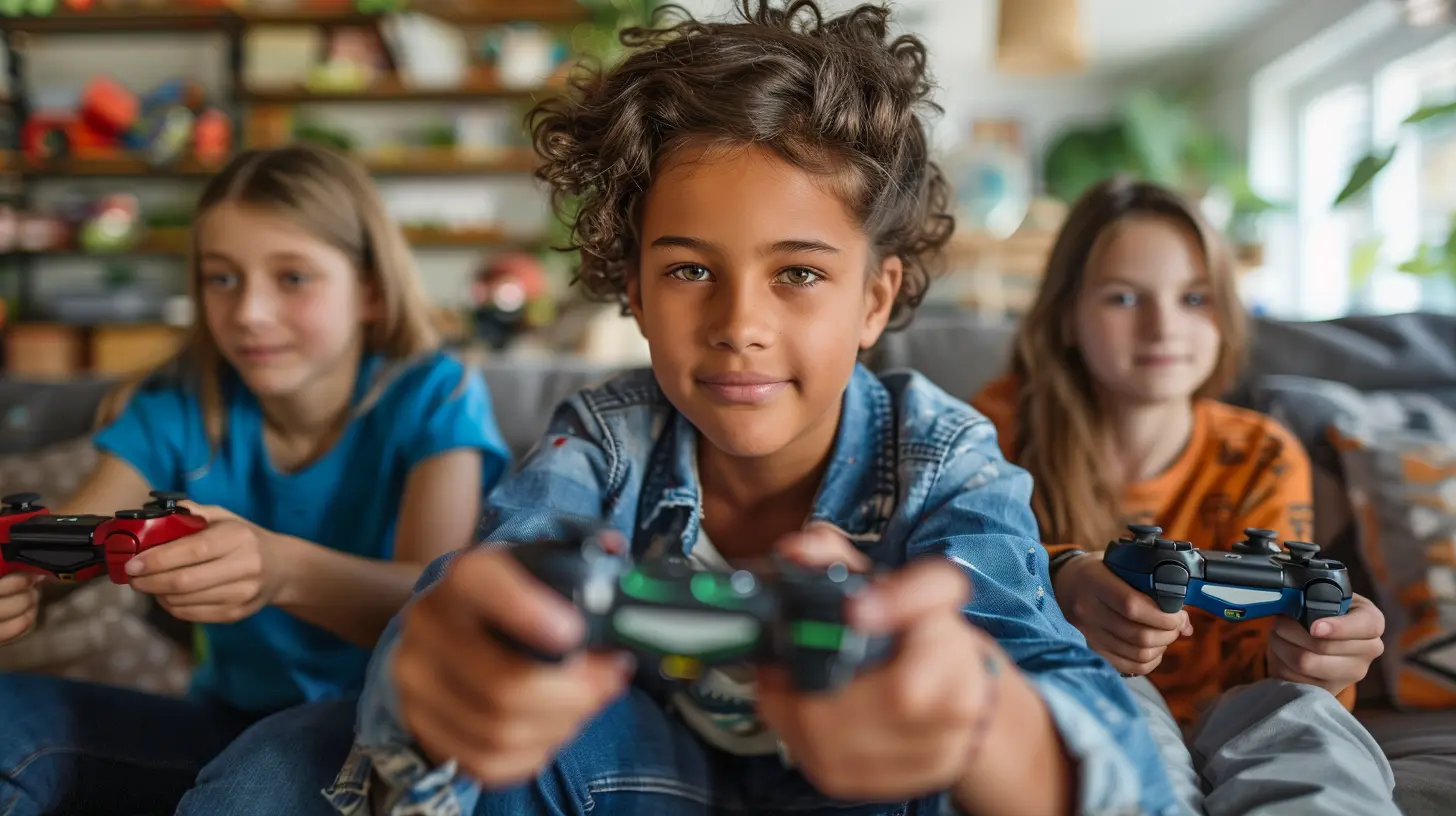
Let’s get something straight right out of the gate—video games have evolved. They're not just a casual pastime anymore. For many teens, they’ve become the primary way to hang out with friends, make new ones, and even find their tribe.Ever wondered why your teen spends hours playing Fortnite or Minecraft? It’s not just the game mechanics—they’re hanging out with friends, chatting, laughing, and building shared experiences. Think of it like a virtual sleepover, just with less pizza and more pixelated chaos.

The Rise of Multiplayer and Online Communities
Remember when video games were mostly one-player affairs? You'd take turns playing on the controller, maybe with a sibling or friend watching. Fast forward to today, and it's a whole different ballgame.Games like:
- Fortnite
- Call of Duty
- Among Us
- Minecraft
- Roblox
…have transformed gaming into highly social experiences. Teens join online lobbies, team up in squads, or jump into open-world adventures with friends from school—and even complete strangers from across the globe.
Voice Chat and Virtual Hangouts
Voice chat isn't just a game feature—it’s a lifeline. It turns solo missions into team efforts and random players into tight-knit friends. Teens are chatting in real-time, discussing strategies, sharing jokes, and yes—sometimes arguing over who forgot to revive the teammate (we’ve all been there).These in-game interactions mimic real-world conversations. It’s just like sitting around a table talking—but instead of snacks, you’ve got XP (experience points) on the line.

Making Friends in Digital Worlds
This might blow your mind if you’re not a gamer, but many teens make genuine friends through video games. These aren’t just usernames on a screen. We're talking about real connections, emotional support, and shared memories.In fact, for introverted teens or those struggling with social anxiety, games can be a gateway to friendship. It's easier to talk when you're not face-to-face, and there's something comforting about bonding over a shared goal—like surviving a zombie apocalypse together.
And let’s not forget how global this community is. Where else can a teen in Texas squad up with someone in Tokyo and win a battle royale at 3 AM?
The Power of Teamwork and Communication
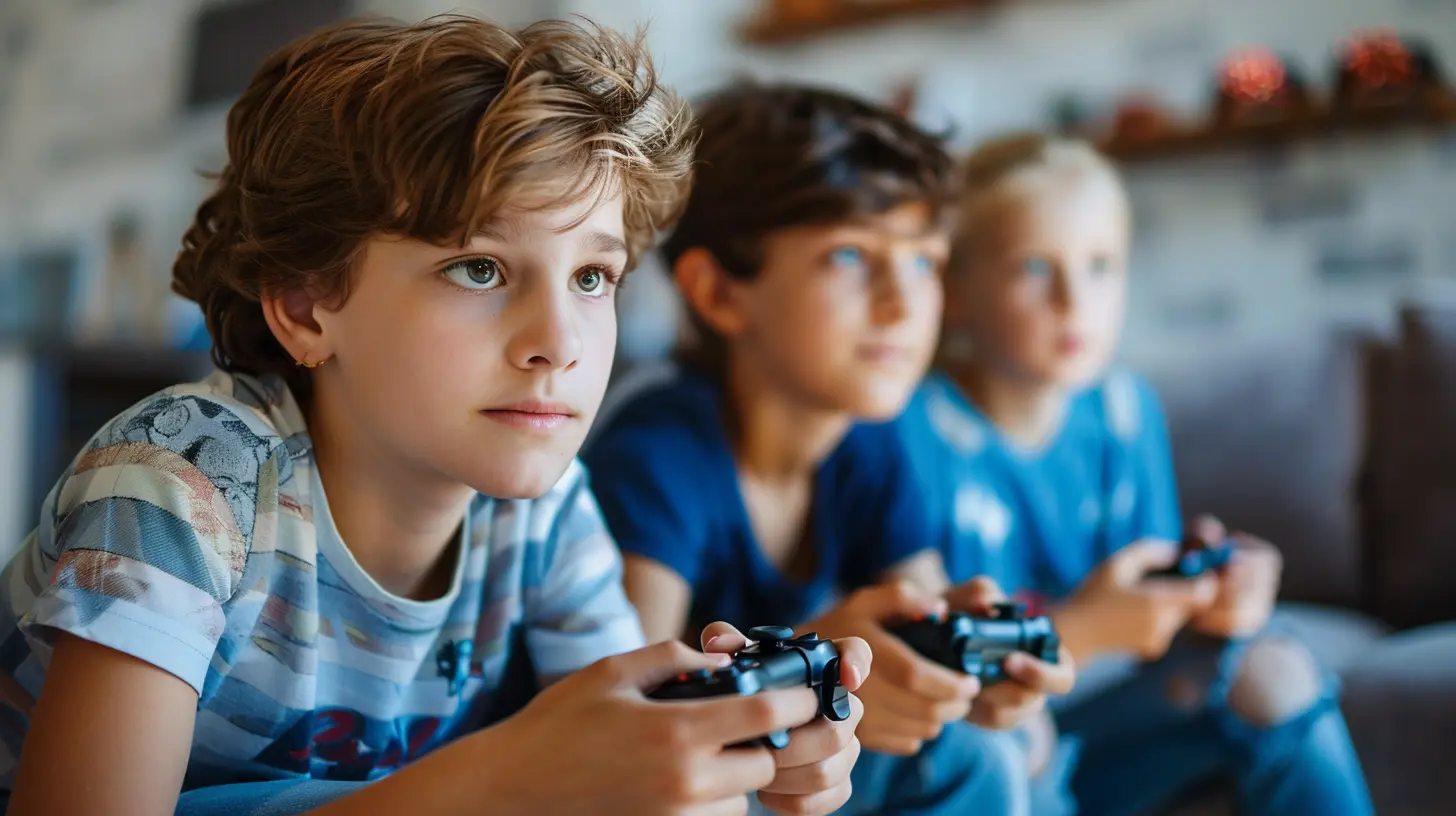
Most online games, especially co-op or multiplayer ones, require constant communication and coordination. Whether it’s navigating a dungeon, building structures, or planning a sneak attack—teamwork is key.This kind of collaboration builds important soft skills, including:
- Effective communication
- Problem-solving
- Conflict resolution
- Leadership roles
Sounds a lot like what you’d find on a resume, right?
Games like League of Legends or Valorant are practically digital team sports. If you can lead a team to victory online, chances are you’re picking up valuable life skills along the way.
Creating and Sharing Content
Gaming isn't just about playing anymore—it’s about creating. Teens today aren’t just gamers; they’re content creators.- They’re recording gameplay.
- Streaming on Twitch or YouTube.
- Sharing TikToks with epic highlights or hilarious fails.
- Building elaborate worlds in Minecraft or custom games in Roblox.
- Designing avatars, mods, and game add-ons.
This creative angle opens up new types of social interaction. It’s not just “watch me play,” it’s “let me show you what I made” or “come join my custom map.”
Gamers are building entire communities around their content. They’re collaborating with others, getting feedback, and connecting over shared interests. In a way, games have become collaborative canvases.
Gaming and Identity Expression
Here’s where things get even deeper. For many teens, video games are a way to explore identity. This might be through:- Choosing avatars that represent how they feel inside.
- Exploring gender or cultural identities in a safe space.
- Immersing themselves in stories that reflect their experiences.
Games let teens test out different roles and personas they might not feel comfortable exploring in real life. It’s not just role-playing—it’s identity building.
Safety and Boundaries in Online Spaces
Of course, not all aspects of social gaming are sunshine and cherries. Like any online space, gaming comes with risks and challenges.Online Bullying and Toxicity
Let’s be real—some gaming communities can be toxic. Trash talk, harassment, and bullying do happen. Teens need support in identifying and navigating these situations.Parents and guardians should have open convos about:
- Blocking/reporting features
- Setting boundaries
- Recognizing red flags in conversations
- Choosing healthy gaming communities
It's like teaching them to drive. You let them use the car, but you also show them how to stay safe on the road.
Time Management and Social Balance
It's easy for gaming to become all-consuming, especially when social lives are so tied to it. That’s why balance is important.Encourage teens to:
- Take breaks
- Get outside
- Mix in other social activities
- Sleep (yes, grinding late at night is a real issue)
Gaming should be part of a well-rounded life, not the whole pie.
The Role of Parents: From Outsiders to Allies
Let’s be honest—most parents didn’t grow up gaming like today’s teens. That can create a disconnect. But closing that gap starts with curiosity instead of criticism.Ask questions like:
- “What game are you playing?”
- “Who do you play with?”
- “What do you like about it?”
- “Can you show me how it works?”
Not only will this build trust, but it also gives you valuable insight into your teen’s digital social life. And who knows? You might even end up playing a game or two yourself.
Gaming During the Pandemic: A Lifeline for Teens
We can't ignore how the pandemic rewired our social norms. In a world where IRL (in real life) hangouts were off-limits, video games stepped in as the primary social outlet.Virtual birthday parties in Minecraft, friendships maintained in Among Us, and emotional check-ins during co-op sessions kept teens connected when everything else fell apart.
Even now, those habits are sticking. Gaming isn’t just a fallback anymore—it’s a norm.
Long-Term Impacts of Social Gaming
So, what’s the big picture here? Is social gaming just a phase, or is it shaping the way teens grow up?Well, it’s both.
Video games are now a core part of teen culture. They influence:
- How teens make friends
- How they communicate
- How they see themselves
- What kinds of communities they value
Yes, there are risks. But when guided right, the social side of gaming builds empathy, creativity, teamwork, and lasting relationships.
That’s a pretty solid outcome from what some still dismiss as “just playing games.”
Final Thoughts: Embracing a New Social Reality
The world has changed, and so has the way teens socialize. Video games are no longer the enemy of connection—they're often the glue holding those connections together.So whether you're a gamer, a parent, or just someone trying to understand today's teens, here's the truth:
Video games are the new social hangout. And if we get past the stereotypes, we’ll see that most teens aren’t just playing—they’re growing, learning, leading, and laughing… all while holding a controller.
So the next time you hear your teen shouting into a mic, don’t panic. They’re probably just figuring out life—one respawn at a time.
all images in this post were generated using AI tools
Category:
Parental Guide To GamesAuthor:

Tayla Warner
Discussion
rate this article
2 comments
Rose Banks
As friendships form in virtual realms and secrets unfold behind pixels, what hidden lessons about connection and identity are teens discovering through their gaming experiences? The journey awaits.
February 7, 2026 at 4:56 PM
Tayla Warner
Teens are discovering that gaming fosters genuine connections and self-exploration, offering them a safe space to express identity and navigate relationships while emphasizing empathy and collaboration.
Simon McDermott
This article beautifully captures the essence of how video games foster important social connections among teens. It highlights the balance between virtual interactions and real-life friendships, reminding us that gaming can be a powerful tool for empathy and collaboration. Truly insightful and essential reading for parents and teens alike!
February 7, 2026 at 6:02 AM
Tayla Warner
Thank you for your kind words! I'm glad the article resonated with you and highlighted the positive impact of gaming on social connections among teens.