Understanding Game Ratings and What They Really Mean
18 May 2026
Ever strolled through a game store or browsed your favorite digital marketplace, glanced at a game, and noticed a bold letter like "E", "T", or "M" slapped on the cover? These aren't just random labels—they're game ratings. But what do they actually mean? And more importantly, how do they affect you as a gamer, parent, or even a developer?
In this deep dive, we're breaking down game ratings in plain English. You’ll walk away knowing exactly what each rating implies, who does the rating, why it matters, and even the controversies behind the scenes. Buckle up, because understanding game ratings is like unlocking a secret level you didn’t know existed.
? What Are Game Ratings Anyway?
Think of game ratings as the movie ratings of the gaming world. They’re designed to tell players, parents, and guardians what kind of content to expect in a game—violence, language, nudity, gambling, or even just how complex it is for a younger audience.But unlike movies, video games are interactive. That means your experience can change depending on how you play—so knowing what you're getting into beforehand is kind of a big deal.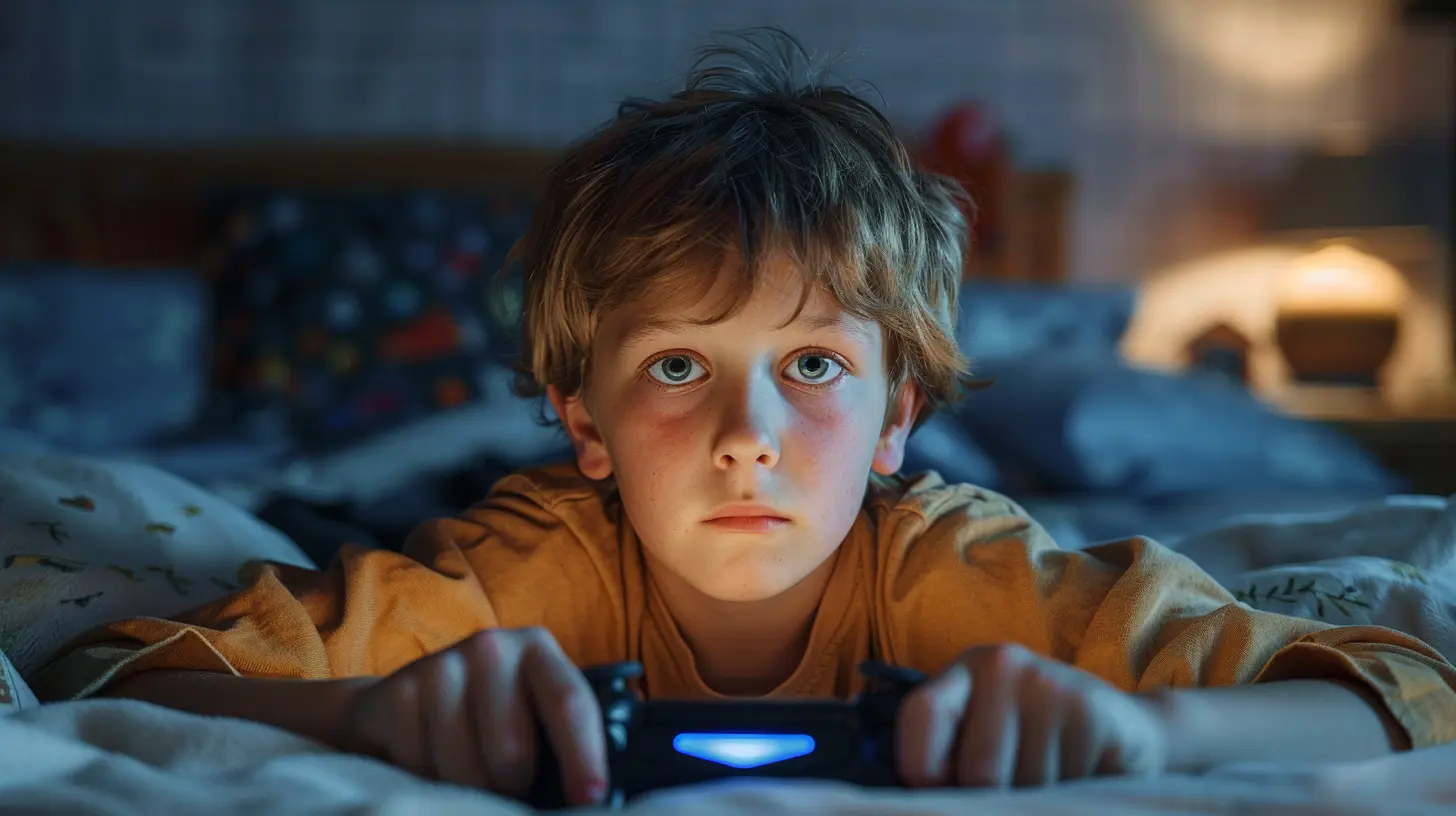
? Who Decides These Ratings?
You’d think this would be one worldwide standard, right? Nope, we're dealing with multiple rating boards depending on where you live. Here's a quick overview of some major ones:1. ESRB (Entertainment Software Rating Board) – North America
If you’re in the U.S. or Canada, the ESRB is the one calling the shots on game ratings.- E (Everyone): Suitable for all ages. May contain minimal cartoon or fantasy violence.
- E10+ (Everyone 10 and older): A bit more mature; may include mild violence or language.
- T (Teen): Ages 13+. Think mild-to-moderate violence, suggestive themes.
- M (Mature): Ages 17+. Strong language, intense violence, or sexual content.
- AO (Adults Only): Only for those 18+. You’ll rarely see this on mainstream shelves.
- RP (Rating Pending): Usually seen in game trailers before the official rating is in.
2. PEGI (Pan European Game Information) – Europe
PEGI’s a bit more detailed with age numbers:- PEGI 3: Suitable for all age groups.
- PEGI 7: Slightly scary or frightening content.
- PEGI 12: Mild violence, bad language, or sensual suggestions.
- PEGI 16: Intense violence or sexual activity.
- PEGI 18: Graphic violence, gambling, drug use, or strong sexual content.
3. CERO (Computer Entertainment Rating Organization) – Japan
Let's not forget about Japan’s CERO:- A: Suitable for all ages.
- B: Ages 12+.
- C: Ages 15+.
- D: Ages 17+.
- Z: Only for 18+ gamers.
Each system has its own style, but they're all working toward the same goal—giving you better insight into a game's content.
? How Are Games Rated?
This part’s more interesting than you'd think. Rating boards don’t usually play through the entire game (surprising, right?). Instead, publishers submit detailed questionnaires, footage of gameplay, and scripts from cutscenes.A panel of reviewers watches the footage and reads the descriptions, then assigns a rating based on the content's intensity and context. It's kind of like a panel of judges scoring a gymnastics routine—except the stakes are virtual explosions and pixelated profanity.
Some rating boards have human reviewers, while others are moving toward AI-assisted analysis. But it's still a subjective process, meaning one board might give a higher rating for content that another might gloss over.
?️ Why Do Game Ratings Matter?
You might be thinking, “Okay, cool, but who really cares?” Honestly—everyone should.1. Parents Need to Know
There’s nothing worse than buying what looks like a cartoonish shooter for your 10-year-old only to find out it’s stuffed with blood, swearing, and suggestive jokes. Ratings provide the cheat code for parents to make informed choices.2. Gamers Want Control
As a gamer, you might have content preferences. Some folks are okay with gore; others avoid it. Ratings hand you the info upfront so you can dodge those nasty surprises halfway through a campaign.3. Developers Face Real Consequences
A game slapped with an AO rating in the U.S.? Forget about mainstream console releases—platforms like PlayStation, Xbox, and Nintendo will usually refuse to carry them. That’s a business nightmare for developers, forcing some to water down content to avoid the dreaded Adults Only badge.? The Business Impact of Ratings
Game ratings don’t just affect players—they have a massive ripple effect on the gaming industry. Let’s break it down:- Sales Numbers: M-rated games limit the potential audience. Parents might skip buying them for teens, cutting out a huge segment.
- Advertising Limits: AO-rated games are often restricted from advertising on major platforms—Google, Facebook, and even TV.
- Retail Constraints: Some stores won’t stock higher-rated games. Walmart and Target? They’ll likely skip an AO title.
- Streaming and Monetization: Streamers on platforms like Twitch or YouTube may face demonetization or age restrictions for showcasing mature-rated games.
Basically, a rating can make or break a game's financial success.
❗ Controversies & Criticism
Let’s not sugarcoat it—game ratings haven’t always been received well. In fact, they’ve sparked major debate.1. Are Ratings Biased?
Some critics argue that rating boards tend to be more lenient on violence than sexuality. Blow up a city? T-rated. Show a partial nudity scene? M or AO. That double standard has frustrated gamers and developers alike for years.2. Cultural Differences
A game rated Teen in the U.S. might get a PEGI 18 in Europe. Why? Because cultural sensitivity differs. Some countries are stricter on blood and horror, while others clamp down harder on nudity or language. It’s all subjective.3. Games Being Re-Rated
Remember when “GTA: San Andreas” got hit by the “Hot Coffee” controversy? It got re-rated AO, pulled from major markets, and cost Rockstar a ton of money. Games can be re-rated if undisclosed content is discovered later, which adds more pressure on devs to report everything upfront.? Game Ratings in the Mobile Era
Let’s talk smartphones. Mobile gaming has exploded, but guess what? Mobile game ratings are a whole different beast.Apple uses its own rating system based on age groups (4+, 9+, 12+, 17+), and Google Play uses the International Age Rating Coalition (IARC), which adjusts the rating based on your country.
The inconsistency between mobile and console/PC ratings makes things confusing. A game like “PUBG Mobile” might be rated 12+ on mobile but M on consoles. Go figure.
? Parental Controls and Game Ratings
Here’s a tool too many parents sleep on—parental controls.Most modern platforms (Switch, PlayStation, Xbox, Steam) let you block games by rating, restrict playtime, or even set spending limits. Pairing understanding game ratings with tech tools is the ultimate combo for family-friendly gaming.
And if you're a parent? Trust me—it’s so much better than hovering behind your kid every time they boot up a game.
? Misconceptions About Game Ratings
Let’s bust a few myths while we’re here:- “It’s just a suggestion.” No, it’s a guideline based on professional review. Ignore it at your own risk.
- “Higher rating means better quality.” Not really. Some of the best games out there are rated E or T.
- “Indie games don’t need ratings.” If they want to be on major platforms or stores, they absolutely do.
? What’s Next for Game Ratings?
As the gaming world evolves—hello, VR, AR, and AI-generated content—so too will rating systems. Expect smarter, more adaptive tools that evaluate dynamic content, especially as games become more sandbox-like and unpredictable.Plus, with cross-platform gaming, global standards may finally come into tighter alignment. One can hope, right?
✅ Final Thoughts
Understanding game ratings isn’t just for overprotective parents—it’s for everyone in the gaming community. Players get clarity. Parents get peace of mind. Developers get direction. It's not the most glamorous part of gaming, but it's one of the most important.So next time you're eyeing a new title, don’t ignore that little letter on the corner. It might just be the difference between a chill night in and a "turn that thing off right now!" situation.
all images in this post were generated using AI tools
Category:
Parental Guide To GamesAuthor:

Tayla Warner
Discussion
rate this article
2 comments
Sylvia Cross
Game ratings often reflect societal norms and expectations more than quality. They can guide choices but should not overshadow personal experiences and the diverse ways individuals connect with games.
July 7, 2026 at 3:57 AM
Tayla Warner
You're right. Game ratings can reflect societal views, but personal experience is what truly matters. Each player's connection to a game is unique.
Merida Kirk
Great article! Understanding game ratings helps us choose better games and discover hidden gems. Keep gaming and exploring!
May 24, 2026 at 4:55 PM
Tayla Warner
Thanks for your feedback! I'm glad you found the article helpful. Happy gaming!