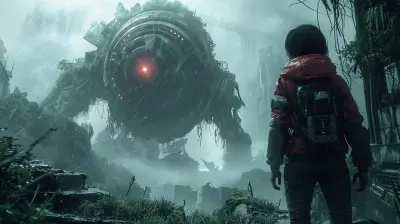
The Role of Lore in Building Immersive Game Worlds
22 December 2025
If you’ve ever found yourself lost in a game for hours—not because of flashy graphics or crazy combat mechanics, but because the world felt so real—you’ve probably stumbled into a well-crafted lore trap. And trust me, it’s a beautiful trap. Lore is like the secret sauce that turns a simple digital playground into a living, breathing world. So, let’s chat about the role of lore in building immersive game worlds, and why every pixel feels richer when there’s a story hiding in the shadows.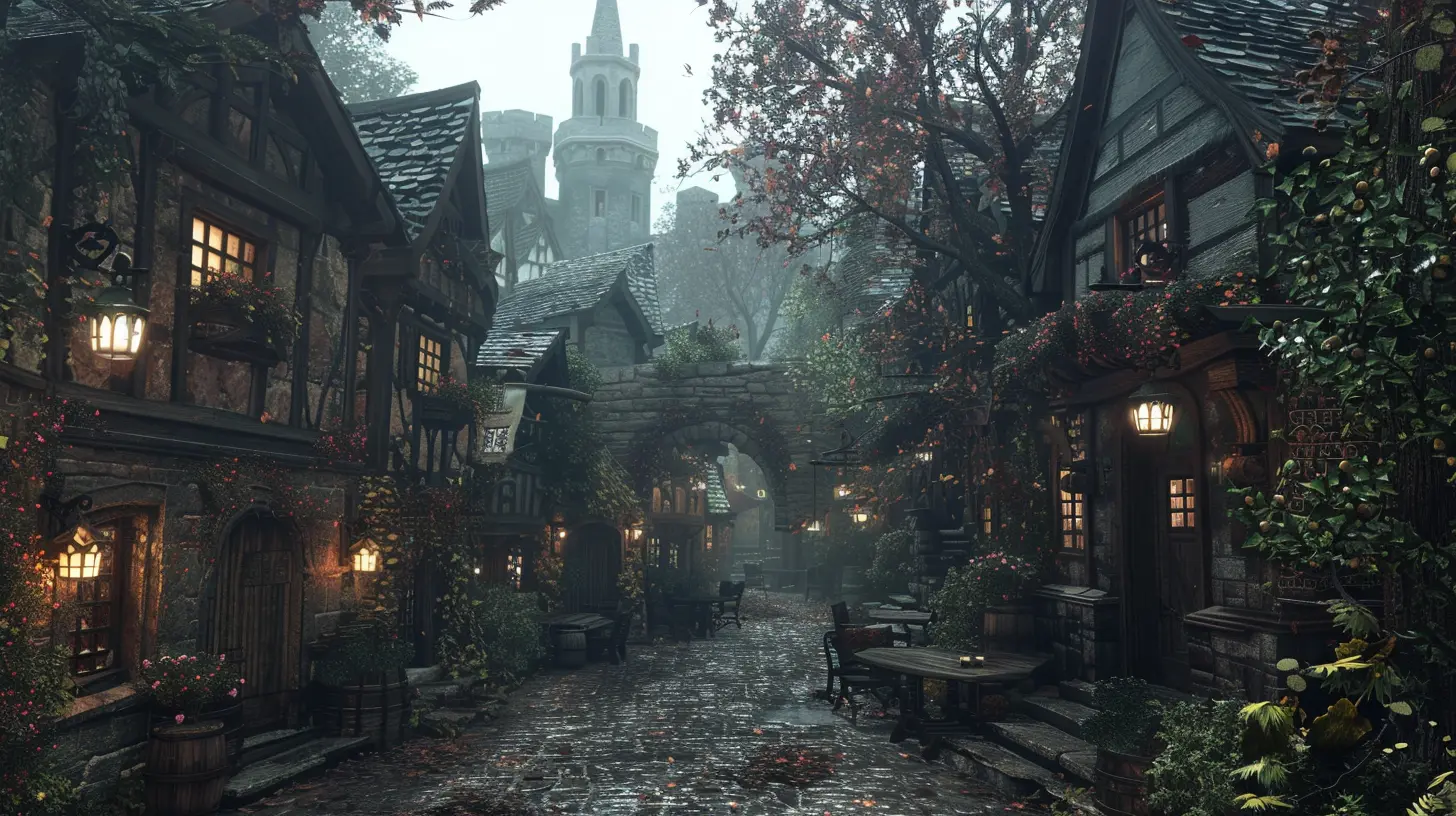
What the Heck Is Lore Anyway?
Let’s start with square one—what is "lore" in video games? In simple terms, lore is the backstory. It’s the history, myths, culture, and deeper context that gives a game world meaning. It can be told directly through cutscenes and dialogue or subtly dropped in item descriptions, old books, or even environmental design.It’s like the iceberg theory of storytelling: you see the tip, but there’s a whole mountain of story underneath—just waiting for curious players to dive in.
Why Lore Matters More Than You Think
You might be wondering, “Isn’t gameplay the most important part of a game?” Sure, mechanics matter. But gameplay alone won’t make you care about what you’re doing. Lore gives purpose. It answers the why behind the quest and adds emotional weight to what would otherwise be a glorified fetch mission.Let’s face it: slaying a dragon is cool. Slaying a dragon that once ruled a magical empire, betrayed by his own kin, and now guards the last remnants of a lost civilization? That’s unforgettable.
Engagement Through Emotion
Lore taps into your emotions. It makes you angry at a tyrant ruler, feel sorry for a fallen hero, or downright obsessed with uncovering ancient secrets. With this emotional glue, even pixelated characters start to feel real.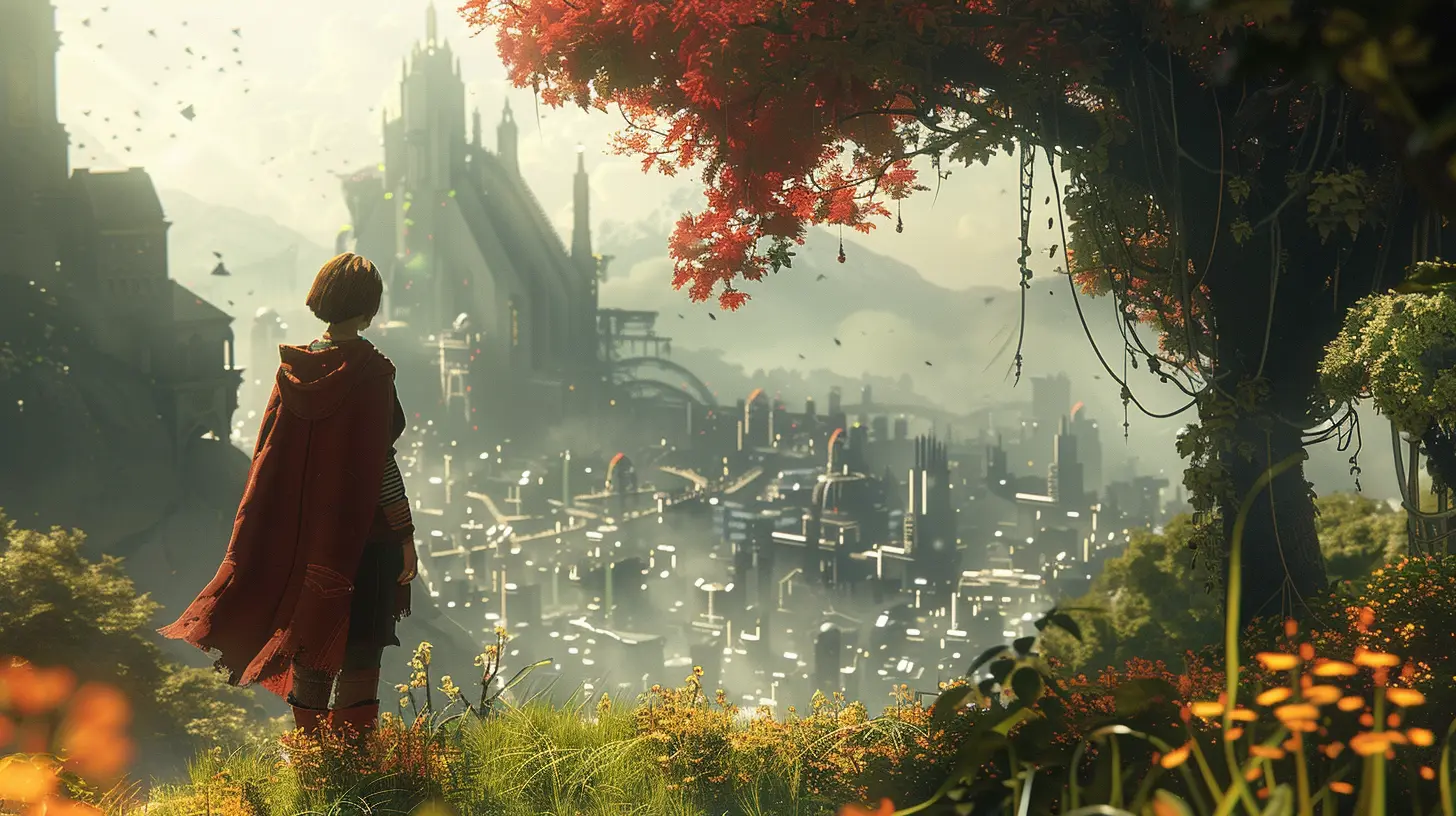
How Lore Fleshes Out Game Worlds
You know the feeling—you walk into a new area in a game and instantly sense there’s more going on than meets the eye. That’s lore in action. It's the invisible thread connecting everything.World-Building on Steroids
Lore breathes life into cities, dungeons, and forests. A ruined temple isn’t just an empty structure—it’s the remains of a forgotten war. A strange statue? It might honor a deity that still has cultists lurking in the dark. With rich lore guiding the design, every rock, every ruin, tells a story.Non-Playable Characters with Depth
Lore also helps NPCs (non-playable characters) feel like more than walking dialogue trees. Think of them as actors in a giant play. Without a script or backstory, they’re forgettable. But give them motivations, fears, and connections to the world’s history, and suddenly, they’re unforgettable.
Lore in Popular Games: A Look Under the Hood
Let’s nerd out for a moment and look at how some popular games use lore to build their immersive worlds.The Elder Scrolls Series
You can’t talk about game lore without mentioning The Elder Scrolls. Skyrim, Oblivion, Morrowind—they’re all lore goldmines. The world of Tamriel feels ancient, layered, and connected. Every book, faction, and artifact hints at other stories. You could spend hours just reading those in-game books (and some people do).Dark Souls
Dark Souls flips the script. Its lore is cryptic, hidden in item descriptions and environmental cues. Players piece the narrative together like detectives. The mystery is the hook. And that’s brilliant, because it makes the world feel dangerous and unknowable—just like the game itself.The Witcher Series
Based on books, The Witcher games are drenched in political intrigue, monster mythology, and character-driven stories. Lore isn’t just background noise—it’s the engine powering every decision. Whether you’re choosing sides in a battle or hunting a monster, the history behind it gives your choices weight.Passive vs. Active Lore: Two Ways to Tell a Story
There are generally two main approaches to delivering lore: passive and active. Each has its place, and both impact how players experience a world.Passive Lore: The Hidden Gems
Passive lore is stuff you can miss if you’re not paying attention. Think murals on a wall, weathered documents, or eerie echoes from the past. This approach respects the player’s curiosity. Not everyone wants to dig through old letters, but for those who do, the rewards are massive.Passive lore turns players into archaeologists. Your discoveries feel personal and earned.
Active Lore: Front and Center
On the flip side, active lore is delivered through main quests, dialogue, and cutscenes. It’s handed to you, and usually central to the gameplay. Games like Mass Effect or Horizon Zero Dawn do this well—tying lore into the player's journey so that learning about the world feels natural and necessary.The Connection Between Lore and Player Choice
Here’s where it gets spicy. Lore doesn’t just set the stage—it can shape the actual game. When you know the lore, your decisions have context. You're not just picking between "good" and "evil"—you're navigating a world with history, factions, and consequences.Games like Fallout and Dragon Age thrive on this. Your character’s alliances and actions echo through lore-steeped worlds, changing how the story unfolds. That’s not just immersion—that’s interaction on a narrative level.
Lore as a Tool for Long-Term Engagement
Lore creates loyalty, simple as that. Games with deep lore often build die-hard communities who create fan theories, write fanfiction, and analyze every detail.Just look at Destiny. Despite a rocky start, its evolving lore kept players engaged, especially when Bungie expanded the story through seasons. Even Fortnite has leaned heavily into lore lately, turning what was once a simple BR game into a multiverse narrative playground.
Transmedia Storytelling
Some games go even further, extending their lore into books, comics, or animated series. It’s like giving fans multiple doors into the same house. The more you explore, the more connected you feel.Tips for Game Developers: How to Craft Compelling Lore
If you’re a developer or even an aspiring one, here are some tips for building immersive lore:1. Start with the world first. Ask yourself: how did this place come to be? What tensions or themes define it?
2. Create a timeline. History gives your world depth. Even if players never see it all, they’ll feel its presence.
3. Develop cultures, not just races. Elves, dwarves, and orcs are cool, but what do they believe in? How do they govern? What’s their cuisine?
4. Tie lore to gameplay. Let mechanics reinforce the story. Maybe a forbidden spell exists because of a dark historical event.
5. Let players discover. Don’t dump everything upfront. Trust the player to connect the dots.
When Lore Goes Wrong
Now, not all lore is good lore. Sometimes it gets too bloated or overwhelming. Ever played a game where you need a 100-page wiki just to get started? Yeah, that’s not ideal.The key is balance. You want enough lore to enrich the experience but not so much that it buries the fun. Think of it like seasoning—too little and it’s bland, too much and it’s all you can taste.
Final Thoughts
At its core, lore is what turns a game into a world. It’s the difference between playing a level and living in a universe. Whether it's whispered in the walls or shouted through epic quests, lore is the silent architect behind every immersive game you’ve ever loved.So next time you find a dusty old book in a corner, or a mural with strange symbols—pay attention. You might just uncover a secret that brings the whole world to life.
all images in this post were generated using AI tools
Category:
Game StorylinesAuthor:

Tayla Warner
Discussion
rate this article
3 comments
Brooke Conrad
Who needs a travel guide? Just grab your controller and dive into epic lore—your passport to adventure awaits!
April 20, 2026 at 2:57 PM
Tayla Warner
Absolutely! Video games offer a unique way to explore rich narratives and worlds, making every session an adventure without the need for a physical passport.
Norah McVicar
Lore: the secret sauce that turns a pixelated pizza into a gourmet feast! Without it, we’d just be running around in circles, wondering why the dragon has a day job!
December 23, 2025 at 3:44 PM
Tayla Warner
Absolutely! Lore enriches the gaming experience, turning simple gameplay into a captivating narrative that keeps players engaged and invested.
Valeris Cox
Lore serves as the backbone of immersive game worlds, enriching player experiences by providing context and depth. When crafted thoughtfully, it transforms mere gameplay into a shared narrative, inviting players to explore, connect, and ultimately become part of the unfolding story.
December 22, 2025 at 5:28 AM
Tayla Warner
Thank you for your insightful comment! I completely agree—lore truly enhances player engagement by weaving depth and narrative into the gaming experience.