The Rise of Narrative-Driven Indie Games
7 April 2026
Let’s face it—games have come a long way from the arcade days when scoring high and dodging pixelated ghosts was the ultimate thrill. Nowadays, it’s not just about flashy graphics or fast reflexes. It’s about stories. And not just any stories—heartfelt, deeply personal, mind-bending tales that stick with you long after the credits roll.
Welcome to the golden age of narrative-driven indie games. A space where storytelling takes center stage, where emotion matters more than budget, and where small studios are doing what big ones often won’t dare. So, why is this genre exploding right now, and why are gamers so hooked?
Buckle up. We’re diving deep into the rise of narrative-driven indie games and how they’ve completely changed the landscape of modern gaming.
What Exactly Are Narrative-Driven Indie Games?
Alright, first things first—what do we even mean by "narrative-driven indie games"?At their core, these are games created by small, independent studios or even solo devs that focus heavily on storytelling. We're talking plot-rich experiences full of emotion, character development, and immersion—usually without the flashy budgets or hyper-realistic graphics of AAA titles.
Instead of releasing another open-world brawler with endless side quests, indie devs often double down on delivering something meaningful, raw, and original. Games like Celeste, Oxenfree, and Firewatch don’t rely on explosions or grind-heavy gameplay to impress. They hit you where it counts—your heart.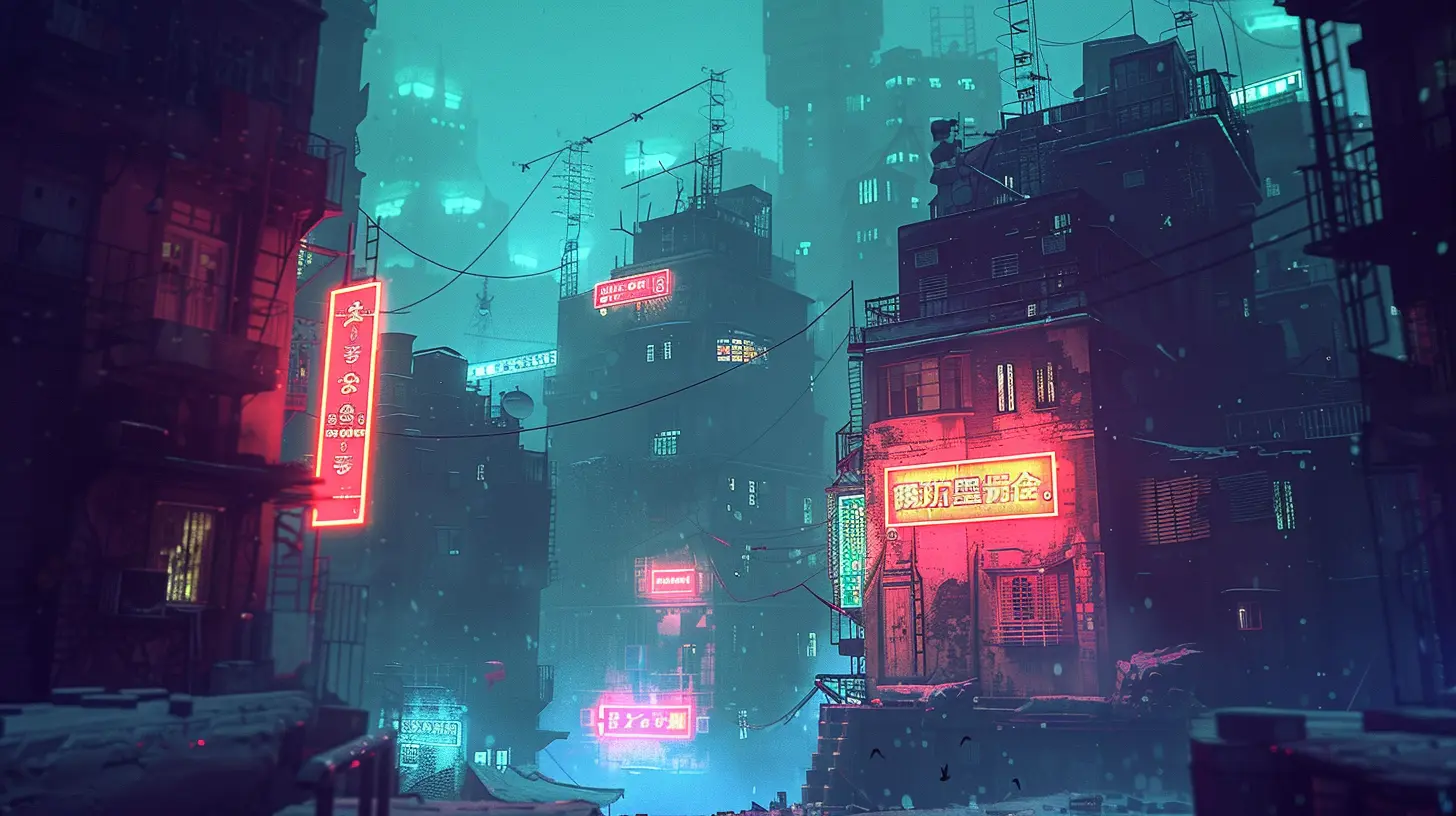
Why Are Gamers Craving These Stories?
Let’s be real for a second—we live in a world overflowing with content. Big-budget games, streaming services, TikToks, you name it. So, what makes someone hit pause on all the noise and dive into a game that feels more like an interactive novel?1. We All Want To Feel Something
You know that feeling when a game makes you cry? Or when you just sit in silence after it ends, processing what just happened?Narrative-driven indie games take you on emotional rollercoasters. They deal with real-life struggles—grief, mental health, identity, love, loneliness. And they do it with a kind of sincerity that’s hard to find in blockbuster titles.
Games like To the Moon and Night in the Woods don’t just entertain—they connect. And in a world that often feels disconnected, that connection is everything.
2. They're Personal. And That's Powerful.
Many indie developers pour their own experiences into their games. That makes the stories feel grounded and authentic. You're not just playing a character—you’re stepping into someone’s shoes and living their truth.When developers aren’t answering to executives or publishers, they get to tell the stories they really want to tell. That freedom leads to some of the most unique and diverse narratives out there.
3. Decision-Making Means More
In narrative-driven indie games, your choices often matter. Like, really matter. These aren't the kind of choices where choosing between a blue or red outfit affects your stats slightly. We're talking about decisions that steer the story’s outcome, affect character relationships, and change how you see the entire game.Think Undertale, where every choice you make literally changes the world around you—and how the characters see you.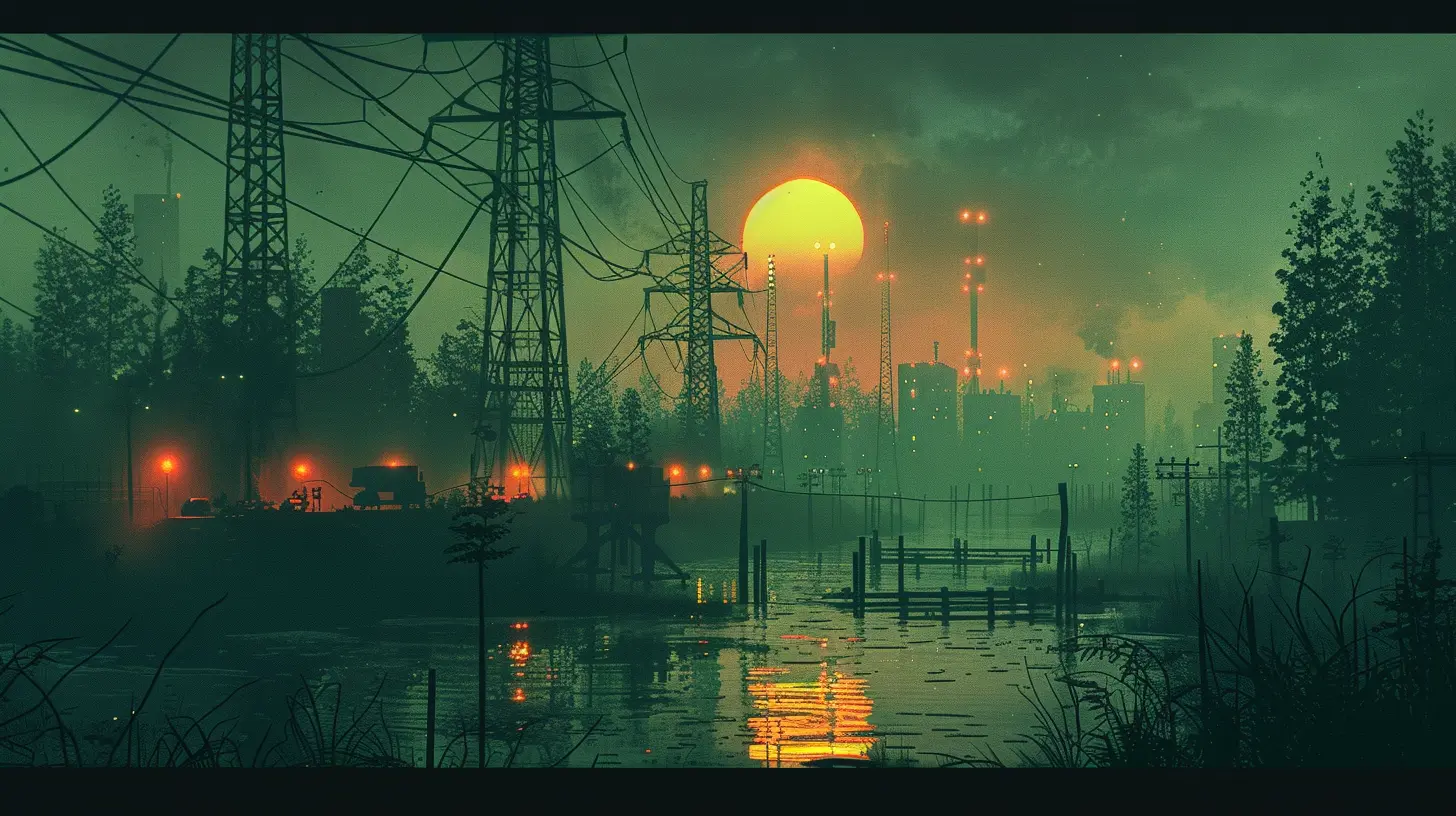
The Indie Revolution: How It Started
You might be wondering—how exactly did indie games rise to this level of storytelling greatness?Let’s rewind a bit.
For years, AAA games dominated the market. And sure, they’re fun (who doesn’t love some Call of Duty mayhem or Assassin’s Creed parkour?). But somewhere along the way, the deeper narratives started slipping through the cracks.
Enter the indie scene.
With digital distribution platforms like Steam, itch.io, and the Nintendo eShop breaking barriers to entry, developers suddenly didn’t need massive budgets or a publisher to get their games out into the world. They just needed passion, skill, and a good story.
Games like Braid (2008) and Limbo (2010) were major catalysts. They proved that small games with big narratives could hit hard—and sell even harder.
That opened the floodgates for an entire generation of storytellers.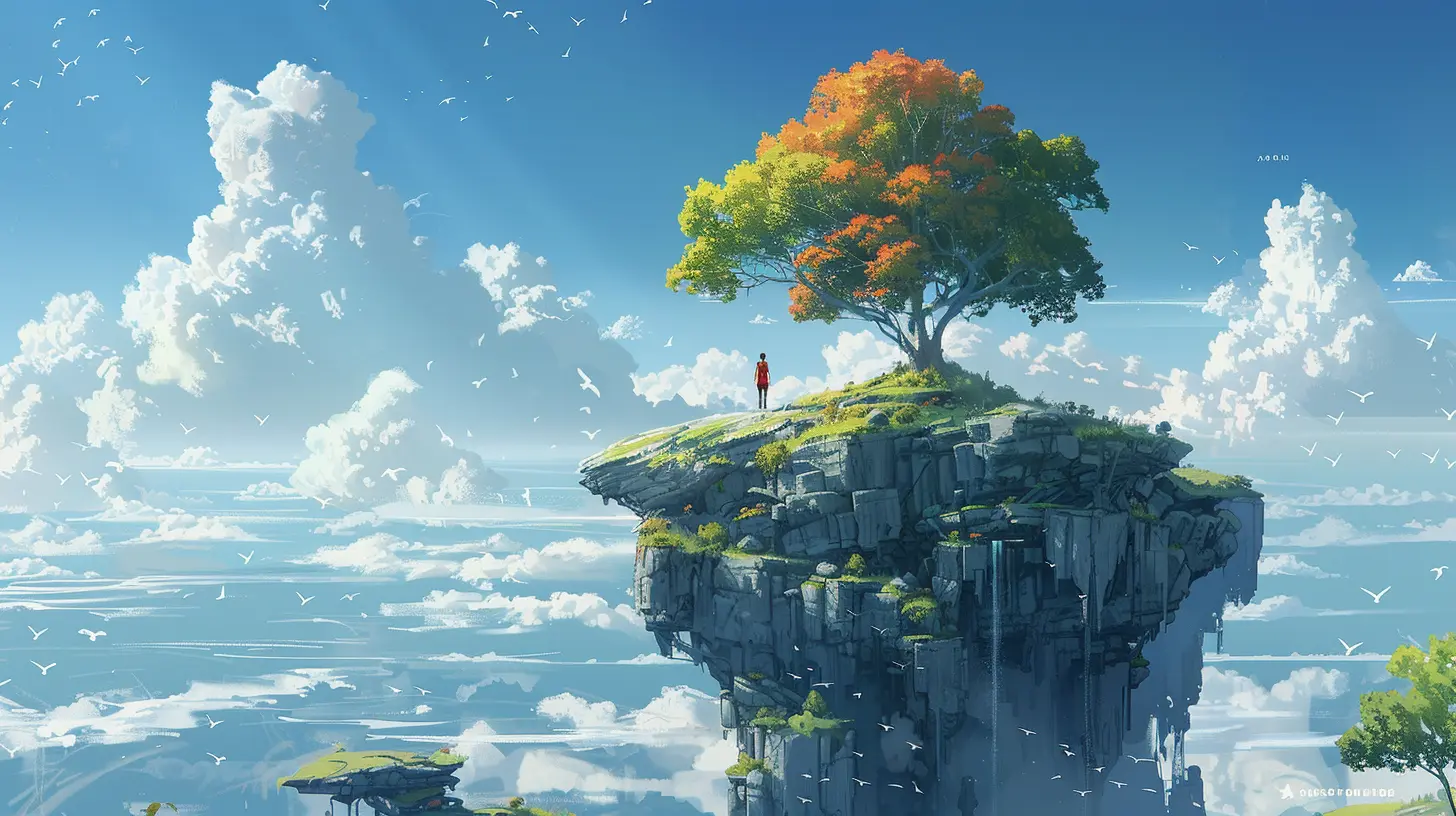
Indie Games vs AAA Titles: Why Storytelling Wins
Not throwing any shade at AAA games, but let’s compare apples to oranges for a second.AAA titles often invest millions into graphics, realism, and massive open worlds. Indie games? They invest in storytelling, character arcs, and emotional weight.
And while big studios sometimes deliver great narratives (The Last of Us, anyone?), they're not always willing to take risks. That's where indie games shine—they're not afraid to get weird, experimental, or uncomfortably honest.
Take Papers, Please, for example. A game about being an immigration officer sounds boring on paper, but in execution? It's a tense moral puzzle wrapped in a story that makes you question your own ethics.
The Top Narrative-Driven Indie Games Worth Playing
Now onto the fun part—what games should you definitely check out if you want to experience the magic of indie storytelling?Here’s a brief list of must-plays:
1. Celeste
A platformer that tackles anxiety, self-doubt, and perseverance. The mountain isn’t just a backdrop—it’s a metaphor for battling your inner demons.2. What Remains of Edith Finch
A beautiful, haunting exploration of a family’s tragic history. Each story in the game is played differently, blending gameplay with narrative in a jaw-dropping way.3. Oxenfree
A supernatural thriller where conversation feels natural and your choices actually affect the outcome. Think Stranger Things meets radio static nightmares.4. Night in the Woods
A slice-of-life game where you play as Mae, a college dropout returning to her small town. It's quirky, funny, and deeply emotional.5. Undertale
You choose to fight or spare enemies—and the game remembers. Your decisions carry moral weight and the narrative reflects every step you take.How Streaming and Social Media Amplified the Indie Narrative Scene
Let’s give credit where it’s due—streamers and content creators played a massive role in boosting the popularity of these games.Narrative-driven titles are absolutely perfect for streaming. Why? Because they prompt emotional reactions, speculation, theories, and debates. Viewers love getting invested in the story just as much as the player does.
A good playthrough can introduce a game to millions. Platforms like Twitch and YouTube have turned indie devs into rock stars overnight.
Plus, thanks to social media, fans can directly interact with developers, share their theories, and create entire communities around a game. It’s beautiful chaos, and it fosters a level of engagement AAA studios envy.
The Future of Narrative-Driven Indie Games
So, where does the genre go from here?Honestly, the sky’s the limit. With tools like Unity and Unreal Engine becoming more accessible, and crowdfunding platforms like Kickstarter breaking down financial barriers, we’re going to see an even bigger boom in narrative-focused titles.
Expect more diversity in storytelling, more cultural representation, and even more experimental gameplay formats. Developers are pushing boundaries every day, combining narrative with disciplines like music, art, and psychology in ways we’ve never seen before.
The lines between game and experience are blurring—and personally? I’m here for it.
Why Gamers Are Choosing Story Over Spectacle
At the end of the day, we all crave stories. It’s part of being human. We want to be moved, seen, heard—even when we’re gaming.Narrative-driven indie games are offering that in spades. They’re not just distractions; they’re reflections of our world, our fears, our hopes, and all the messy stuff in between.
Whether you’re playing for an hour or bingeing into the early morning, these games leave a mark. And in a saturated market full of clones and sequels, that’s pretty rare.
So next time someone tells you indie games are just small-scale time-fillers, ask them—when was the last time a game made you cry?
Thought so.
Final Thoughts
Narrative-driven indie games aren’t just a trend—they’re a movement. A rebellion against the idea that bigger is always better.More than anything, they remind us that at the heart of every great game isn’t just gameplay—it’s a story waiting to be told. And thanks to passionate indie devs, those stories are more powerful, diverse, and emotionally impactful than ever before.
So, if you haven’t yet dipped your toes into the world of narrative-heavy indie gems, what are you waiting for? Your next favorite story is just one download away.
all images in this post were generated using AI tools
Category:
Game StorylinesAuthor:

Tayla Warner
Discussion
rate this article
2 comments
Greta Blair
Exciting era for indie games; rich stories enhance player engagement and creativity!
April 16, 2026 at 3:09 AM
Tayla Warner
Absolutely! It's inspiring to see how indie developers are pushing boundaries and telling unique stories that resonate with players.
Raelyn Newton
Whispers of forgotten tales beckon the unsuspecting.
April 13, 2026 at 5:01 PM
Tayla Warner
Absolutely, there's something magical about how indie games bring those stories back to life, inviting players to discover hidden gems.