The Power of Dialogue in Deepening Game Stories
8 July 2026
Ever sat motionless in front of your screen, controller resting on your lap, captivated not by the action but by a few simple lines of dialogue? That heart-to-heart in a quiet corner, or the sharp-tongued retort that lingered longer than a boss fight? Yeah, me too.
Because in the grand theater of gaming — with all its flashing swords, looming shadows, and exploding galaxies — it’s the whispers, the war cries, and the wounded memories exchanged between characters that truly tug at our souls. Dialogue is the secret sauce, the emotional glue that binds us to a game’s world and the souls who live in it.
So, let’s dive into this lyrical dance of words and pixels — and talk about why the power of dialogue is what makes game stories unforgettable.
Why Words Matter in Digital Worlds
We've all seen it — the jaw-dropping graphics, the sprawling maps, the intense gameplay. But none of that hits home unless the story strikes a chord. And what’s a story without words? Dialogue is how characters breathe. It’s how they become real.In fact, it’s more than just words. It’s context. It’s subtext. It’s charm, wit, grief, and rage. It’s how you know Garrus Vakarian has your back, how Ellie is more than just a survivor, and why Arthur Morgan will haunt you long after the credits roll.
Good dialogue doesn’t just move the plot — it moves us.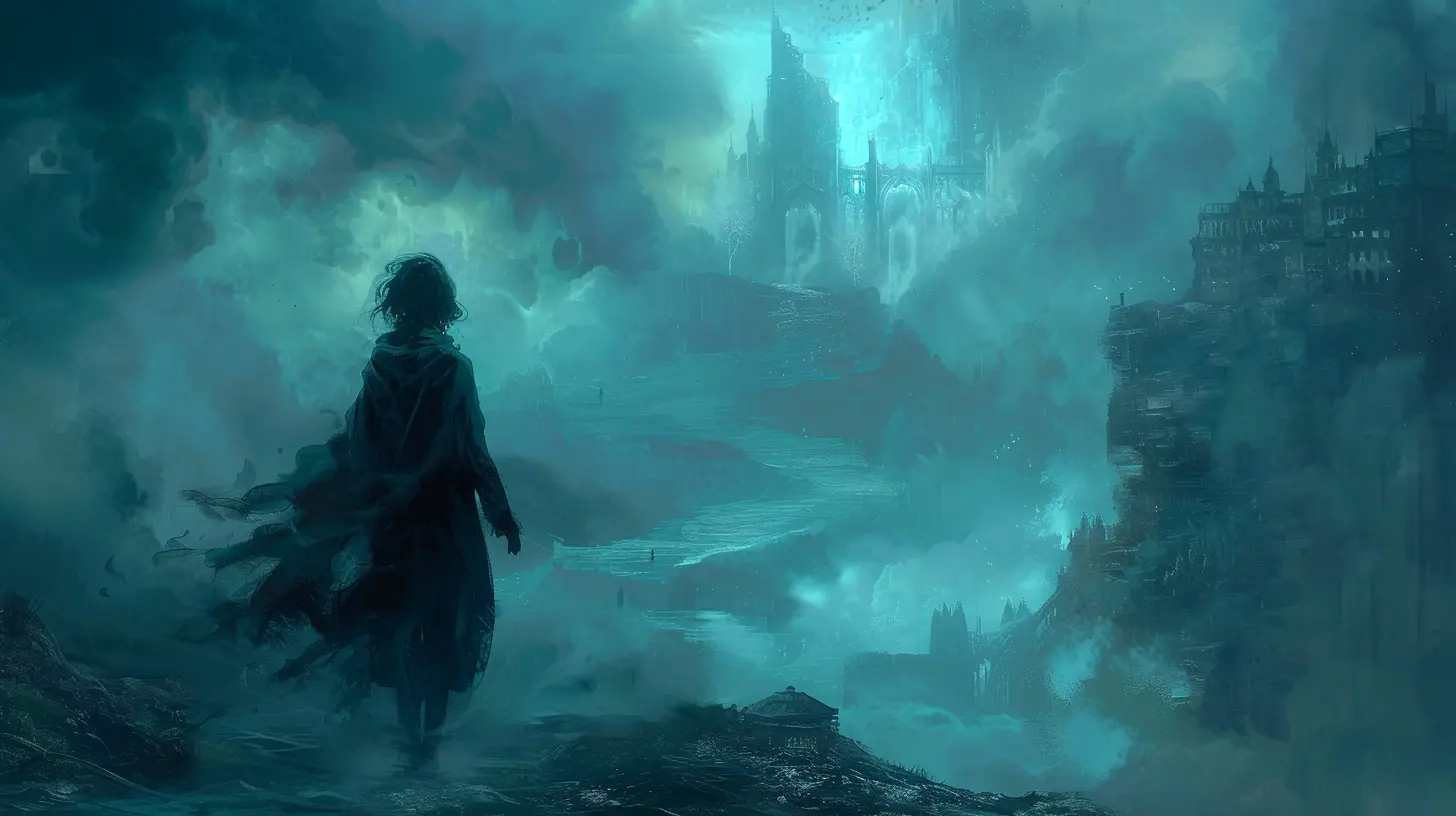
When Silence Speaks Louder: Emotional Impact
Let’s be honest — sometimes, a single phrase in a game hits harder than a final boss. Why? Because it’s not just what’s said, but how it’s said. It’s that catch in a character's voice, the long pause before a confession, the unexpected softness in a brutal world.Take “The Last of Us” — a game brimming with emotional firepower. The dialogue doesn’t shout. It whispers, breaks, hesitates. And we feel it all. The emotional weight of Joel and Ellie’s exchanges builds a bond stronger than any upgrade system.
This kind of writing elevates games from mere playthings to poignant experiences. It's not just storytelling — it's soul-telling.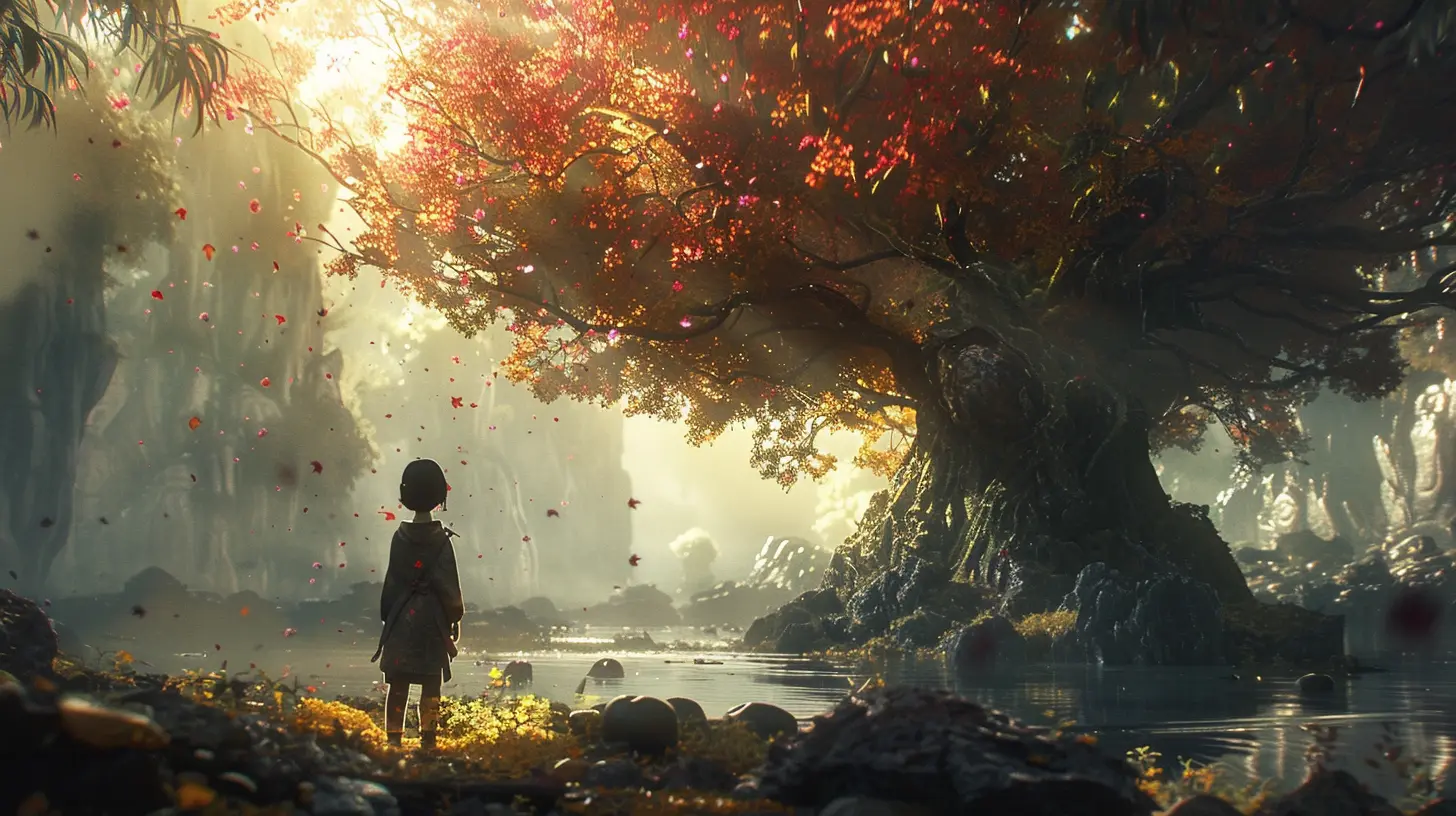
Dialogue as a World-Building Tool
Ever eavesdropped on NPCs just chatting in the background? Not because you had to, but because it felt real? That’s world-building at its finest.Games like “Red Dead Redemption 2” or “Cyberpunk 2077” pack their worlds with ambient dialogue that breathes life into every alley, saloon, or neon-lit street. It’s not exposition thrown in your face. It’s woven into casual banter, jokes, and heated arguments — painting a cultural, social, and psychological map of the game world.
The conversations we overhear, and the ones we take part in, help shape our understanding — and our emotional connection — to the game’s universe.
Player Choice and Branching Dialogue: Your Voice, Your Story
Here’s where it gets juicy. Some games hand you the mic — letting you speak back, argue, persuade, stay silent, or go full chaos mode.Games like “Mass Effect” or “The Witcher 3” give you dialogue wheels where your choices shape not just the outcome, but your identity. Are you the hero? The cynic? The ruthless tactician?
Branching dialogue puts players in the co-writer’s chair. Suddenly, the story isn't just happening to you — it’s happening because of you. And that level of agency? It’s intoxicating.
But it’s also powerful. You feel responsible. The words you pick shape relationships, fates, and moral landscapes. Dialogue stops being just a tool — it becomes a mirror.
Character Development Through Meaningful Dialogue
Let’s face it — you can’t connect with a cardboard cutout of a character. You need depth. Nuance. Growth. And nothing does that better than well-crafted dialogue.Think about Kratos in “God of War.” Stoic, distant, brutal. But as the game unfolds, as he speaks — even reluctantly — to Atreus, those cold edges start to melt. The moments of silence, the careful choice of words, the rare softness — they reveal more than any cutscene ever could.
Characters grow in the way they talk — or don’t talk. Just like in real life.
Humor, Tension, and Timing: Dialogue as a Mood Shifter
Let’s not forget how dialogue can swing a mood. One moment you’re battling the undead, and the next, your companion drops a perfectly timed joke that cracks a grin. Timing is everything.Games like “Portal” master this balancing act. GLaDOS’s dry, sardonic commentary keeps you laughing, even as you're solving life-and-death puzzles. Dialogue becomes both a relief valve and a narrative engine.
The way words are used — dripping with sarcasm, raw with pain, or warm with camaraderie — shifts the emotional tempo. Dialogue sets the rhythm of the ride.
Subtext: What’s Not Being Said
Sometimes, what’s left unspoken says the most.Smart writers use subtext — the real feelings hiding under the surface — to deepen the meaning. Take “Life is Strange,” with its undercurrents of longing, fear, and unspoken love. The real gold is in the looks, the hesitations, the lines laced with double meanings.
We lean in, we read between the lines. We feel more because our brains are doing the emotional math behind those digital eyes.
Voice Acting: Giving Words a Pulse
Even the best-written line can fall flat without delivery. That’s where voice actors come in. When done right, their performances elevate simple text into unforgettable moments.Remember the chills when V speaks in “Cyberpunk 2077”? Or Nolan North’s iconic portrayal of Nathan Drake in “Uncharted”? Voice acting transforms dialogue from sentence structure into soul.
It’s not just what’s said — it’s how it’s said. Tone, pitch, pacing — these bring the script to life and make characters jump off the screen and into our hearts.
Dialogue as a Mechanic: Innovative Uses in Gameplay
Dialogue isn’t just a narrative tool — in some games, it is the mechanic.Think about “Oxenfree.” The entire gameplay revolves around how you talk, when you interrupt, and how you respond. It’s conversation as puzzle-solving. Conversation as survival.
Similarly, in “Disco Elysium,” dialogue trees are vast, complex, and often hilarious. You’re not just choosing lines — you’re navigating your own fractured psyche. It’s a dialogue within a dialogue, and it’s brilliant.
These games break the mold and prove that words can be just as engaging as swords.
The Future of Dialogue in Game Storytelling
With AI and machine learning inching their way into game development, the future of dialogue is more immersive than ever. Dynamic conversation systems, procedural dialogue generation, and emotionally reactive characters could take interactivity to mind-blowing levels.Imagine a future RPG where the NPCs remember not just your actions, but your conversational tone? Where every line of dialogue is unique to your playthrough?
It’s not far-fetched. The tech is growing. But even with all the innovation, one thing will never change — the power of a well-timed, emotionally resonant line. That’s timeless.
Why We Keep Coming Back to Great Dialogue
Games are a symphony — visuals, music, gameplay, and story all working in harmony. And dialogue? That’s the melody you hum long after the game is over.It’s the reason we quote our favorite characters, fall in love with fictional people, and replay scenes just to hear a line again. Dialogue makes us feel seen. It makes pixelated people feel like old friends.
So, the next time you’re deep in a game, and a character says something that gives you goosebumps — pause. Let it sink in. That’s the magic of dialogue doing its work.
Final Thoughts: Speak, and the World Listens
In a world where we often focus on the flashy stuff — ray tracing, frame rates, boss battles — let’s not forget the quiet power of a single line, spoken at the right moment.Dialogue is the heartbeat beneath the surface. It connects us, defines us, and most of all, reminds us that it’s not just about playing a story — it’s about living it through every word.
Because in games, as in life, sometimes the most powerful weapon… is a conversation.
all images in this post were generated using AI tools
Category:
Game StorylinesAuthor:

Tayla Warner
Discussion
rate this article
1 comments
Carmen Kane
Dialogue is the heartbeat of storytelling in games. It breathes life into characters, enriches player choices, and creates emotional connections. Thoughtful conversations can transform a simple plot into a memorable experience, making players feel invested in the game's world and its inhabitants.
July 8, 2026 at 2:42 AM