The Lost Joy of Memory Card Management
19 January 2026
Ah, memory cards. Those tiny plastic rectangles that once held the keys to our childhood gaming memories. Remember the thrill of saving your progress after finally beating that one boss who made you want to throw your controller through the screen? Yeah, me too. In today’s world of auto-saves and cloud storage, it's easy to forget the quirky charm and sometimes frustrating challenge of memory card management. But I’m here to tell you—it wasn’t just about saving data; it was a whole vibe.
So pull up a chair, dust off your PlayStation 2 or GameCube if you’ve still got 'em, and let’s take a trip down memory lane. Let’s talk about the lost joy of memory card management—and why it’s something today’s gamers might never fully appreciate.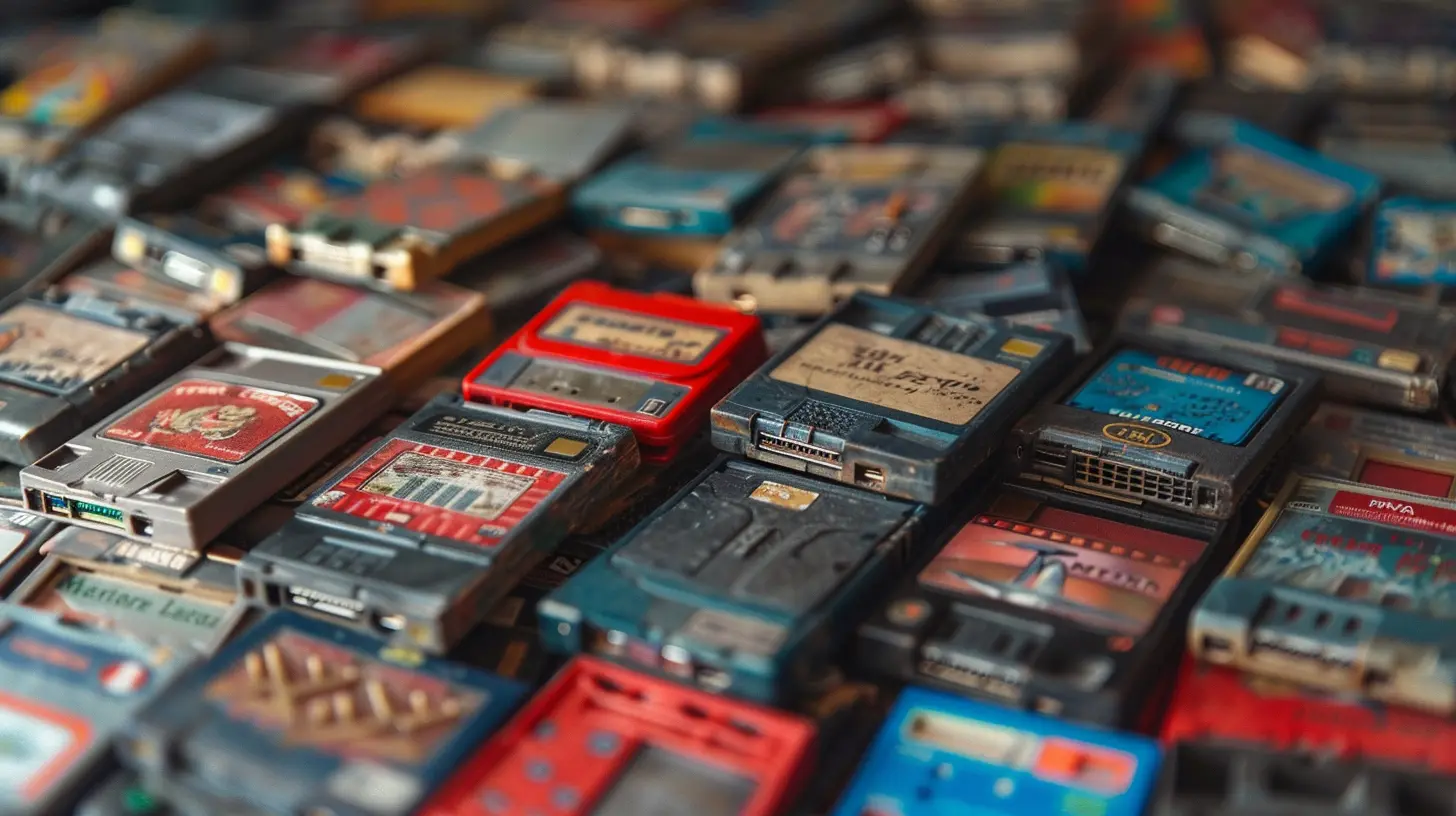
The Golden Days of Memory Cards
A Tiny Slot Packed with Power
Back in the late '90s and early 2000s, memory cards were essential. Whether you had a Sony PlayStation, Nintendo GameCube, or even a Sega Dreamcast, these little storage devices were your digital diaries. They weren’t just accessories—they were necessities.You couldn't load your game or pick up where you left off without one. No memory card? No progress. It was like going on a road trip without your suitcase. You could have the console, the game, and even snacks—but without that memory card, you were starting from scratch every time. Brutal, right?
The Strategy Behind Saving
Managing your memory card was an art form. You had to think strategically. Limited storage space meant you couldn't save every single game at once. You’d find yourself scrolling through the save list, asking, “Do I really need that Ratchet & Clank save from six months ago?”And deleting a save file? Oh man, that was emotional. It felt like erasing a part of your past. “Goodbye, Final Fantasy X save file with 110 hours of gameplay. You were a real one.”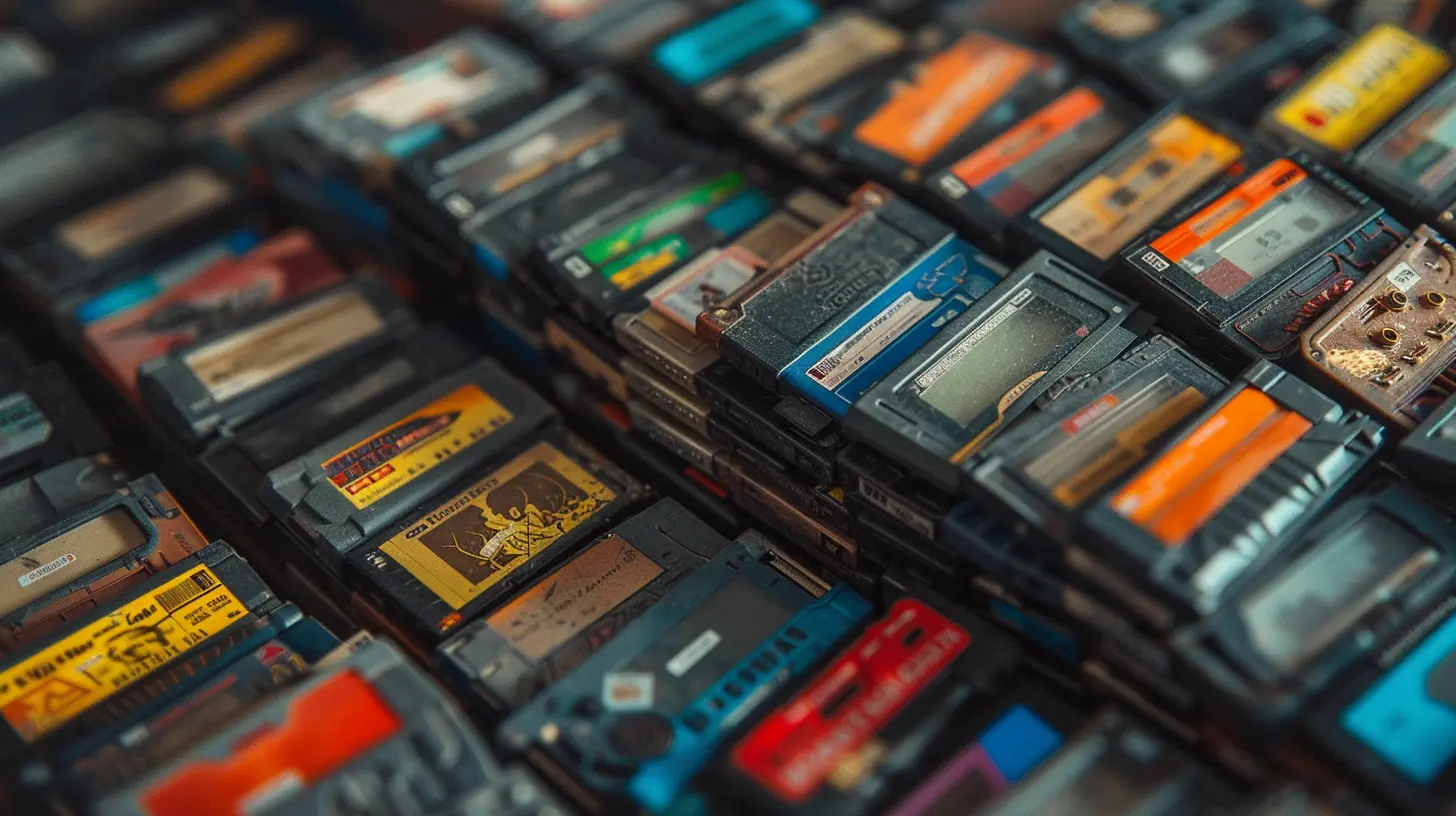
The Built-in Drama of Limited Storage
Space was Precious
Memory cards didn’t give you much. For instance, the standard PS1 memory card had a whopping 15 blocks. That was it. Some games took up just 1 block. Others? They hogged 6 or even 10. You had to prioritize—and sometimes sacrifice—just to make room for a new save.Compare that to today’s terabyte-sized hard drives and you’ll quickly realize how spoiled we are. But back then, this constraint added a weird sense of excitement. It made every decision important. It made you value your progress more. You didn’t just save after every little thing. You waited. You planned.
Memory Card Corruption? Pure Heartbreak
There was nothing worse than seeing the dreaded “File Corrupted” message. It felt like your soul had been punched. All those hours, gone. And you couldn’t do anything about it. You just sat there, staring at the screen, mourning your lost progress.It was harsh, but in a way, it taught us resilience. It was another layer of the gaming experience—an unpredictable one, sure—but one that made completing a game feel even more triumphant.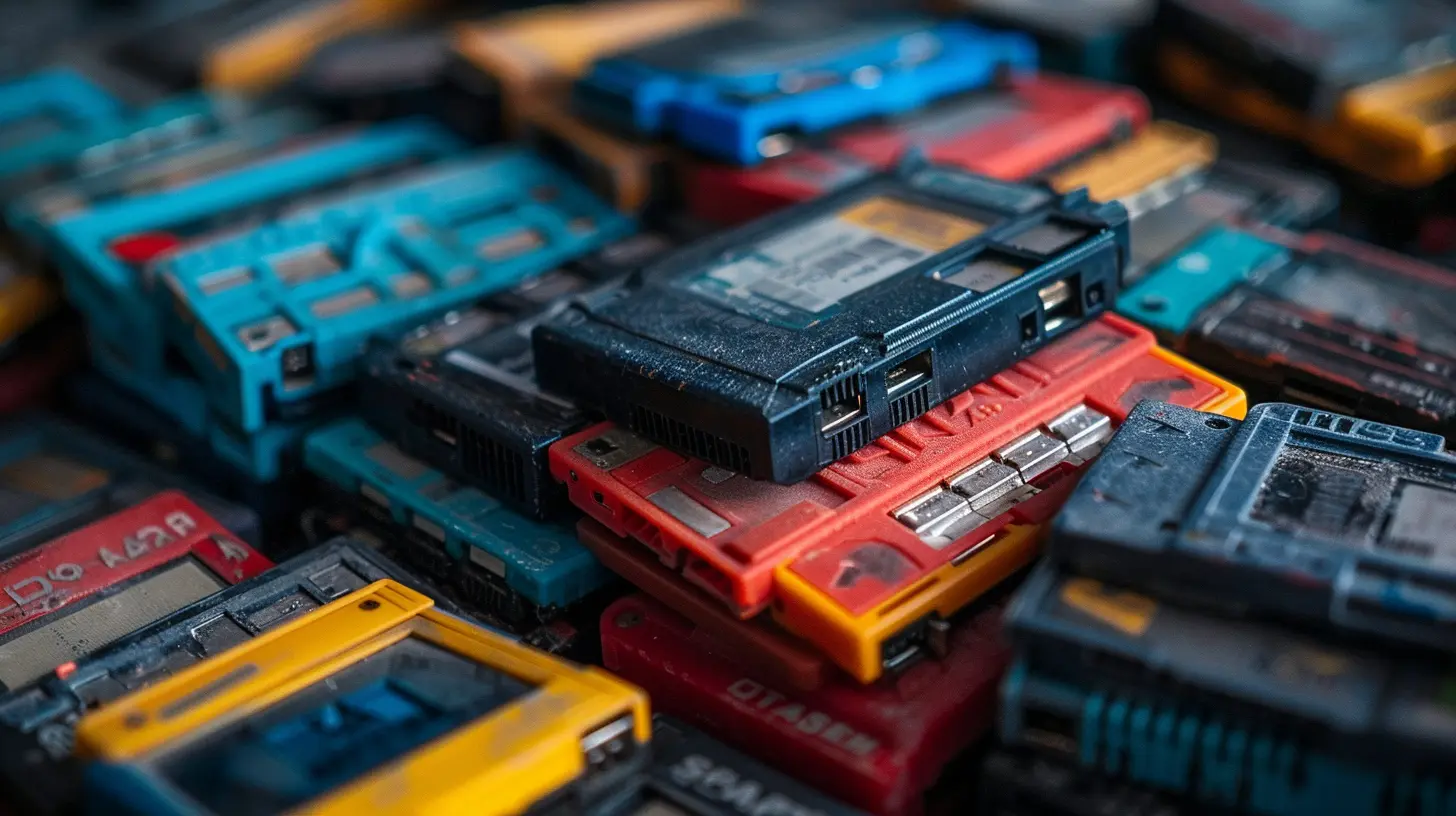
Personalization and Ownership
Every Card Told a Story
Some gamers had multiple memory cards. One for RPGs. One for sports games. One just for backups (because we learned the hard way). And if you were especially nerdy—like I was—you labeled them. Color-coded stickers, Sharpie markings, even little doodles.That tiny piece of plastic became yours. It held your story—like a personal time capsule. You could plug it into a friend’s console and bring your game world with you. And that was kinda magical.
Friends, Swaps, and Sleepovers
Let’s not forget how memory cards made multiplayer gaming more social. You’d bring your memory card to your friend’s house to show them your progress in a game—or to continue a co-op campaign you’d both been grinding through.There was something beautifully tangible about it. Like swapping mixtapes, but with RPG saves and custom rosters in Tony Hawk’s Pro Skater.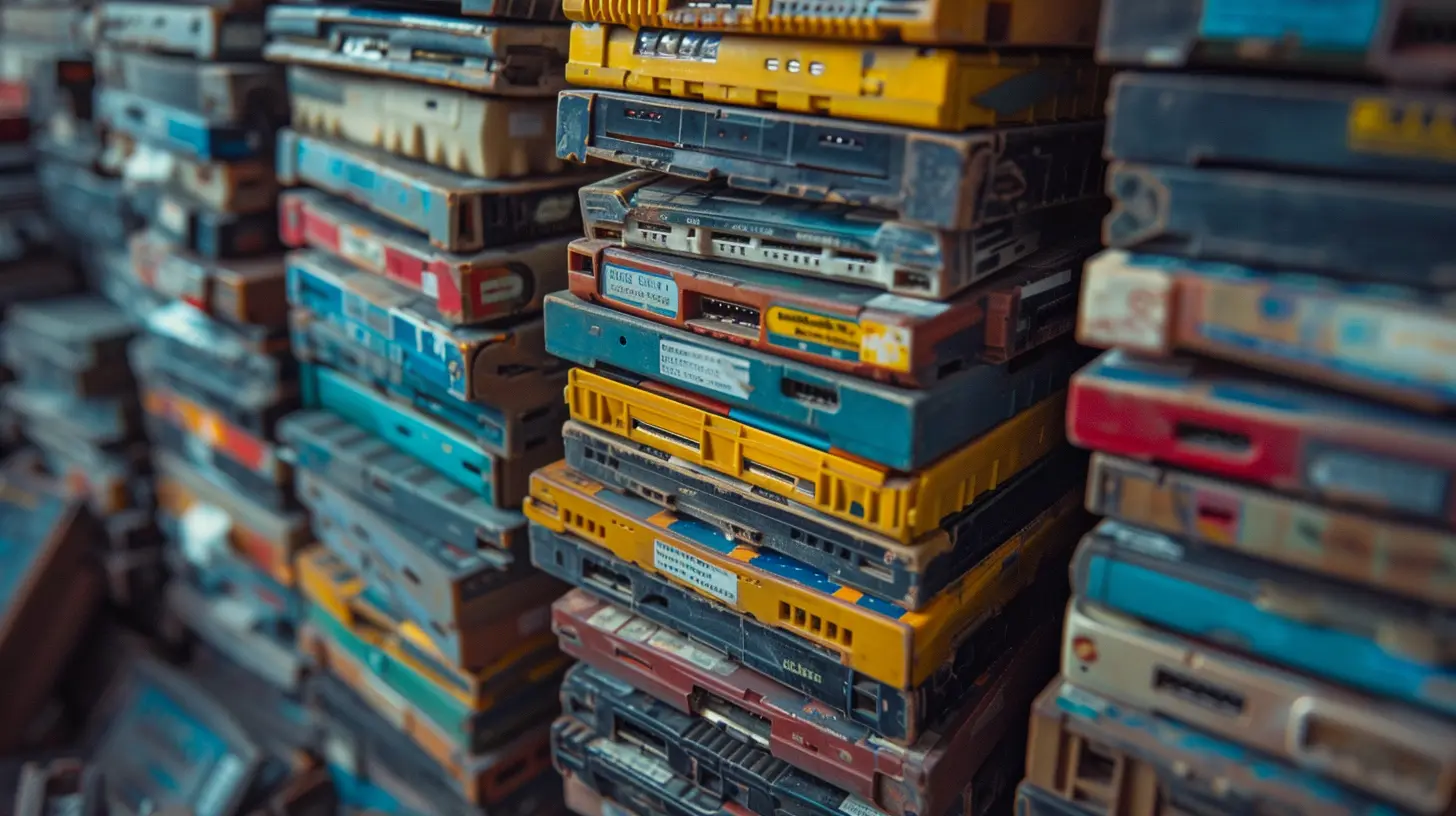
The Shift to Cloud Storage
All Gain, No Pain?
Fast forward to today. We’ve got cloud saves, auto-backups, and auto-saves on top of auto-saves. You never have to think about managing data anymore—it just happens in the background.Yes, it’s convenient. Yes, it's important in a world where time is short and distractions are infinite. But... is it better?
I mean sure, you won’t lose 40 hours of Skyrim progress because your sibling yanked the plug mid-save. But you also don’t get the same feeling of responsibility. Of intentionality. There’s a kind of passive detachment in modern save systems. There’s less ownership.
Risks of Automation
And let’s be honest—automation isn’t always perfect. Cloud saves can get corrupted or overwritten. Ever booted up a game and found that your auto-save was just before a boss fight with no health or ammo? Yeah. Not fun.There’s a certain comfort in a manual save. You know what you saved. You know where. And that confidence? That was gold.
The Ritual of Saving
The Save Screen—A Moment of Peace
Remember the sound of a PS1 memory card loading? That soft “whoosh” as it checked the storage? Or the way Nintendo games gave you cheerful little chimes when a save file was created or loaded?It was a ritual. The save screen wasn’t just a UI—it was part of the game. You’d sit there, watching that icon spin or glow, knowing that your journey up to that point was being preserved.
Creative Save Files
Some games had actual save-file artwork. Little icons that showed your character, your level, or even a tiny scene from your last checkpoint. It was a small thing—but it made the save file feel like a trophy. Like a “You Were Here” marker on the map of your gaming life.Why We Miss It More Than We Admit
It Wasn’t Just Storage—It Was Connection
Memory cards connected you to your games in a tactile, meaningful way. You managed your saves manually. You made choices. You felt the weight of those decisions.Today’s systems are smarter. They handle things for us. But they also take something away. Like a GPS that knows the way but doesn’t let you take the scenic route.
Gamers Then vs. Gamers Now
New-school gamers might never know the frustration of not having enough space to save. Or the panic of realizing you forgot your memory card at home. But they’ll also never get that strange little rush of victory every time they did save successfully.In an age of instant gratification, memory card management forced us to slow down and think. To pay attention. And in doing so, it made gaming feel more immersive.
Nostalgia or Necessity?
So was memory card management actually “better,” or are we just wearing nostalgia goggles?Honestly? Maybe a bit of both.
Modern save systems are easily superior from a technical standpoint. But that doesn’t mean we shouldn’t appreciate where we came from. Sometimes, the limitations of the past made things more meaningful. More personal. More... us.
Can It Come Back?
Not likely—at least not in the same form. But there’s definitely a case for games reintroducing elements of memory card management—like manual save slots, visual save icons, or even integrated memory-based challenges that pay homage to the classic days.Even just the option to engage with your saves more personally could add another layer to the gaming experience.
Final Thoughts
Memory card management wasn’t perfect. Far from it. It was clunky, frustrating, and sometimes heartbreaking. But it was also charming, engaging, and deeply human.It made gaming feel a little more analog in a digital world. Something you touched, something you owned, something that could be lost—and because of that, something you truly valued.
So the next time you see that little floppy disk icon in a game, take a moment. Think about that tiny plastic card that used to carry your digital dreams. And maybe, just maybe, give a little nod to the lost joy of memory card management.
all images in this post were generated using AI tools
Category:
Gaming NostalgiaAuthor:

Tayla Warner
Discussion
rate this article
2 comments
Silas McCaw
Remembering the thrill of memory card management adds nostalgia. Cherish those moments; they shaped our gaming journeys!
January 20, 2026 at 3:49 AM
Tayla Warner
Absolutely! Those moments were a unique part of gaming that truly enhanced our experiences. Thank you for sharing!
Caelum Pruitt
Ah, the nostalgia of memory card management! It’s like organizing a digital sock drawer—endless fun and the occasional “where did I save that epic boss fight?” moment. Happy saving! 🎮✨
January 19, 2026 at 4:10 AM
Tayla Warner
Absolutely! It’s a unique blend of strategy and nostalgia—organizing those cards was almost an art form. Happy gaming! 🎮✨