The Importance of a Strong Antagonist in Game Storytelling
29 May 2026
If you've ever played a game and felt truly hooked by its story, chances are there was a memorable villain pulling the strings. Whether it's a cunning mastermind, a twisted tyrant, or a misunderstood antihero, a strong antagonist can make or break a game’s narrative. And yeah, we all love smashing through enemies and chasing loot, but it’s often the villain that lingers in our minds long after the credits roll. Let’s talk about why that is.
Why Do Antagonists Matter So Much in Games?
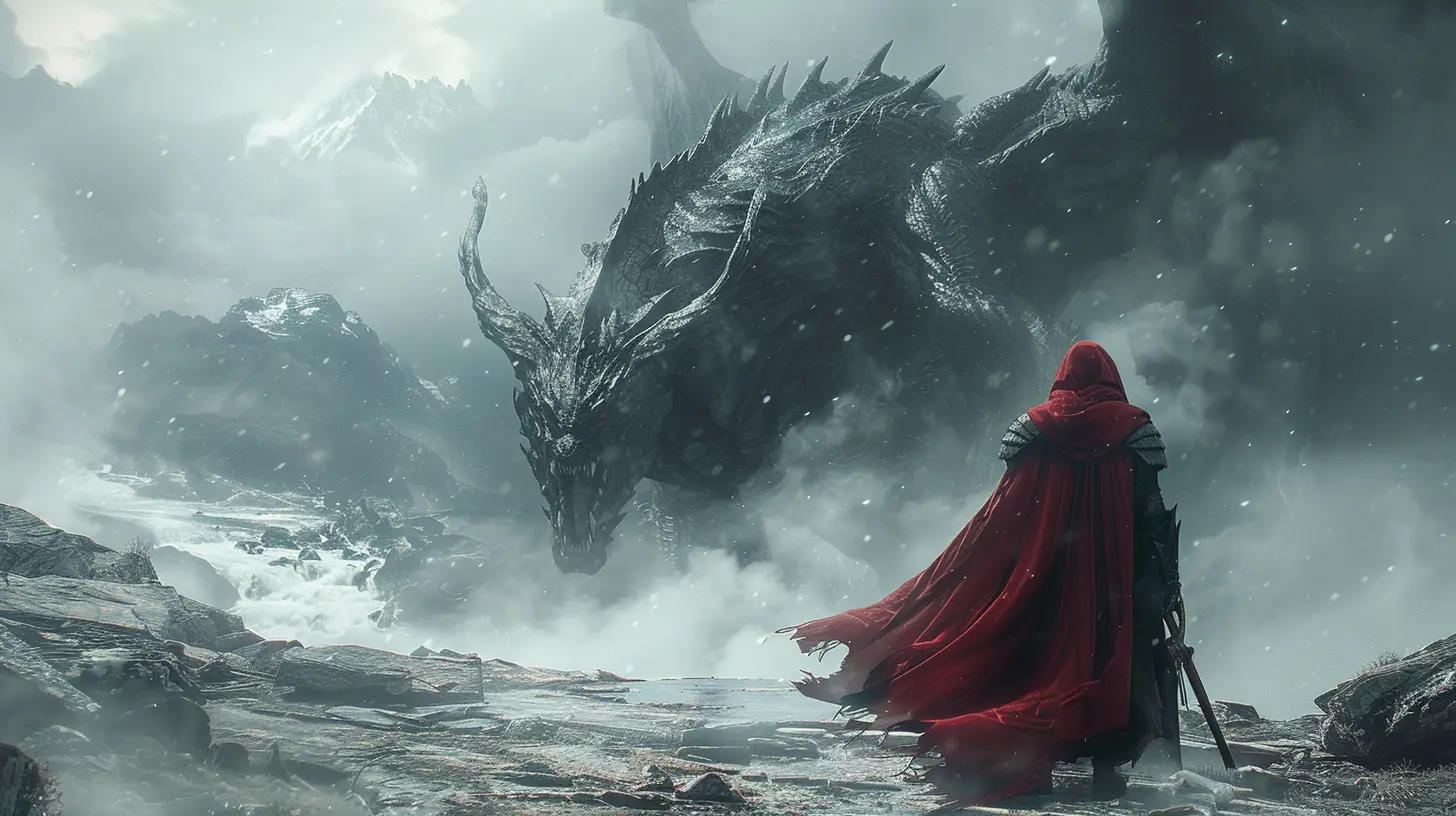
Let’s face it: without conflict, there’s no story. In games, that conflict usually takes shape around an antagonist—the character or force that opposes the hero. But it’s not just about being “the bad guy.” A well-crafted antagonist brings depth to a game. They give the player a reason to care, to fight, and honestly, to keep playing.Think about it. Would you really enjoy a game where you’re just strolling through levels without any obstacles, no major villain, and no emotional stakes? Probably not. Antagonists create tension, drive the plot, and evoke emotional responses. They’re the yin to the hero’s yang—without them, the story feels flat.
What Makes a Great Game Antagonist?
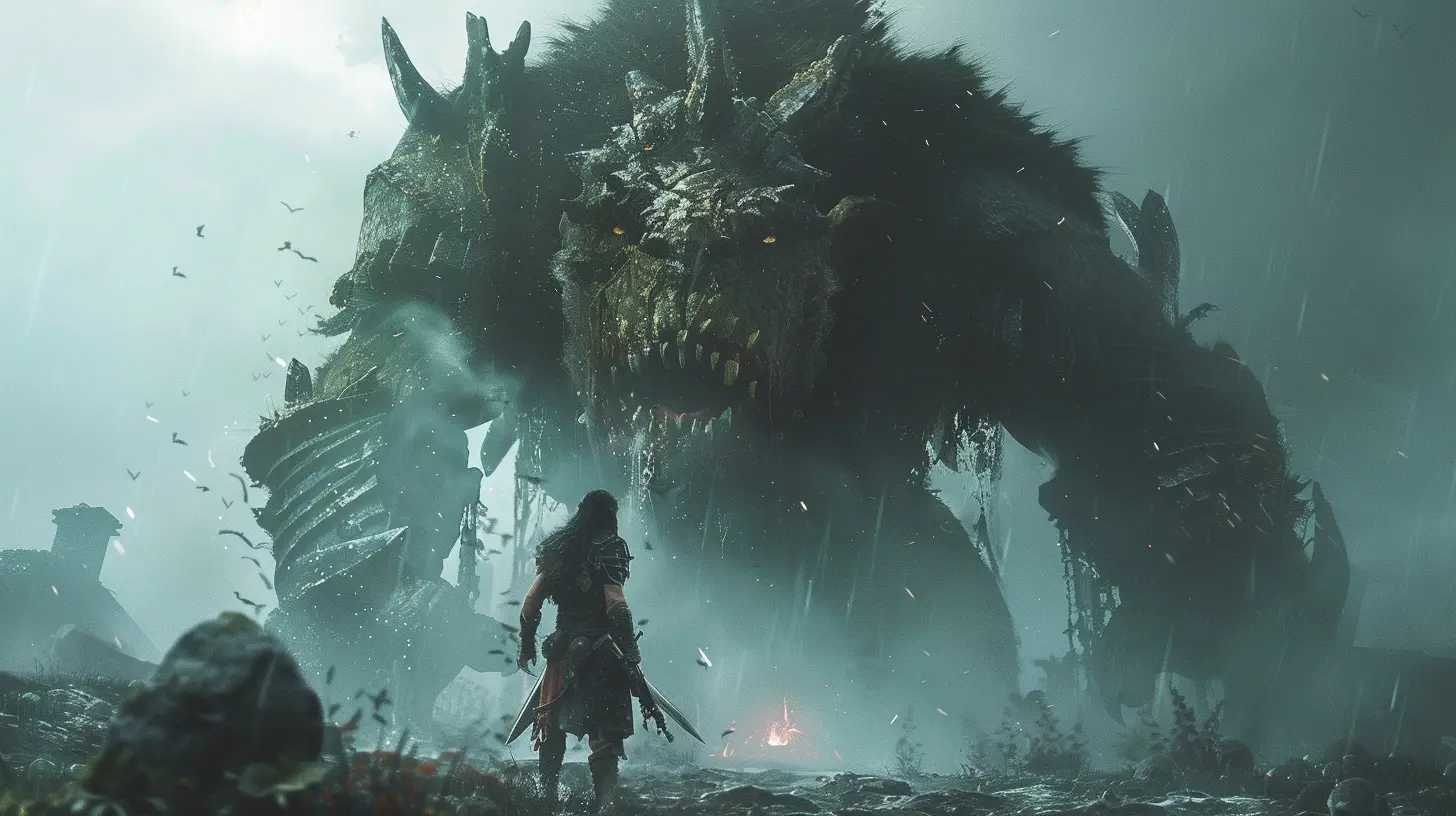
Not all villains are created equal. Some are forgettable speed bumps on your journey, while others become pop culture icons (hello, Sephiroth). So, what separates a strong antagonist from a bland one?1. Clear Motivation
A solid antagonist has a reason for doing what they do. It’s not enough to just be “evil.” The best villains think they’re the hero of their own story. Maybe they’re trying to create order in a chaotic world, or perhaps their past trauma shaped their ruthless mindset. You might not agree with them, but you get where they’re coming from.Take Handsome Jack from Borderlands 2. He’s hilarious, charismatic, and utterly delusional. But his motivation—to bring “peace” to Pandora in his own twisted way—makes him more interesting than your typical bad guy.
2. Personal Connection to the Protagonist
When the villain has a personal stake in the hero’s journey, the story hits harder. It’s one thing to battle a faceless boss—it’s another when that boss used to be your friend, your mentor, or someone who destroyed your world.Look at Final Fantasy VII. Sephiroth isn’t just a powerful foe. He’s tied to Cloud’s past, his trauma, and his identity. That emotional link makes their rivalry unforgettable.
3. Presence Throughout the Game
A strong antagonist doesn’t just show up at the end. They’re present throughout the game, either directly or through the consequences of their actions. They cast a shadow over the journey. You feel their presence even in quiet moments.Games like Far Cry 3 nailed this. Vaas is in your face, messing with your head, and always one step ahead. That constant pressure keeps players invested.
4. Evolving Threat
The best villains adapt. They don’t just sit in a tower waiting to be defeated. They react to your progress. They get smarter, more dangerous, and sometimes, more desperate. This evolution keeps players on their toes.In Resident Evil Village, Lady Dimitrescu starts as a looming threat, and once you engage with her directly, the stakes shift. That kind of dynamic storytelling keeps the gameplay fresh and the narrative engaging.
How Antagonists Shape Player Experience
Now that we’ve broken down what makes a good villain, let’s talk about how they impact gameplay and emotional involvement.Elevating the Stakes
Without something—or someone—actively working against you, the game lacks urgency. A good antagonist raises the stakes, making your victories sweeter and your failures more gut-wrenching.When you face off against GLaDOS in Portal, every puzzle you solve feels like a small rebellion. Each snarky insult she throws your way reinforces the tension. She's not just an obstacle; she’s a force pushing back, making you want to push harder.
Fueling Character Growth
Heroes don’t grow in a vacuum. They’re forged in conflict. A strong antagonist challenges the protagonist to evolve, to overcome fear, and to rise beyond their limits.Kratos from God of War is a prime example. His battles with gods push him to confront his past, deal with his rage, and eventually learn what it means to be a father. Without those towering foes, his emotional arc wouldn’t hit nearly as hard.
Driving Narrative Momentum
Let’s be real — a good villain makes you want to see what happens next. You want to track them down, confront them, understand them, and sometimes, even pity them.Games like The Witcher 3 use antagonists like Eredin and the Wild Hunt to keep the player moving forward. Every clue, confrontation, and close call pulls you deeper into the story.
Types of Antagonists in Games
Not every villain fits the same mold. Here are some common types you'll see in games:The Power-Hungry Tyrant
Think Ganondorf from The Legend of Zelda or Arcturus Mengsk from StarCraft. These characters crave control, often ruling with an iron fist. They’re classic, but when written well, they’re anything but boring.The Shadowy Puppet Master
These are the characters pulling strings behind the scenes. They may not get their hands dirty, but their influence is everywhere. Andrew Ryan from BioShock is a perfect example, challenging your beliefs while hiding in plain sight.The Tragic Villain
These are the heart-wrenchers. They're not evil for evil’s sake — they’ve been pushed to the edge. Think of The Illusive Man in Mass Effect 3 or Arthas from Warcraft III. You might hate what they’ve become, but you understand why.The Monster
Whether human, alien, or something in between, monstrous antagonists like Nemesis (Resident Evil 3) or the Xenomorph in Alien: Isolation terrify and thrill. They’re primal, unstoppable, and often symbolize deeper fears.Antagonists in Multiplayer and Open-World Games
You might be thinking, “But what about games without a clear narrative? Like online shooters or sandbox games?”Good question. Even these games benefit from antagonist-like figures. Maybe it’s a rival player, a faction, or a harsh environment like in Rust or Ark: Survival Evolved. Conflict fuels interest. Whether it’s scripted or organic, having something to push against keeps players coming back.
In open-world games like Red Dead Redemption 2, antagonists can be spread out, hidden among corrupt systems, rival gangs, or even internal moral dilemmas. The world itself becomes the antagonist in some ways.
Modern Trends: Complex Villains and Moral Grey Areas
Something we’re seeing more of lately? Villains who aren’t entirely wrong. Games are exploring moral ambiguity more than ever. Players are often put in situations where the antagonist’s actions, while extreme, come from a place of truth.In Spec Ops: The Line, you’re left questioning who the real villain is. Similarly, in The Last of Us Part II, the perspective shifts so drastically that players are forced to empathize with someone they once despised.
These narratives challenge players emotionally and intellectually, creating lasting impressions and sparking endless online debates.
Creating a Villain That Players Love to Hate
Game developers have a tough task here. You want the player to loathe the villain just enough to stay motivated — but not so much that they rage-quit. Striking this balance is an art.Tips for Crafting a Memorable Antagonist:
- Give them charm. Even the most twisted villain is more interesting if they’re likable in some way.- Make them unpredictable. Keep players guessing.
- Let them win sometimes. Setbacks make the eventual victory more satisfying.
- Tie them into the world. They should be part of the game's lore, culture, and history.
- Use voice acting and visual design wisely. A great performance or unique look can elevate a villain instantly.
Final Thoughts
At the heart of every great game story is conflict, and at the heart of that conflict is a strong antagonist. Whether it's someone you fear, hate, admire, or grudgingly relate to, a well-written villain keeps players emotionally hooked and deeply motivated.So next time you boot up your favorite RPG or shooter, pay attention to the antagonist. Chances are, they're doing more than just making your life miserable—they’re making the game unforgettable.
all images in this post were generated using AI tools
Category:
Game StorylinesAuthor:

Tayla Warner
Discussion
rate this article
1 comments
Icarus Potter
A strong antagonist can elevate a game's narrative by providing depth and challenge. Their motivations and complexities create engaging conflicts that resonate with players, making the journey more immersive and memorable. Great insights in this article!
June 2, 2026 at 4:46 AM
Tayla Warner
Thanks for the kind words! I'm glad you found the insights valuable. A strong antagonist really can transform the experience.