The Hidden Learning Potential in Puzzle and Strategy Games
22 June 2026
Let’s talk about something that often gets brushed aside when we talk video games—learning. No, I’m not talking about dry educational games that feel more like a school assignment than actual fun. I’m talking about real, brain-tickling learning that happens when you're completely immersed in solving a complex puzzle or plotting your next move in a strategy game.
Yeah, that’s right. Games like Sudoku, Portal 2, Civilization, or even a mobile escape room app aren’t just good for killing time—they’re low-key building your brain muscles every time you hit "New Game."
So buckle up, because we’re about to dive deep into the hidden learning potential in puzzle and strategy games. You might be surprised by just how much you're picking up while you're trying to avoid a checkmate or place that final Tetris block.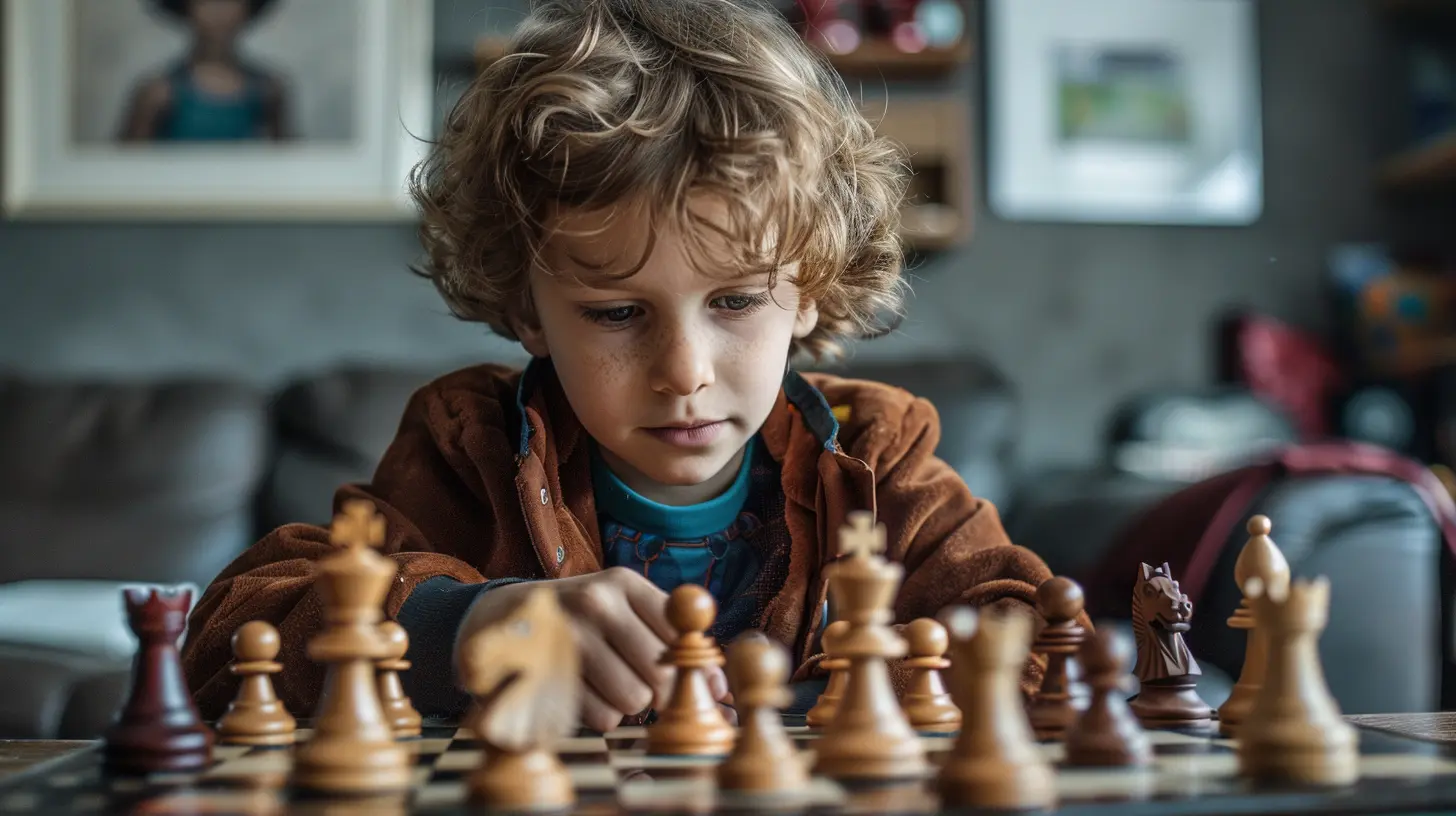
What Makes Puzzle and Strategy Games So Addictive?
Let’s kick things off with the basics. Why do we even love these games so much?Is it because of the challenge? The sense of victory when everything clicks into place? Or maybe it’s just that satisfying "aha!" moment that keeps us coming back?
Puzzle and strategy games work like a mental gym. They test your patience, force you to think several steps ahead, and reward you with a sweet dopamine hit when you finally crack the code or conquer a level.
Unlike fast-paced shooters or sports games, puzzle and strategy titles are all about the brain. They’re slower and more deliberate. There's no button mashing here—just good old-fashioned thinking.
Cognitive Skills That Get a Serious Upgrade
You might think you're just playing for fun, but your brain is doing some heavy lifting behind the scenes. Here’s what’s really going on upstairs:1. Problem-Solving Skills
At the core of every puzzle or strategy game lies a problem that needs solving. Whether it’s figuring out how to escape a locked room or managing resources in a city-building simulation, you’re constantly analyzing information and testing solutions.These skills don’t just vanish when you turn off the game. They spill over into real-life situations, too—like when you’re organizing your day, solving a work issue, or planning a vacation.
2. Critical Thinking
Games like XCOM, Fire Emblem, or Civilization teach you to think critically. Every action has a consequence, and reckless choices can lead to failure. You learn to anticipate outcomes, evaluate risks, and make decisions efficiently.It’s like playing chess—but instead of battling one opponent, you’re up against systems, rules, and often unpredictable events.
3. Memory and Concentration
Trying to solve a complex puzzle? You’ll need to remember patterns, sequences, or codes. Your memory gets a solid workout, especially in games like The Witness or Professor Layton, where attention to detail is everything.These games also demand focus. You’ve got to stay locked in if you want to win, and that kind of concentration can sharpen your mind over time.
4. Strategic Planning and Foresight
In strategy games, you can’t just wing it. You need to plan for the long term. That means setting goals, managing limited resources, and adapting to an ever-changing environment. It’s like being a project manager, but with orcs or alien invaders.This teaches real-world skills like budgeting, time management, and anticipating obstacles before they hit you in the face.
Emotional Intelligence and Patience? Yes, Please
We often focus on the mental benefits of these games, but let’s not forget the emotional side of things.1. Building Patience and Resilience
Let’s face it—some puzzles make you want to throw your controller across the room. But that frustration? It’s actually useful. Over time, you get better at dealing with setbacks. You learn to retry, reevaluate, and push through difficulties.That kind of resilience isn’t just important in games—it’s crucial in life.
2. Learning from Failure
In real life, failure stings. But in games, failure is part of the process. You mess up, you try again, and you improve. It creates a safe space to fail without judgement and helps you develop a growth mindset.That’s the kind of mindset that drives innovation, creativity, and success.
Real-Life Applications of Gaming Skills
You might be thinking, “Sure, these benefits sound great—but do they actually help me outside of gaming?”Absolutely. Here’s how:
1. Academic Performance
Research shows puzzle and strategy games can improve math, logic, and reading skills. They help with pattern recognition, sequencing, and critical reading—skills that come in handy when you’re tackling tricky coursework or standardized tests.2. Career-Boosting Skills
Believe it or not, employers love the types of soft skills you develop through gaming:- Decision-making under pressure
- Strategic thinking
- Collaboration (in multiplayer modes)
- Time and resource management
That’s why more companies are starting to use game-like simulations in training!
3. Everyday Problem Solving
Lost in a new city? Trying to fix your busted Wi-Fi? Planning a road trip route? These are all situations where you use the same problem-solving and strategic thinking skills you picked up from your favorite games.Educational Games vs. Learning Through Fun
Now, I know what you’re thinking: “Aren’t educational games the ones meant for learning?”Well, yes and no. Educational games are often designed with a clear learning objective, like teaching history or math. But puzzle and strategy games offer what I like to call “stealth learning.” They don't tell you they’re educational—but they sneak in valuable lessons anyway.
It’s like hiding veggies in a burger. You’re getting the nutrition without even realizing it!
Games like:
- Portal 2 — Teaches physics, logic, and spatial skills.
- Civilization VI — Offers a crash course in history, politics, and diplomacy.
- Mini Metro — Introduces systems thinking and urban planning.
- Kerbal Space Program — Explores science and engineering in the most entertaining way possible.
The Social Side of Solo Gaming
You might think puzzle and strategy games are solo adventures, but there’s often a strong social element involved.Whether it's sharing solutions on Reddit, collaborating on co-op puzzles, or making long-term alliances in strategy games, you're developing communication and teamwork skills. Plus, it’s nice to geek out about game mechanics with fellow enthusiasts, right?
How Parents and Educators Can Use These Games
If you’re a parent or teacher wondering if these games are worth your time—spoiler alert: they are.Used correctly, puzzle and strategy games can be powerful tools for engagement in the classroom or at home. They can promote critical thinking, encourage persistence, and even help with emotional regulation.
Set up a game night with your kids or suggest a game-based project in school—it might just spark a love for learning where least expected.
Tips for Maximizing the Learning Experience
Alright, you're convinced. But how do you make sure you're not just playing aimlessly?Here are a few quick tips:
1. Reflect after playing – What did the game teach you?
2. Set goals – Try to solve problems in different ways.
3. Mix it up – Play both short-form puzzles and long-term strategy games.
4. Discuss – Talk about the game with others. You’ll learn even more by sharing perspectives.
5. Challenge yourself – Don’t always play on Easy Mode. Growth comes from struggle.
Final Thoughts: Smart Fun is the Best Kind
Puzzle and strategy games are way more than just entertainment. They’re brain workouts, emotional bootcamps, and sometimes even digital classrooms—all wrapped in a layer of fun.So next time someone tells you gaming is a waste of time, just smile and say you’re training to be a mental ninja.
Because let’s be real—there’s nothing more powerful than having fun while getting smarter.
all images in this post were generated using AI tools
Category:
Parental Guide To GamesAuthor:

Tayla Warner
Discussion
rate this article
1 comments
Bryson Robinson
Great insights on how puzzle and strategy games enhance critical thinking and problem-solving skills.
June 22, 2026 at 4:37 AM
Tayla Warner
Thanks for your feedback! I'm glad you found the insights valuable. Puzzle and strategy games really do offer unique opportunities for skill development.