The Charm of Pixelated Horror Games
5 July 2026
There’s something oddly mesmerizing about pixelated horror games. They don’t have hyper-realistic graphics or million-dollar cutscenes. No ray tracing, no 4K jump scares, just chunky pixels and eerily catchy chiptunes. And yet—somehow—they manage to crawl under your skin and haunt your dreams. Why is that?
Welcome to the quirky, creepy, and nostalgia-loaded world of pixelated horror games. If you’ve ever wondered how a bunch of tiny squares can freak you out more than a $60 AAA title, buckle up. We're about to deep-dive into the weird beauty that makes these games so special.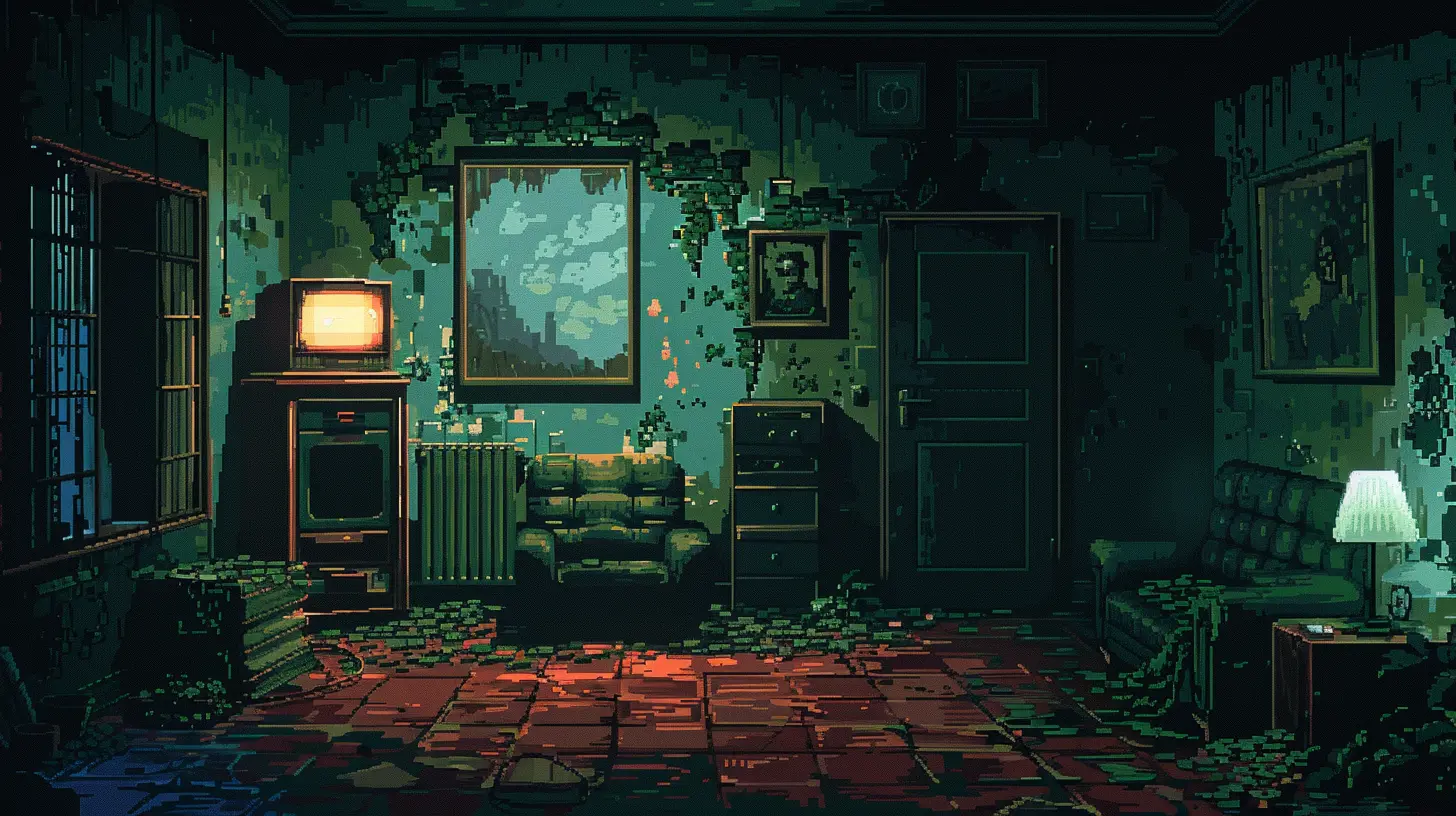
What Are Pixelated Horror Games Anyway?
Let’s start with the basics. Pixelated horror games are horror games that use pixel art—essentially graphics made up of visible pixels—to build their worlds. Think of older consoles like the NES or SNES. The aesthetic is retro, often minimalistic, but that’s part of the charm.Now, slap on some eerie atmosphere, disturbing soundtracks, and unsettling storylines, and you’ve got yourself a pixel horror game that can seriously mess with your head.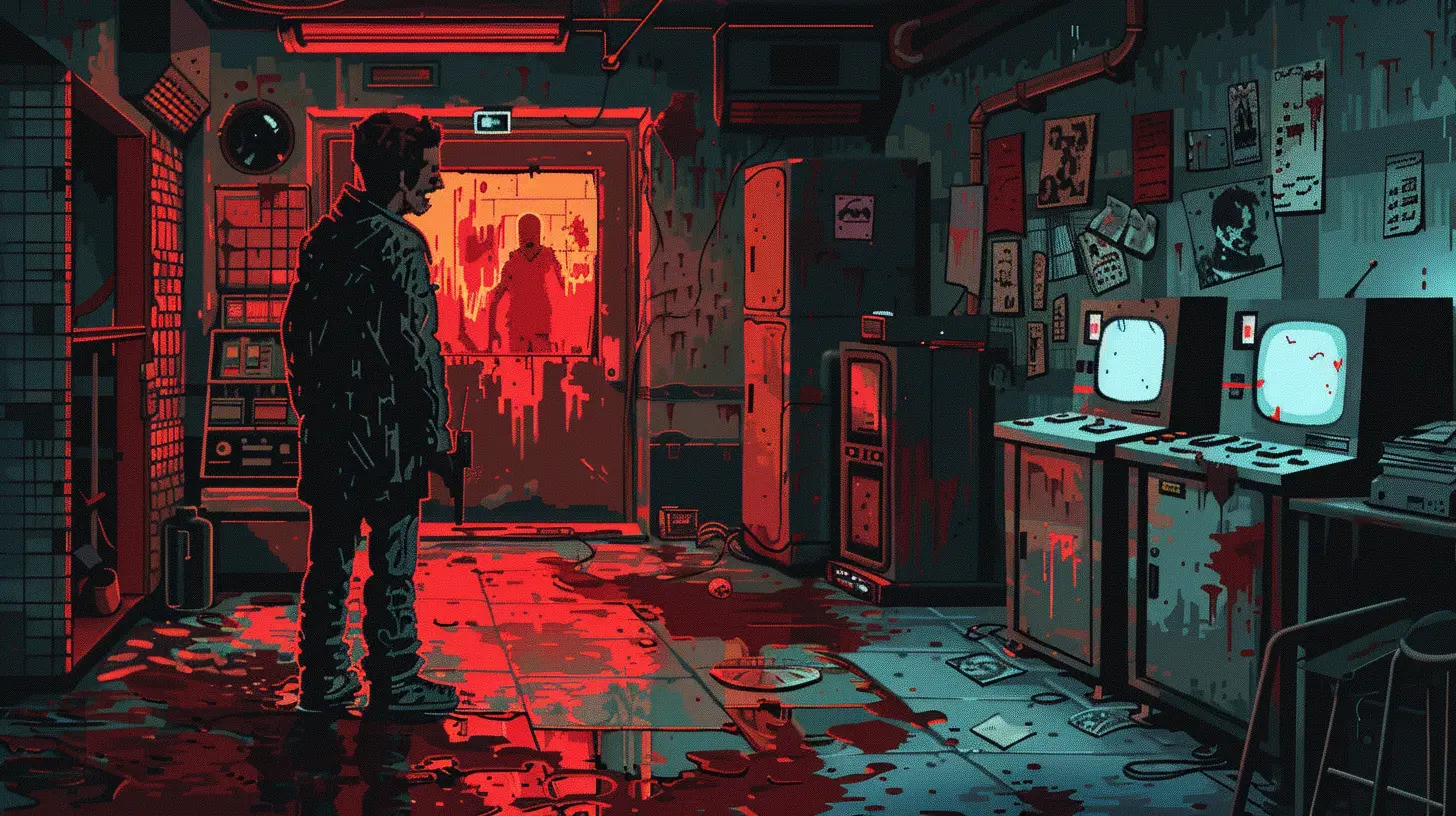
Why Do Pixelated Graphics Still Work?
You’d think with all our modern tech, pixel art would be obsolete. But here’s the twist—it’s exactly that lack of detail that makes your imagination go wild.Ever heard the phrase “what you can’t see is scarier”? That’s the secret sauce. When a monster is rendered in terrifying 8K detail, you see everything. There’s nothing left to the imagination. But when it’s just a few jagged shapes and eerie colors? Your brain fills in the blanks—with something way creepier than what any graphics engine could churn out.
It’s like reading a horror novel versus watching a horror movie. The pictures in your head are often much scarier than the ones on screen.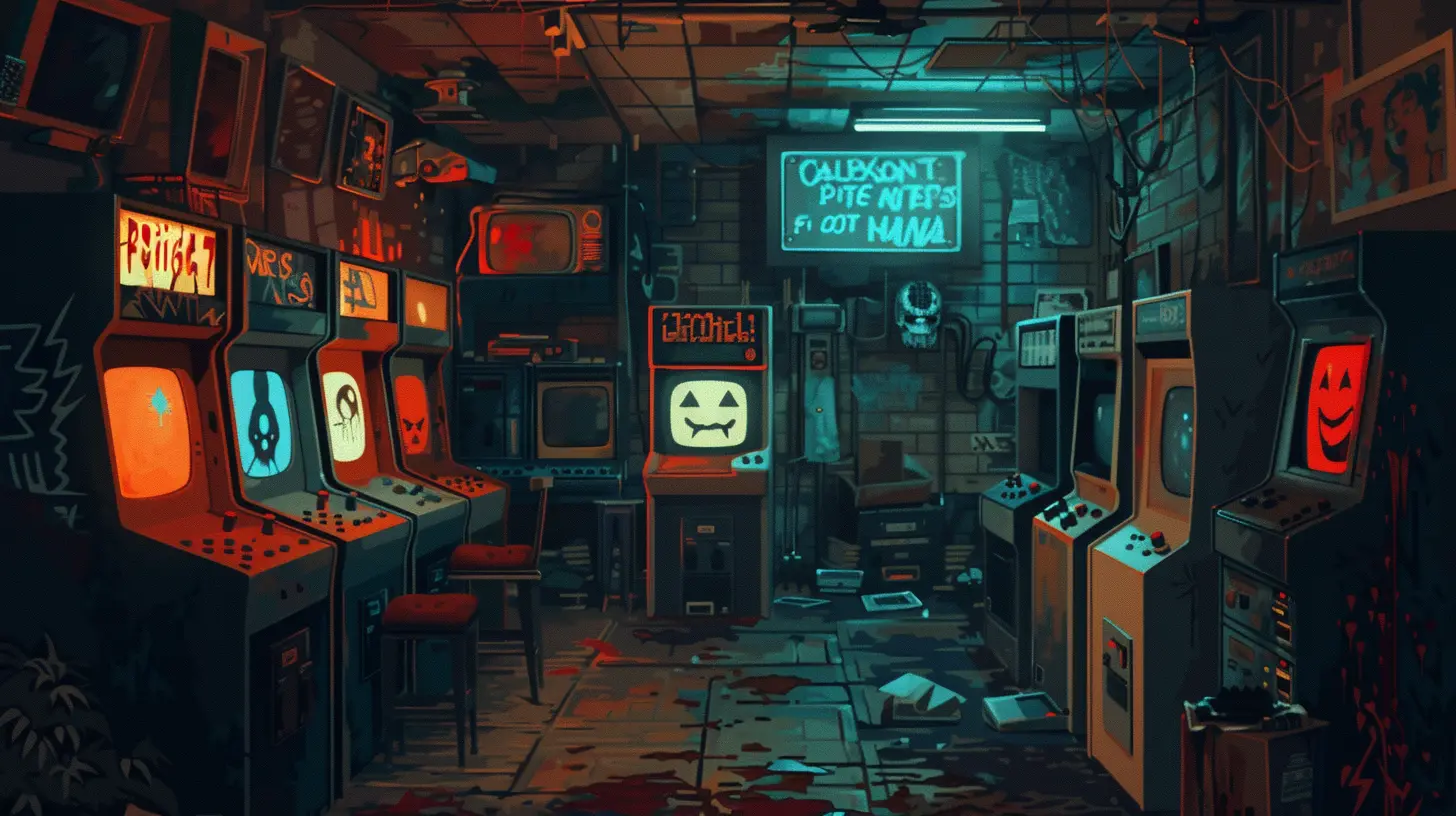
The Nostalgia Factor
Okay, let’s be real: there’s a huge nostalgia magnet here. If you grew up in the '80s or '90s, those pixel graphics probably feel like home. And combining that childhood nostalgia with psychological horror? That’s a recipe for emotional whiplash in the best possible way.It’s like running into an old friend who's suddenly whispering disturbing secrets in your ear—not what you expected, but you can’t look away.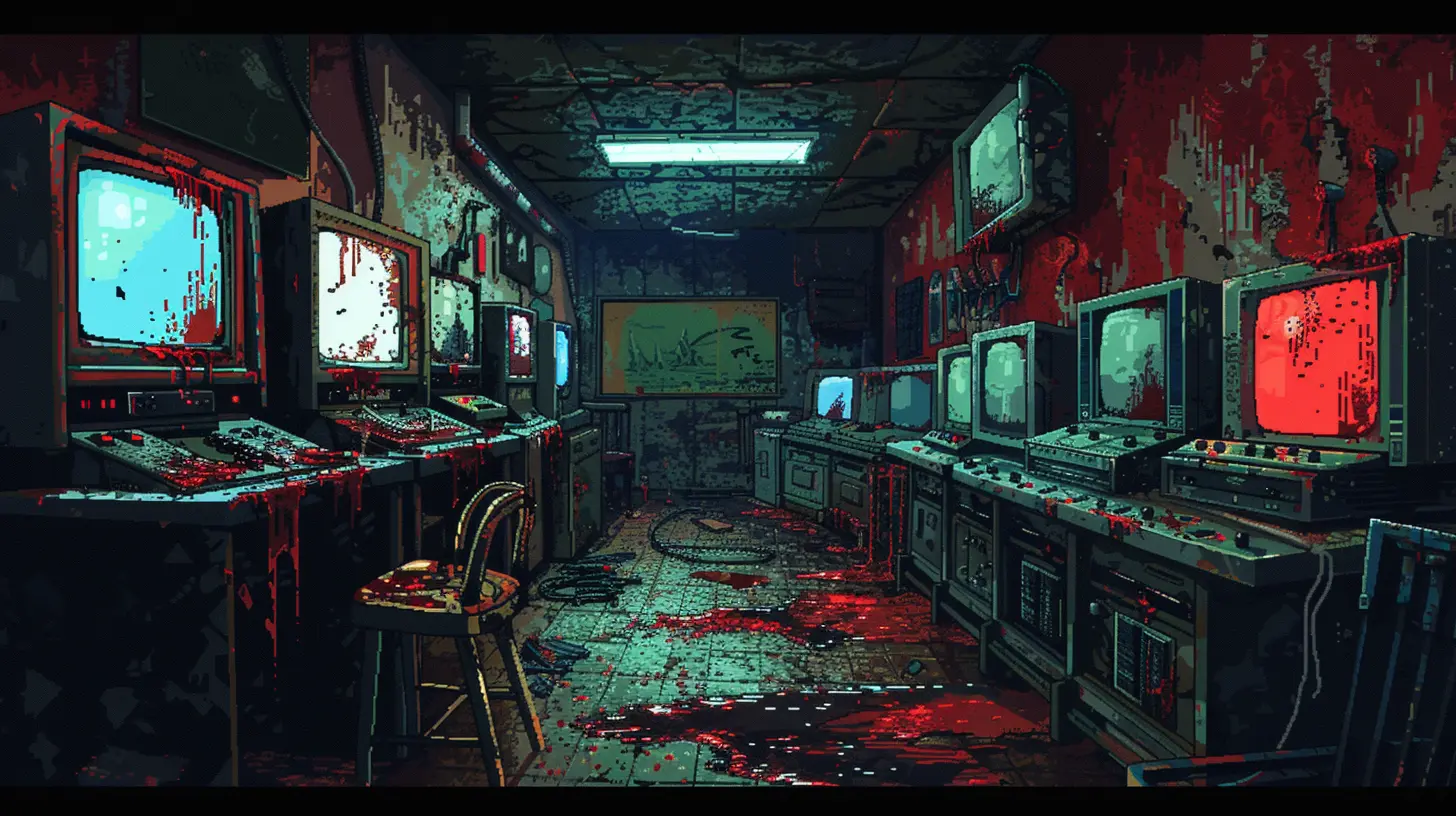
Less Is More: The Art of Minimalist Dread
Pixel art forces developers to get creative. With less visual detail, they lean harder on storytelling, sound design, and pacing.You’ll find that most pixelated horror games don't rely on cheap jump scares. Instead, they build tension slowly. A flickering light. A distorted music loop. A character that doesn’t act quite right. Before you know it, you’re sweating bullets, and you haven’t even seen the monster yet.
This minimalist approach creates a unique kind of dread—one that feels more psychological than visual. It sticks with you.
Iconic Pixel Horror Titles That Made a Mark
Let’s talk games. Here are a few pixel horror gems that prove you don’t need high-end graphics to scare someone senseless.1. Lone Survivor (2012)
A post-apocalyptic horror game where you play as a masked protagonist trying to survive in a monster-infested world. It’s trippy, it’s creepy, and it messes with your perception of reality.You’ll find yourself questioning what’s real and what’s just in your head. Combine that with a haunting soundtrack and Silent Hill-style vibes? Boom, instant cult classic.
2. The Last Door (2013)
This one is Victorian horror done pixel-style. Inspired by Lovecraft and Poe, it’s slow, atmospheric, and totally unnerving. The visuals are extremely low-res—like, 8-bit minimal—but the sound design and story carry it.It’s like trying to read an old, yellowed horror novel in the dark… with something breathing over your shoulder.
3. Faith (2017)
Ever wonder what an exorcism horror game would feel like if it were made for the Atari 2600? Yeah, me neither—until I played Faith. The choppy, lo-fi visuals are straight out of the '80s, but the game is absolutely terrifying.From distorted voices screaming “MORTIS” to the satanic storyline, Faith proves you don’t need more than a few pixels to give someone nightmares.
4. Home (2012)
Here’s a twisty little tale where your choices actually affect the ending. It starts simple—guy wakes up in a strange house—but quickly spirals into the surreal and sinister. The game relies on you, the player, to interpret the story yourself.Intriguing, right? The low-res visuals act like static on an old TV set—you’re never quite sure what you’re looking at, and that’s what makes it terrifying.
Sound: The Unsung Hero of Pixel Horror
Pixel visuals might be simple, but the audio? Often, that’s where the magic (and horror) happens.From distorted whispers and lo-fi static to retro synth scores that feel like they’re crawling into your ears, sound is what truly elevates these games. You don’t just see the horror—you hear it. And sometimes, that’s worse. Way worse.
A good pixel horror game knows how to use silence, too. Just an empty hallway and the sound of your own footsteps? Yeah, that’ll do.
Psychological vs. Physical Horror
Most pixelated horror games don’t bother with gore or shock value. They go straight for the mind.They play with themes like isolation, guilt, insanity, and identity. You’re not just running from a monster—you’re questioning your own reality. Did you actually see that? Was it real? Or is the game messing with you… again?
This psychological edge makes these games feel deeper and more personal. They get under your skin, stay there, and whisper creepy things while you sleep.
Why Indie Devs Love Pixel Horror
Pixel horror is indie heaven, and it’s not hard to see why. It’s cost-effective, manageable for small teams or solo devs, and thrives on creative storytelling.And here's the kicker—because the pixel horror genre is so niche and quirky, devs have more room to get weird with it. No corporate red tape. Just passion projects that shoot straight for the heart (and gut) of horror fans.
Plus, the community around these games is tight-knit. Players love digging into obscure lore, hidden endings, and fan theories, which keeps the buzz going long after release day.
Replayability and Hidden Meanings
Ever finish a game and immediately want to replay it to see if you missed something huge? That’s par for the course with pixel horror.A lot of these games hide Easter eggs, alternate endings, or even meta-narratives that only reveal themselves on multiple playthroughs. It's like peeling back the layers of a creepy onion—you cry, but you just can’t stop.
Fans eat this stuff up. Forums light up with theories about what “really happened,” and everyone gets to feel like they’re part detective, part horror junkie.
Pixel Horror in the Streaming Era
Let’s talk streaming. Pixel horror games have exploded in popularity on platforms like Twitch and YouTube.Why? Because they’re perfect for reactions. Streamers can milk every creepy moment, engage their audiences with theories, and replay the games for alternate endings. Plus, these games aren’t 80-hour marathons—you can often finish them in a single stream, which is ideal for content creation.
And let’s be honest: seeing your favorite streamer scream over a 16x16 pixel ghost is pure gold.
The Future of Pixelated Horror Games
So, is pixel horror here to stay? Short answer: heck yeah.With ever-evolving tools, more passionate indie devs, and a growing fanbase, the genre is only getting stronger. We’re seeing hybrid art styles, more experimental storytelling, and even crossovers with other genres like RPGs and visual novels.
What started as a nostalgic nod to retro gaming is now a legitimate, thriving subculture. And if you ask me? The best is yet to come.
Final Thoughts: Why We Keep Coming Back
Pixelated horror games are like haunted storybooks brought to life. They don’t dazzle you with visuals—they lure you into their lo-fi nightmare worlds and trap you there. Their power lies in suggestion, atmosphere, and making you part of the horror.So the next time you see a horror game with “outdated” graphics? Don’t scoff. That blocky, low-res world might just scare you more than anything else on your Steam wishlist.
And the best part? You’ll love every creepy second of it.
all images in this post were generated using AI tools
Category:
Gaming NostalgiaAuthor:

Tayla Warner
Discussion
rate this article
1 comments
Valentina Parker
Pixelated horror games uniquely blend nostalgia with terror, using limited graphics to spark imagination. Their simplicity enhances the atmosphere, letting players fill in the gaps with personal fears, creating a more immersive experience than hyper-realistic visuals might offer.
July 14, 2026 at 4:52 AM
Tayla Warner
Absolutely! The limited graphics really do let our minds run wild, making the experience even more chilling. It's amazing how nostalgia and simplicity can amplify the horror.