The Best Uses of Foreshadowing in Game Storylines
9 May 2026
Ever been halfway through a game and suddenly get smacked in the face with a plot twist that makes you rethink everything? Then you go, “Wait a sec… they totally hinted at this earlier!” That, my friend, is foreshadowing doing its sneaky little dance in the background.
Foreshadowing isn’t just for fancy literature and high school English class. It’s a storytelling superpower that, when used right in video games, creates “Aha!” moments, spine-tingling chills, and unforgettable experiences. So let’s geek out about some of the best uses of foreshadowing in game storylines—and yeah, there will be spoilers.
What Is Foreshadowing in Games Anyway?
First, let’s break it down real quick. Foreshadowing is basically the art of dropping hints or clues about something that’s going to happen later. In games, this can be done through dialogue, environmental storytelling, flashbacks, item descriptions, or even music.Think of it like setting up a punchline—you plant the seed early, and when it blooms later, the player goes, “OHHH, that’s why!”
Why Foreshadowing Works So Well in Games
Unlike movies or books, games are interactive. You’re in the driver’s seat. That means foreshadowing feels more personal. You experienced it. You may have walked right past that weird-looking painting or chose a suspicious dialogue option. Then later, boom—it all comes full circle.It also gives games replay value. Once you know the twist, playing again makes all those little clues feel like buried treasure.
1. Red Dead Redemption 2 – Arthur’s Tragic Path
Let’s rip the band-aid off with a heavy one.If you’ve played Red Dead Redemption 2, you know Arthur Morgan's journey is as emotional as it is epic. But what really hits hard is how Rockstar begins to hint at Arthur’s fate from the very start. It’s all incredibly subtle—he coughs here and there, gets tired quicker, and characters occasionally make off-hand comments about his health.
But once he’s diagnosed with tuberculosis, it all clicks. His slowed movements, those existential talks with Sister Calderón, his need for redemption—all of it was foreshadowed with surgical precision. It wasn’t just about shocking us; it was about showing us.
Rockstar didn’t just drop a bomb out of nowhere—they planted a seed, watched it grow, and broke our hearts when it bloomed.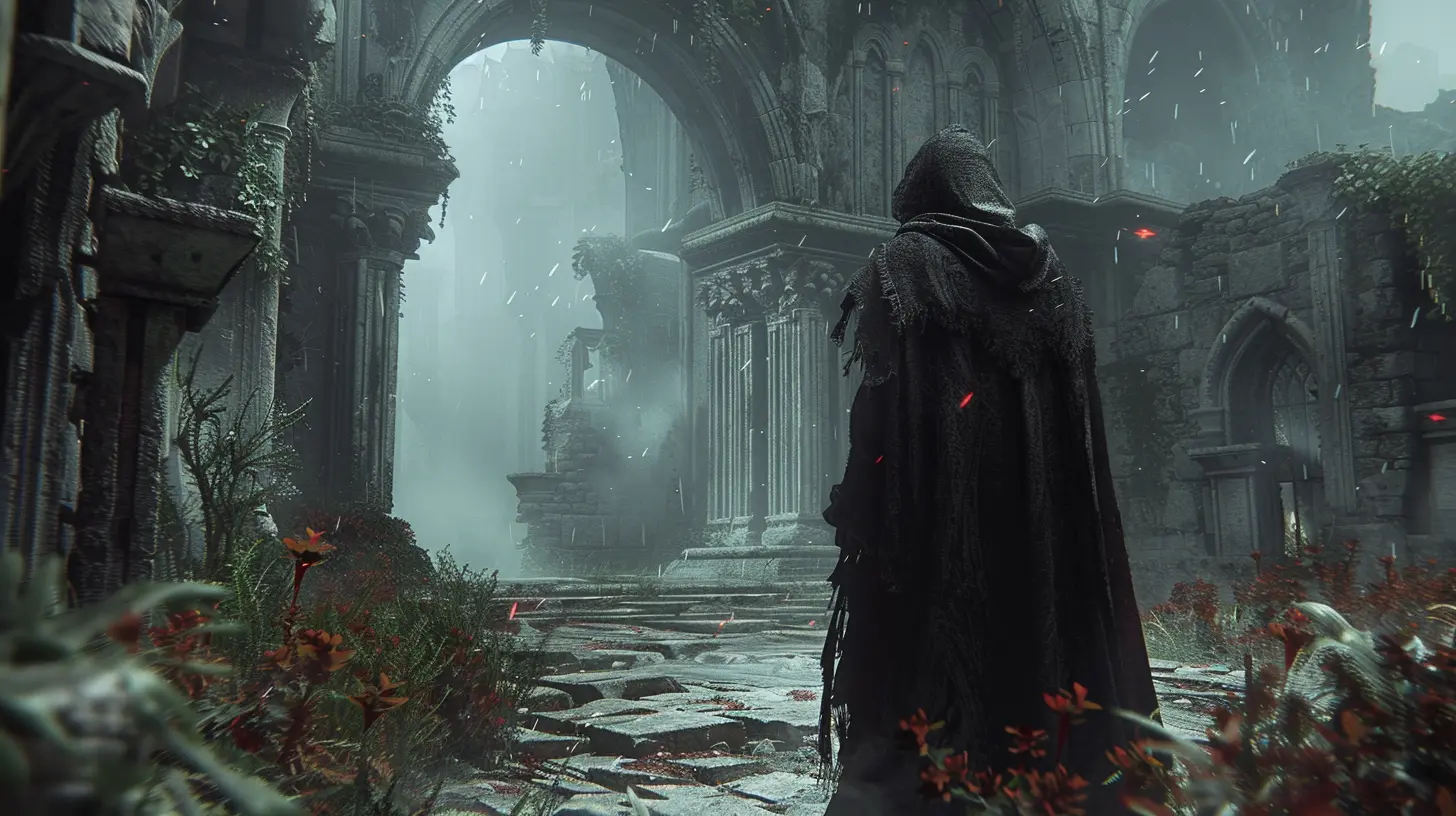
2. BioShock – “Would You Kindly?”
This one is legendary in the world of gaming. If you’ve played the original BioShock, the twist is one of those unforgettable moments that punches you right in the nostalgia.You spend half the game following the polite instructions of a chap named Atlas, who keeps saying, “Would you kindly…” before asking you to do something. It seems like a gentlemanly quirk. But when you learn that phrase was a mind-control trigger the whole time, your brain probably melted a little.
The beauty of it? That exact phrase is repeated constantly throughout the game. You just didn’t notice. That’s elite-tier foreshadowing.
It’s a masterclass in making the player feel both clever and utterly blindsided at the same time.
3. Undertale – The SAVE Mechanic’s Dark Side
At first glance, Undertale looks like a quirky, innocent RPG. But dig deeper (or take a darker route through a Genocide playthrough), and the real horror starts to surface.The game’s most sinister foreshadowing comes from its own game mechanics. Early on, you learn you can save and reset. Cool. Every RPG does that, right?
Wrong.
Turns out, the characters remember. The game remembers. Flowey tells you he’s been doing the same thing—saving, resetting, and manipulating fate. Suddenly, your innocent attempts to “restart” feel twisted. That’s some next-level meta-foreshadowing that breaks the fourth wall like a sledgehammer.
4. The Last of Us – Ellie’s Immunity and Guilt
Naughty Dog doesn't mess around with narrative.From the first game, Ellie’s immunity is a central mystery. But in The Last of Us Part II, it becomes a ticking time bomb that ties into her guilt, trauma, and sense of purpose. Looking back, the very first game hinted at the weight of her immunity—how it may not just be a blessing, but maybe... a curse?
Remember when Joel lies to her at the end of the first game? That wasn’t just a protector being overprotective. That was a loaded moment, foreshadowing the entire emotional and ethical rollercoaster of the sequel.
It’s tragic, sure—but it’s flawless storytelling.
5. Outer Wilds – A Clockwork Universe of Clues
If you haven’t played Outer Wilds, go. Now. I’ll wait.Back? Cool.
This game is basically one giant foreshadowing sandbox. From the start, everything—from ancient murals to subtle sound cues—is pointing toward the cosmic mystery at the heart of the game. You’re constantly looping time, dying, and learning. Each cycle reveals new details that tie together into one giant “AHA!” moment.
That statue that stares at you in the beginning? Yeah, not just creepy decoration. Massive significance. The solar system dying every 22 minutes? Not just a gimmick—it's the core of the universe's fate.
The entire game is a brilliant, beautiful foreshadowing loop.
6. Persona 5 – A Diary of Clues
Let’s switch gears to something stylish: Persona 5. This game plays with narrative structure by starting in the middle and flashing back, a classic literary trick. But what’s cooler is how the game drops tiny hints throughout about the traitor in your crew.You get updates from a diary. You hear conversations in interrogations. And if you’re paying attention, there are subtle signs about who’s betraying you long before the mask comes off.
It makes the player feel like a detective, even if they don’t realize they’re solving anything until the big reveal. Sneaky. Stylish. So very Persona.
7. Final Fantasy VII – Aerith’s Fate Was Spelled Out
Okay, we all know what happens to Aerith. It’s the moment that emotionally scarred a generation.But here’s the thing: SquareSoft foreshadowed her death way before Sephiroth impaled her.
From her somber music theme to the way Cloud talks about dreams and fate, the tone around her story is always just a touch more… final. There are scenes where she references saving the planet alone, or standing apart from the group. And then there’s that quiet, peaceful cutscene in the Forgotten Capital—calm before the storm.
The game didn’t silence the blow—it made sure it hurt in the best way possible.
8. Silent Hill 2 – James’s Guilty Whispers
This one’s for the horror buffs out there.Silent Hill 2 is a masterclass in psychological horror. But dig deeper, and you’ll find that the real monster is James himself. (Cue dramatic music.)
From early on, everything in the fog-drenched town of Silent Hill reflects his guilt. Pyramid Head? A manifestation of his desire for punishment. The disfigured creatures? Twisted versions of his suppressed memories and emotions.
It’s all so subtle. But once you uncover the truth about what James did, the entire game clicks into place like the creepiest jigsaw puzzle you’ve ever solved.
And suddenly, every heavy footstep feels heavier. Every whisper is a confession.
How Games Use Foreshadowing Differently Than Other Media
Here’s the coolest part: Foreshadowing in games isn’t passive. You interact with it. You walk past the item. You read the in-game journal page. You pick a dialogue option. That’s what makes it hit harder.In books or movies, you can’t influence the pace—you’re along for the ride. In games, you control it. That's why when the twist drops, your jaw isn’t just on the floor—you feel like you were part of the puzzle the whole time.
Games don't just tell stories—they build them around you. Foreshadowing isn’t a narrative trick, it’s part of the player experience.
Honorable Mentions: More Games That Did It Right
Can’t list them all without giving credit where it's due. Here are a few more with foreshadowing goodness:- The Witcher 3 – “The Last Wish” side quest all but tells you how things will fall apart later.
- Mass Effect Trilogy – The foreshadowing of the Reapers and Shepard’s fate spans three whole games. Talk about commitment.
- Life is Strange – So many butterflies. Literally.
- Control – Objects of Power and cryptic files hide major story hints in plain sight.
Wrapping It Up: Why Foreshadowing Just Works
At the end of the day, foreshadowing is what makes a storyline feel earned. Twists don’t come from nowhere. They simmer quietly, waiting for you to turn the heat up.Games that use foreshadowing well create richer, deeper, and more emotionally satisfying experiences. You’re not just watching the story unfold—you’re living it, piece by piece.
So the next time a character says something weird, or a tiny visual detail stands out—pay attention.
It might just be your next “Ohhhh, now I get it!” moment waiting to happen.
all images in this post were generated using AI tools
Category:
Game StorylinesAuthor:

Tayla Warner
Discussion
rate this article
2 comments
Phoebe Porter
Foreshadowing enriches game narratives by layering complexity and suspense. Subtle hints in character dialogue or environmental cues can create a sense of inevitability, making the eventual twists impactful. Games like "The Witcher 3" and "Bioshock" master this technique, allowing players to piece together clues that enhance their emotional investment.
June 26, 2026 at 5:13 PM
Tayla Warner
Absolutely, the way games like "The Witcher 3" and "Bioshock" weave foreshadowing into their narratives really elevates the experience. It keeps players engaged and amplifies the emotional stakes when the twists finally unfold.
Denise Carrillo
Great insights! Foreshadowing really enhances storytelling in games.
May 13, 2026 at 4:44 AM
Tayla Warner
Thanks! I'm glad you enjoyed the insights. Foreshadowing truly adds depth to game narratives.