The Benefits and Risks of Online Multiplayer Games for Kids
6 August 2026
Online gaming has exploded in popularity over the last decade, and let’s be honest—it’s not going away anytime soon. If you're a parent, chances are your child has either played or begged you to let them dive into the thrilling world of online multiplayer games. It’s where they connect with friends, battle foes in distant digital lands, and maybe even pick up a lesson or two along the way.
But before we click “accept” on that game’s terms and conditions, it’s important to talk about both the exciting upsides and the potential downsides of kids entering the online multiplayer gaming universe. So, grab a snack, settle in, and let’s unpack the benefits and risks—without the scary tech jargon!
What Are Online Multiplayer Games, Anyway?
Before diving in, let’s quickly break it down. Online multiplayer games are video games that allow players from all over the world to play together in real time over the internet. We're talking about games like Minecraft, Fortnite, Roblox, Among Us, and tons more. Some are competitive, others are co-op, and many are just about building cool stuff or exploring new worlds.These games aren't just for teens or adults—more and more young kids are logging on to play, learn, and make digital friends.
The Good Stuff: Benefits of Online Multiplayer Games for Kids
Let’s start on a positive note. Online multiplayer games offer more than just flashing lights and explosions. They can actually be great for kids' development—when played in moderation and under supervision.1. ??? Social Skills Boost
Think games are isolating? Think again. Many online games require teamwork, strategy, and communication. Kids learn to work collaboratively, take turns, negotiate ideas, and even resolve conflicts.In a way, it’s like a modern-day playground… just virtual.
Example: In games like Minecraft, players often team up to build structures. That requires planning, listening, and respecting teammates’ input—skills that translate into real-life social settings.
2. ? Cognitive Development and Problem Solving
Online games often involve puzzles, strategies, and challenges that keep the brain in gear. Kids have to think on their feet, make split-second decisions, and come up with creative solutions.It’s like giving their brains a little workout—without the boring worksheets.
3. ?️ Hand-Eye Coordination and Motor Skills
Fast-paced games help improve hand-eye coordination and fine motor skills. Controlling characters, aiming, jumping, and performing complex multi-button moves can sharpen their reflexes.Try timing your kid’s reactions after a few rounds of high-intensity multiplayer action—it might surprise you!
4. ? Cultural Awareness and Global Friendships
Online games are global playgrounds. Your child could be playing with someone in Brazil, chatting with a teammate from Japan, or building something with a new friend in Germany.It’s an incredible way for kids to get a peek into other cultures—no passport needed.
5. ? Stress Relief and Emotional Outlet
Let’s face it—school, peer pressure, and the chaos of growing up can be stressful. Games can offer a safe emotional escape.Whether it's blowing off steam with some in-game action or chatting with friends in a fun environment, gaming can offer kids a sense of relief and joy.
6. ?️ Improves Language and Communication Skills
This one might surprise you. Many online games require chatting—either through text or voice. Kids often expand their vocabulary, improve sentence structure, and learn to articulate their thoughts better.Especially in games where teamwork is key, communication becomes a skill they’re constantly honing.
7. ? Goal Setting and Patience
Most online games involve progress—think leveling up, crafting gear, or unlocking new skills. Kids learn that good things take time. They set goals, make plans, and stick with tasks.It’s a stealthy way to teach perseverance and reward hard work.
The Dark Side: Risks of Online Multiplayer Games for Kids
Now, before you start handing out game controllers like candy, let’s hit pause and talk about the potential dangers. Like any online activity, multiplayer gaming isn’t all fun and games if left unchecked.1. ? Exposure to Inappropriate Content
Unfortunately, not all gamers play nice. Chat functions can expose kids to bad language, bullying, or even predatory behavior.Even in games with filters and moderation, some stuff can slip through the cracks. It’s essential to monitor who your child is interacting with and adjust privacy settings when possible.
2. ? Cyberbullying
Online anonymity can lead to some pretty nasty behavior. Cyberbullying is real, and it can take a toll on a child’s self-esteem and mental health.From name-calling to exclusion and trolling, the emotional fallout is no joke.
3. ⏳ Screen Time Overload
Let’s be honest—those games are addictive. It's easy for a “quick match” to turn into hours of continuous play.Too much screen time has been linked to sleep issues, eye strain, and even behavioral problems. Setting time limits is key.
4. ? In-Game Purchases and Spending
Ever heard of microtransactions? They’re small purchases within the game—skins, weapons, boosters—that can quickly add up.Kids may not fully understand the value of money when clicking “buy.” Before you know it, your credit card’s been ambushed.
5. ? Stranger Danger
Online multiplayer means playing with people from all over the world—but that also includes strangers with unclear intentions. Some predators can pose as kids to gain trust.Parental controls, communication, and awareness go a long way here.
6. ? Sleep Disruption
Late-night gaming sessions can mess with sleep patterns. Blue light, adrenaline spikes, and long gameplay hours can keep kids wired way past bedtime.That school alarm? Yeah, it hits different after a night of digital dragon-slaying.
7. ? Unrealistic Expectations and Stress
Believe it or not, kids can feel pressure in games. Whether it's to win, to be popular, or to keep up with friends who have cooler items or better skills—it can get overwhelming.Gaming should be fun, not a source of anxiety or performance pressure.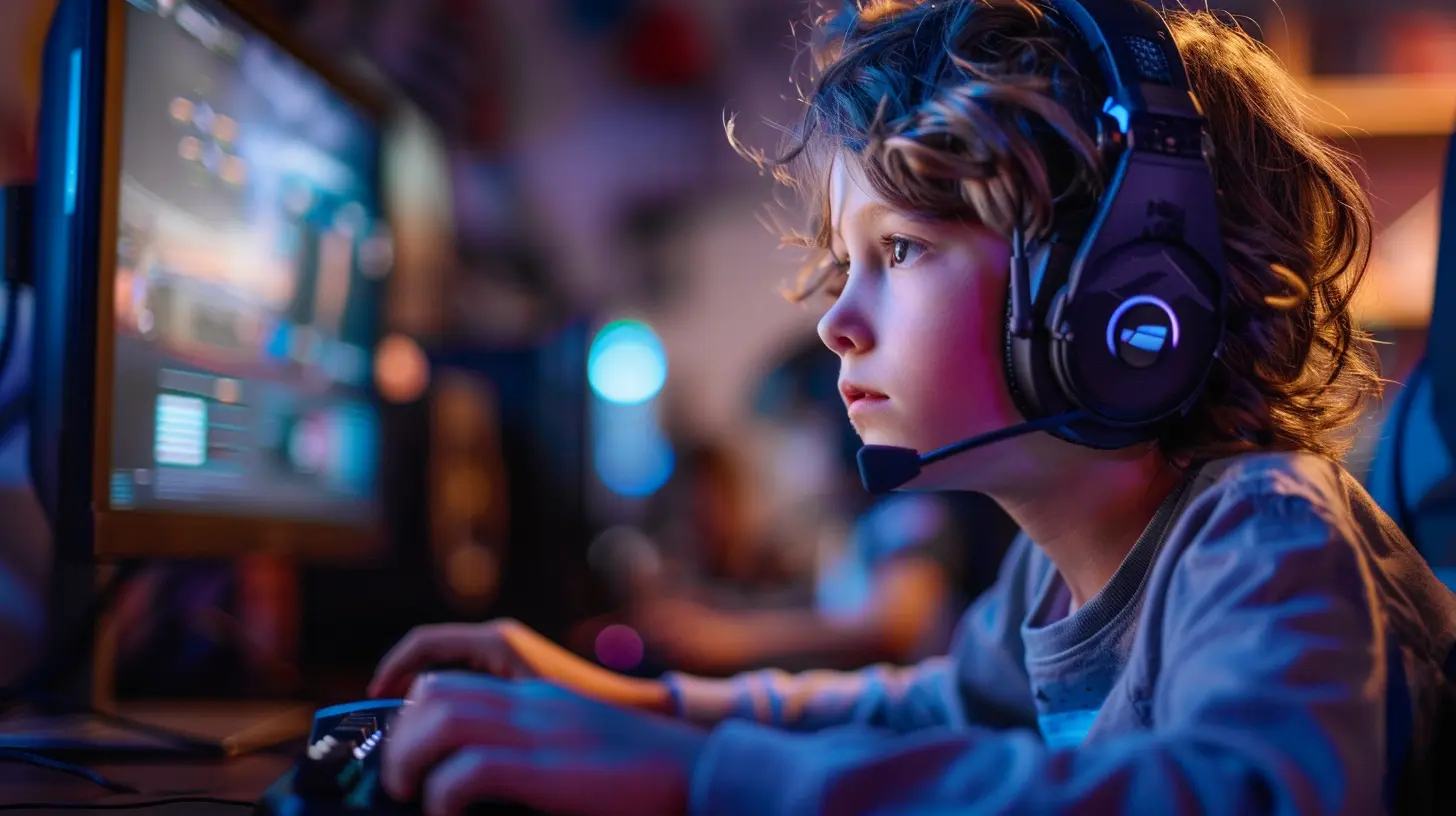
Tips for Parents: Keeping the Experience Safe and Positive
The good news? It’s totally possible to let your child enjoy online multiplayer games while minimizing the risks. It just takes a little planning, some open communication, and a sprinkle of tech-savviness.? Talk Openly with Your Kids
Let them know you’re open to discussing what games they’re playing and who they’re playing with. Build trust so they feel safe reporting any weird behavior or hurtful messages.⏰ Set Time Limits
Use built-in parental controls or simple rules—like no gaming before homework or after 8 PM. Routine helps strike that much-needed balance.? Use Privacy Settings
Most games offer ways to restrict who your child can chat with or play alongside. Take a few minutes to explore and activate those settings.? Monitor Gameplay
Occasionally sit with your child during gameplay—watch, ask questions, and engage. It shows you care, and it helps you stay in the loop.? Disable In-App Purchases
Your wallet will thank you. Most devices allow you to lock out buying options or require a password for purchases.?? Educate About Online Safety
Teach them not to share personal details like their real name, address, or school. Help them understand red flags when chatting online.? Encourage Breaks and Offline Play
Balance online gaming with outdoor play, reading, hobbies, or board games. Offline fun is still awesome and super important for development.Not All Games Are Created Equal: Picking the Right Ones
Choosing age-appropriate games can make all the difference. Use resources like ESRB ratings or check out kid-friendly platforms like:- Minecraft Education Edition
- Animal Crossing: New Horizons
- Splatoon 3
- Super Mario Party
- Lego Star Wars
These games are fun, safe, and offer tons of learning potential without the chaos of open chatrooms.
Wrapping It All Up: A Digital Playground with Boundaries
Online multiplayer games for kids? They’re a double-edged sword. On one side, you’ve got creativity, teamwork, and loads of fun. On the other, there’s the risk of overexposure, bad influences, and digital addiction.But like most things in life, it all comes down to balance.
With the right mindset, a bit of guidance, and regular check-ins, online gaming can be a healthy and enriching part of your child’s world. So, the next time your kid asks to jump into a game with friends, take a breath, check the settings, and maybe even join in for a couple of rounds.
Who knows? You might actually enjoy it too.
all images in this post were generated using AI tools
Category:
Parental Guide To GamesAuthor:

Tayla Warner