The Art of Creating Believable Game Worlds
12 August 2026
Let’s admit it—there’s nothing more magical than booting up a new game and finding yourself completely sucked into a world that feels… real. Not just graphically stunning, but emotionally captivating, logically consistent, and brimming with life. That’s the secret sauce behind a truly great game world—it’s believable.
But what actually makes a game world believable? Is it just about pretty visuals and fancy lighting? Not quite. Crafting convincing game environments is a delicate blend of storytelling, design, psychology, and a sprinkle of good ol’ insanity (the good kind). So, let’s dive deep into the art of creating believable game worlds and see why some games stick with us long after we’ve put down the controller.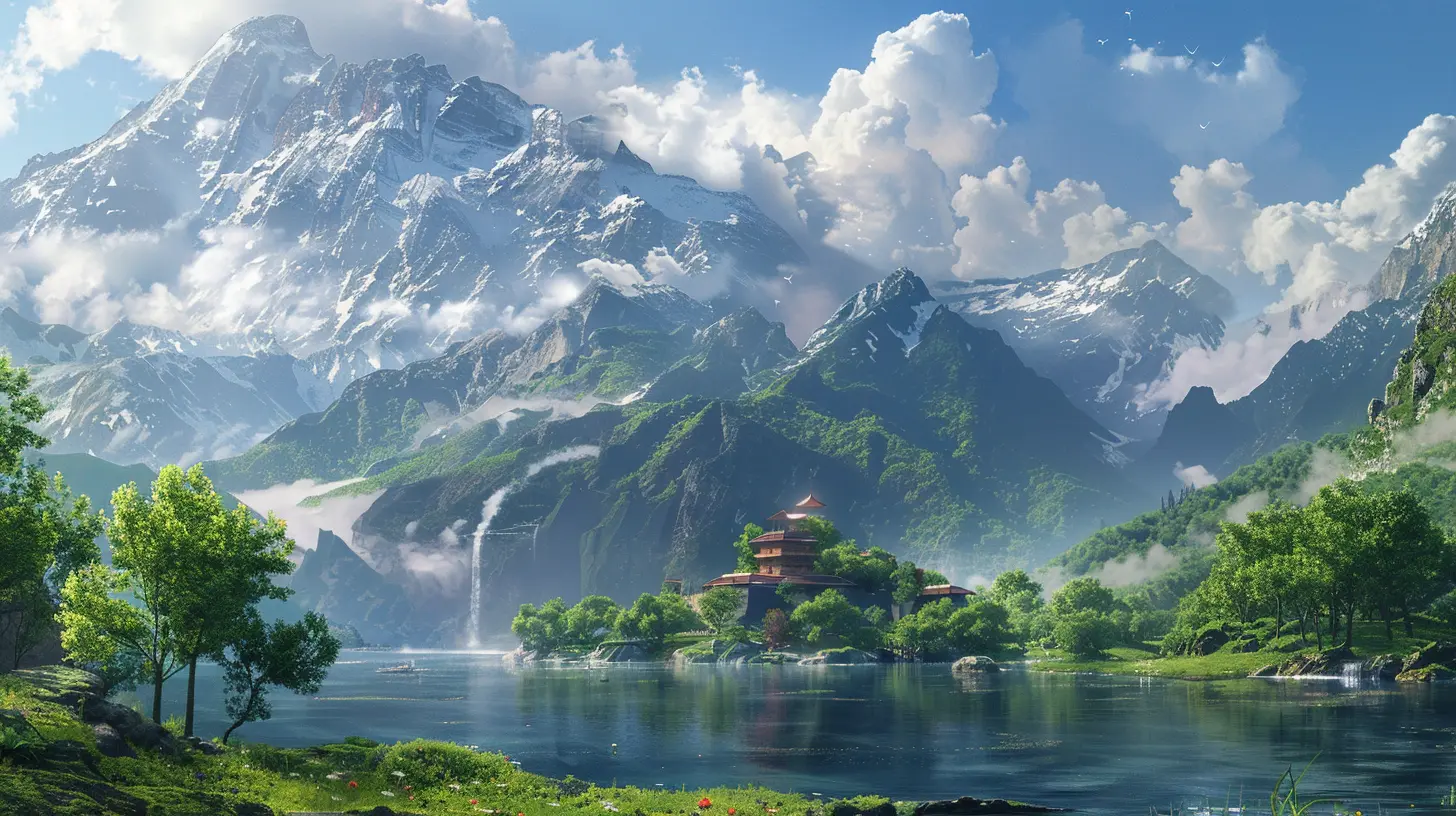
Why Believability Matters in Game Worlds
Ever played a game where something felt... off? Like, you’re in a medieval village but everyone’s talking like modern-day influencers? That’s what we’re trying to avoid.Believability is all about immersion. When a world feels grounded—even in the most fantastical of settings—it becomes easier for players to lose themselves in the experience. It’s not about making everything realistic; it’s about making everything feel real within the rules of that world.
The more believable the world, the more emotionally invested players become. And let’s be honest, we all crave that “I forgot I was playing a game” moment.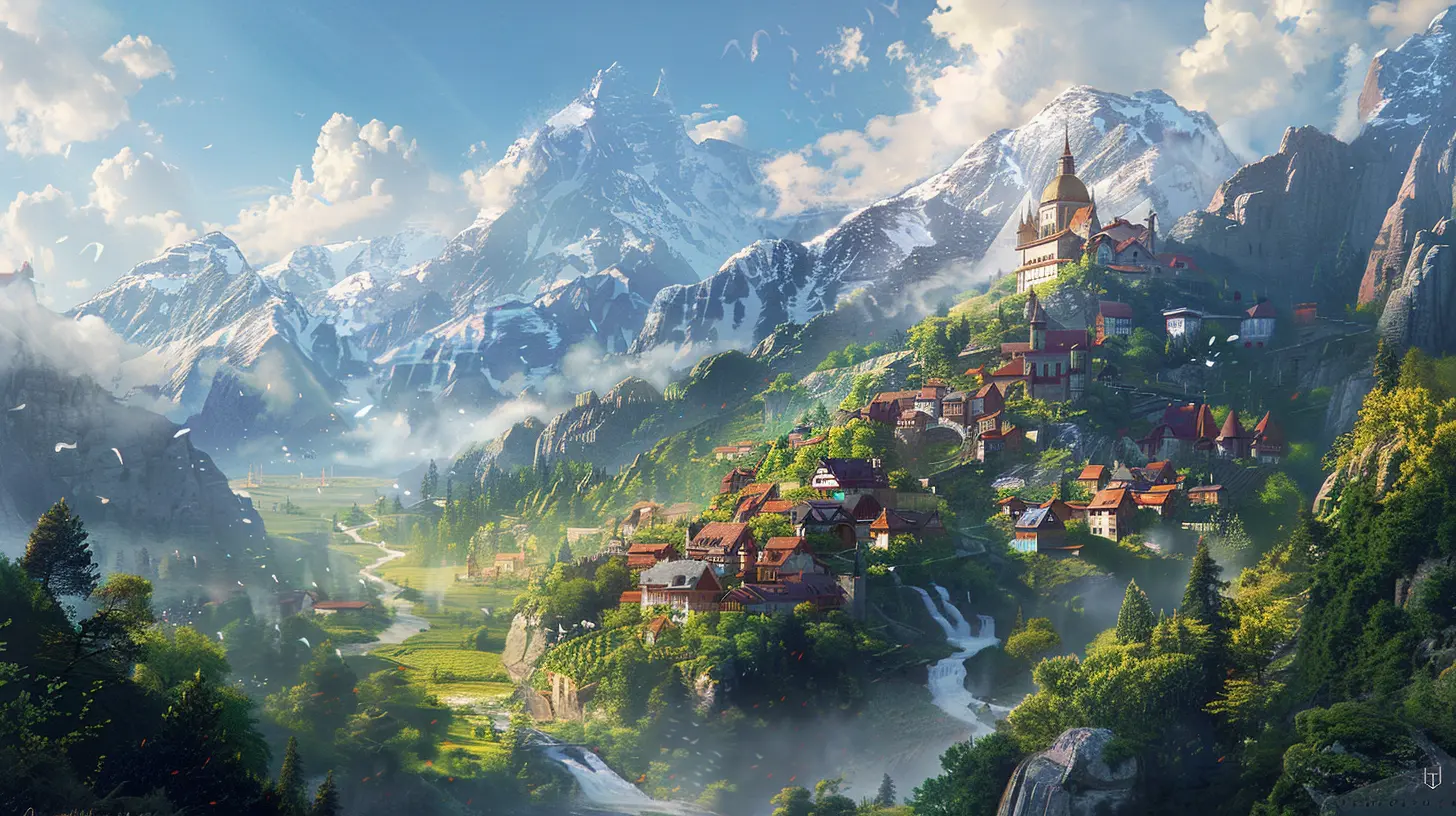
The Foundations: Lore and Worldbuilding
Think of lore as the DNA of your game world. It’s the backbone. The rules. The culture. The history. The why behind everything.? Start With the Big Questions
Before laying down even a single brick in your virtual city, ask yourself:- What kind of world is this?
- What happened before the player arrived?
- Who lives here, and what do they believe?
- What are the laws of physics... and magic?
A post-apocalyptic world will feel very different from a cyberpunk metropolis or a whimsical forest filled with talking mushrooms. The lore provides boundaries and logic, helping the world feel consistent.
? Story Is the Soul
Great game worlds aren’t just backdrops—they’re storytellers. They reveal their pasts through ruins, graffiti, overheard conversations, and the way NPCs behave.Games like The Elder Scrolls, Dark Souls, or BioShock do this beautifully. Every scratch on a wall, every ruined cathedral, tells a tale. You’re not just playing the game; you’re uncovering a mystery.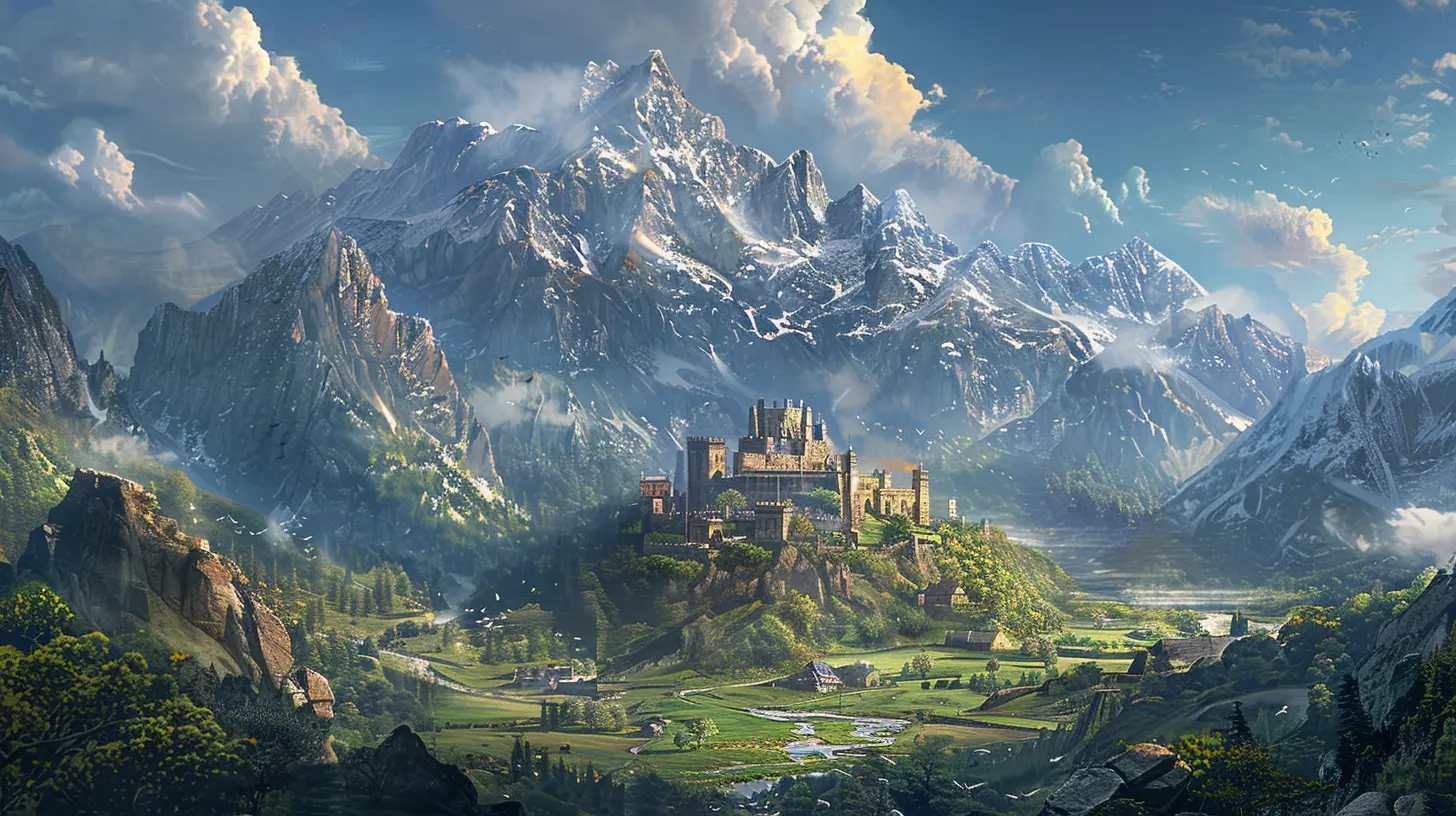
Visual Design: Show, Don’t Tell
Okay, now we’re getting to the eye candy. But here’s the thing—visuals aren’t just for wow factor. They’re tools for storytelling.?️ Consistency Is King
If your desert city has neon signs and hover cars, great—just make sure that tech shows up elsewhere too. Consistency locks everything into place. If something looks out of place, the illusion breaks.? Color and Mood
Color palettes set the tone. Cool blues can evoke sadness or tranquility. Harsh reds might scream danger. Lighting, weather effects, and shadows all play a part.Think of The Witcher 3’s Skellige Isles versus Velen. Same game, but each area feels like a whole new universe thanks to clever use of visuals.
? Environmental Details
Little touches go a long way—wear on stair steps, moss growing in shaded spots, clutter in an NPC’s home. These details don’t just add realism—they whisper about the lives lived in that world.
Sound Design: The Unsung Hero
You probably don’t think much about ambient sounds in a game until they’re missing. But believe me, silence (or the wrong sounds) can kill immersion fast.? Background Ambience
Winds through trees. Distant chatter in a town. Creaking wood on a pirate ship. These are the audio cues that ground players in a space.?️ Voice Acting and Dialogue
Accents, slang, pauses, and tone—all of it matters. If your elves speak like tech bros, you’ve got a disconnect. But if their language reflects their culture? Now we’re talking.And please… let there be variety. Hearing the same three NPC lines makes your world feel tiny.
Gameplay Mechanics That Support the World
Here’s a neat trick: align your gameplay mechanics with your world’s logic. When this happens, everything just clicks.⛏️ Systems That Make Sense
In Red Dead Redemption 2, your character gets dirty over time, needs sleep, and can hunt, cook, and craft. All of these mechanics reinforce the Old West setting.If your game is set in a society that values stealth and cunning, don’t give players a flamethrower in the tutorial.
?️ Economy and Social Structures
Does your world have trade routes? Currency? A class system? Let players interact with these systems. It adds depth and gives them a sense of place.In The Legend of Zelda: Breath of the Wild, different regions have economies, weather patterns, and local foods. It makes the world feel alive and interconnected.
Characters Make the World Feel Alive
You could have the most gorgeous world ever rendered—but if the characters are boring or robotic, it’ll still feel lifeless.? Realistic NPCs
NPCs shouldn’t just stand around. They should have routines, relationships, quirks. Watching an NPC sweep their porch, argue with a neighbor, or sit down to eat—it breathes life into the space.? Meaningful Interactions
Let players influence the world and its people. When choices have consequences, the world feels reactive and alive.Remember Mass Effect? Your decisions changed relationships, politics, and entire planets. That’s the gold standard.
Let the Player Leave Their Mark
The ultimate sign of a believable game world? One that remembers you were there.? Persistent Changes
If you destroy a building or save a village, the game world should reflect that. Even small changes, like cleaned graffiti or a new shop opening, makes your actions feel valued.Games like Fallout and Divinity: Original Sin 2 do this well—your actions matter, and the world evolves because of them.
? Player-Created Stories
Sometimes, the best stories aren’t scripted—they come from player decisions. When game worlds allow for emergent gameplay (think: crafting, base building, open-ended quests), they become canvases for personal stories.The Role of Technical Design
Behind every believable world is a mountain of invisible code.? AI and Behavior Systems
Smart AI = smart world. When enemies adapt to your tactics or animals behave realistically, you're more likely to believe in the world’s rules.? Level Design
Good level design guides you without being obvious. Hidden paths, sightlines, and landmarks subtly tell you where to go.And let’s not forget about load times and transitions. Seamless exploration helps preserve immersion.
Don’t Forget About Culture
Game worlds aren’t just about landscapes—they’re about people.? Music, Art, and Traditions
Different regions should have distinct cultures—languages, cuisines, clothing styles, holidays. Even the way people greet each other or mourn can add depth.Think of Ghost of Tsushima embracing Japanese traditions or Assassin’s Creed Origins showcasing Egyptian culture. It’s not just décor—it’s identity.
Common Pitfalls to Avoid
Even the most stunning games can fall flat if they miss the mark.? Over-Explaining Everything
Don’t info-dump. Let players discover lore naturally. Environmental storytelling > endless cutscenes.? Inconsistent Tone
Jumping between serious war drama and slapstick comedy? Be careful. Tone whiplash can break immersion fast.? Empty Worlds
Big doesn’t mean better. A massive open world with nothing to do is worse than a small, densely packed one.Putting It All Together
Creating a believable game world is kind of like baking a cake. You can’t just throw sugar and flour together and hope it tastes good. You need the right ingredients, in the right balance, with a lot of love (and probably some banging music in the background).Every choice matters—from how NPCs talk, to how weather changes, to what kind of graffiti’s on the walls. When done right, it all melts together seamlessly, and the player never notices the design—they just feel the magic.
So whether you're making a gritty cyber-noir city, a floating island utopia, or a haunted alien moon, remember the golden rule: Make it feel alive. Make it feel like it existed before the player got there—and will keep existing long after they leave.
Because that… that’s the art of creating believable game worlds.
all images in this post were generated using AI tools
Category:
Game StorylinesAuthor:

Tayla Warner